What Food Does a Betta Fish Eat for a Healthy Diet

What food does a betta fish eat is one of the most important questions for new owners. These vibrant fish need a balanced diet rich in protein to maintain their bright colors and energy. Feeding them the right mix of pellets, frozen treats, and occasional live snacks ensures a long, happy life.
Owning a betta fish is exciting. Their bright colors and flowing fins make them stunning pets. But keeping them healthy starts with one simple thing: their diet. Many new owners ask, what food does a betta fish eat? The answer is not just one thing. It is about giving them the right balance.
Bettas are not like goldfish. They have specific needs. In the wild, they hunt insects and small larvae. Your home tank should mimic this as much as possible. Giving them the wrong food can lead to sickness. It can even shorten their life. So, understanding their diet is key to being a good owner.
This guide will walk you through everything. We will look at pellets, flakes, and fancy treats. We will also talk about how much to feed. You will learn what to avoid. By the end, you will feel confident about mealtime. Your betta will thank you with vibrant colors and active swimming.
Key Takeaways
- High Protein Needs: Betta fish are carnivores and require protein-rich food like pellets and live insects.
- Portion Control: Overfeeding is common; feed only what they can eat in two minutes.
- Variety Matters: Rotate between pellets, frozen food, and live treats for complete nutrition.
- Avoid Human Food: Never feed bread or processed snacks as they harm fish digestion.
- Feeding Schedule: Adults typically need one or two small meals per day.
- Watch for Signs: Lethargy or bloating indicates you may be feeding the wrong type or amount.
- Tank Mates: If sharing a tank, ensure other fish do not steal the betta’s specific food.
📑 Table of Contents
Understanding Betta Fish Dietary Needs
To know what food does a betta fish eat, you must understand their biology. Betta fish are carnivores. This means they eat meat. Their stomachs are designed for protein. In their natural habitat in Thailand, they eat bugs that fall into the water. They also eat small crustaceans.
This natural diet is high in protein. Your pet betta needs the same. If you feed them mostly plant-based food, they will not thrive. They might survive, but they will not be healthy. Their fins may dull. Their energy may drop. A good diet supports their immune system. It also helps prevent common issues like fin rot.
Protein is the most important nutrient. Look for foods where fish or shrimp is the first ingredient. Fat is also needed but in moderation. Too much fat can cause obesity. This puts stress on their organs. Vitamins and minerals are important too. They support overall growth and color.
Protein Requirements
Adult bettas need a diet with at least 30 to 40 percent protein. Some premium foods go even higher. This sounds like a lot, but remember their size. They are small fish with big appetites for meat. High protein fish food is essential for their muscle health.
Digestive Health
Bettas have short digestive tracts. They are not built to process heavy grains or fillers. Foods with too many fillers can cause bloating. This is a serious condition. It makes the fish swim awkwardly. It can be fatal if not managed. Choosing high quality betta pellets helps avoid this problem.
Top Food Choices for Your Betta
So, what food does a betta fish eat in a home tank? There are several great options. You do not need to buy everything at once. But having variety is good. Here are the main types of food you should consider.
Betta Pellets
Pellets are the staple for most owners. They are convenient and nutritionally balanced. Good pellets sink slowly. This allows the betta to catch them at the surface or mid-water. Bettas are surface feeders. They prefer food that hangs near the top. Betta fish pellets are often sized correctly for their small mouths.
Look for brands that list whole fish as the first ingredient. Avoid those with lots of wheat or soy. These are fillers. They add bulk but little nutrition. A good pellet diet forms the base of their meals. You can feed this every day.
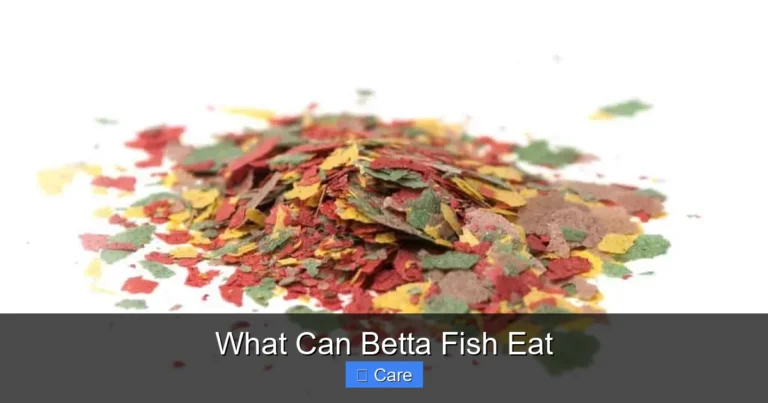
Flakes
Flakes are another common choice. They are lightweight and float well. This appeals to bettas who like to eat at the surface. However, flakes can break apart easily. This makes the water dirty. Uneaten flakes decay and raise ammonia levels.
If you use flakes, crush them slightly. This makes them easier to eat. Make sure to remove any leftovers after a few minutes. Some owners mix flakes with pellets. This adds variety. But pellets are often more nutrient-dense. Betta fish food flakes are okay, but check the protein content.
Frozen Food
Frozen food is a fantastic treat. It is closer to what they eat in the wild. You can find frozen bloodworms, brine shrimp, and daphnia. These are rich in protein. They also contain natural enzymes. This aids digestion.
Frozen food comes in small cubes. You thaw a cube in a little tank water. Then you feed it to your fish. It is messy if you drop it in dry. Always thaw it first. This type of food is great for conditioning. It helps bring out bright colors. Many experts recommend frozen food for bettas once or twice a week.
Live Food
Live food is the ultimate treat. It triggers their hunting instinct. Watching a betta chase a live worm is fun. Common live foods include bloodworms, brine shrimp, and mosquito larvae. You can buy these at pet stores. You can also culture some at home.
Live food is nutritious. But there are risks. Wild-caught insects might carry parasites. It is safer to buy from reputable suppliers. Do betta fish eat live food? Yes, and they love it. But use it as a supplement. Do not make it the only food source. Overfeeding live food can also foul the water.
Foods to Avoid for Safety
Knowing what food does a betta fish eat is only half the battle. You also need to know what to skip. Some foods seem safe but are actually harmful. Protecting your fish means being careful about ingredients.
Human Food
Never feed your betta human food. This includes bread, chips, or meat scraps. Bread expands in water. It can swell in the fish’s stomach. This causes severe bloating. Processed meats have salt and spices. These are toxic to fish. Do betta fish eat human food? No, and they should not.
Plant-Based Foods
Bettas are not herbivores. They do not eat algae wafers or lettuce. While a tiny bit of fiber is okay, their main diet must be protein. Feeding them mostly veggies will lead to malnutrition. Their colors will fade. They may become lethargic. Stick to meat-based options.
Low Quality Fillers
Cheap fish foods often use corn or wheat as main ingredients. These are hard for bettas to digest. They pass through without giving much nutrition. Over time, this leads to waste buildup in the tank. It also leads to poor health for the fish. Always read the label. Look for specific fish meal or shrimp meal.
Tank Mates and Food Sharing
If you have other fish, things get tricky. You might wonder, can tetras eat betta fish food? Some community fish can eat similar pellets. But bettas need more protein. Tetras and other tropical fish often need different balances. If you share food, ensure it meets the betta’s high protein needs. You can learn more about this in our article on Do Betta And Tetra Fish Eat The Same Food.
How Much and How Often to Feed
Portion control is vital. Betta fish have small stomachs. Their stomach is roughly the size of their eye. This is a good visual guide for feeding. Overfeeding is the most common mistake new owners make. It leads to dirty water and sick fish.
Daily Schedule
Most adults do well with one or two feedings per day. You can feed them once in the morning and once in the evening. Keep the portions small. A few pellets per meal are enough. If you use frozen food, a small pinch is sufficient. Consistency helps the fish feel secure.
Skipping Days
Bettas can go without food for a short time. This is useful if you go on vacation. You do not need to worry about a weekend trip. They can survive a few days without eating. However, regular fasting is not ideal. They need nutrients to stay healthy. If you need to leave for longer, use a feeder or ask a friend. You can read more about this in Can Your Betta Fish Go A Weekend Without Food.
Signs of Overfeeding
Watch your fish closely. If they look bloated, you are feeding too much. If there is leftover food on the bottom, remove it. Uneaten food decays. This harms water quality. It also encourages algae growth. Adjust the amount until the food is gone in two minutes.
Special Considerations for Health
Diet plays a huge role in disease prevention. A strong fish fights off illness better. A weak fish gets sick easily. Adjusting food can help with specific health issues.
Fin Rot and Nutrition
Fin rot is a common problem. It eats away at the fins. Poor water quality is the main cause. But diet matters too. A lack of nutrients weakens the immune system. Some owners ask, can changing a betta s fish food help with fin rot? Yes, improving nutrition supports healing. High-quality food helps regrow fins.
Color Enhancement
Want brighter colors? Food can help. Pigments in the food transfer to the fish. Foods with shrimp or krill often enhance red and orange tones. Some pellets have added color enhancers. These are safe if used moderately. A varied diet naturally brings out the best look.
Breeding Condition
If you plan to breed bettas, diet is critical. Females need energy to produce eggs. Males need strength to build nests. Live and frozen foods are excellent for conditioning. Increase feeding slightly before breeding. Ensure the water is pristine during this time.
Expert Tips for Feeding Success
Here are some pro tips to make feeding easier. These small habits make a big difference. They ensure your betta stays healthy and happy.
- Soak Dry Food: Soak pellets in tank water for a minute. This prevents them from swelling in the fish’s stomach.
- Rotate Treats: Change up the frozen treats. This prevents nutritional gaps.
- Clean Up: Use a net to remove uneaten food. This keeps ammonia low.
- Observe Behavior: If your betta ignores food, check the water temperature. Cold water slows their metabolism.
- Use a Feeding Ring: This keeps pellets together. It makes it easier for the betta to find them.
- Check Ingredients: Always read the label. Avoid foods with artificial colors if possible.
Remember, every fish is different. Some are picky eaters. Some are greedy. Pay attention to your specific betta. Adjust based on their activity level. A active fish needs more energy. A sedentary fish needs less.
By following these guidelines, you answer the question of what food does a betta fish eat with confidence. You are providing a diet that mimics nature. You are avoiding harmful items. You are feeding the right amount. This leads to a vibrant, long-lived pet. Enjoy watching your betta thrive on their healthy diet.
Frequently Asked Questions
Can betta fish eat tropical fish food?
Yes, but you must check the protein content. Tropical fish food is often designed for community tanks with mixed diets. Ensure it has high protein to meet what food does a betta fish eat requirements. Otherwise, bettas may not get enough nutrients.
Do betta fish eat frozen food?
Absolutely. Frozen food like bloodworms and brine shrimp is excellent for bettas. It is rich in protein and mimics their natural diet. Just thaw it before feeding to prevent digestive issues.
Can betta fish eat goldfish food?
No, goldfish food is not suitable. Goldfish are herbivores and need different nutrients. Betta fish need high protein. Feeding goldfish food can lead to malnutrition and health problems for your betta.
How often should I feed my betta fish?
Adult bettas usually need one or two small meals per day. Their stomach is small, so portion control is key. You can skip one day a week to help their digestion, but consistency is best.
Is live food safe for betta fish?
Live food is safe and nutritious if sourced properly. It stimulates natural hunting behavior. However, avoid wild-caught insects as they may carry parasites. Buy from trusted pet suppliers instead.
What happens if I overfeed my betta?
Overfeeding causes bloating and dirty water. Uneaten food decays and raises ammonia levels. This stresses the fish and can lead to disease. Always remove leftovers after a few minutes.