How Long Can Betta Fish Go Without Food
Betta fish can physically survive 1-2 weeks without food under ideal conditions, but this is not a safe or recommended practice. Their actual tolerance depends heavily on age, health, water quality, and temperature. The greatest danger to a betta during a fast is often poor water conditions, not starvation itself. Consistent, appropriate feeding is crucial for long-term vitality, and overfeeding poses a far more common threat than occasional missed meals. Always prioritize clean water and monitor your fish for any signs of distress.
Key Takeaways
- Survival vs. Health: While a betta might survive 10-14 days without food, thriving requires regular, proper nutrition. Extended fasting weakens their immune system.
- Water Quality is Paramount: The single biggest factor in a betta’s ability to withstand a fast is pristine water. Poor water quality will kill a fasting betta long before starvation does.
- Overfeeding is the #1 Mistake: Most betta health issues stem from overfeeding, which fouls water and causes constipation and swim bladder disease. It’s more dangerous than a rare missed meal.
- Age & Health Matter: Young, growing bettas and healthy adults have more reserves. Sick, elderly, or underweight fish have far less tolerance for any period without food.
- Temperature Influences Metabolism: Cooler water (within safe limits) slows metabolism, slightly extending how long they can go. Warmer water increases metabolic rate and nutritional needs.
- Short Fasts Can Be Beneficial: A planned 24-48 hour fast is sometimes recommended to clear constipation or before introducing new medication, but only for healthy adults.
- Never Use Vacation Fasts as a Plan: Intentionally leaving a betta without food for a week or more is neglectful. Use automatic feeders, pet sitters, or slow-release food blocks for planned absences.
📑 Table of Contents
- Understanding the Betta Fish: More Than Just a Pretty Face
- Factors That Influence How Long a Betta Can Fast
- The Real Danger: Overfeeding and Its Consequences
- How Long Can They *Safely* Go Without Food? A Practical Guide
- Emergency Situations & Planned Absences: What to Do
- Best Feeding Practices for a Long, Healthy Life
- Conclusion: A Balanced Perspective on Betta Fasting
Understanding the Betta Fish: More Than Just a Pretty Face
Before we dive into the specifics of fasting, we need to understand the creature at the center of our question. The betta fish, or Siamese fighting fish, is a remarkable survivor. Native to the shallow, warm rice paddies and stagnant streams of Thailand, they evolved to endure periods of low food availability. This history is the root of the common myth that they can be left unfed for ages. Their labyrinth organ, a special breathing structure that allows them to gulp air from the surface, is a key adaptation for surviving in oxygen-poor waters. This toughness, however, is often misunderstood as invincibility.
In captivity, we provide them with stable, warm water, high-quality food, and protection from predators. This changes their metabolic needs. A well-cared-for betta in a heated, filtered tank has a consistent energy demand. Their bodies are not in a constant state of scarcity. Therefore, while their biology gives them a buffer, it does not mean they should be regularly subjected to long periods without sustenance. Think of it like a human: a person can survive weeks without food, but it would be incredibly detrimental to their health, muscle mass, and immune function. The same is true for your betta.
The Myth of the “Once-a-Week” Feeding Schedule
You might have heard advice along the lines of, “Just feed your betta once a week; they’re used to it.” This is a dangerous oversimplification. In the wild, a betta’s diet consists of insects, larvae, and small crustaceans that land on the water’s surface. They are opportunistic micro-predators, meaning they eat whenever prey is available. They do not have a predictable, weekly meal schedule. Inconsistent feeding in the home aquarium leads to stress, metabolic confusion, and poor health. A consistent feeding routine—once or twice daily with appropriate portions—mimics their natural instincts and supports a stable metabolism.
Factors That Influence How Long a Betta Can Fast
There is no single, universal answer to “how long” because numerous variables come into play. The 1-2 week survival figure is a broad estimate for a healthy adult in pristine water. Let’s break down the critical factors that shorten or lengthen that window.
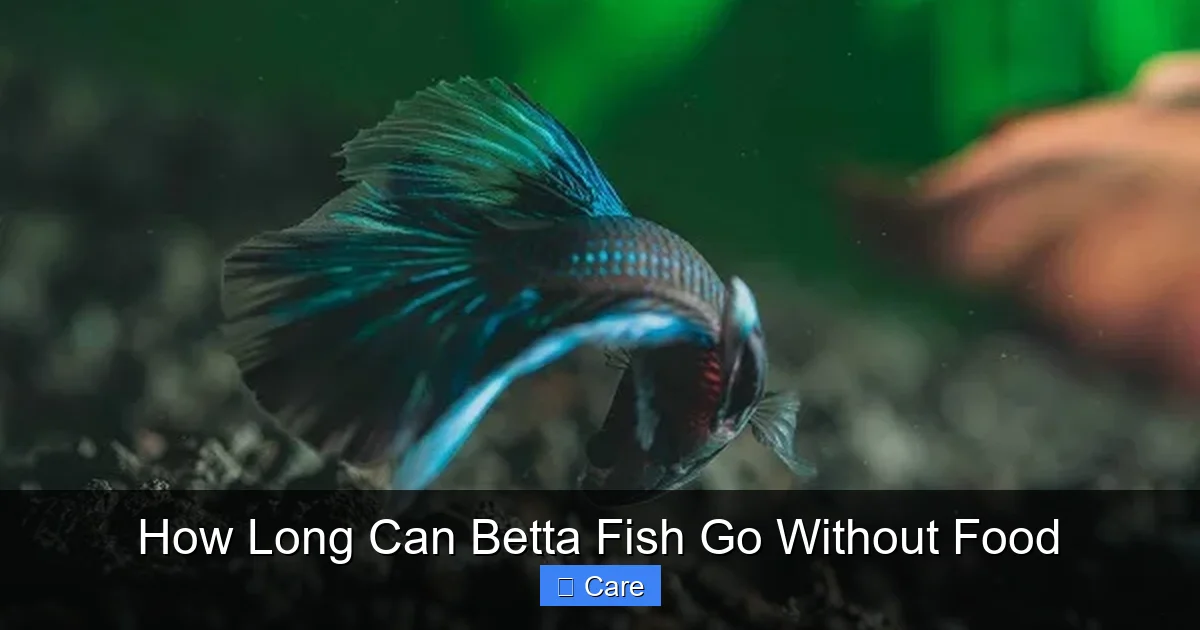
Visual guide about How Long Can Betta Fish Go Without Food
Image source: report-e.com
1. Water Quality: The Non-Negotiable Priority
This cannot be stressed enough. A betta in crystal-clear, ammonia- and nitrite-free water at the correct temperature has a significantly better chance of weathering a short fast. In dirty water, toxins build up rapidly. A fasting betta’s body, already under stress from lack of energy intake, must divert resources to cope with toxic exposure, accelerating decline. A partial water change during a fast (if you must be away) is far more important than worrying about feeding. Clean water is the foundation of all betta health.
2. Age and Overall Health
A young, vibrant betta under 2 years old has robust reserves and a strong immune system. An older betta (3+ years) or one recovering from illness like fin rot or velvet has minimal energy stores. An underweight betta, often visible by a concave belly or sharp, prominent fin bases, is in a precarious state and should be fed high-quality, nutritious food daily. For these vulnerable fish, even 3-4 days without food can be a severe setback.
3. Water Temperature
Betttas are tropical fish, thriving between 78°F and 80°F (25.5°C – 26.5°C). Their metabolism is directly tied to temperature. At 78°F, their bodily processes are steady. If the temperature drops to 72°F, their metabolism slows considerably. In this cooler state, they require less energy and *might* extend their fasting tolerance slightly. However, temperatures that are too cool (below 76°F) suppress their immune system and are inherently stressful. Never deliberately cool a betta’s tank to extend a fast; the risks far outweigh any theoretical benefit.
4. Stress Levels
A stressed betta burns energy faster. Stressors include: aggressive tank mates, loud noises/bright lights near the tank, poor water parameters, improper tank size (less than 5 gallons is stressful), and lack of hiding places. A stressed betta will deteriorate much quicker during a fast than one in a calm, enriched environment with proper tankmates (or solitude, which is often best).
5. Body Condition and Fat Reserves
You can’t see a betta’s fat, but you can assess body condition. A healthy betta has a full, muscular body, especially in the abdominal area. The body should flow smoothly from the head to the tail base. A thin or emaciated betta, where the body looks pinched or the skull shape is visible, has no reserves. These fish cannot fast at all without significant risk.
The Real Danger: Overfeeding and Its Consequences
While the focus is on going without food, it’s crucial to understand that feeding *too much* is the far more common and deadly mistake for betta owners. Overfeeding sets off a chain reaction of health problems.
Visual guide about How Long Can Betta Fish Go Without Food
Image source: wildbettablog.com
Digestive Issues and Swim Bladder Disorder
Betttas have small stomachs, about the size of their eye. Feeding them more than 2-3 pellets (or the equivalent) per meal overwhelms their digestive tract. This often leads to constipation, which manifests as a bloated abdomen and lethargy. More severely, the pressure from an impacted gut can press against the swim bladder, causing swim bladder disorder (SBD). A betta with SBD may float upside down, sink and struggle to rise, or swim erratically. This is painful and can be fatal if not addressed quickly. The first treatment for SBD is almost always a 24-48 hour fast to clear the system, followed by a bland diet like a cooked, skinned pea.
Pollution and Poor Water Quality
Uneaten food and excess waste from overfeeding decompose rapidly in the warm betta tank. This spike in organic matter causes ammonia and nitrite levels to skyrocket. These toxins burn a betta’s gills and skin, leading to respiratory distress, lethargy, and increased susceptibility to disease. You will often see a betta gasping at the surface if water quality has collapsed from overfeeding. This cycle—overfeed -> dirty water -> stressed, sick betta -> owner thinks fish is hungry and feeds more—is a primary cause of premature betta death.
Obesity and Fatty Liver Disease
Chronic overfeeding leads to obesity. You can see a betta become visibly round and “puffy.” Internally, fat accumulates around vital organs, including the liver, leading to fatty liver disease. This severely impairs organ function and shortens lifespan. An obese betta is a unhealthy betta, and the condition is difficult to reverse.
How Long Can They *Safely* Go Without Food? A Practical Guide
Given the factors above, here is a practical framework for understanding fasting periods. Remember, “surviving” is not the same as “being healthy.”
Visual guide about How Long Can Betta Fish Go Without Food
Image source: thegoldfishtank.com
For a Healthy Adult Betta (1-2 Years Old) in Prime Condition
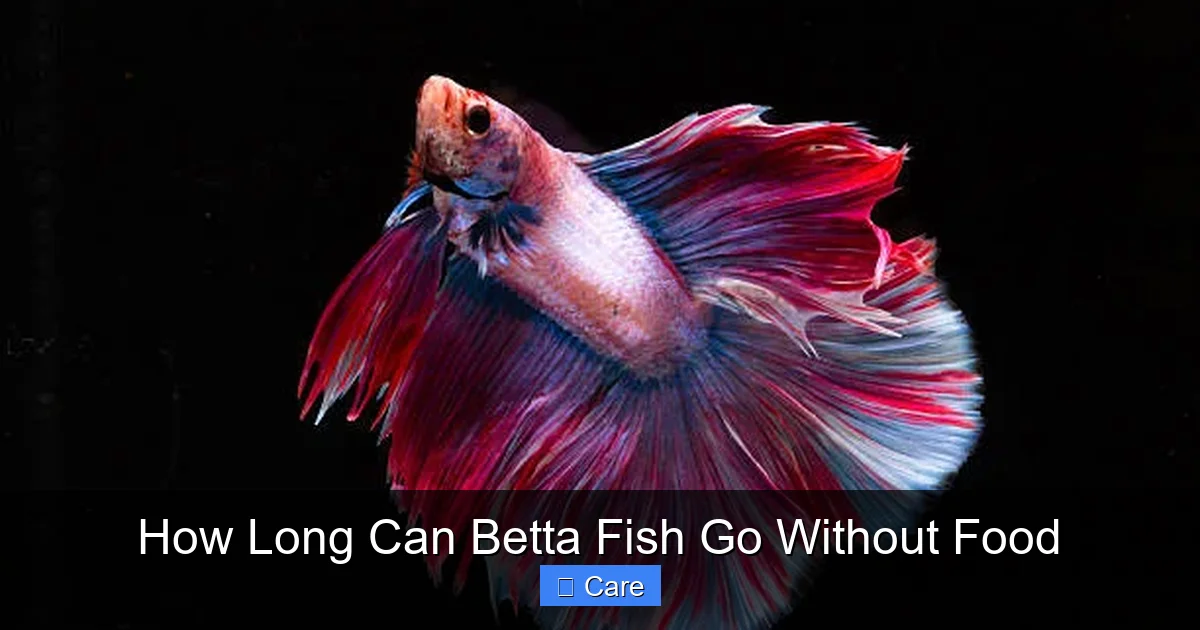
- 24-48 Hours: Completely safe and often beneficial. Many keepers fast their bettas once a week to aid digestion. A planned 2-day fast before a trip is low-risk if water quality is excellent.
- 3-5 Days: Generally manageable for a healthy betta in a clean, warm tank. You may notice reduced activity and less vibrant colors. This is the absolute maximum for a “safe” unplanned fast (e.g., you were unexpectedly hospitalized).
- 6-10 Days: Entering the danger zone. The betta will be lethargic, may lose noticeable body condition, and its immune system will be severely compromised. Even if it survives, it will be weakened and prone to illness afterward.
- 10-14 Days: This is the extreme outer limit of *survival* for a very robust individual in perfect water. It is not “safe.” Significant muscle wasting and organ stress will occur. Recovery is difficult, and many fish will perish during or shortly after this period.
For Vulnerable Bettas: The “No Fasting” Rule
The following groups should never be subjected to intentional or prolonged unintentional fasting:
- Fry (Baby Bettas): They have minuscule energy reserves and need to eat multiple times daily to support rapid growth. Missing even one feeding can be fatal.
- Sick or Injured Bettas: Their bodies need energy to fight infection and heal. Withholding food hinders recovery.
- Underweight Bettas: These fish are already in an energy deficit. They need nutrient-dense food daily to build condition.
- Elderly Bettas (3+ years): Their metabolism and organ function are declining. They need consistent, easily digestible nutrition.
Emergency Situations & Planned Absences: What to Do
Life happens. You might have an emergency trip, a family crisis, or a power outage. Planning for your betta’s care during your absence is a non-negotiable part of responsible ownership.
For Short Trips (2-3 Days)
This is the easiest scenario. Perform a large water change (50-75%) the day before you leave. Ensure the tank is clean, the filter is functioning, and the heater is reliable. A healthy betta can easily handle a 72-hour fast. Do not use a “weekend feeder” block. These are typically made for community tanks and release food too slowly, polluting the water. They are not suitable for a solitary betta.
For Longer Trips (4-7+ Days)
You must have a care plan. Do not rely on your betta’s ability to fast. Your options:
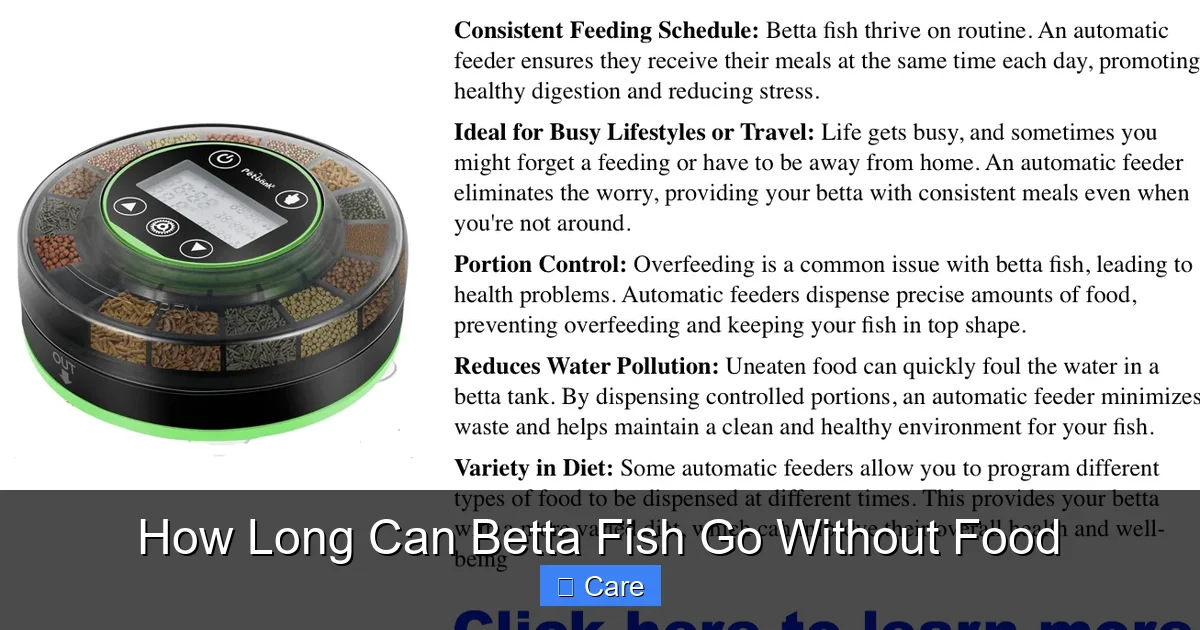
- Automatic Feeder: The best solution. Invest in a reliable, battery-backup automatic feeder. Program it to dispense 1-2 pellets once daily. Test it thoroughly before your trip.
- Pet Sitter/Friend: Provide clear, written instructions. Show them exactly how much to feed (use a measuring spoon or pre-portioned daily containers). Emphasize: “One pinch of pellets, once a day. No more.”
- Slow-Release Food Blocks (with caution): Products like “Betta Vacation Feeder” are designed for longer trips. They are better than generic blocks but still dissolve and pollute water. Use only for the absolute maximum of 7 days in a well-filtered, larger tank (5+ gallons), and perform a massive water change immediately upon your return. Not ideal.
During a Power Outage or Filter Failure
This is a critical emergency. The lack of filtration is a bigger immediate threat than lack of food. Focus on maintaining oxygen (a battery-powered air stone is excellent) and performing frequent partial water changes with dechlorinated water to remove toxins. Do not feed during this time, as the fish will be stressed and uneaten food will rot instantly.
Best Feeding Practices for a Long, Healthy Life
Preventing the need to worry about fasting starts with excellent daily care. Here is the gold standard for betta nutrition.
Quality Over Quantity
Feed a high-quality, betta-specific pellet as the staple. Look for ingredients where whole fish, shrimp, or squid are the first few items. Avoid fillers like wheat, soybean meal, and rice. Supplement 2-3 times a week with frozen or live foods: daphnia, bloodworms, or brine shrimp. These are high in protein and help mimic a natural diet. Rule of thumb: Feed an amount your betta can consume in 2-3 minutes, once or twice a day. Any uneaten food should be immediately siphoned out with a turkey baster.
The Importance of a Varied Diet
Just like us, bettas need a range of nutrients. A diet of only pellets, even high-quality ones, can lead to nutritional deficiencies. Frozen foods provide essential vitamins and minerals. Daphnia, in particular, is excellent as a natural laxative to prevent constipation. Rotating between a high-quality pellet, a frozen food, and occasionally a blanched pea (for fiber) creates a balanced diet.
Establishing a Routine
Feed at the same times each day. Bettas are smart and will learn your schedule. They may become more active and “beg” near feeding time. This routine provides mental stability and regulates their metabolism. Consistency is a form of enrichment and reduces stress.
Water Changes Are Non-Negotiable
Even in a filtered tank, weekly water changes of 25-30% are essential. This removes dissolved waste (nitrates) that filters can’t eliminate and replenishes trace minerals. In an unfiltered bowl (which is not recommended), 50% changes 2-3 times per week are necessary. Clean water is the single most important factor in a betta’s health and its ability to withstand minor disruptions like a fast.
Conclusion: A Balanced Perspective on Betta Fasting
So, how long can a betta fish go without food? The technical answer is up to two weeks, but the responsible, caring answer is: as long as it takes for you to implement a proper feeding plan. Your betta’s hardy lineage gives it a margin of error, but it does not grant a license for neglect. The goal of betta ownership is to help your fish thrive, not merely survive. Thriving means vibrant colors, active exploration, flaring playfully, and building bubble nests. It means a robust immune system that resists disease.
Achieving this requires consistent, appropriate nutrition paired with impeccable water quality. View feeding not as a chore, but as a fundamental act of care and a key to bonding with your fish. Watch it eat, observe its preferences, and adjust accordingly. If you must be away, plan ahead with an automatic feeder or a trusted caretaker. By understanding the realities of betta biology and committing to daily excellence in their care, you will enjoy the company of a healthy, beautiful companion for many years. The occasional missed meal due to a busy day is not a crisis, but making fasting a regular part of your betta’s life is a choice that will inevitably lead to a weakened, sickly, and shortened life for your aquatic friend.
Frequently Asked Questions
Can I use a “weekend feeder” or “vacation food block” for my betta?
Generally, no. These blocks are designed for slow dissolution in community tanks and often pollute the small volume of a betta tank too quickly. They are not a reliable or healthy solution for a solitary betta. An automatic feeder is a far superior option for trips lasting more than 2-3 days.
My betta isn’t eating. Is it sick, or is it just full?
First, check water parameters immediately. Poor water is the most common cause of appetite loss. If water is pristine, consider if you’ve been overfeeding—a betta’s digestion can slow if constantly full. A lack of appetite for more than 48 hours, especially with lethargy or clamped fins, is a sign of potential illness (like swim bladder issues, constipation, or internal parasites) and requires investigation.
Should I fast my betta regularly to “clean out” its system?
A single, planned 24-hour fast once a week or month is a common practice to aid digestion and prevent constipation, especially if you feed rich foods like bloodworms. However, this is not necessary for all bettas. If your betta has regular, healthy bowel movements (you’ll see tiny, dark pellets), routine fasting isn’t needed. It is primarily a tool for addressing specific issues like bloat.
What are the first signs that my betta is starving?
Signs of underfeeding or starvation are subtle at first but include: lethargy and resting at the bottom more often, loss of vibrant color, a visibly concave or shrunken abdomen, pinched fin bases, and a sharp, bony appearance near the head. A severely starving betta may also show increased aggression or frantic searching behavior at the surface.
If I’m doing a water change during a fast, do I still need to add water conditioner?
Absolutely. Tap water contains chlorine and chloramines, which are deadly to fish. You must treat *all* water entering the tank with a complete water conditioner, regardless of whether you are feeding or not. This is a critical step in maintaining safe water during any period, especially when the fish’s health is already under stress from a fast.
Can betta fish eat algae or plants in their tank for sustenance?
No. Bettas are carnivores by nature. Their digestive systems are not designed to process plant matter efficiently. While they may peck at algae out of boredom, they derive no meaningful nutrition from it. Relying on tank algae will lead to malnutrition, a weakened immune system, and eventual health decline. They require protein-based foods to thrive.