What’s the Best Water Temperature for Betta Fish
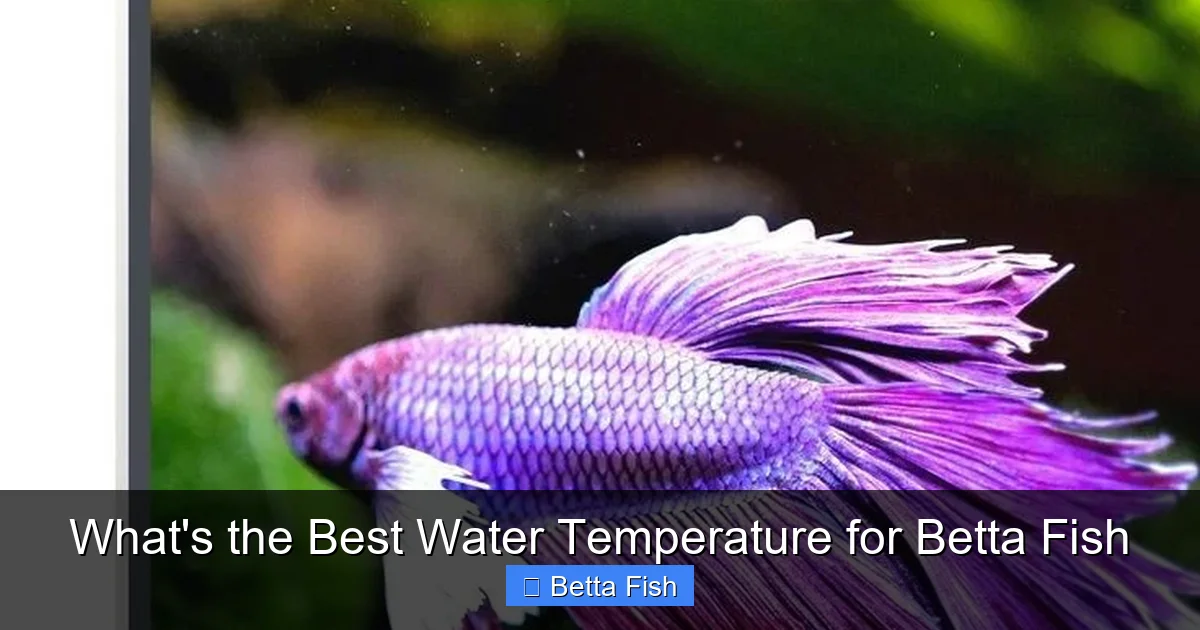
Betta fish are tropical animals that require a consistently warm water environment to thrive. The ideal water temperature for a betta fish is a stable range between 78°F and 80°F (25.5°C to 26.5°C). Using an adjustable aquarium heater with a thermostat is non-negotiable for most homes, as room temperature is rarely stable or warm enough. Fluctuations and temperatures outside this range severely stress bettas, weakening their immune system and leading to disease. Consistency is more critical than hitting an exact number.
Key Takeaways
- Ideal Range: The best water temperature for betta fish is a stable 78°F to 80°F (25.5°C to 26.5°C), mimicking their native Southeast Asian tropical waters.
- Stability is King: A consistent temperature is far more important than a precise number. Rapid swings of even 2-3 degrees cause dangerous stress.
- A Heater is Essential: Unless your home is a constant 78-80°F year-round, a fully submersible, adjustable aquarium heater with a thermostat is mandatory equipment.
- Never Use “Fixed” Heaters: Avoid preset, non-adjustable “beta bowl” heaters. They lack thermostats, can overheat, and provide no control, posing a fatal risk.
- Always Use a Thermometer: You cannot trust a heater’s built-in gauge alone. A separate, accurate glass or digital thermometer is crucial for monitoring.
- Cold is a Silent Killer: Temperatures below 76°F slow a betta’s metabolism, suppress its immune system, and make it vulnerable to diseases like swim bladder disorder and fin rot.
- Heat is Equally Dangerous: Temperatures above 82°F accelerate metabolism, increase stress, deplete oxygen, and can lead to organ failure or boils on the fish’s body.
📑 Table of Contents
- Introduction: Beyond the Beautiful, Misunderstood Siamese Fighting Fish
- The Tropical Truth: Understanding Your Betta’s Natural Habitat
- The Goldilocks Zone: Defining the Ideal Temperature Range
- Equipment Essentials: How to Achieve and Maintain the Perfect Temperature
- Seasonal & Practical Maintenance: Keeping Your Betta Comfortable Year-Round
- Common Mistakes & Troubleshooting: Why Your Betta Might Still Be Stressed
- Conclusion: Temperature as the Foundation of Health
Introduction: Beyond the Beautiful, Misunderstood Siamese Fighting Fish
You’ve likely seen them: a vibrant, flowing Betta splendens, seemingly content in a small, decorative vase on a desk or windowsill. This iconic image, however, is one of the most pervasive and harmful myths in the aquarium hobby. That beautiful betta in a cold, stagnant bowl is not thriving; it is slowly suffering, its immune system compromised, its lifespan drastically shortened. The single most critical environmental factor for a betta’s health and vitality is water temperature. Getting the best water temperature for betta fish right isn’t a luxury—it’s a fundamental requirement of responsible ownership.
This guide will dismantle the “betta in a bowl” myth once and for all. We will dive deep into the tropical origins of the betta, explain precisely why the 78°F to 80°F range is the scientific sweet spot, and provide actionable, foolproof advice on selecting and using equipment to maintain that perfect, stable environment. Your betta’s color will deepen, its activity will increase, and its resilience to disease will soar when you master its thermal needs.
The Tropical Truth: Understanding Your Betta’s Natural Habitat
To understand the best water temperature for betta fish, we must journey to their homeland. Bettas are native to the shallow, slow-moving waters of Thailand, Cambodia, Vietnam, and Malaysia—rice paddies, drainage ditches, and warm, stagnant ponds. These are not cool, clear mountain streams. They are tropical ecosystems where the sun beats down relentlessly, and water temperatures consistently hover between 75°F and 85°F (24°C to 29°C). The key word here is “consistently.”
Visual guide about What’s the Best Water Temperature for Betta Fish
Image source: ouraquariumlife.com
The Myth of the “Hardy” Cold-Water Fish
One of the oldest and most dangerous misconceptions is that bettas are “hardy” and can live in unheated bowls or room-temperature water. This stems from their ability to survive in poor conditions—a trait of *survival*, not *thriving*. A betta can live for months in 72°F water, but it is not *healthy*. Its bodily functions slow to a crawl. Its digestive system struggles, often leading to constipation and swim bladder issues. Its immune system becomes virtually inert, allowing opportunistic bacteria and fungi to take hold. This perceived “hardiness” is actually a tolerance for misery. Providing the correct, warm temperature is the first and most powerful step in preventing almost all common betta ailments.
Why Shallow, Warm Waters Matter
The shallow nature of their habitat is crucial. Sunlight penetrates to the bottom, heating the entire water column uniformly. There is no thermocline (a layer of drastically different temperature). The water is also often low in dissolved oxygen. Warmer water holds less oxygen, but bettas have evolved a special respiratory organ—the labyrinth—that allows them to gulp atmospheric air from the surface. This adaptation is perfectly suited to their warm, oxygen-poor native environment. Replicating this warmth in captivity is therefore not an option; it is an obligation.
The Goldilocks Zone: Defining the Ideal Temperature Range
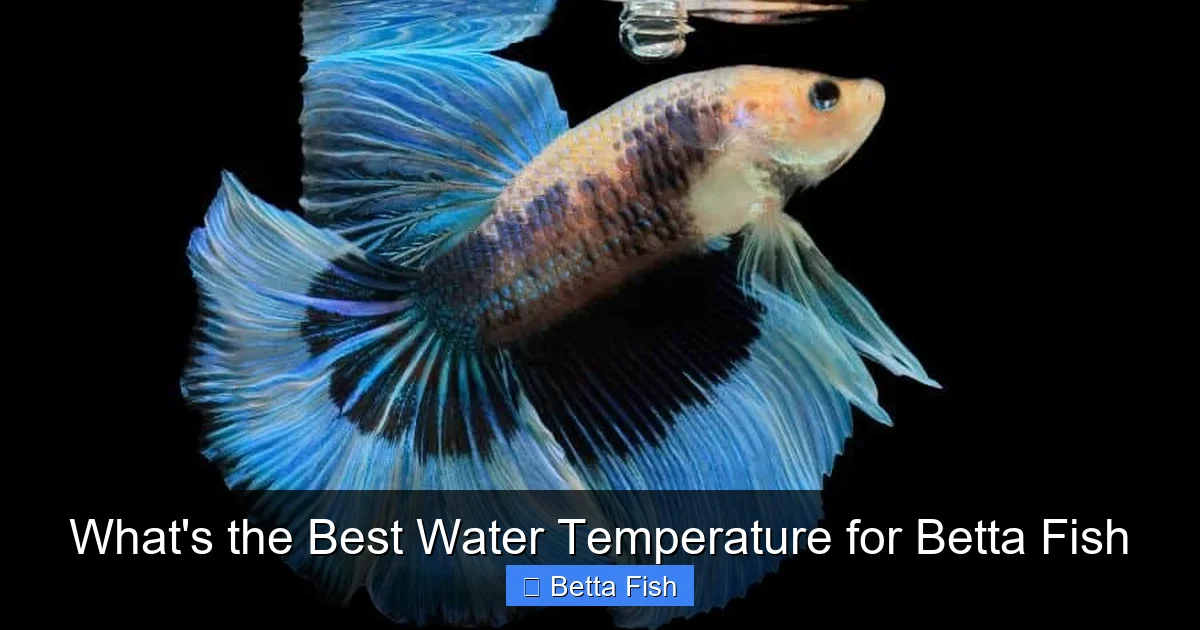
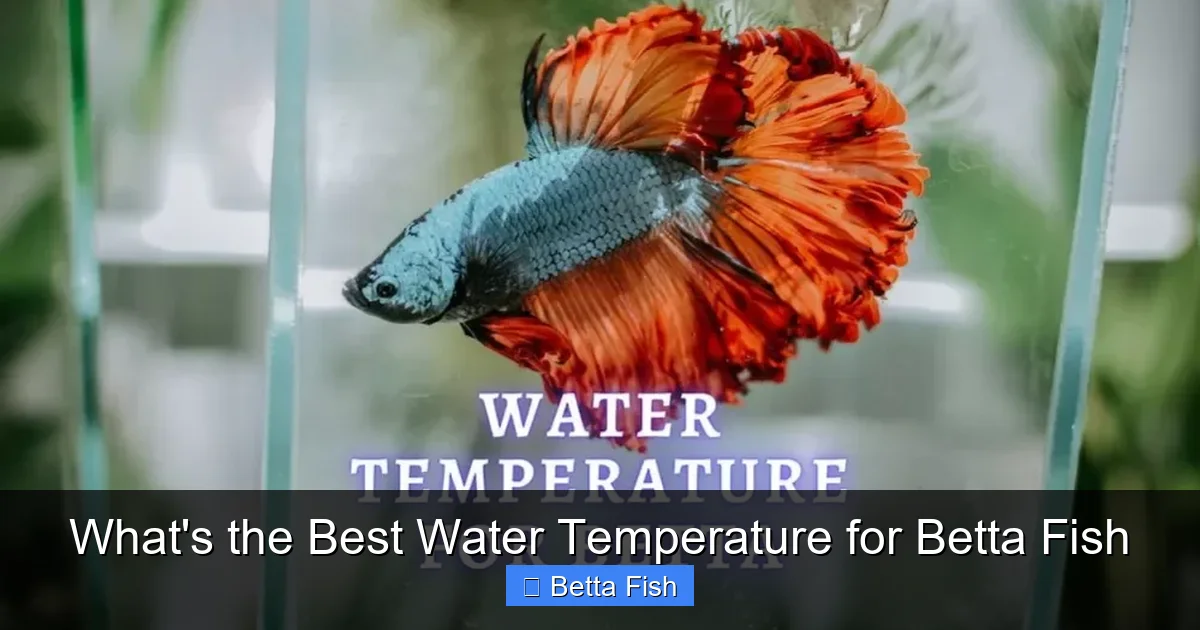
So, what is the magic number? While their native range is broad, the consensus among reputable breeders, veterinarians, and ichthyologists is clear. The optimal, safest, and most beneficial water temperature for betta fish in captivity is a stable 78°F to 80°F (25.5°C to 26.5°C).
Visual guide about What’s the Best Water Temperature for Betta Fish
Image source: img.thepets.net
Why 78-80°F is the Sweet Spot
This range is a perfect compromise that supports all of a betta’s biological systems without pushing them into overdrive. At this temperature:
- Metabolism: Runs at an ideal, efficient pace. Digestion is swift (reducing constipation and bloating), and energy levels are high, encouraging active exploration and beautiful fin displays.
- Immune Function: Is fully operational. White blood cells are most active in this range, providing a robust defense against pathogens like *Aeromonas* (causing fin rot) and *Saprolegnia* (fungal infections).
- Labyrinth Organ: Functions optimally. The betta can comfortably breathe atmospheric air without excessive gulping, which is a sign of stress or low oxygen.
- Stress Levels: Are minimized. A comfortable betta is a colorful, curious, and interactive pet.
The Dangers of Too Cold: Below 76°F
When water drops below 76°F (24.4°C), a betta’s metabolism slows dramatically. This is the primary cause of constipation and swim bladder disorder—a condition where the fish floats upside down or sinks, unable to control its buoyancy. A cold betta is a lethargic betta, often resting listlessly on the tank bottom. Its immune system essentially goes on strike, making it a sitting duck for any disease present in the tank. Chronic cold stress is a leading cause of mysterious, untreatable illnesses in bettas.
The Perils of Too Hot: Above 82°F
While less common than cold stress, overheating is equally lethal. Temperatures above 82°F (27.8°C) speed up the betta’s metabolism to a frantic, unsustainable rate. This burns energy reserves, increases metabolic waste production, and drastically reduces dissolved oxygen in the water. A betta in overheated water will gasp at the surface, its gills moving rapidly. Prolonged exposure can cause boils (small, red, pus-filled lesions) and lead to organ failure. Heat also accelerates the lifecycle of parasites like Ichthyophthirius multifiliis (Ich).
The Critical Principle: Stability Over Perfection
Here is the most important rule: a stable 77°F is infinitely better than a fluctuating 79°F. Bettas are extremely sensitive to sudden temperature changes. A drop of 4-5 degrees from a cold water change or a heater failure can send a betta into immediate, severe shock. The goal is to create an environment where the temperature varies by no more than 1-2 degrees over a 24-hour period. This eliminates thermal stress, which is a root cause of countless health problems.
Equipment Essentials: How to Achieve and Maintain the Perfect Temperature
Knowing the best water temperature for betta fish is useless without the right tools to achieve it. Forget the “betta bowl” kits sold at big-box stores. They are often inadequate and dangerous. Here is your essential, safe equipment list.
Visual guide about What’s the Best Water Temperature for Betta Fish
Image source: aquamarinepower.com
The Non-Negotiable Heater: Your #1 Investment
For any tank under 5 gallons in a typical room, a heater is not optional. It is required. When shopping, look for these features:
- Fully Submersible: Can be placed anywhere in the tank, allowing for better water circulation and hiding.
- Adjustable Thermostat: This is the golden rule. You must be able to set and fine-tune the exact temperature. Preset, non-adjustable heaters are a gamble—they either underheat or, worse, overheat and cook your fish.
- Thermostat Accuracy: Read reviews. A good heater will maintain temperature within ±1°F. Cheap ones can swing 3-4 degrees.
- Automatic Shut-Off: A safety feature that turns the heater off if it runs dry or malfunctions.
- Appropriate Wattage: A general rule is 2.5-5 watts per gallon. For a standard 2.5-5 gallon betta tank, a 25-watt heater is perfect. Over-wattage can cause rapid, dangerous heating.
Wattage Guide for Common Betta Tank Sizes
- 2.5 Gallon: 25 Watt Heater
- 5 Gallon: 50 Watt Heater (or a high-quality 25W if room is warm)
- 10 Gallon: 50 Watt Heater
Pro Tip: Place the heater near a water current (like a filter output) to distribute heat evenly. Never let it touch the tank glass or substrate directly.
The Indispensable Thermometer: Your Reality Check
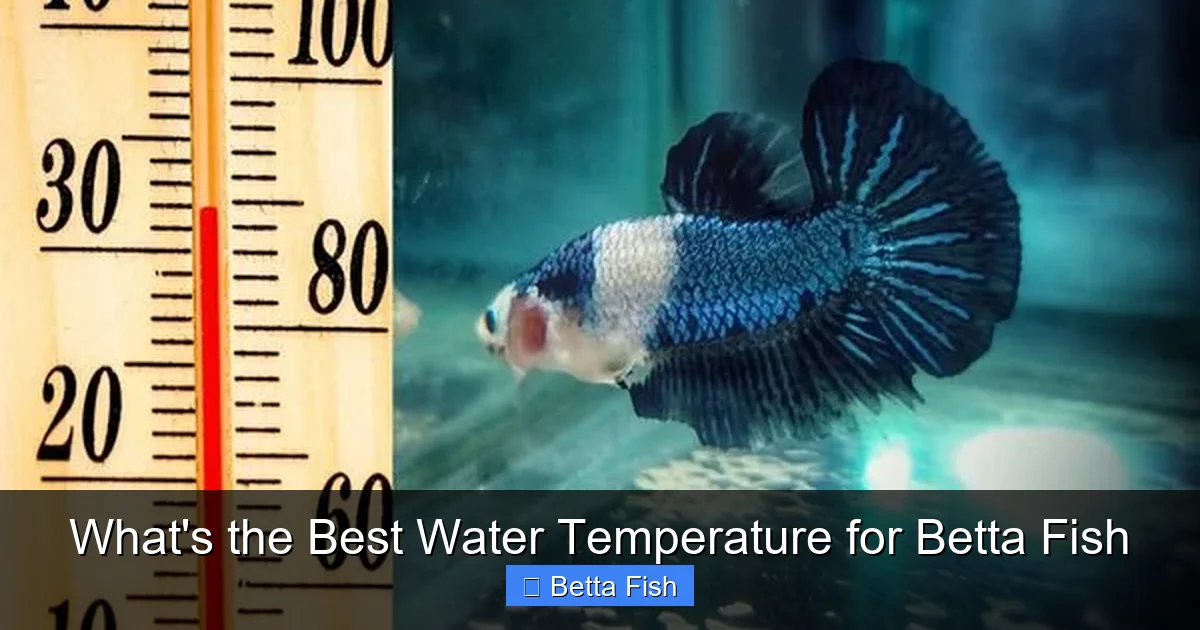
You cannot trust the heater’s dial or built-in sticker. You must verify the actual water temperature with an independent device.
- Glass Stick-On Thermometers: Affordable, reliable, and easy to read. Place on the outside of the tank, away from direct sunlight and the heater.
- Digital Thermometers: More accurate, often with a probe you can place anywhere in the water. Some models have alarms for high/low temps.
- Floating Thermometers: Simple and effective, they float freely and show a clear reading.
Check your thermometer daily, especially after water changes or during seasonal shifts. Calibrate it occasionally against a known-accurate source.
Tank Placement & Environmental Factors
Your heater’s job is harder if the tank is in a drafty spot or in direct sunlight.
- Avoid: Windows (sunlight causes dangerous spikes and algae), air conditioning vents, heating vents, drafty doors/windows, and exterior walls.
- Choose: An interior wall, away from direct sun, in a room with stable ambient temperature.
In winter, if your home gets very cold (below 68°F), you may need to insulate the tank with a blanket or foam board on the sides and back to help the heater maintain temperature and save energy.
Seasonal & Practical Maintenance: Keeping Your Betta Comfortable Year-Round
Setting up your equipment is step one. Daily and seasonal maintenance ensures the best water temperature for betta fish is maintained consistently.
The Safe Water Change Protocol
Water changes are the #1 cause of temperature shock. Never add cold tap water directly to the tank.
- Prepare the new water: Fill your clean bucket with tap water 12-24 hours in advance. This allows it to reach room temperature and dechlorinate (use a water conditioner).
- Match Temperatures: Use your thermometer to ensure the new water is within 1-2 degrees of the tank water. If it’s too cold, let it sit longer. If it’s too warm, add a little cool tap water and mix.
- Change Slowly: Replace no more than 25-30% of the water at a time. A slow drip or gentle pouring minimizes thermal disturbance.
Power Outage & Heater Failure Preparedness
What happens when the heater stops working? You need a plan.
- For Short Outages (a few hours): A well-insulated tank (with a lid) in a warm room will lose only 1-2 degrees per hour. Do not panic.
- For Extended Outages (winter): Have emergency supplies: Styrofoam insulation for tank walls, and bottles of warm (not hot) water sealed and floated in the tank to slowly release heat. Never use boiling water or heat packs directly on the glass.
- Always Test Your Heater: Before first use and every 6 months, place it in a bucket of water with a thermometer to ensure it accurately reaches and maintains the set temperature.
Summer Overheating: The Other Crisis
If your room soars above 85°F, your heater will shut off, but the ambient heat can still cook your tank.
- Use a Fan: Point a small desk fan at the water surface to promote evaporation cooling. This is very effective.
- Ice Bottles: As a last resort for extreme heat, float sealed bottles of *ice-cold* water (not ice cubes, which melt too fast and cause rapid swings). Replace them as they melt.
- Turn Off Lights: Aquarium lights generate heat. Turn them off during the hottest part of the day.
Common Mistakes & Troubleshooting: Why Your Betta Might Still Be Stressed
You have the heater, the thermometer, and the right tank. But your betta is still lethargic or clamping its fins. Here’s what could be wrong.
Mistake 1: The “Heater Only” Fallacy
Many owners buy a heater but place it in a tiny, uncycled 1-gallon bowl. The small water volume is impossible to keep thermally stable. Temperature swings wildly with every room change. Solution: The minimum tank size for a betta is 5 gallons. This volume provides a stable thermal and chemical environment, making temperature control achievable and reliable.
Mistake 2: Ignoring the “Room Temperature” Myth
“My house is 75°F, that’s fine, right?” Maybe. But what about at night when the heat drops? What about during a cold snap or a summer AC blast? Solution: Do not assume. Use your thermometer. Your heater should be running 24/7/365 to maintain the set point, regardless of the season, unless your home is magically and constantly 78-80°F.
Mistake 3: Using a Heater That’s Too Powerful
A 100-watt heater in a 3-gallon tank is a recipe for disaster. It will heat the water far too quickly, overshooting the set point and causing dangerous spikes. Solution: Always match heater wattage to your tank size. When in doubt, choose a lower wattage and use a reliable thermometer to monitor.
Mistake 4: Not Accounting for Tank Size & Shape
A long, shallow tank (like a 10-gallon “long”) loses heat faster from its large surface area than a tall, narrow 10-gallon “standard” tank. Solution: In open-top tanks or tanks with large surface areas, you may need a slightly higher-wattage heater or better insulation to compensate for evaporative cooling.
Troubleshooting: My Thermometer Says 78°F, But My Betta is Acting Cold
Check for these hidden issues:
- Thermometer Placement: Is it next to the heater? It will read artificially high. Place it on the opposite side of the tank.
- Heater Location: Is it buried in substrate or against the glass? It needs clear water flow around it to distribute heat.
- Faulty Heater: The heater may be failing and not actually producing heat. Test it in a bucket.
- Drafts: Is there an AC vent or draft hitting the tank surface?
Conclusion: Temperature as the Foundation of Health
Providing the correct water temperature for betta fish is the single most impactful thing you can do for your pet’s welfare. It is the foundation upon which all other aspects of care—clean water, proper diet, enrichment—are built. A betta kept at a stable 78-80°F in a properly sized, heated tank will reward you with explosive color, playful curiosity, and a robust constitution that can resist the common diseases that plague so many of these magnificent fish.
Move your betta out of the decorative bowl and into a filtered, heated, cycled aquarium of at least 5 gallons. Invest in a quality adjustable heater and a reliable thermometer. Become the guardian of a stable thermal environment. In doing so, you transform your betta from a misunderstood “hardy” fish into the vibrant, interactive jewel of the aquatic world it was always meant to be. You are not just keeping a fish; you are providing a slice of its tropical paradise, right in your living room.
Frequently Asked Questions
Can a betta fish survive without a heater?
A betta can *survive* for a time in room temperature water, but it will not *thrive*. It will become chronically stressed, prone to disease, and likely develop digestive issues. A heater is essential for long-term health in most climates.
What are the signs my betta is too cold?
Signs of cold stress include lethargy (resting on the bottom for long periods), loss of color, clamped fins, lack of appetite, constipation (a swollen, pinecone-like appearance), and frequent gulping of air at the surface.
What are the signs my betta is too hot?
Signs of heat stress include rapid gill movement (gasping), loss of color, frantic swimming, loss of appetite, and in extreme cases, red, open sores or “boils” on the body. The fish may also try to jump out of the tank.
Can I use a heat pad or lamp instead of a submersible heater?
No. Heat pads for tanks are often ineffective and can create dangerous hot spots. Heat lamps dry out the water surface and provide inconsistent heating. A fully submersible, thermostatically controlled aquarium heater is the only safe and reliable method.
How long does it take for a heater to warm up a tank?
This depends on tank size, heater wattage, and room temperature. For a 5-gallon tank with a 50-watt heater starting from 72°F, it may take 4-8 hours to reach and stabilize at 78°F. Always use a thermometer to monitor, not time estimates.
Is it okay if my heater turns on and off frequently?
Yes, this is normal. A functioning heater with a thermostat will cycle on to maintain temperature and turn off once the set point is reached. The goal is for these cycles to be infrequent and for the temperature to remain stable within a 1-2 degree range. If it’s cycling constantly, the tank may be too cold for the setting, the heater may be underpowered, or there is a draft causing rapid heat loss.