What’s the Biggest Betta Fish
The title of “biggest betta fish” belongs to the Giant Betta (Betta anabantoides), a distinct species that can reach 5-7 inches, dwarfing the common Betta splendens. While selectively bred “Giant” varieties of the popular species exist, they rarely surpass 3.5 inches. True giants require specialized care, including massive aquariums and robust filtration, making them a commitment far beyond the typical betta. Understanding the difference between species and strains is crucial for any aquarist considering these impressive fish.
Key Takeaways
- True Giant Species: The Betta anabantoides (Giant Betta) is the largest natural betta species, regularly reaching 5-7 inches, not to be confused with larger strains of Betta splendens.
- Size Spectrum: Common bettas average 2-2.5 inches. “Giant” bred splendens hit 3-3.5 inches. True giants are in a different league, with fins adding substantial length.
- Genetics Over Hype: Size is determined by genetics, not myth. A “giant” label on a common betta often refers to a robust body, not true species-level size.
- Exponentially Greater Care: Larger size means exponentially more waste, requiring a minimum 30-gallon tank for a single true giant, powerful filtration, and meticulous water management.
- Personality Preserved: Despite their size, Giant Bettas retain the classic betta personality—curious, intelligent, and territorial—requiring the same careful tank mate selection.
- Myth Busting: They do not thrive in small “vases” or bowls. The “biggest” betta needs the most space and advanced setup, contradicting common misconceptions about betta care.
- Long-Term Commitment: With proper care, Giant Bettas can live 5+ years, making their significant space and resource requirements a long-term responsibility.
[FEATURED_IMAGE_PLACEHOLDER]
📑 Table of Contents
Debunking the Myth: What Does “Biggest” Really Mean?
When someone asks, “What’s the biggest betta fish?” they’re often picturing a monster fish, something that defies the tiny, colorful fish seen in small cups at pet stores. The answer, however, is a fascinating lesson in taxonomy, selective breeding, and sometimes, plain old marketing hype. To find the true biggest betta, we must first separate two distinct categories: the largest natural species of betta, and the largest selectively bred strains of the world’s most popular betta, Betta splendens. This distinction is the single most important piece of information for any aquarist. Most people are only familiar with Betta splendens, the Siamese fighting fish. Its “giant” varieties are impressive. But the real champions come from a different branch of the betta family tree entirely. Understanding this difference prevents misinformed purchases and ensures you can provide the correct environment for whichever magnificent fish you choose to keep.
The Common Betta splendens: A Baseline for Size
Before we crown a champion, let’s establish the baseline. The standard Betta splendens—the fish you buy at the local aquarium shop—is a small but mighty predator. From the tip of its snout to the end of its caudal fin (when fully flared), a healthy adult typically measures between 2 and 2.5 inches (5-6.5 cm) in total length. Its body, the actual fish sans flowing fins, is often less than 1.5 inches. This compact size is one reason they’re erroneously marketed as perfect for tiny containers. Their waste output, while concentrated, is manageable for a properly cycled tank of 5 gallons or more. All other size discussions are measured against this familiar standard.
The “Giant” Betta splendens: A Product of Selective Breeding
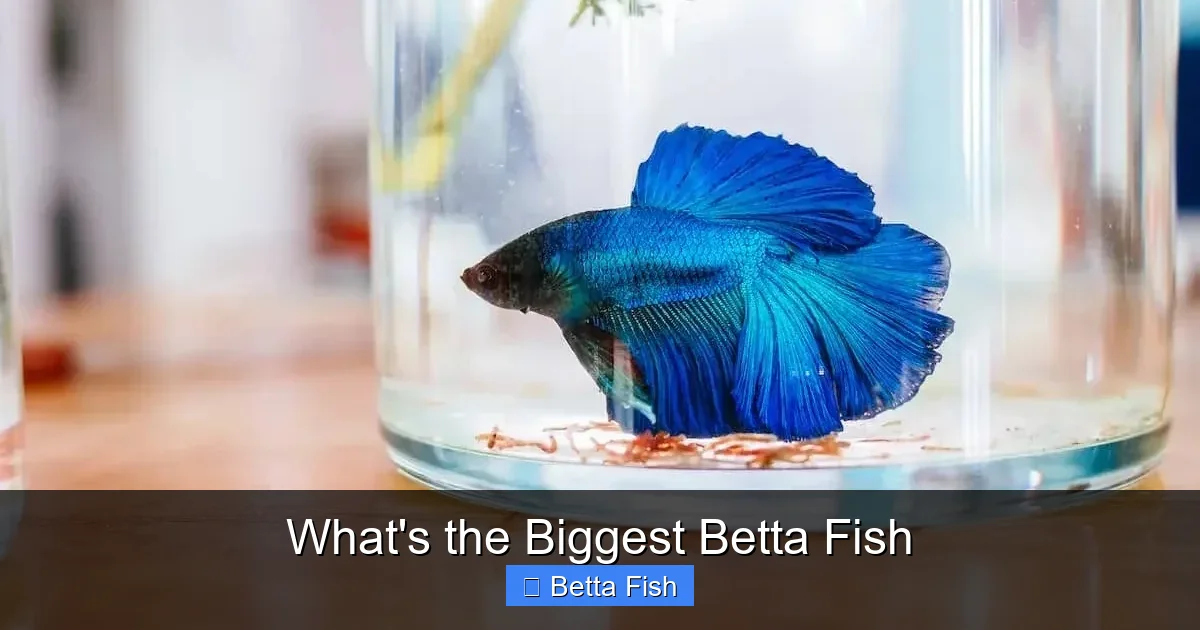
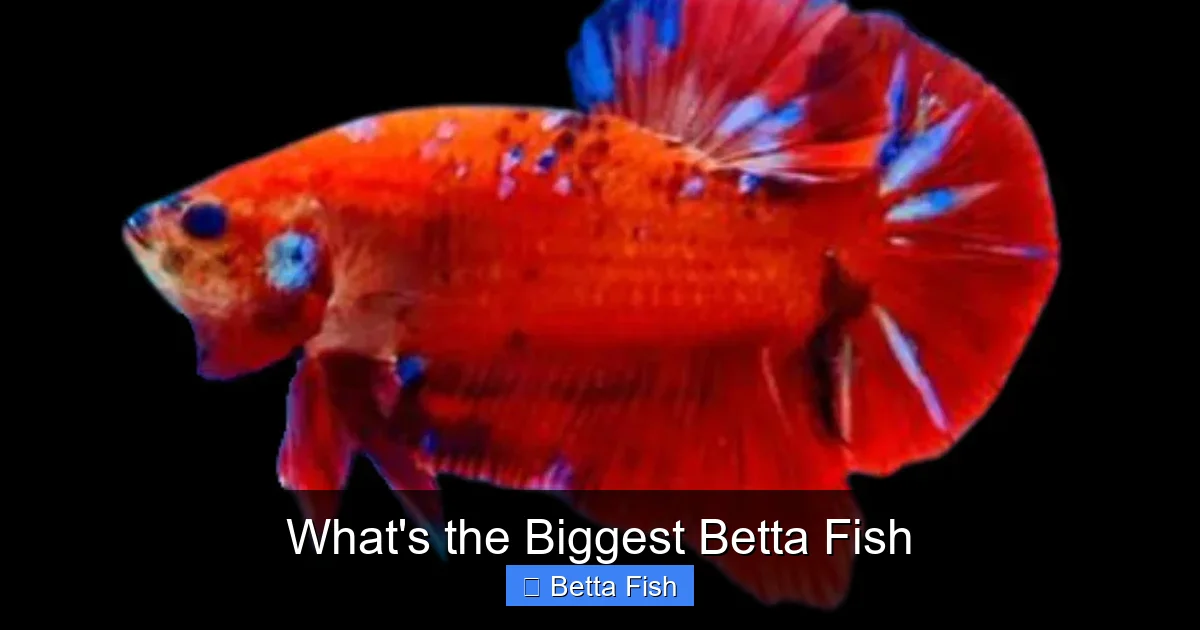
Over decades, dedicated breeders in Southeast Asia and globally have selectively bred larger specimens of Betta splendens for size and substance. These are not a different species, but a strain. They are often marketed as “Giant Bettas,” “King Bettas,” or “Delta/Giant Halfmoons.” A well-bred Giant splendens will have a much heavier, deeper body—often described as “orange-shaped” or “rotund”—and can achieve a total length, including fins, of 3 to 3.5 inches (7.5-9 cm). Their body alone might approach 2 inches. This is a 40-50% increase in body mass over a standard betta. They are stunning, with the same flowing fins and vibrant colors, but on a grander scale. However, they are still Betta splendens. Their care requirements, while slightly more demanding due to increased bioload, are fundamentally the same: a heated, filtered tank of at least 5 gallons (though 10 is more comfortable for a single specimen). They are not the biggest betta fish overall.
The True Champion: Introducing the Giant Betta (Betta anabantoides)
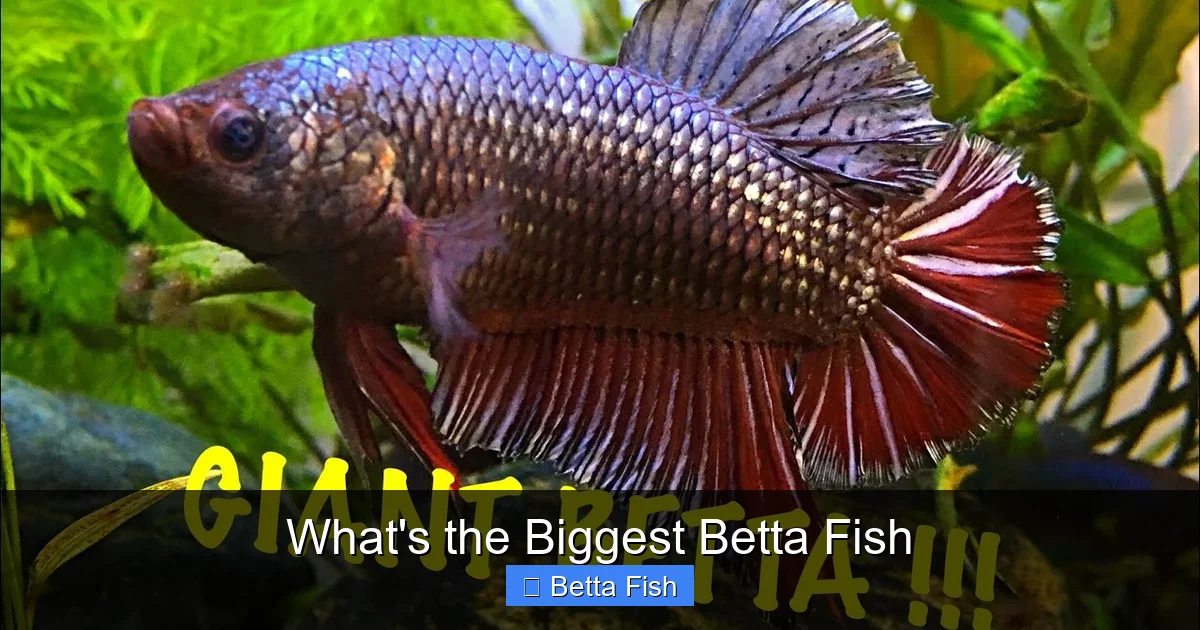
Now, we meet the heavyweight title holder. The Betta anabantoides, commonly known as the Giant Betta, is a completely separate species native to the island of Sumatra in Indonesia. While Betta splendens was first described in 1909, B. anabantoides was officially recognized much later, in the 1980s. In the wild, these are formidable fish, inhabiting shallow, slow-moving streams and rice paddies. They are built for power, not just display. The size difference is not incremental; it is dramatic.
Visual guide about What’s the Biggest Betta Fish
Image source: fishlab.com
Record Sizes and Physical Characteristics
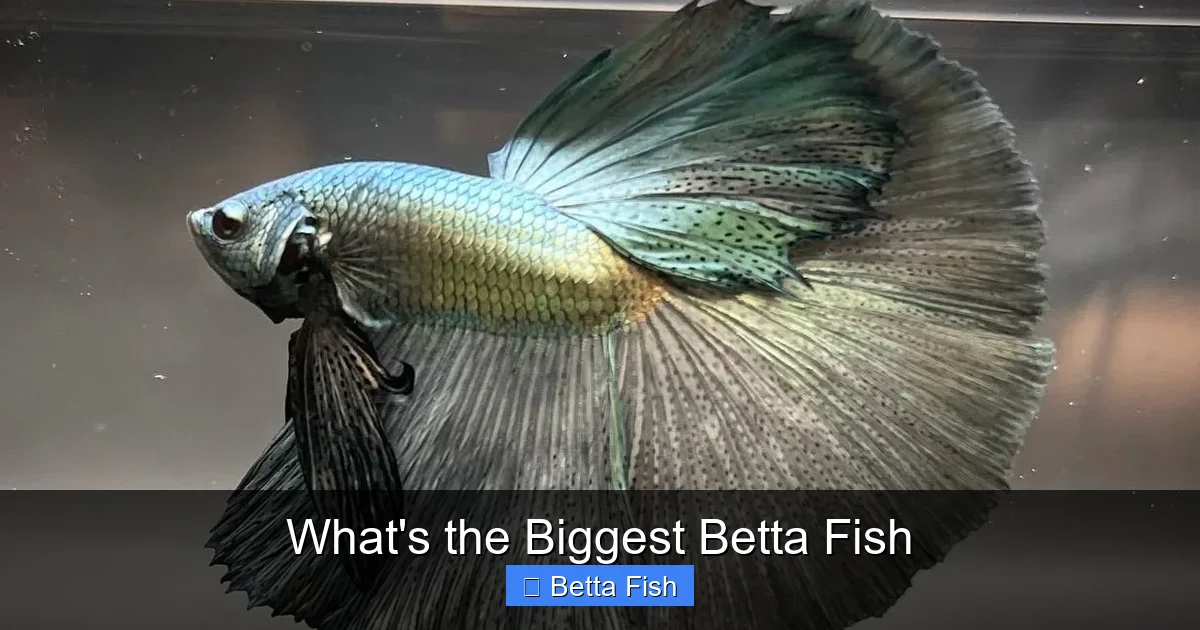
A mature, healthy Giant Betta in captivity routinely reaches a total length of 5 to 7 inches (12-18 cm). There are anecdotal reports and verified records of exceptional individuals stretching to 8 inches, though this is rare. To put that in perspective, a 6-inch Giant Betta is the length of a standard adult’s hand from wrist to fingertip. Its body is thick and muscular, often as wide as a large goldfish. The most striking feature, beyond the sheer scale, is the shape of its caudal fin. Unlike the 180-degree symmetrical spread of a Halfmoon splendens, the Giant Betta’s tail is more rounded and less elaborate, often described as “spade-shaped” or “rounded.” Its pelvic and anal fins are also notably longer and more flowing. The color palette tends toward more muted, earthy tones—olive greens, browns, and rusty reds—though captive-bred varieties now showcase brighter blues and reds. Their build is that of a tank, a true micro-predator.
Behavior and Temperament: A Giant with a Betta’s Heart
Despite their formidable size and wild origins, Giant Bettas share the classic betta personality. They are intensely curious, will recognize their keeper, and can be trained to take food from fingers. However, their territorial aggression is not scaled down. A male Giant Betta will flare at his own reflection with the same fervor—and now with a much larger, more intimidating visage. They are also more likely to see smaller fish as food rather than just rivals. This means careful, deliberate tank mate selection is absolutely mandatory. Suitable tank mates must be robust, non-flashy, and inhabit different tank levels. Fast-moving, schooling fish like large tetras (e.g., black skirt tetras) or silver dollars in a appropriately sized tank can work. Invertebrates like large Amano shrimp or mystery snails are at extreme risk. Their intelligence means they benefit greatly from enrichment: floating logs, live plants, and occasional safe, moving objects to investigate.
Genetics, Breeding, and the Path to Gigantism
How did we get these giants? The story involves both natural selection and human intervention. For Betta anabantoides, its size is a product of its wild environment and evolutionary path. For the Giant strain of splendens, it’s a testament to selective breeding. Understanding this helps appreciate the animal and sets realistic expectations.
Visual guide about What’s the Biggest Betta Fish
Image source: thailandbettafish.com
The Wild Blueprint: Betta anabantoides
In the peat-stained, tannin-rich waters of Sumatra, B. anabantoides evolved to be a dominant micro-predator. It needed size to tackle larger prey—insect larvae, small crustaceans, even tiny fish—and to defend its territory from other large bettas and predators. Its labyrinth organ (a specialized breathing structure) is highly developed, allowing it to gulp atmospheric air in warm, oxygen-poor waters. This adaptation is even more crucial for such a large fish with higher oxygen demands. Importing wild-caught or wild-caught stock (F1 generation) is the only way to guarantee pure anabantoides genetics. They are still somewhat rare in the hobby compared to their splendens cousins, often sourced from specialized breeders.
The Breeder’s Art: Cultivating Giant Splendens
Creating a Giant splendens is a long-term project. Breeders start by identifying the largest, deepest-bodied individuals from their stock—often from lines with known giant ancestry. They pair these “foundation” fish and rigorously cull offspring, keeping only the most robust, fast-growing fry. It takes multiple generations to fix the genes for large size while maintaining good finnage and health. A key challenge is avoiding “dwarf” throwbacks. Nutrition is paramount; high-protein, nutrient-dense foods are fed from the very first brine shrimp nauplii. The result is a fish that looks like a splendens but on a much more substantial frame. However, even the best Giant splendens strain will not reach the sheer bulk of a true anabantoides. The genetic ceiling is simply lower.
The Ultimate Care Guide for a Giant Betta
Here is the most critical section. The biggest betta fish has the biggest needs. Applying standard betta care guidelines to a 6-inch fish is a recipe for disaster, poor health, and a shortened lifespan. The rules change dramatically with scale.
Visual guide about What’s the Biggest Betta Fish
Image source: thailandbettafish.com
Tank Size: The Non-Negotiable Foundation
This cannot be stressed enough. A 5-gallon tank is the absolute minimum for a standard betta. For a Giant Betta (anabantoides), the starting point is a single-specimen tank of 30 gallons (long or breeder style preferred). Why such a leap? It’s about bioload and space. A 6-inch fish produces a volume of waste many times greater than a 2-inch fish. It needs swimming space to exercise its muscles and establish a territory. A 30-gallon tank provides stable water parameters (ammonia and nitrite spikes are far less likely), dilutes waste products, and allows for a proper aquascape with open swimming areas and dense planting or decor for hiding. For a Giant splendens (3.5 inches), a 10-20 gallon tank is a more appropriate and humane minimum. Always choose the largest tank you can accommodate.
Filtration and Water Quality: Power is Key
Standard sponge filters, perfect for small betta tanks, are often inadequate for giants. You need a filter with a flow rate suitable for a 30+ gallon tank. Options include:
- Canister Filters: The gold standard. Provide massive mechanical and biological filtration capacity, customizable flow, and can be plumbed for a gentle, dispersed return that won’t stress the fish.
- Power Filters (Hang-on-Back): Choose a model rated for at least 1.5x your tank’s volume. Ensure the output is directed away from the fish or baffled with a sponge.
- Large Sponge Filters: Multiple large sponges on an air pump can work, but you’ll need significant aeration and very large sponge units (e.g., 10-inch diameter) to handle the bioload.
Regardless of filter type, weekly water changes of 25-50% are mandatory. Use a gravel vacuum to remove detritus from the substrate. Test water parameters (ammonia, nitrite, nitrate, pH, temperature) religiously with a liquid test kit. Nitrates should be kept below 20 ppm. Stable, pristine water is the single biggest factor in preventing disease in these large, long-lived fish.
Heating and Temperature
Giant Bettas, like all bettas, are tropical fish. They require a consistent temperature of 76-82°F (24-28°C). For a large tank, a single high-wattage heater may not be sufficient or may create hot spots. Use two smaller heaters placed at opposite ends to create even heating. A reliable, high-quality aquarium heater with an external controller is a wise investment. Use a separate thermometer to verify the temperature. Avoid temperature fluctuations, as stress from cold water is a common killer.
Diet: Fueling a Large Predator
Feed a varied, high-quality diet. They are carnivores and require protein. A staple of high-quality betta pellets or granules (look for brands with whole fish or shrimp as the first ingredient) should be the base. Supplement 3-4 times a week with:
- Frozen Foods: Bloodworms, brine shrimp, daphnia. Thaw in a cup of tank water first.
- Live Foods: Occasional treats of daphnia, microworms, or small crickets provide excellent enrichment.
- Insects: Small, wingless fruit flies or mosquito larvae are excellent.
Feed only what they can consume in 2-3 minutes, once or twice a day. Overfeeding is the fastest route to poor water quality and constipation/bloat. A fasted day once a week is beneficial.
Tank Setup: Creating a Kingdom for a King
A 30+ gallon tank is a canvas. Your goal is to mimic a slow-moving, vegetated stream. Provide open swimming space in the foreground and mid-water, but also create a complex, structured environment.
Substrate and Hardscape
Use a soft, fine substrate like sand or smooth gravel. Sharp edges can damage their delicate fins and barbels. Incorporate a variety of structures: large, flat stones for resting (betta love to lounge), driftwood (manzanita, mopani), and ceramic or plastic caves. The goal is to break up lines of sight and provide territories. A gravel depth of 2-3 inches allows for planting and beneficial bacteria colonization.
Plants: Function and Beauty
Live plants are highly recommended. They absorb nitrates, provide cover, and reduce stress. Use a mix:
- Rooted Plants: Amazon swords, cryptocorynes, java fern (attach to wood/rock).
- Stem Plants: Rotala, Ludwigia, which create lush mid-water thickets.
- Floating Plants: Essential. Frogbit, water lettuce, or red root floaters create a dim, dappled light effect bettas adore, provide surface resting spots, and help absorb excess nutrients. Keep them trimmed so they don’t cover the entire surface.
If using artificial plants, choose silk varieties with soft leaves. Avoid plastic plants with sharp edges.
Lighting and Cycling
Standard aquarium lighting is fine. If using live plants, ensure the light spectrum and duration (6-8 hours) supports them. The tank must be fully cycled before introducing any betta, especially a giant. The nitrogen cycle establishes beneficial bacteria that convert toxic fish waste. This process takes 4-6 weeks. Use a reliable test kit to confirm ammonia and nitrite are at 0 ppm and nitrates are being processed. Adding a fish to an uncycled tank is a death sentence.
Health, Lifespan, and Common Misconceptions
With pristine water, a proper diet, and a spacious home, Giant Bettas are remarkably hardy and long-lived. This is where the “biggest” title comes with a “biggest” responsibility.
Projected Lifespan: A Decade of Companionship
A well-cared-for Giant Betta can easily live 5 to 7 years, with some reaching 9 or 10. This is significantly longer than the often-maligned 1-2 year lifespan of a betta kept in a tiny, cold, dirty cup. Their larger size and more robust genetics may contribute to this longevity, but it is entirely dependent on the keeper’s diligence. You are making a long-term commitment to a pet that will require a large, permanent piece of furniture (its tank) in your home.
Health Issues: What to Watch For
They are susceptible to the same common betta ailments, but treatment can be more challenging due to tank size.
- Fin Rot: Caused by poor water quality. Look for fraying, blackening, or white edges on fins. Treat with improved water changes and medication (e.g., kanamycin, furan-2) in a hospital tank if severe.
- Ich (White Spot Disease): Classic parasitic infection. Raise temperature slowly to 82-84°F and treat with copper-based medication or malachite green in a quarantine tank.
- Dropsy/Bloat: A symptom, not a disease. Often from overfeeding or internal infection. The fish becomes pinecone-like. Euthanasia is often the kindest option as treatment is rarely successful.
- Swim Bladder Disorder: Difficulty maintaining buoyancy. Usually from constipation (fast for 3 days, then feed a cooked pea) or genetic issues.
Prevention through pristine water quality and a correct diet is 90% of the battle. Always quarantine new fish for 4 weeks in a separate tank before adding them to your main display.
Dispelling the “Biggest” Myths
Let’s clear the air. Myth: “A bigger betta means a tougher betta that can live in a bigger bowl.” False. The opposite is true. Myth: “You can keep a Giant Betta with other big fish easily.” False. Their aggression is species-typical. Myth: “They eat much more than a normal betta.” Partially true. They need more *volume* of food, but not necessarily more *frequent* feedings. Overfeeding is a greater risk. Myth: “They are hard to find.” They are less common than standard bettas, but reputable online breeders specializing in wild-type or giant strains regularly have them available. Do your research.
Frequently Asked Questions
What is the absolute biggest betta fish species?
The Betta anabantoides, or Giant Betta, holds the title as the largest betta species. Native to Sumatra, it regularly reaches 5-7 inches in total length, with some exceptional specimens approaching 8 inches. This is significantly larger than even the biggest selectively bred strains of the common Siamese fighting fish (Betta splendens).
Are Giant Bettas harder to care for than normal bettas?
Yes, they require significantly more advanced care. Their massive size translates to a much larger bioload, demanding a minimum 30-gallon tank with powerful filtration. Water changes must be more substantial and frequent. Their dietary needs are greater, and their territorial aggression is just as potent, making tank mate selection a critical, careful process. They are not a “step up” from a standard betta; they are a different class of pet requiring a commensurate level of commitment and resources.
How long does a Giant Betta live?
With exceptional care—including a large, pristine aquarium, a high-quality diet, and stable warm water—a Giant Betta can live 5 to 7 years on average, with many reaching 9 or even 10 years. This is notably longer than the typical 2-3 year lifespan of a well-cared-for standard betta, making them a serious long-term commitment.
Can I keep a Giant Betta with other fish?
You can, but it’s challenging and requires a very large tank (55+ gallons is ideal). Tank mates must be robust, non-flashy, fast-swimming fish that occupy different levels of the water column, such as large tetras, silver dollars, or certain barbs. They must be introduced to the tank before the betta to allow the betta to claim territory without seeing them as invaders. Small, slow, or fancy-finned fish will be harassed or eaten. Invertebrates like shrimp are generally not safe.
What’s the difference between a “Giant Betta” for sale and a true Betta anabantoides?
This is crucial. A “Giant Betta” labeled at a typical pet store or from a standard breeder is almost certainly a large strain of Betta splendens, bred for a deep body and reaching 3-3.5 inches. A true Betta anabantoides is a different species. It will be larger (5″+), have a more rounded/spade-shaped tail, a thicker, more muscular body, and often more subdued, earthy coloration. It will also require a much larger tank. Always ask the seller for the specific scientific name to be sure.
Do Giant Bettas need a heater and filter?
Absolutely, and they need more powerful ones. As tropical fish, they require a stable temperature between 76-82°F (24-28°C). A reliable aquarium heater is non-negotiable. Due to their size and massive waste output, a standard small sponge filter is woefully inadequate. They require a filter rated for a 30+ gallon tank, such as a canister filter or a large hang-on-back filter, to handle the biological load and keep water crystal clear and safe.