Can I Keep Bettas with Other Fish

Yes, you can keep bettas with other fish, but success depends on temperament, tank size, and careful planning. Male bettas are territorial and often aggressive, while females can sometimes live in groups. Choosing peaceful, fast-swimming tank mates and providing plenty of space and hiding spots dramatically increases your chances of a calm, thriving aquarium.
Key Takeaways
- Bettas can live with other fish, but not every species is compatible. Choosing the right tank mates is essential for a peaceful tank.
- Male bettas are highly territorial and should generally be kept alone or with very carefully selected companions.
- Female bettas can sometimes live in groups called sororities, but this requires a large tank and close monitoring.
- Tank size matters a lot. A minimum of 10–20 gallons gives everyone room to establish territory.
- Good tank mates are peaceful, fast-swimming, and not nippy. Avoid fish with long, colorful fins that resemble other bettas.
- Always have a backup plan. Separate fish immediately if you see signs of aggression or stress.
- Plants, caves, and hiding spots reduce conflict by breaking sight lines and providing shelter.
📑 Table of Contents
- Can You Keep Bettas with Other Fish? The Real Answer
- Understanding Betta Behavior Before Adding Tank Mates
- Can You Keep Male Bettas with Other Fish?
- Can You Keep Female Bettas with Other Fish?
- What Other Fish Can Bettas Live With?
- How to Set Up a Tank for Bettas and Other Fish
- How to Introduce New Fish to a Betta Tank
- Signs Your Betta Is Not Compatible with Other Fish
- Can You Keep Any Other Fish with a Betta, or Are There Limits?
- Practical Tips for a Peaceful Betta Community Tank
- Conclusion: So, Can You Keep Bettas with Other Fish?
Can You Keep Bettas with Other Fish? The Real Answer
If you have ever stared at your beautiful betta and wondered, “Can I keep bettas with other fish?”, you are not alone. This is one of the most common questions in the aquarium hobby. The short answer is yes, sometimes. The longer answer is that it depends on your betta’s personality, the type of fish you want to add, and how you set up the tank.
Bettas are stunning, full of personality, and surprisingly smart. They recognize their owners, learn routines, and can be curious or grumpy. That charm is part of why so many people want to build a community tank around them. But bettas are also fighters by nature. In the wild, they defend small territories and flare at anything that looks like a rival. That instinct does not disappear in your living room aquarium.
So, can you keep other fish with a betta? Yes, you can, but you need to plan carefully. You need to understand betta behavior, choose the right tank mates, and set up the environment to reduce stress. When you do it right, you can have a calm, colorful community tank. When you do it wrong, you end up with torn fins, stressed fish, and sometimes worse.
In this guide, we will walk through everything you need to know about keeping bettas with other fish. We will talk about male and female bettas, good and bad tank mates, tank setup, and how to introduce new fish safely. By the end, you will know exactly how to answer the question, “Can I keep bettas with other fish?” for your own situation.
Understanding Betta Behavior Before Adding Tank Mates
Before you even think about buying another fish, it helps to understand how bettas behave and why they act the way they do. This makes it much easier to predict whether a community tank will work.
Why Bettas Are Aggressive
Bettas, especially males, are known for their aggression. In the wild, they live in shallow, slow-moving waters like rice paddies and small streams. Space is limited, so they defend their territory from other males and anything that looks like a rival. They flare their gill covers, spread their fins, and attack if the intruder does not back down.
This behavior is not “meanness.” It is survival instinct. Your betta does not know it is in a safe aquarium. It only sees another fish with bright colors or long fins and thinks, “That is a competitor.”
Male bettas are usually more aggressive than females. They are more likely to attack other males, fish that look like bettas, or anything that enters their space. Females can also be territorial, but they are often more tolerant, especially in a large, well-planted tank.
Personality Matters More Than You Think
Not all bettas are the same. Some are feisty and attack anything that moves. Others are surprisingly calm and ignore tank mates. You may hear stories like, “My betta lives with neon tetras and they are fine,” while someone else says, “My betta killed every fish I put in the tank.”
Both can be true. Personality plays a huge role. That is why you should always watch your betta closely when adding new fish and be ready to separate them if needed.
If you want to explore this topic in more detail, you can read our guide on can you keep other fish with bettas, which breaks down the risks and benefits in a simple way.
Can You Keep Male Bettas with Other Fish?
This is where things get tricky. Male bettas are the most aggressive and the most likely to attack tank mates. That does not mean it is impossible, but it does mean you need to be very careful.
When It Might Work
A male betta can sometimes live with other fish if:
- The tank is large enough, usually 15–20 gallons or more
- There are plenty of plants, caves, and hiding spots
- The tank mates are peaceful, fast-swimming, and not nippy
- The male betta has a calm personality
Even then, there is no guarantee. Some male bettas will tolerate certain fish for months and then suddenly attack. You have to accept that risk.
Fish to Avoid with Male Bettas
Some species are almost always a bad idea with male bettas:
- Other male bettas: Never keep two males together. They will fight, often to the death.
- Bright, long-finned fish: Guppies, fancy tetras, and similar fish can look like rival bettas.
- Nippy fish: Some barbs and tetras bite fins, which stresses your betta and can cause injury.
- Slow, shy fish: Fish that hide all the time may be bullied or stressed by an active betta.
If you are specifically wondering about males, check out our detailed article on can you keep male bettas with other fish for more specific guidance.
Can You Keep Female Bettas with Other Fish?
Female bettas are often a better choice for community tanks. They are usually less aggressive than males and can sometimes live in groups, known as sororities. However, “usually” does not mean “always.”
Female Betta Sororities
A sorority is a group of female bettas living together. This can work, but it is not beginner-friendly. You need:
- A large tank, usually 20 gallons or more
- At least 4–6 females to spread aggression
- Heavy planting and many hiding spots
- Close observation for bullying or stress
Even in a well-planned sorority, one female may become dominant and harass the others. You must be ready to remove any fish that is being picked on.
Female Bettas with Other Species
Female bettas are often more accepting of other fish than males. Good tank mates include small, peaceful, fast-swimming species that do not have long, flowing fins. We will cover specific examples in the next section.
For a deeper dive into this topic, see our article on can you keep female bettas with other fish, which explains how to set up a safe, stable group.
What Other Fish Can Bettas Live With?
Now we get to the fun part: choosing tank mates. The best companions for bettas are peaceful, active, and not easily bothered by a grumpy neighbor. They should also prefer similar water conditions, especially warm, soft to moderately hard water around 76–80°F (24–27°C).
Top Peaceful Tank Mates for Bettas
Here are some of the most popular and reliable options:
- Small tetras: Ember tetras, neon tetras (in groups of 6+), and similar species are fast, peaceful, and stay out of the way.
- Corydoras catfish: These bottom-dwellers are calm, social, and spend most of their time away from the betta.
- Harlequin rasboras: Peaceful, schooling fish that are active but not aggressive.
- Kuhli loaches: Eel-like, shy, and mostly active at night, so they avoid conflict.
- Snails: Nerite snails and mystery snails are hardy, useful for cleaning, and usually ignored by bettas.
- Shrimp: Some bettas will hunt shrimp, but larger species like Amano shrimp can sometimes work in a well-planted tank.
If you want a full list of options and compatibility notes, check out our guide on what other fish can bettas live with.
Fish You Should Never Keep with Bettas
Some species are almost always a bad idea:
- Other male bettas
- Brightly colored, long-finned fish like fancy guppies
- Aggressive or fin-nipping species like some barbs
- Very large or predatory fish that may see your betta as food
Also, avoid fish that need very different water conditions, such as cold-water species. For example, goldfish are often suggested by beginners, but they are not suitable tank mates for bettas. You can learn more in our article on can you keep betta fish with goldfish.
How to Set Up a Tank for Bettas and Other Fish
Even the best tank mates can fail if the tank is not set up correctly. Environment is everything. A cramped, bare tank is a recipe for stress and aggression.
Choosing the Right Tank Size
Tank size is one of the most important factors when asking, “Can I keep bettas with other fish?”
- 5 gallons: Best for a single betta only.
- 10 gallons: Can work for a betta with a few very small, peaceful tank mates, but is tight.
- 15–20 gallons: Much better for a small community, giving everyone room to establish space.
- 20 gallons or more: Ideal for a betta with a group of schooling fish or a female sorority.
More water does not just mean more space. It also means more stable water parameters, which reduces stress for all fish.
Using Plants and Decor to Reduce Conflict
Plants, rocks, and decorations are not just for looks. They are tools for peace.
- Live or silk plants: Break up sight lines so the betta cannot see other fish all the time.
- Caves and tunnels: Give shy fish places to hide.
- Floating plants: Provide cover near the surface, where bettas like to rest.
Avoid sharp plastic plants that can tear delicate fins. Soft silk plants or live plants are safer and more natural.
Creating Territories and Safe Zones
In a community tank, you want to create small territories and safe zones. Place decorations so that the tank is divided into visual sections. This way, the betta can claim one area without seeing every other fish constantly.
For example, you might have:
- A dense plant cluster on one side for shy fish
- A cave or driftwood hideout in the middle
- Open swimming space near the front for schooling fish
- A resting spot near the surface for the betta, such as a leaf hammock
This layout reduces stress and gives everyone a place to retreat.
How to Introduce New Fish to a Betta Tank
Even with perfect tank mates and setup, poor introductions can cause fights. You want to add new fish slowly and carefully.
Quarantine New Fish First
Before adding any new fish to your main tank, quarantine them in a separate container for at least 1–2 weeks. This helps you:
- Watch for signs of disease or parasites
- Avoid introducing illness to your betta
- Observe the new fish’s behavior
Quarantine is not always convenient, but it can save you from losing fish later.
Use a Temporary Container for Introductions
When you are ready to introduce a new fish:
- Place the new fish in a clear container or breeder box inside the tank for 20–30 minutes.
- Let your betta see the new fish without being able to attack.
- Watch your betta’s reaction. Constant flaring, glass surfing, or intense aggression is a warning sign.
- If the betta seems calm, release the new fish and continue watching closely.
This method is not perfect, but it gives you more control over the first contact.
Monitor Behavior for Several Days
The first 24–72 hours are critical. Look for:
- Chasing: Occasional chasing can happen, but constant chasing is dangerous.
- Nipping: Any fin-nipping should be taken seriously.
- Hiding: If tank mates are hiding all the time, they may be stressed.
- Damage: Torn fins, missing scales, or injuries mean you need to separate them.
If you see serious aggression, remove the new fish or the betta and try a different approach or different tank mates.
Signs Your Betta Is Not Compatible with Other Fish
Sometimes, despite your best efforts, the answer to “Can I keep bettas with other fish?” is simply no, at least for now. Recognizing incompatibility early can prevent injury and stress.
Warning Signs in Your Betta
Your betta may not be ready for tank mates if you see:
- Constant flaring at other fish
- Relentless chasing or attacking
- Glass surfing along the sides of the tank
- Refusing food because it is too focused on defending territory
These behaviors suggest your betra is highly territorial and may not tolerate companions.
Warning Signs in Tank Mates
Your other fish may also show signs that the setup is not working:
- Staying hidden all day
- Clamped fins or faded color
- Visible injuries or torn fins
- Loss of appetite or weight loss
If multiple fish show these signs, the tank is too stressful. It may be better to keep your betta alone or in a species-only setup.
Can You Keep Any Other Fish with a Betta, or Are There Limits?
There are definitely limits. While bettas can live with some species, they are not community fish in the same way as guppies or tetras. You have to respect their nature.
Understanding the Limits of Compatibility
Even a peaceful betta has a threshold. Adding too many fish, too many bright fish, or too many fish with long fins can push it over the edge. Think of your betta as a roommate who likes personal space. Some roommates are fine, but a full house may be too much.
When planning a community tank, it helps to ask:
- How many fish can my tank support?
- Do these species have similar water requirements?
- Are any of these fish known to be nippy or aggressive?
- Do I have enough hiding spots for everyone?
If you are unsure, start with one small group of peaceful fish and see how your betta reacts. You can always add more later if things go well.
When It Is Better to Keep a Betta Alone
Sometimes, the best choice is to keep your betta in its own tank. This is especially true if:
- Your betta is highly aggressive
- You only have a small tank (under 10 gallons)
- You want to avoid any risk of injury
- You enjoy your betta’s personality and do not want to distract from it
A single betta in a well-decorated 5–10 gallon tank can live a long, healthy, and active life. There is nothing wrong with a species-only setup.
Practical Tips for a Peaceful Betta Community Tank
If you decide to try keeping bettas with other fish, a few practical tips can make a big difference.
Start with a Proven Combination
For your first community tank, choose a setup that has worked for many other hobbyists. A common and relatively safe combination is:
- One male or female betta
- A small school of 6–8 ember tetras or neon tetras
- A group of 4–6 corydoras catfish
- One or two snails for cleanup
This mix spreads activity across different levels of the tank and reduces the chance of conflict.
Keep the Tank Well-Maintained
Stress weakens fish and makes aggression more likely. Regular maintenance helps keep everyone calm.
- Perform weekly partial water changes
- Test water parameters regularly
- Remove uneaten food and waste
- Keep the temperature stable
A clean, stable tank is less likely to trigger territorial behavior.
Feed Your Betta Separately if Needed
Some bettas become more aggressive during feeding time. If your betta chases other fish away from food, try:
- Feeding the betta on one side of the tank and the other fish on the opposite side
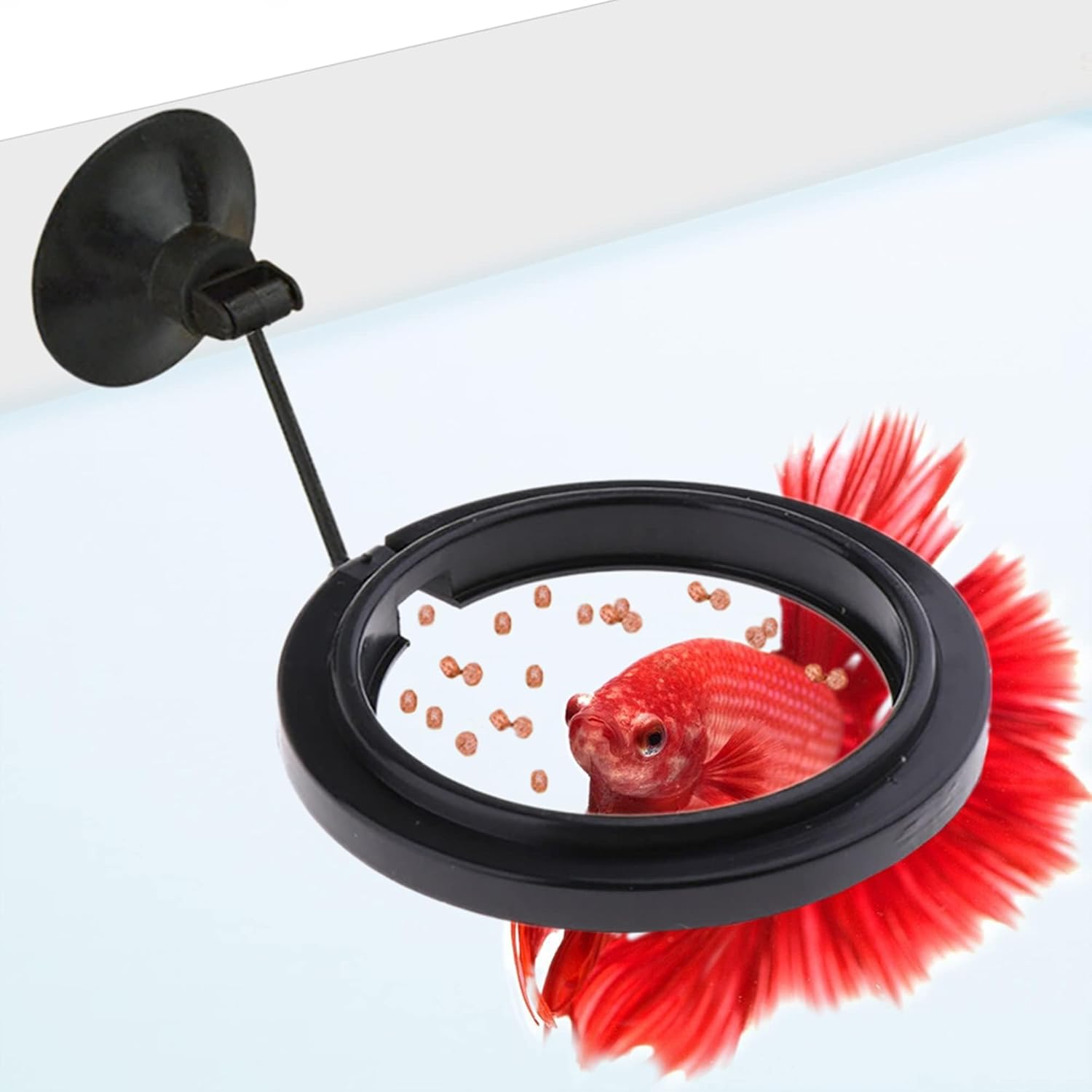
- Using a feeding ring to keep the betta focused
- Distracting the betta with a small treat while the others eat
This reduces competition and stress around food.
Conclusion: So, Can You Keep Bettas with Other Fish?
So, can you keep bettas with other fish? Yes, you can, but it is not as simple as dropping any fish into the tank and hoping for the best. Success depends on your betta’s personality, the species you choose, and how you set up the environment.
Male bettas are riskier roommates. They are more likely to attack other fish, especially those that look like them. Female bettas are often more adaptable and can sometimes live in groups or with a wider range of tank mates. Still, every fish is different.
If you want to try a community tank, start with a larger tank, plenty of plants and hiding spots, and peaceful, fast-swatching fish. Avoid known troublemakers like other male bettas, bright long-finned species, and fin nippers. Watch your fish closely, especially in the first few days, and be ready to separate them if needed.
And if your betta simply does not tolerate other fish, that is okay too. A well-decorated, species-only tank can be just as beautiful and rewarding as a community aquarium.
Frequently Asked Questions
Can I keep a male betta with other fish?
Yes, but it is risky. Male bettas are territorial and may attack tank mates, especially bright or long-finned fish. Success depends on the individual betta, tank size, and careful selection of peaceful companions.
Can I keep a female betta with other fish?
Female bettas are often more tolerant than males and can live with peaceful, fast-swimming fish. They can also sometimes live in groups called sororities, but this requires a large, well-planted tank and close monitoring.
What are the best tank mates for bettas?
Good tank mates include small tetras, corydoras catfish, harlequin rasboras, kuhli loaches, and snails. These fish are peaceful, active, and do not resemble other bettas, which reduces the chance of aggression.
Can I keep bettas with guppies?
It is usually not recommended. Fancy guppies have bright colors and long fins that can trigger a betta’s aggression. Even if some keepers report success, the risk of attacks and fin-nipping is high.
Can I keep bettas with goldfish?
No, bettas and goldfish are not compatible. Goldfish need cooler water, produce a lot of waste, and are much larger than bettas. These differences make them poor and often dangerous tank mates.
How do I know if my betta is not compatible with other fish?
Watch for constant flaring, chasing, nipping, or injuries on other fish. If tank mates are hiding all the time, losing color, or showing torn fins, the setup is not working and you should separate them.