What Other Fish Can You Put with Bettas
Betta fish, known for their aggression, can live with certain tank mates if conditions are right. Success depends on your betta’s individual personality, a properly sized and decorated tank, and choosing the right species—like fast-moving schooling fish, peaceful bottom-dwellers, or quiet, non-flashy fish. Always have a backup plan and be prepared to separate if fighting occurs.
Key Takeaways
- Your Betta’s Personality is Key: Some bettas are naturally more aggressive than others. Observe your individual fish’s behavior before introducing any tank mate.
- Tank Size & Setup Are Non-Negotiable: A minimum of 10 gallons is strongly recommended. Provide ample hiding spots, visual barriers, and a secure lid to prevent jumping.
- Ideal Tank Mates are Fast, Peaceful, or Bottom-Dwelling: Look for fish that are too quick to catch, mind their own business at the bottom, or are drab in color with no flowing fins.
- Avoid Flashy, Slow, or Long-Finned Fish: Guppies, fancy guppies, and other fish with bright colors or large, flowing fins will likely be seen as rivals and attacked.
- Never Introduce Fish to a New or Uncycled Tank: The betta’s tank must be fully cycled and stable for at least a month before adding any other livestock.
- Always Have a Backup Plan: Keep a separate “hospital” tank ready. Be prepared to remove a tank mate immediately if your betta shows persistent aggression.
- Quarantine All New Fish First: Prevent the introduction of disease into your main betta tank by quarantining all new arrivals for 2-4 weeks.
📑 Table of Contents
- Understanding the Betta: More Than Just a “Fighting Fish”
- The Foundational Rules: Tank Setup Before Tank Mates
- The Ideal Tank Mates: Three Winning Categories
- The Absolute “No” List: Fish to Avoid at All Costs
- The Introduction Process: Patience is Everything
- Common Mistakes & Troubleshooting
- Conclusion: A Rewarding Challenge
Understanding the Betta: More Than Just a “Fighting Fish”
So, you have a beautiful betta fish, also known as a Siamese fighting fish. You love its flowing fins and vibrant personality. But you look at its solitary glass bowl and think, “It must be lonely. Can I put other fish in there with it?” This is one of the most common questions in the aquarium hobby, and the answer is a qualified, careful yes. But it comes with a giant asterisk. The betta’s reputation isn’t for nothing; its scientific name, Betta splendens, literally means “bettas are splendid,” but its history of selective breeding for aggression means we must approach tank mate selection with strategy, not hope.
First, let’s bust a myth: bettas are not lonely. In the wild, they are solitary creatures, defending small territories of still water. They do not school or crave companionship. The desire to add friends is often for the aquarist’s enjoyment, not the betta’s. Therefore, any successful community must prioritize the betta’s needs first. A stressed betta is a sick betta. Our goal is to find fish that are unlikely to trigger the betta’s territorial or aggressive instincts while also not being stressed themselves. This is a delicate balance of species selection, tank environment, and, most importantly, knowing your individual betta.
The “Betta Personality” Spectrum
Just like people, bettas have unique personalities. Some are laid-back “mr. nice guys” who ignore everything. Others are absolute monsters who flare at their own reflection. You cannot predict this from a store. You must observe your betta in its established home. How does it react when you put a pen near the glass? Does it chase your finger? Does it flare at other fish in neighboring tanks at the store? These are clues. A truly peaceful betta is a rare treasure. Most have at least a spark of territoriality. This is why the “proof is in the pudding” approach—trial with extreme caution—is necessary.
The Foundational Rules: Tank Setup Before Tank Mates
Before you even think about a second fish, your betta’s tank must be perfect. The wrong environment guarantees failure, no matter how peaceful the chosen species. Forget the tiny “betta cubes.” We’re talking about a real, stable ecosystem.
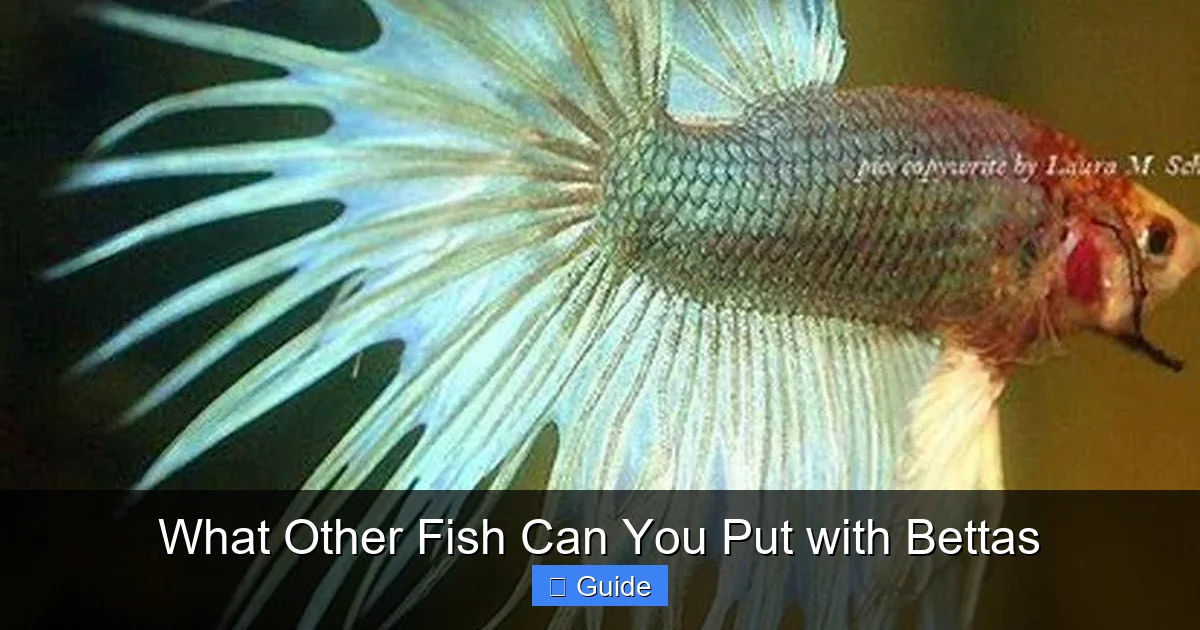
Visual guide about What Other Fish Can You Put with Bettas
Image source: diyseattle.com
Size Matters: The 10-Gallon Minimum
This is the single most important rule. A 5-gallon tank is the absolute bare minimum for a *solitary* betta. To add even one other fish, you need to upgrade. A 10-gallon tank is the absolute, rock-bottom minimum for a carefully chosen community. Ideally, aim for 15-20 gallons. More space means more territories, more dilution of aggression, and better water quality. In a small tank, a betta has nowhere to retreat, and any intrusion feels like a direct threat to its entire home.
The Art of Aquascaping: Creating Territories and Sight Lines
Your tank must be a maze, not an open arena. Use live or silk plants (avoid plastic ones that can tear fins) to create dense forests. Add driftwood, rocks, and ceramic pots to form caves and overhangs. The goal is to break the line of sight. If a betta cannot see another fish constantly, it is less likely to perceive it as a threat. Create “betta-only” zones with tall plants where your betta can rest and feel secure. Also, ensure there are open swimming spaces for the other fish. A well-decorated tank is a peaceful tank.
Water Parameters & The Nitrogen Cycle
This is non-negotiable. Your tank must be fully cycled. This means you have established a population of beneficial bacteria that convert toxic fish waste (ammonia) into less harmful substances (nitrite, then nitrate). A brand-new tank is a chemical death trap. Cycle the tank for at least 4-6 weeks before adding any fish. Test water parameters regularly with a liquid test kit. Target stable readings: Ammonia = 0, Nitrite = 0, Nitrate < 20 ppm. Temperature should be a steady 78-80°F (25.5-26.5°C). Stable, clean water is the foundation of all fish health and temperament.
The Ideal Tank Mates: Three Winning Categories
Now we get to the fun part. Which fish actually have a chance? The most successful candidates fall into three main categories, each with its own pros and cons. Remember: no fish is 100% guaranteed safe with every betta. These are your best starting points.
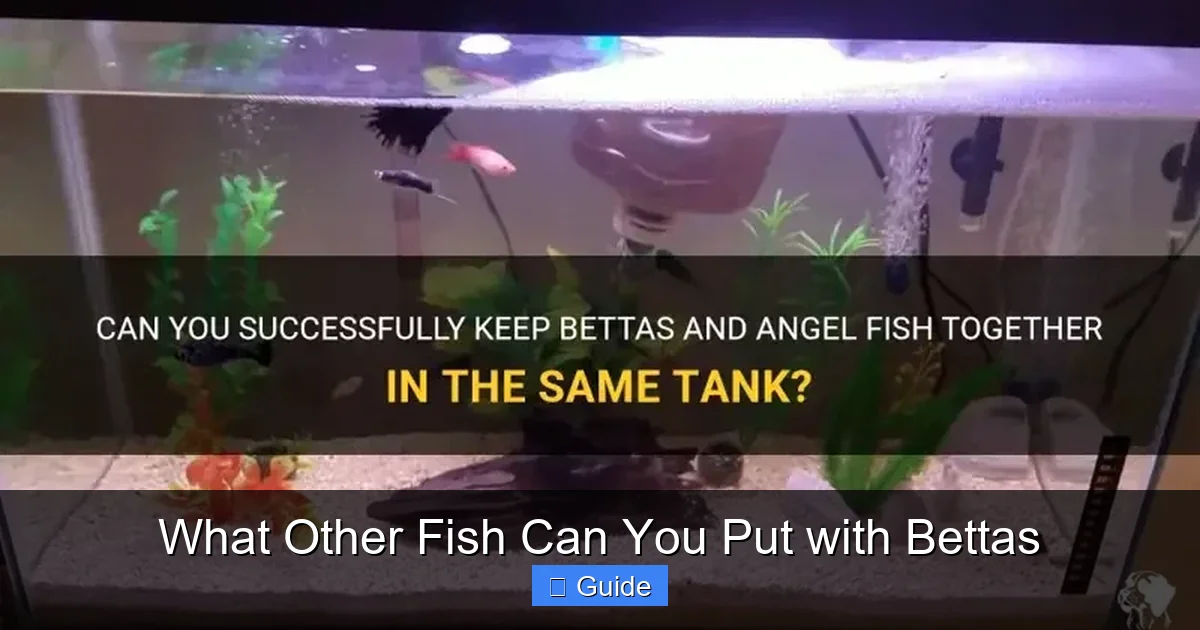
Visual guide about What Other Fish Can You Put with Bettas
Image source: petshun.com
Category 1: The Dither Fish (Fast, Active Schoolers)
These are the most popular and often most successful choices. They are fast, active swimmers that occupy the top and middle levels of the tank. Their key trait? They are too quick for a betta to catch and they don’t hang around. They move in cohesive schools, which is a natural behavior that makes them feel secure. Their constant motion also helps diffuse the betta’s attention. They are like energetic, oblivious neighbors who are always on the go.
- Neon Tetras (Paracheirodon innesi): The classic choice. They are small (1.5 inches), peaceful, and their shimmering blue/red stripe is mesmerizing in a school of 6-10. Their tiny size means they are not seen as a threat, and their speed is their defense. Important: They must be in a proper school of 6+ to feel safe and exhibit natural behavior.
- Harlequin Rasboras (Trigonostigma heteromorpha): Slightly larger and hardier than neons, reaching 2 inches. Their distinctive black triangle and orange/red body make them a striking addition. They are active, hardy, and excellent dither fish for a betta community.
- Lemon Tetras (Hyphessobrycon pulchripinnis): Bright, cheerful yellow fish that are incredibly active. Their coloration is different from a betta’s reds and blues, so it’s less likely to trigger a rivalry response. They are robust and fun to watch.
- Black Skirt Tetras (Gymnocorymbus ternetzi): These are a bit more robust and can handle a wider range of water conditions. Their long, flowing black fins (on the back half) might seem like a risk, but their speed and active schooling nature usually make them good candidates. Avoid their long-finned “variety” versions.
Category 2: The Bottom Dwellers (Quiet, Busy Workers)
These fish occupy a completely different niche in the tank. They live and feed on the substrate, completely out of the betta’s mid-level domain. Since they are not in the betta’s “face,” they are often ignored. They are invaluable for tank cleanliness and adding activity to the bottom.
- Corydoras Catfish (“Cories”): The undisputed champions of this category. These small, armored catfish are adorable, social, and must be kept in groups of 5 or more. They are constant workers, sifting through sand for food. Their “armor” and barbels make them look odd, not threatening. Popular species include Bronze/Pygmy Corys (Corydoras pygmaeus), Peppered Corys (Corydoras paleatus), and Panda Corys (Corydoras panda).
- Kuhli Loaches (Pangio kuhlii): Eel-like, peaceful, and fascinating. They are nocturnal but will come out during the day in a quiet tank. They burrow and noodle around the substrate. They are completely ignored by most bettas and are a unique addition. Keep them in groups of 3+.
- Otocinclus Catfish (“Ottos”): The dedicated algae eaters. These tiny, shy catfish are excellent for a tank with some algae growth. They are very sensitive to water quality, so only add them to a mature, stable tank. They are so small and non-threatening that bettas typically ignore them entirely.
- Bristlenose Plecos (Ancistrus sp.): A *very* cautious choice. Only consider the smaller, common Bristlenose Pleco (5 inches max). They are algae eaters and have heavy armor. The risk is their size and potential to outgrow a small tank, and some bettas may harass them. Only attempt in a 20+ gallon tank with plenty of hiding spots. Avoid larger pleco species.
Category 3: The Quiet, Non-Flashy Residents
These are fish that simply don’t look like rivals. They are often drab in color, have short fins, and are very peaceful. They mind their own business in the lower to middle levels.
- Snails: Nerite snails, Mystery/Apple snails, Ramshorn snails. They are not fish, but fantastic tank mates! They are completely ignored (except maybe as a snack, but most bettas won’t bother a snail with a shell). Nerites are especially great as they don’t reproduce in freshwater and are excellent algae eaters.
- Shrimp: This is a gamble. Ghost shrimp and Amano shrimp are your best bets due to their size and speed. Cherry shrimp (red) are often seen as food and will likely be eaten. Bamboo shrimp are large filter feeders and can be ignored if the betta isn’t a hunter. Success with shrimp depends entirely on your individual betta’s prey drive. Have a “shrimp-safe” backup tank.
- White Cloud Mountain Minnows (Tanichthys albonubes): These are cool-water fish (can tolerate 72°F) that are very active, peaceful, and drab (silver with a red tail). They are fast and school. They can be an excellent choice for a betta in a room-temperature tank (no heater needed).
- African Dwarf Frogs (Hymenochirus boettgeri): A true community “oddity.” These fully aquatic frogs are peaceful, odd-looking, and occupy the bottom. They are compatible with many bettas, but there is a risk: bettas may try to nip at their delicate legs, and frogs can compete for food. Requires careful observation and hand-feeding the frog.
The Absolute “No” List: Fish to Avoid at All Costs
Just as important as knowing who *might* work is knowing who will almost certainly fail. These fish are a recipe for disaster, stress, and death.
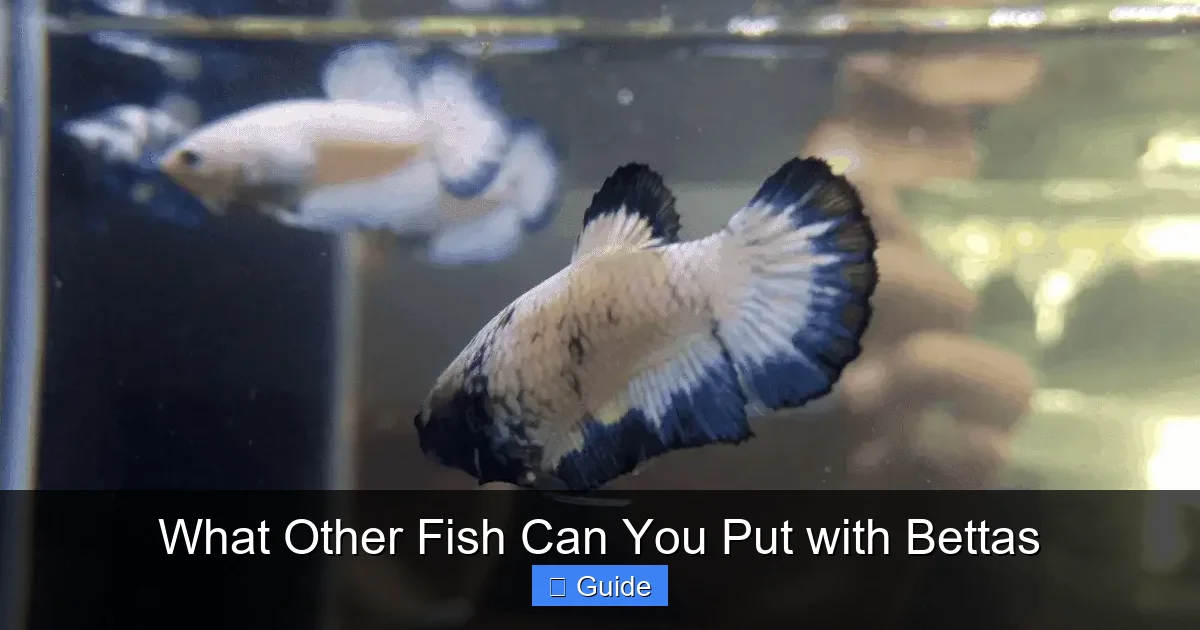
Visual guide about What Other Fish Can You Put with Bettas
Image source: petfishonline.com
Other Gouramis
This should be obvious. Gouramis (Dwarf Gouramis, Pearl Gouramis, etc.) are closely related to bettas. They have similar body shapes, often similar colors, and they possess a labyrinth organ like bettas. They are also bubble-nesters or mouth-brooders with their own territorial behaviors. Putting two gourami-type fish together is asking for constant, brutal fighting. Never.
Flashy, Long-Finned Fish
To a betta, another fish with bright colors and flowing fins is a direct rival. It will trigger an instant territorial and mating aggression response. This includes:
- Fancy Guppies: The #1 mistake. Male guppies are slow-moving with huge, colorful caudal fins. They are essentially a target. Even a “plain” female guppy might be harassed.
- Fancy Goldfish: While different temperature needs are the first issue, their slow, waddling nature and fancy fins make them a target. Betta will relentlessly nip at them.
- Betta Splendens (Other Bettas): Never house two male bettas together. That’s the origin of their name. A male and female can only be kept together for breeding under strict, temporary supervision. Even two females are not recommended for a community tank due to established hierarchies and potential for fighting.
- Siamese Algae Eaters: Despite the name, they are not related. However, some have red/orange fins that can trigger a betta. They also grow large (6 inches) and can become boisterous.
Fin-Nippers and Hyper-Aggressive Fish
Some fish have a habit of nipping at the long, flowing fins of a betta, causing stress, infection, and death.
- Tiger Barbs: Famous fin-nippers. They are hyper-active and will relentlessly harass a slow-moving, long-finned betta.
- Some Tetra Species: While many tetras (like neons) are great, some, like the Serpae Tetra, are known to be nippy, especially in small schools.
- Some Cichlids: Even small, colorful cichlids like Ram Cichlids can be territorial and may spar with a betta. Avoid most cichlids.
Slow, Delicate, or Long-Bodied Fish
Fish that are slow-moving or have long, flowing bodies are easy targets for a curious or aggressive betta.
- Angelfish: Too large, slow, and have flowing fins. A betta will see it as a threat and an angelfish may eventually eat a small betta.
- Butterflyfish (Freshwater): Slow, deliberate swimmers with long fins.
- Long-finned varieties of any species: If it looks like a fancy guppy, avoid it.
The Introduction Process: Patience is Everything
You have a 15-gallon, heavily planted, cycled tank. You’ve chosen a school of 8 harlequin rasboras and 6 corydoras. You’ve quarantined them. Now what? How you introduce them is as important as the choice itself.
Step 1: The Betta-First Setup
Always establish the betta in its tank alone for at least a month. This lets it claim its territory, get comfortable, and lets you observe its baseline personality. A stressed betta from a recent move will be more aggressive.
Step 2: Rearrange Before the New Arrivals
The day before you add the new fish, do a major tank rearrangement. Move all the plants, rocks, and decorations. This disrupts the betta’s established territory and “resets” the environment. When the new fish are added, the tank will be a new, neutral space for everyone, reducing the betta’s instinct to defend a specific spot.
Step 3: The Acclimation & Observation
Acclimate the new fish properly using the drip method. Once they are in the tank, watch constantly for the first 30-60 minutes. Does your betta immediately charge, flaring its gills and fins? Does it chase relentlessly? Or does it do a quick investigation and then ignore them? A few curious flares are normal. Relentless, persistent chasing is a red flag. Have a large net and a backup tank ready to remove the new fish instantly if needed.
Step 4: The 48-Hour Watch Period
For the next two days, monitor closely, especially during feeding times. Ensure the betta is not guarding the entire food source. Use a feeding ring or drop food in different spots. Make sure the new fish are eating and not hiding constantly. Stress from bullying will make them weak and susceptible to disease.
Common Mistakes & Troubleshooting
Even with the best intentions, things can go wrong. Here’s how to avoid pitfalls and what to do if you hit a snag.
Mistake 1: The “Betta Cube” Community
Putting a betta and a snail in a 2.5-gallon tank is not a community. It’s a prison. There is zero space for separate territories. The betta will see any movement as an invasion. Start with a proper tank size.
Mistake 2: Adding Too Many Fish at Once
The bio-load (the amount of waste) must be considered. A 10-gallon tank with a betta can realistically hold a school of 6 tiny tetras and a cory or two. Adding 10 different species at once will overload the filter and spike ammonia, stressing everyone and making the betta more irritable. Add livestock slowly, over several weeks.
Mistake 3: Ignoring the Betta’s Signals
Flaring is a warning. Persistent flaring, chasing, and cornering are declarations of war. Do not “let them work it out.” That leads to dead or injured tank mates and a stressed betta. If aggression is shown, you must separate. It is not fair to the other fish to be terrorized.
What to Do If Aggression Occurs
Have a Plan B. A simple 5-gallon hospital tank with a heater and filter should be on standby. If your betta is chasing a new fish relentlessly after 24 hours, remove the new fish. You have two options: 1) Try a different, bolder species later, or 2) Accept that your betta is a solitary fish and keep it alone. There is no shame in keeping a betta solo. A beautifully decorated, planted tank with a happy, healthy betta is a fantastic aquarium. Forcing a community that causes stress is the real failure.
Conclusion: A Rewarding Challenge
Creating a successful betta community is one of the more rewarding achievements in the freshwater aquarium hobby. It requires research, patience, and a willingness to adapt. It’s not about forcing coexistence; it’s about carefully crafting an environment where a betta’s territorial nature is respected and other fish can thrive in its shadow. Start with the right tank, the right plants, and the right fish from our “ideal” lists. Observe your betta daily. Be prepared to be a referee and, if necessary, a bailiff. But if you get it right, you’ll be rewarded with a dynamic, beautiful underwater world where your magnificent betta holds court peacefully among its chosen, compatible neighbors. Remember, a happy betta is a healthy betta, and that should always be your first and final goal.
Frequently Asked Questions
Can I put a betta with a goldfish?
No, you should not. Goldfish are cold-water fish that prefer temperatures around 68°F, while bettas need warm water around 78-80°F. Goldfish also produce massive amounts of waste, requiring powerful filtration that can stress a betta. Their slow, fancy fins are also a target for a betta’s aggression.
What is the absolute safest fish for a betta?
There is no single “safest” fish, as it depends on the betta’s personality. However, snails (like Nerite or Mystery snails) are generally the lowest risk because they are not fish, have a shell for protection, and are ignored by most bettas. Among fish, fast, schooling dither fish like neon tetras or harlequin rasboras in a proper group are the most consistently successful.
Can bettas live with shrimp?
It’s a gamble. Larger, faster shrimp like Ghost Shrimp or Amano Shrimp have the best chance. Small, colorful shrimp like Cherry Shrimp are very likely to be seen as food and eaten. Success depends entirely on your individual betta’s prey drive. Always have a backup plan to rehome the shrimp if they disappear.
How big of a tank do I need for a betta community?
You need at least a 10-gallon tank to even consider adding one or two compatible fish species. For a more diverse and stable community with a school of dither fish and a group of bottom dwellers, a 15-20 gallon tank is strongly recommended. More space is always better.
My betta is flaring at the new fish, what should I do?
First, observe the context. Is it a brief flare when the fish darts by, or is it relentless chasing and cornering? Brief flares can be normal investigation. Relentless aggression means the introduction has failed. You must be prepared to immediately remove the new fish to a separate hospital tank to prevent injury or death. Do not “let them fight it out.”
Can I put two female bettas together?
While female bettas are less aggressive than males, they still establish a pecking order and can and do fight, sometimes to the death. A “sorority” tank with 5+ females in a very large, heavily planted tank (minimum 20 gallons) is a complex setup for advanced hobbyists only. It is not recommended for beginners or for adding to a community tank with other species. For most keepers, female bettas should also be housed alone or with very careful, robust tank mates in a large tank.