How Do Betta Fish Survive In The Wild Amazing Facts
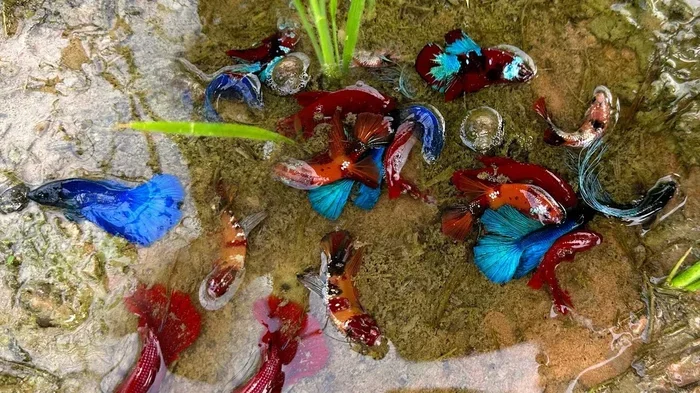
Betta fish are remarkably resilient creatures that have evolved to thrive in harsh, unpredictable environments. When asking how do betta fish survive in the wild, you will discover they rely on specialized breathing organs, adaptive behaviors, and natural camouflage to endure fluctuating water conditions. Understanding their wild survival tactics helps aquarium owners provide better, more natural care for captive bettas. These fascinating fish continue to inspire both scientists and hobbyists alike.
Key Takeaways
- Labyrinth organ adaptation: Wild bettas breathe atmospheric air to survive in oxygen-poor waters.
- Natural habitat range: They originate from shallow, slow-moving streams, rice paddies, and flooded plains across Southeast Asia.
- Temperature and water flexibility: Wild bettas tolerate seasonal changes, low oxygen, and variable water quality.
- Behavioral survival strategies: They use vegetation cover, burrowing, and territorial spacing to avoid predators and conserve energy.
- Diet and foraging habits: Wild bettas eat insects, larvae, small crustaceans, and occasional plant matter found near the water surface.
- Breeding and population resilience: Frequent spawning and protective male parenting help maintain wild populations.
- Conservation awareness matters: Habitat loss and pollution threaten wild bettas, making responsible sourcing and habitat protection essential.
📑 Table of Contents
- How Do Betta Fish Survive In The Wild
- Natural Habitats Where Wild Bettas Live
- Physical Adaptations That Help Bettas Endure
- Behavioral Strategies That Support Survival
- Diet and Foraging in Natural Waters
- Breeding and Population Survival in the Wild
- Challenges Wild Bettas Face Today
- What Wild Survival Teaches Aquarium Owners
- Conclusion
How Do Betta Fish Survive In The Wild
If you have ever watched a betta fish flare its gills or glide through a planted tank, you might wonder where these vibrant fish come from. Many people keep bettas in small bowls or filtered aquariums, but their story begins far from glass walls. The question how do betta fish survive in the wild opens a fascinating window into nature. These fish are not fragile decorations. They are tough, adaptable survivors that have thrived for generations in some of the most challenging freshwater environments on earth.
Wild bettas live in warm, shallow waters across Southeast Asia. They face changing seasons, low oxygen, rising and falling water levels, and plenty of predators. Yet they continue to flourish. Their survival depends on a mix of physical traits, smart behaviors, and flexible feeding habits. In this guide, we will walk through their natural homes, the tools they use to breathe and hide, the food they chase, and the way they raise their young. By the end, you will understand why these fish are so special and how their wild instincts still shape the bettas we keep today.
Natural Habitats Where Wild Bettas Live
To really grasp how do betta fish survive in the wild, you first need to picture their homes. Wild bettas do not live in clear, deep rivers with steady currents. They prefer calm, shallow water with plenty of cover. Their native range stretches across Thailand, Cambodia, Vietnam, Laos, and parts of Malaysia. In these regions, bettas occupy a mix of seasonal wetlands, slow-moving streams, and agricultural waterways.
Rice Paddies and Seasonal Floodplains
Rice fields might look like farms to us, but for bettas, they function like temporary wetlands. During the rainy season, water spreads across flat land and fills shallow depressions. These flooded areas warm quickly and teem with insects, worms, and tiny crustaceans. Bettas slip through the grass and shallow water, using the dense cover to stay safe. When the dry season arrives, the water recedes. Many fish move into remaining pools, muddy puddles, or slow channels. Their ability to shift with the seasons is one of the biggest reasons they endure.
Shallow Streams and Swamps
In addition to rice fields, wild bettas use slow streams and swampy margins. These spots often have fallen leaves, submerged roots, and overhanging plants. The water may look murky, but that cloudiness offers protection. Bettas use the tangled vegetation as a natural shield. They can dart into hidden spaces when larger fish or birds pass overhead. This habitat choice shows how bettas balance food, safety, and breathing needs in one place.
Physical Adaptations That Help Bettas Endure
The wild is not gentle. Water levels change. Oxygen drops. Temperatures rise. So how do betta fish survive in the wild when conditions shift so dramatically? The answer starts with their bodies. Bettas evolved several impressive adaptations that help them handle rough environments.
The Labyrinth Organ and Air Breathing
One of the most important survival tools is the labyrinth organ. This special structure allows bettas to breathe air from above the water. In stagnant pools or warm shallow water, oxygen levels can drop fast. Many fish would struggle, but bettas simply rise to the surface and gulp air. This ability gives them a major advantage when water quality declines. It also lets them survive in places where other fish cannot. If you want to understand how do betta fish survive in the wild, this breathing adaptation is a huge part of the story.
Temperature Tolerance and Body Flexibility
Wild bettas live in water that can warm significantly during sunny days and cool slightly during storms or dry periods. They handle a fairly wide temperature range, which helps them stay active when conditions change. Their bodies also adjust to different water chemistries better than many people expect. While they prefer clean water, they are not as fragile as some aquarium myths suggest. Still, tolerance does not mean they enjoy poor conditions. Survival is not the same as thriving.
Coloration and Camouflage
Wild bettas often show more subdued colors than the bright domesticated types seen in pet stores. Their natural shades help them blend into brown water, leaf litter, and green vegetation. This camouflage reduces the chance of being spotted by predators. At the same time, males can flash brighter colors during breeding or territorial displays. That contrast is useful. They stay hidden most of the time, then use color briefly when needed.
Behavioral Strategies That Support Survival
Bettas are not just physically equipped. They are also behaviorally smart. Their daily choices help them conserve energy, avoid danger, and find food. These habits matter a lot when you think about how do betta fish survive in the wild.
Using Cover and Staying Hidden
Wild bettas spend much of their time near plants, roots, and submerged structures. They know that open water exposes them. By staying close to cover, they reduce risk and wait for opportunities. This is why dense planting matters so much in aquariums too. A betta that feels hidden is usually a calmer betta. In the wild, hiding is not a sign of fear alone. It is a practical survival strategy.
Territorial Spacing and Movement
Male bettas often establish small territories. They defend a patch of water that includes shelter and food sources. This territory gives them a stable area to patrol and rest. At the same time, they do not waste energy fighting constantly. They use displays, fin spreading, and warning postures before escalating. That saves strength and lowers injury risk. When resources are scarce, this kind of spacing helps reduce competition.
Resting and Activity Cycles
Bettas are not always on the move. They rest, hide, and conserve energy during less favorable moments. They may hover near the surface, settle among leaves, or pause in a shaded corner. This pattern helps them manage heat and oxygen use. It also shows that survival is not only about action. Sometimes survival means knowing when to slow down. If you ever wonder do betta fish hide in rocks, the answer is that they usually prefer plants and soft cover, but they will use any safe shelter available.
Diet and Foraging in Natural Waters
Food availability changes with the seasons, so bettas must be flexible eaters. In the wild, they are not picky in the way a spoiled aquarium fish might become. They take advantage of what is around them. This flexible feeding style is another reason they persist in changing environments.
What Wild Bettas Eat
Wild bettas mainly feed on small living or weak prey. Their diet commonly includes:
- Insect larvae
- Small flies and mosquitoes
- Tiny crustaceans
- Worms and other invertebrates
- Occasional bits of plant material or detritus
They often hunt near the surface and upper water column, where insects land or fall. Their upward-facing mouth helps them grab prey quickly. They also explore the lower areas when food drifts down. Because of this, many people ask do betta fish get food off the bottom. In natural settings, they will take available food at different levels, though they usually prefer prey near the top or middle of the water.
Feeding Timing and Opportunistic Habits
Bettas do not always eat on a strict schedule. They feed when prey is available. After rain, insect activity often increases, and bettas take advantage of the surge. During drier periods, they may eat less and rely on smaller prey. This flexibility helps them get through lean times. It also explains why captive bettas can sometimes seem hungry all the time. In the wild, food is not always guaranteed, so the instinct to eat when possible is strong.
Breeding and Population Survival in the Wild
Survival is not just about one fish. It is also about the next generation. Bettas have a reproductive strategy that helps populations continue even when conditions are unstable. Their breeding behavior is one of the most interesting parts of their natural history.
Bubble Nests and Male Parental Care
Male bettas build bubble nests at the water surface. These nests are made of air bubbles and sometimes plant pieces. The nest gives eggs a safe place to develop. After spawning, the male often guards the eggs and tends the nest. He may retrieve stray eggs and keep them aerated. This parental care improves the chances that fry will survive early dangers. It is a smart system for shallow, temporary waters where hidden shelter may be limited.
Spawning Timing and Environmental Cues
Bettas often spawn when conditions are warm and food is available. Seasonal changes can trigger breeding activity. In temporary habitats, timing matters. If the young hatch when insects are abundant and water is stable, survival odds improve. This link between environment and reproduction shows how closely bettas are tied to their surroundings. Their life cycle is built around opportunity.
Population Resilience and Natural Limits
Bettas can produce many offspring, but that does not mean every spawn succeeds. Predators, water changes, and competition all affect survival rates. Still, the combination of frequent breeding, nest guarding, and adaptable young fish helps the species persist. If you are curious about whether these fish can be maintained outside their natural range, you may want to read about can betta fish survive in the wild. It explains more about the balance between natural resilience and environmental pressure.
Challenges Wild Bettas Face Today
Even though bettas are tough, they still face real threats. Survival in the wild has always depended on balance, and human activity has changed that balance in many places. Understanding these challenges gives a clearer picture of how do betta fish survive in the wild in the modern world.
Habitat Loss and Water Quality Changes
Wetlands are often drained for farming, construction, or flood control. Rice fields may be managed more intensively, which can reduce shelter and food sources. Pollution from runoff can also affect water quality. When water becomes too dirty or chemically unbalanced, even resilient fish struggle. Bettas may survive short-term changes, but long-term habitat damage is a serious problem.
Seasonal Disruption and Climate Pressure
Seasonal rhythms matter to bettas. If rainfall patterns shift or water dries too quickly, breeding and feeding cycles can be disrupted. Warmer temperatures may also push water conditions beyond comfortable ranges. These changes do not just affect one fish. They affect the whole local ecosystem that bettas rely on.
Responsible Care and Conservation Awareness
People who keep bettas can help by learning more about their natural needs. That includes stable warmth, clean water, good filtration, and enough space to swim. It also means choosing responsibly sourced fish and supporting habitat conservation when possible. If you want to understand how human choices affect bettas beyond the aquarium, you can explore can you release a betta fish into the wild before making any decisions about relocation or release. Releasing captive fish into natural waters is not a safe solution and can create new problems.
What Wild Survival Teaches Aquarium Owners
Learning about wild betta behavior is not just trivia. It helps you care for your fish in a more informed way. When you know how bettas live outside the aquarium trade, you can make better choices at home.
Better Tank Setup Choices
A tank that reflects natural needs usually works better than one that ignores them. Bettas do well with warm water, gentle flow, and places to rest. They appreciate plants, leaves, and calm corners. A filtered tank can still be a good home, but strong currents may stress them. If you are wondering do betta fish have to be in a filtered tank, the answer depends on tank size, maintenance, and water stability. Filtration helps keep water clean, but the setup should match the fish’s comfort.
Feeding With Natural Instincts in Mind
Since wild bettas eat a varied diet of small prey, captive bettas often benefit from variety too. A mix of quality pellets, frozen foods, and occasional live foods can mirror their natural feeding more closely. Overfeeding is still a risk, so portion control matters. Remember that bettas are opportunistic feeders. Their enthusiasm does not always mean they need more food.
Environment, Light, and Rest
Bettas also need periods of rest. In nature, they experience day and night cycles, shaded cover, and calmer darkness. Many owners ask do betta fish get scared of the dark. In general, darkness is not fear-inducing for them. It is part of their normal rhythm. A steady light cycle and some hiding spots help them feel secure. If you want more detail, you can read can betta fish survive in the dark to understand how light and rest fit into their daily life.
Space, Enrichment, and Behavior
Some people assume bettas are happy in tiny spaces because they are often sold that way. In reality, more room usually allows better movement and healthier behavior. A larger, well-maintained tank can support natural patrolling, resting, and exploring. If you are curious whether bettas benefit from more space, check do betta fish do well in big tanks for a practical look at tank size and behavior. Enrichment also matters. Plants, gentle decor, and stable conditions reduce boredom and stress. That matters because bettas can indeed show signs of frustration when their environment is too bare. You can learn more in do betta fish get bored in a tank.
Common Mistakes to Avoid
- Keeping water too cold or fluctuating too much
- Using strong currents that tire the fish
- Providing no hiding places or rest areas
- Feeding only one food type or overfeeding
- Assuming bright domesticated colors reflect wild needs
- Ignoring water quality because bettas are tough
Toughness is not an excuse to neglect care. It simply means bettas have impressive survival tools. Good care still makes a big difference.
Expert Insights for Healthier Care
Think of a betta tank as a small ecosystem. Stability matters more than perfection. Warm, clean, gently moving water with good cover gives your fish a solid foundation. Watch how your betta uses the tank. If it hides all the time, it may need more shelter or less stress. If it flits constantly, it may need a calmer setup. Observing behavior is one of the best ways to improve care.
Conclusion
So, how do betta fish survive in the wild? They survive through a powerful mix of physical adaptation, behavioral intelligence, and flexible living habits. Their labyrinth organ helps them breathe when oxygen falls. Their natural habitats give them cover, food, and seasonal refuge. Their hunting style and breeding behavior help them persist through changing conditions. Even with these strengths, wild bettas still face habitat pressure and environmental disruption, which makes understanding their origins more important than ever.
For aquarium owners, this knowledge is practical. It reminds us that bettas are not just colorful ornaments. They are active, adaptive fish with real needs. When you provide warmth, clean water, gentle flow, hiding places, and a varied diet, you support the same instincts that help them survive in nature. The more you understand their wild life, the better you can care for the betta in your tank.
Frequently Asked Questions
How do betta fish breathe in shallow wild water?
Bettas use a special labyrinth organ to gulp air from above the water, which helps them survive in low-oxygen environments. This adaptation is one of the main reasons they can live in stagnant or shallow habitats.
What kind of water do wild betta fish live in?
Wild bettas usually live in warm, shallow, slow-moving water such as rice paddies, swamps, and calm stream edges. These places often have plants, leaf litter, and changing water levels.
Do wild betta fish eat the same food as aquarium bettas?
Not exactly. Wild bettas mainly eat small insects, larvae, worms, and tiny crustaceans found near the water surface and edges. In captivity, they do better with a varied diet that mimics this natural mix.
Can betta fish survive in the dark?
Yes, bettas can survive in the dark, and they naturally experience night and day cycles in the wild. Darkness is not harmful, but they still need a regular light cycle for healthy rest and activity.
Do betta fish hide in rocks in the wild?
They are more likely to hide among plants, roots, and leaf cover than inside rocks. Hiding helps them avoid predators and rest between feeding bursts.
Why are wild bettas important to understand for aquarium care?
Understanding wild betta behavior helps owners create better tank conditions, choose suitable food, and avoid common care mistakes. It also builds respect for the fish’s natural resilience and needs.