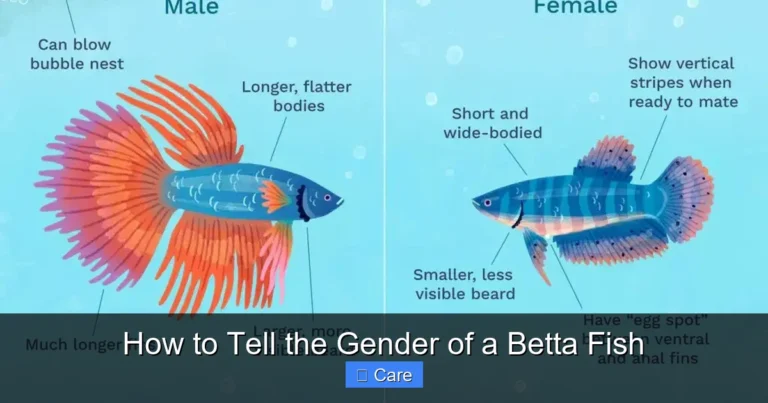
Do Betta Fish Need Heaters
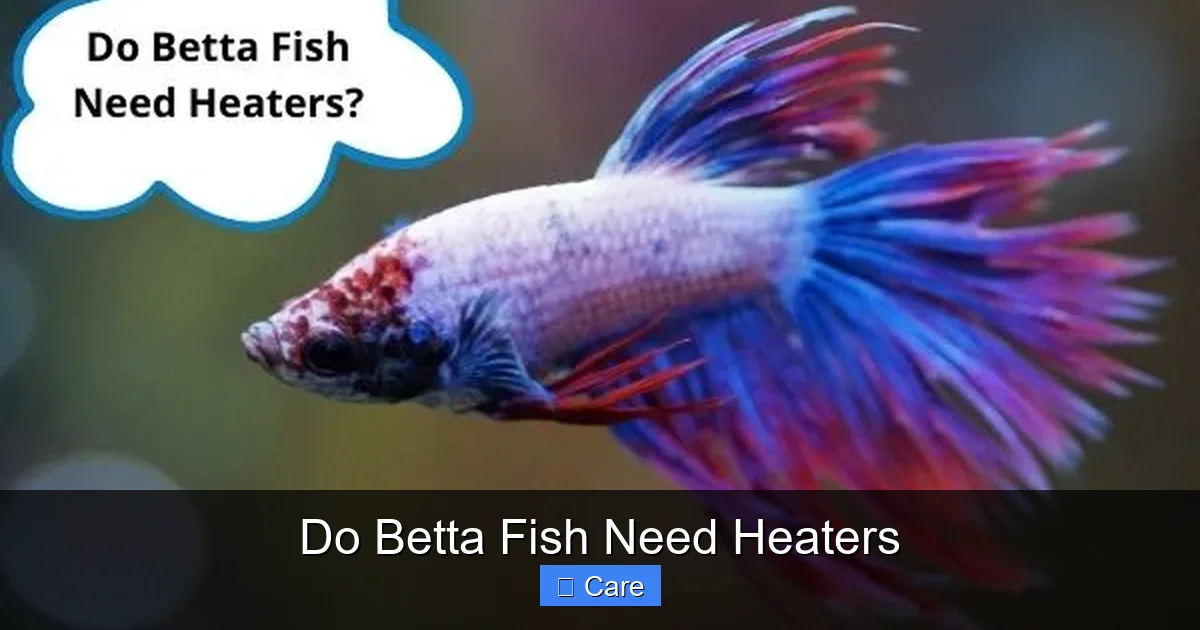
Absolutely, betta fish require a heater to live a long, healthy life. As tropical fish from warm, shallow waters, they need a stable tank temperature between 78-80°F (25.5-26.5°C). Cold water below 76°F severely weakens their immune system, slows digestion, leads to lethargy, and makes them susceptible to fatal diseases like dropsy. A reliable aquarium heater is not optional equipment for a betta; it is essential care.
Key Takeaways
- Betta fish are tropical: Native to the warm, shallow waters of Southeast Asia, they are biologically adapted to consistent temperatures around 78-80°F (25.5-26.5°C).
- Cold water causes chronic stress and disease: Temperatures below 76°F (24.4°C) suppress their immune system, leading to increased susceptibility to illnesses like fin rot, ich, and dropsy.
- Stability is as important as the target temperature: Rapid temperature swings are more dangerous than a slightly cooler but stable temperature. A heater with a thermostat provides this crucial stability.
- Heater size matters: Choose a heater rated for your specific tank volume (typically 2.5-5 watts per gallon). An oversized heater can overheat a small tank dangerously fast.
- Proper placement and safety are critical: Use a heater guard, ensure good water flow around it, and always use a separate aquarium thermometer to verify the heater’s accuracy.
- Room temperature is not enough: Ambient room temperature fluctuates daily and nightly, rarely providing the consistent warmth a betta needs, especially in cooler climates or seasons.
📑 Table of Contents
- The Great Betta Heater Debate: Separating Myth from Reality
- Understanding Your Betta’s Tropical Origins
- The Silent Killer: What Cold Water Really Does to a Betta
- Choosing the Right Heater: Types, Sizing, and Features
- Installation and Maintenance: Doing It Right
- What If I Can’t Use a Heater? Alternatives and Last Resorts
- Common Heater Mistakes and How to Avoid Them
- Conclusion: Warmth is a Right, Not a Luxury
The Great Betta Heater Debate: Separating Myth from Reality
Walk into any big-box pet store, and you’ll likely see them: rows of beautiful betta fish in tiny, unheated cups or bowls. This ubiquitous display has perpetuated a dangerous myth for decades—that betta fish, with their famous ability to survive in low-oxygen water, are also perfectly fine in cold water. The phrase “They can live in a small bowl without a filter or heater” is arguably the most harmful piece of misinformation in the freshwater aquarium hobby. The truth is starkly different. If you’re asking, do betta fish need heaters, the definitive, science-backed answer is yes. A heater is not a luxury; it is a fundamental piece of life-support equipment for a captive betta. This article will dive deep into the “why,” exploring the biology of the Siamese fighting fish, the catastrophic effects of cold water, and exactly how to provide the consistent warmth they need to not just survive, but to thrive with radiant fins and active personalities.
Understanding Your Betta’s Tropical Origins
To understand why a heater is essential, we must first look at the betta’s (Betta splendens) natural habitat. Native to the shallow, stagnant rice paddies, ditches, and slow-moving streams of Thailand, Cambodia, Vietnam, and Malaysia, these waters are warm, often exceeding 80°F (27°C) during the day. They are also shallow, meaning they heat up quickly under the tropical sun and cool down just as fast at night. However, the key adaptation here is not an ability to tolerate cold, but an ability to survive in oxygen-poor, warm water thanks to their labyrinth organ—a specialized breathing structure that allows them to gulp air from the surface. This survival trick in poor water conditions has been tragically misinterpreted as a tolerance for cold temperatures.

Visual guide about Do Betta Fish Need Heaters
Image source: m.media-amazon.com
The Critical Temperature Range: 78-80°F is the Gold Standard
Decades of captive breeding have not erased the betta’s tropical genetics. The optimal temperature range for a domestic betta is consistently cited by ichthyologists and experienced breeders as 78-80°F (25.5-26.5°C). Within this range, their metabolism functions perfectly: digestion is efficient, their immune system is robust, and their energy levels are high. They display their natural curiosity, flaring at their reflection, and swimming actively throughout the tank. Dropping even a few degrees below this range begins to slow their bodily processes. At 74°F (23.3°C), you’ll notice reduced activity and appetite. At 72°F (22.2°C) and below, you are entering the danger zone for chronic stress and immunosuppression.
The Silent Killer: What Cold Water Really Does to a Betta
Many new betta owners mistake a lethargic fish in a cool tank for a “calm” or “lazy” fish. This is a dangerous misreading of a serious health problem. Cold water is a silent killer because its effects are cumulative and often not immediately obvious until a disease takes hold.
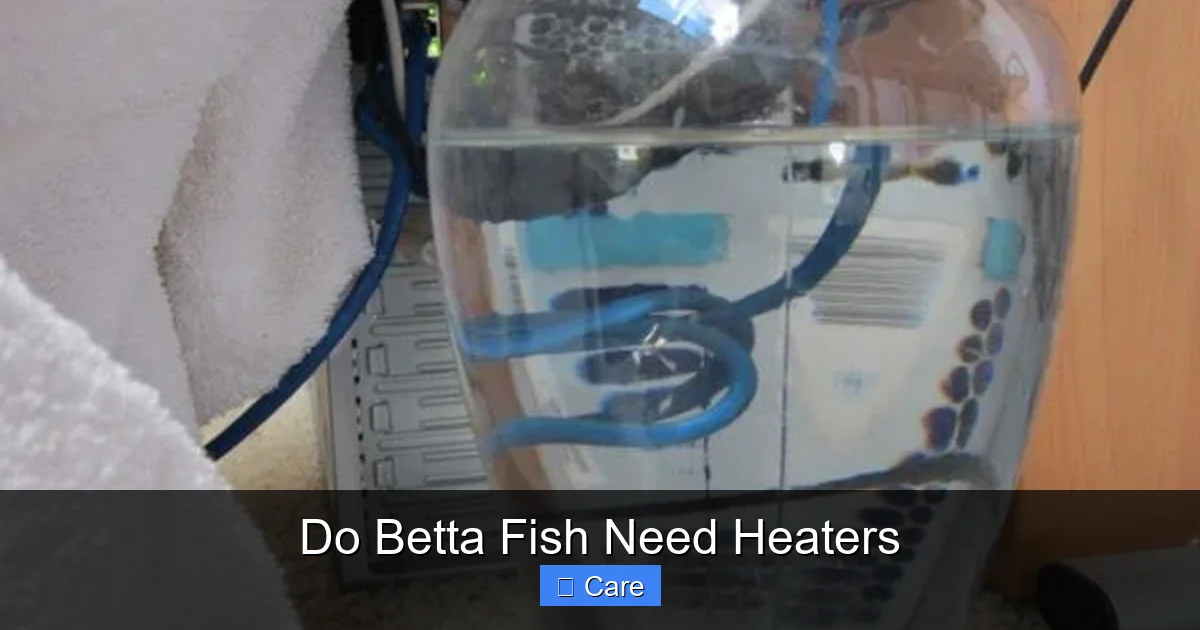
Visual guide about Do Betta Fish Need Heaters
Image source: theaquariumguide.com
Immunosuppression: Opening the Door to Disease
A betta’s immune system is a complex network of cells and proteins that functions optimally within a narrow temperature band. When the water is too cold, this system slows down dramatically. White blood cell production and activity decrease, making the fish unable to effectively fight off pathogens that are always present in the aquarium, even in a clean tank. This is why a betta kept at 72°F might suddenly develop a severe case of fin rot or popeye after a minor water quality issue that a warmer, healthier fish would easily shrug off. The cold didn’t cause the bacteria; it simply removed the fish’s defenses.
Digestive Slowdown and Constipation
Metabolism is temperature-dependent. In cold water, a betta’s digestive tract grinds to a near-halt. Food passes through slowly, often not at all, leading to constipation, bloating, and swim bladder issues. You might see your betta struggling to maintain buoyancy, sinking to the bottom, or floating upside down. These are classic signs not just of overfeeding, but of a digestive system crippled by cold. Even high-quality, easily digestible foods like daphnia or pre-soaked pellets may not be processed correctly.
Lethargy, Loss of Color, and Stress
Ectotherms (cold-blooded animals) rely on their environment for body heat. A cold betta is a low-energy betta. You’ll see them resting motionless on the bottom or a plant for long periods, lacking the energy to explore. Their vibrant colors, a key trait of healthy bettas, will often fade or become muted. This lethargy is a direct sign of stress. Chronic stress elevates cortisol levels, which further suppresses the immune system, creating a vicious cycle that inevitably leads to sickness.
Choosing the Right Heater: Types, Sizing, and Features
Once you understand the “why,” the next step is selecting the right equipment. The wrong heater can be as dangerous as no heater at all.
Visual guide about Do Betta Fish Need Heaters
Image source: theaquaadvisor.com
Heater Types: Preset vs. Adjustable
Preset Heaters: These are the most common and affordable. They come with a factory-set temperature (usually 78°F/25.5°C). They are simple to use—just submerge and plug in. However, they offer no fine-tuning. If your room is very cool, a preset might struggle to maintain temp. If your room is warm, it might overheat. They are best for small, stable environments like a single betta in a 5-gallon tank in a consistently warm room.
Adjustable (Submersible) Heaters: These are the professional choice and highly recommended. They have a dial or digital control that allows you to set the exact temperature you want, typically with 1-degree precision. They often have a more accurate and reliable thermostat. For a betta keeper, the ability to fine-tune—say, setting it to 79°F instead of 78°F—is invaluable for tailoring to your specific setup and seasonal changes.
Sizing: Watts and Gallons Matter
Heater power is measured in watts. The general rule is 2.5-5 watts per gallon. For a standard 5-gallon betta tank, a 25-watt heater is ideal. For a 10-gallon, a 50-watt heater is appropriate. Never use a heater with too high a wattage for your tank size. A 100-watt heater in a 5-gallon tank will heat the water too quickly, creating dangerous hot spots and potentially cooking your fish before the thermostat can react. Always check the manufacturer’s sizing chart for your specific tank volume.
Essential Safety Features to Look For
1. Automatic Shut-Off: The heater must turn off when it reaches the set temperature. All reputable brands have this, but it’s the first thing to verify.
2. Heater Guard/Shroud: A plastic or mesh casing around the heating element. This prevents a curious betta (or other fish) from touching the hot glass and getting burned. It also protects the element from damage.
3. Dry-Activation Protection: A feature that prevents the heater from turning on if it’s not fully submerged, which would cause it to overheat and crack instantly.
4. Indication Light: A small light that shows when the heater is actively warming the water. This is a simple but crucial diagnostic tool.
Installation and Maintenance: Doing It Right
Proper installation is half the battle. A correctly placed heater works efficiently and safely.
Placement: Location, Location, Location
Place the heater near a water flow source, like the outlet of your filter. This ensures even heat distribution throughout the tank. Do not place it in a dead zone where water is stagnant. Also, position it so it’s not touching any tank walls, decorations, or the substrate. Leave at least an inch of clearance on all sides. This prevents hot spots and allows for proper heat dissipation. For a 5-gallon tank, a heater placed horizontally near the back, in the path of filter flow, is ideal.
The Non-Negotiable: A Separate Aquarium Thermometer
This is the most important safety tip you will ever receive. Never, ever rely on the heater’s built-in thermostat as your sole source of temperature information. Heater thermostats can be inaccurate or fail. You must have an independent, reliable thermometer in the tank at all times. A simple, inexpensive glass stick-on thermometer or a digital thermometer with a probe is perfect. Check it daily. Your goal is to see a stable reading within the 78-80°F range. If the heater’s indicator light is on constantly, your tank may be too cold. If it never turns on, your tank may already be too warm.
Acclimating Your Betta to the Heated Tank
If you are adding a betta from a store cup to a heated tank, you must acclimate them to the temperature difference. Do not just dump them in. Float the sealed cup in the tank for 15-20 minutes to equalize temperature. Then, slowly drip water from the tank into the cup over another 30-45 minutes. This gradual process prevents thermal shock, which can be fatal.
What If I Can’t Use a Heater? Alternatives and Last Resorts
While a heater is the only reliable solution, some situations may seem to preclude its use. It’s vital to understand the severe limitations of any alternative.
The “Warm Room” Fallacy
Some suggest keeping the betta in a warm room, like above a radiator or in a sunlit window. This is extremely risky. Room temperature is not constant. It drops at night, especially in winter. It fluctuates with HVAC systems and opening doors. A betta needs 24/7 stability. A sunny window also risks dangerous overheating during the day and rapid cooling at night, plus promotes excessive algae growth.
Insulating the Tank
Wrapping the tank in a blanket, foam, or using a tank hood/cover can help *retain* heat from a heater, but it does not *generate* heat. If your room is 65°F, an unheated tank will still drop to that temperature, blanket or not. Insulation is a supplement to a heater, not a replacement.
Stable, Naturally Warm Climates Only
The only scenario where a heater might be unnecessary is if your home is consistently kept at 78-80°F year-round, with no drafts or temperature fluctuations. This is exceedingly rare in most parts of the world. If you are in a tropical climate with no air conditioning and constant ambient warmth, you may be an exception. For 99% of betta keepers, a heater is required.
Common Heater Mistakes and How to Avoid Them
Even with a heater, mistakes happen. Here are the most common pitfalls:
- “Set it and forget it.” You must check the thermometer daily. Heater thermostats can drift or fail. A malfunctioning heater that stays on can cook your fish in minutes.
- Running the heater dry. During water changes, ensure the heater remains fully submerged. Unplug it if you need to remove it from the water for an extended period. Dry-activation protection is key here.
- Using a faulty or old heater. Heaters have a lifespan of 3-5 years. An old heater is a risk. If your temperature is unstable or the heater behaves erratically, replace it immediately.
- Not using a heater guard. A betta’s flowing fins are curious. A guard is a cheap, effective insurance policy against burns.
- Hiding the thermometer. Place your independent thermometer in a visible spot where you’ll see it every day. Don’t tuck it behind a decoration.
Conclusion: Warmth is a Right, Not a Luxury
The question do betta fish need heaters is not one of opinion or convenience; it is a question of biology and ethical care. The beautiful, personable betta fish we keep as pets is a product of thousands of years of evolution in the warm, sun-drenched waters of Southeast Asia. In captivity, we are responsible for replicating the core conditions of that environment to the best of our ability. A stable, warm temperature between 78-80°F is the single most important environmental factor you can control for your betta’s welfare. It is the foundation upon which all other aspects of care—clean water, proper diet, enrichment—are built. Without it, your betta’s immune system is compromised, its digestion falters, its colors dim, and its lifespan is drastically shortened. Providing a reliable, properly sized heater with a safety guard and monitoring it with a separate thermometer is the bare minimum for responsible betta ownership. It is the investment that transforms your betta from a surviving ornament in a cup into a thriving, interactive companion in its own aquatic kingdom.
Frequently Asked Questions
Can a betta fish survive without a heater?
A betta might survive for a time in cold water, but it will not thrive. Survival is not the goal; health and longevity are. Without a heater, a betta will live in a state of chronic stress and immunosuppression, leading to a significantly shortened lifespan and a high risk of preventable diseases.
What is the ideal temperature for a betta fish?
The ideal and safe temperature range for a betta fish is 78-80°F (25.5-26.5°C). This range supports optimal metabolic function, a strong immune system, active behavior, and vibrant coloration. Consistency within this range is more important than hitting an exact number.
What size heater do I need for my betta tank?
For a single betta, a 5-gallon tank is the recommended minimum. For a 5-gallon tank, a 25-watt heater is appropriate. For a 10-gallon tank, use a 50-watt heater. Always follow the 2.5-5 watts per gallon guideline and the manufacturer’s specific recommendations for your tank size.
Is it safe to leave a betta fish heater on all the time?
Yes, a properly functioning, fully submerged aquarium heater with automatic shut-off is designed to run continuously. It will turn on and off as needed to maintain the set temperature. The key is ensuring it is always fully submerged and that you have an independent thermometer to verify it is working correctly.
My room is warm. Do I still need a heater for my betta?
Almost certainly, yes. Room temperature is rarely stable enough. It drops at night and with seasonal changes. A betta needs a consistent 78-80°F 24 hours a day. A heater with a thermostat provides that stability that a room simply cannot.
What are the signs my betta is too cold?
Signs include lethargy (resting on the bottom for long periods), loss of appetite, faded or dull colors, clamped fins (held tightly against the body), and increased susceptibility to diseases like fin rot. If you observe these, immediately check your tank temperature with a reliable thermometer.