What Can You Feed Baby Betta Fish
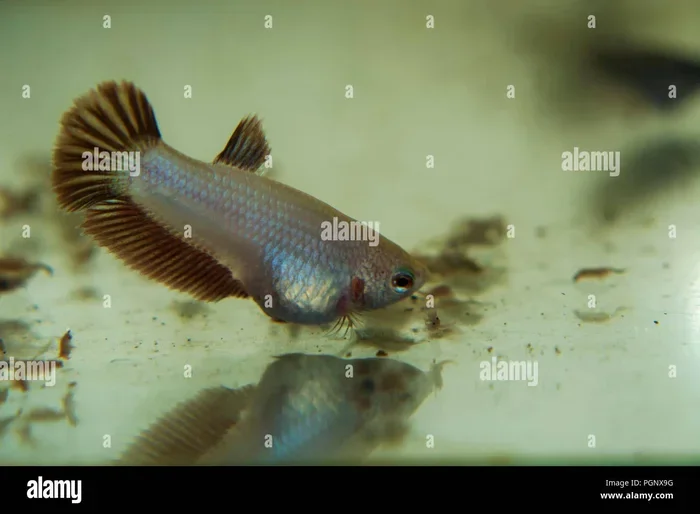
So, what can you feed baby betta fish? Baby bettas need tiny, protein-rich foods like baby brine shrimp, micro worms, and crushed betta pellets to support their rapid growth. Feeding them the right betta fry food at the right frequency makes all the difference in their health and survival.
Raising baby betta fish is one of the most rewarding experiences for fish keepers. But here is the big question: what can you feed baby betta fish? These tiny creatures have very specific needs. Their mouths are small, their stomachs are tinier, and they need lots of protein to grow properly.
Getting the baby betta fish diet right from day one sets the foundation for a healthy, happy fish. In this guide, we will walk through every food option, feeding schedule, and common mistake to avoid. Whether you just hatched your first batch of betta fry or are planning to breed, this article has you covered.
Key Takeaways
- Baby betta fish need small, protein-rich foods that fit their tiny mouths, including brine shrimp, micro worms, and crushed pellets.
- Feed baby bettas 3 to 5 times daily in very small amounts to match their high metabolism and tiny stomachs.
- Avoid overfeeding, which can pollute the water and harm fragile betta fry.
- Homemade foods like boiled egg yolk and blended vegetables can supplement their diet safely.
- Gradually transition to larger foods as your baby betta grows to maintain proper nutrition.
📑 Table of Contents
- What Can You Feed Baby Betta Fish
- How Often Should You Feed Baby Betta Fish
- Foods to Avoid Feeding Baby Betta Fish
- Homemade Food Options for Baby Betta Fish
- Tips for Feeding Baby Betta Fish Successfully
- Common Mistakes When Feeding Baby Betta Fish
- How to Transition Baby Betta Fish to Adult Food
- Expert Insights on Baby Betta Nutrition
- Conclusion
What Can You Feed Baby Betta Fish
When we talk about what can you feed baby betta fish, the answer is simpler than you might think. Baby bettas, also called betta fry, need foods that are small enough to fit in their mouths and packed with protein. Their betta fry food needs to be live, frozen, or specially formulated for tiny fish.
The best part is that there are plenty of options available. You do not need fancy equipment or expensive supplies. Most of these foods are easy to find and simple to prepare. Let us break down the top choices for your baby betta care routine.
Live Foods for Baby Betta Fish
Live foods are the gold standard for baby betta fish diet. They are packed with nutrients and naturally attract hungry fry. Here are the best live food options:
- Baby brine shrimp — These tiny crustaceans are perfect for newborn bettas. They are small, nutritious, and easy to hatch at home.
- Micro worms — These are another excellent first food. They are small enough for even the tiniest fry and full of protein.
- Infusoria — These microscopic organisms are ideal for the very first days of a betta fry’s life. You can culture them easily in a jar.
- Vinegar eels — A great alternative to infusoria. They are easy to grow and baby bettas love them.
Live foods mimic what bettas would eat in the wild. They encourage natural hunting behavior and keep your fry active and healthy. If you can, rotate between two or three live food sources for the best betta nutrition.
Frozen and Freeze-Dried Options
Not everyone has the time or setup to culture live foods. That is where frozen and freeze-dried options come in. They are convenient and still packed with nutrients. Here are the top choices:
- Frozen baby brine shrimp — A convenient alternative to live brine shrimp. Just thaw a small amount before feeding.
- Freeze-dried bloodworms — These should be crushed into a fine powder for baby bettas. They are protein-rich and easy to store.
- Freeze-dried daphnia — Another great option. Daphnia are small and gentle on baby betta digestive systems.
When using frozen or freeze-dried foods, always soak them in tank water before offering them to your fry. This makes them soft and easy to eat. Feeding baby betta fish these options works great as long as you break the food down into tiny pieces.
Commercial Foods for Baby Betta Fish
Commercial foods can be a reliable staple for your betta fry. Look for products specifically designed for baby fish or bettas. Here are the best commercial options:
- Betta fry powder food — Specially formulated for tiny fry. These micro-powders float or sink slowly, making them easy for baby bettas to find.
- Crushed betta pellets — Regular betta pellets can be crushed into very small pieces. This is a cost-effective option that works well.
- Liquid fry food — These are designed for the smallest fry and are absorbed easily by baby bettas.
When choosing commercial foods, check the ingredient list. Look for high protein content and avoid foods filled with fillers. The best betta fish food types for baby bettas list protein as the first ingredient.
How Often Should You Feed Baby Betta Fish
Feeding frequency is just as important as the food itself. Baby bettas have very fast metabolisms and tiny stomachs. They need small meals throughout the day rather than one or two large ones.
Here is a simple feeding schedule to follow:
- Newborn to 1 week old: Feed 5 to 6 times daily with infusoria or vinegar eels.
- 1 to 2 weeks old: Feed 4 to 5 times daily with baby brine shrimp or micro worms.
- 2 to 4 weeks old: Feed 3 to 4 times daily with crushed pellets or a mix of live and frozen foods.
- 4 weeks and older: Feed 2 to 3 times daily with larger foods as they grow.
The key is to offer only what your fry can eat in a few minutes. Overfeeding is one of the biggest dangers in betta fry care. Excess food decays quickly and can spike ammonia levels in the tank. This can be fatal for delicate baby bettas.
Watch your fry closely during feeding time. If food is left uneaten after five minutes, you are giving too much. Adjust the amount down and observe how they respond. A good feeding schedule keeps your fry growing steadily without polluting their water.
Foods to Avoid Feeding Baby Betta Fish
Just as important as knowing what to feed is knowing what not to feed. Some foods can harm baby bettas or simply be too large for them to eat safely.
Foods That Are Too Big
Baby bettas have mouths smaller than a pinhead. Foods that are too large can cause choking or go completely uneaten. Avoid these:
- Full-sized pellets or flakes
- Whole bloodworms
- Large pieces of vegetables
- Any food that does not break down into tiny particles
Foods That Lack Nutrition
Some foods fill a fish up but offer no real nutritional value. These should be avoided entirely for baby bettas:
- Bread and bread crumbs — These expand in the stomach and offer almost no protein.
- Rice — Similar to bread, rice has little nutritional benefit for bettas.
- Human processed foods — Chips, crackers, and other snacks contain salt, preservatives, and fillers that are harmful.
For more information on foods to avoid, check out our guide on can you feed your betta fish bread and can you feed a betta fish rice. These common human foods may seem harmless but can seriously harm your fish.
Homemade Food Options for Baby Betta Fish
Making food at home for your baby bettas is easier than you think. Homemade options give you control over ingredients and quality. Here are some simple recipes that work great for betta fry.
Boiled Egg Yolk
Egg yolk is a fantastic source of protein for baby bettas. Here is how to prepare it:
- Boil an egg and remove the yolk.
- Crush the yolk into a fine powder.
- Soak a tiny pinch in tank water for a few minutes.
- Add it to the fry tank and remove any uneaten portions after a few minutes.
Egg yolk should only be given in very small amounts. Too much can cloud the water quickly. Use it as a supplement, not a staple food.
Blended Vegetables
While baby bettas are primarily carnivores, a small amount of plant matter can help with digestion. Try blending cooked spinach or peas into a fine paste. Just make sure the pieces are tiny enough for your fry to consume easily.
For more homemade food ideas, you can also explore what can you feed betta fish from home for additional safe and creative options.
Tips for Feeding Baby Betta Fish Successfully
Feeding baby bettas is not just about the food you choose. How you feed matters just as much. Here are some practical tips to make feeding time a success.
Create a Stress-Free Feeding Environment
Baby bettas are very sensitive to their environment. Keep the water clean and at a stable temperature between 78 and 80 degrees Fahrenheit. Stress can suppress their appetite and slow their growth. A calm tank makes for hungry, healthy fry.
Use a Dropper or Syringe for Precision
When feeding very young fry, a medicine dropper or syringe gives you control over how much food you add. This prevents overfeeding and ensures every fry gets a chance to eat. Aim the dropper near the fry so they can find the food easily.
Darken the Tank Slightly
Baby bettas feel safer in slightly dimmer conditions. A dim light or floating plants can help reduce stress during feeding. This encourages them to eat more confidently and explore their food without fear.
Observe and Adjust
Every batch of fry is different. Some eat eagerly, while others are pickier. Watch their behavior and body shape. A well-fed betta fry should have a small, rounded belly. If they look thin or are lethargic, try offering a different food type or increasing the feeding frequency slightly.
Common Mistakes When Feeding Baby Betta Fish
Even experienced fish keepers make mistakes with baby bettas. Here are the most common ones and how to avoid them.
- Overfeeding: This is the number one killer of betta fry. Excess food decays fast and poisons the water. Always feed less than you think they need.
- Skipping live food entirely: While frozen foods work, live foods provide the best nutrition and stimulate natural behavior. Try to include at least one live food source.
- Ignoring water quality: Dirty water affects appetite and health. Do frequent small water changes to keep the fry tank pristine.
- Feeding the same food every day: Variety is key to balanced betta nutrition. Rotate between different food types for the best results.
- Waiting too long to start feeding: Baby bettas can starve within hours of hatching. Have your first food source ready before the fry arrive.
For more on avoiding overfeeding, check out our guide on can you feed a betta fish too much. It covers the signs of overfeeding and how to correct it for fish of all ages.
How to Transition Baby Betta Fish to Adult Food
As your betta fry grow, their dietary needs change. Around 4 to 6 weeks old, you can start introducing larger food items. This transition should be gradual to avoid digestive issues.
Start by mixing crushed adult pellets with their regular fry food. Slowly reduce the fry food and increase the adult food over a period of two weeks. By the time they reach two months old, they should be eating standard betta pellets or flakes comfortably.
For more guidance on feeding schedules, you may also want to read about can you feed betta fish every other day as your fish matures and their feeding routine changes.
Expert Insights on Baby Betta Nutrition
According to experienced betta breeders, the first two weeks of a betta fry’s life are the most critical. During this window, proper baby betta fish diet directly impacts survival rates and long-term health. Breeders recommend hatching your own baby brine shrimp as a primary food source because it is affordable, nutritious, and always available.
Another expert tip is to maintain a consistent feeding routine. Baby bettas thrive on predictability. Feed them at the same times each day so they develop a strong feeding response. This also makes it easier for you to monitor their appetite and spot any health issues early.
Conclusion
Knowing what can you feed baby betta fish is the first step toward raising healthy, thriving fry. The right baby betta fish diet combines live foods like baby brine shrimp and micro worms with convenient options like crushed pellets and frozen foods. Stick to a consistent feeding schedule, avoid overfeeding, and always prioritize high-quality protein.
Remember that every small effort you make in the early weeks pays off. Your baby bettas will grow stronger, more colorful, and more active with each passing day. Keep their water clean, their food varied, and their stress low. With patience and the right approach, you will be rewarded with beautiful, healthy bettas that bring joy to your home.
Start implementing these tips today, and you will see the difference in your baby betta care routine. Your little fry will thank you with vibrant colors and lively behavior. Happy fish keeping!
Frequently Asked Questions
What is the best first food for baby betta fish?
The best first food for baby betta fish is infusoria or vinegar eels. These microscopic foods are small enough for newborn fry and packed with nutrients. You can culture them easily at home and start feeding within hours of hatching.
How many times a day should I feed baby betta fish?
Baby bettas should be fed 3 to 5 times daily in very small amounts. Newborn fry need more frequent meals, while older fry can transition to fewer feedings. Always offer only what they can consume within a few minutes to prevent overfeeding.
Can baby betta fish eat bloodworms?
Yes, but only in crushed form. Whole bloodworms are too large for baby bettas. Crush freeze-dried bloodworms into a fine powder and soak them before offering. This makes them soft and easy for tiny fry to eat safely.
Do baby betta fish need live food?
Live food is highly recommended but not strictly required. Frozen and freeze-dried alternatives work well too. However, live foods like baby brine shrimp and micro worms provide the best nutrition and encourage natural hunting behavior in betta fry.
When can baby betta fish eat regular betta pellets?
Baby bettas can start eating crushed regular pellets around 2 to 3 weeks old. By 4 to 6 weeks, they can handle small whole pellets. Gradually increase pellet size as your fish grows to support healthy development.
What happens if I overfeed my baby betta fish?
Overfeeding can cause deadly water quality issues in a fry tank. Uneaten food decays rapidly, spiking ammonia and nitrite levels. This can lead to disease or death in baby bettas. Always feed small amounts and remove any uneaten food promptly.