Is Fishing Better in Cooler Weathers
Is fishing better in cooler weathers? The short answer is yes — many fish species become more active and feed more aggressively when water temperatures drop. Cooler weather fishing can yield bigger catches because fish metabolism shifts, making them hungry and easier to target. In this guide, you will learn exactly why cold water fishing works, what gear to use, and how to adjust your techniques for the best results.
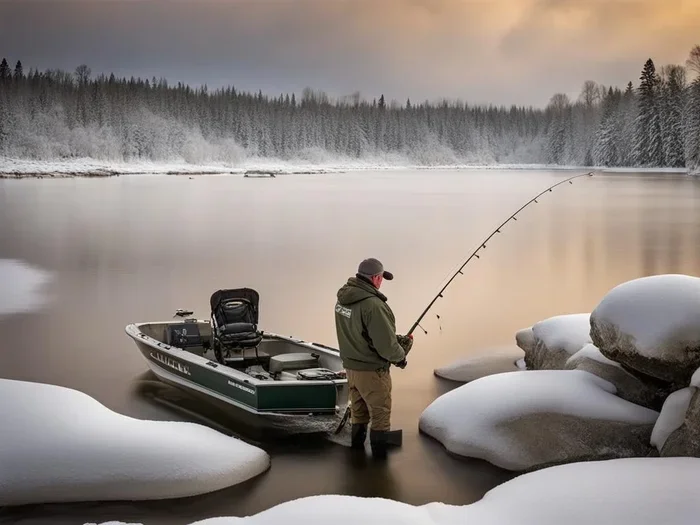
There is something magical about heading out to the water when the air turns crisp and the leaves start to change. Fishing in cooler weather offers a peaceful experience that hot summer days simply cannot match. But beyond the beauty, there is a very real reason why many anglers chase the cold months. The fish are hungry, the water is still, and the bites can be surprisingly strong.
So, is fishing better in cooler weathers? Based on years of angler experience and biological science, the answer leans strongly toward yes. In this article, we will break down exactly why cooler temperatures change fish behavior, which species benefit the most, and how you can make the most of your next cold-weather trip.
Key Takeaways
- Fish feed more in cooler water: Lower temperatures increase hunger and feeding activity in many species.
- Timing matters: Early morning and overcast days produce the best results in cooler weather.
- Gear adjustments are essential: Slower presentations and lighter lines work best when water is cold.
- Location changes with temperature: Fish move to deeper or warmer spots during cooler seasons.
- Patience pays off: Fishing in cool weather requires slower techniques and steady persistence.
📑 Table of Contents
Why Cooler Weather Makes Fishing Better
Understanding why cold water fishing works starts with fish biology. Fish are cold-blooded creatures, which means their body temperature matches the water around them. When the water cools down, their metabolism slows, but their need for food does not disappear. In fact, many species eat more before winter sets in.
The Science Behind Fish Activity in Cold Water
Fish do not stop eating when the temperature drops. They simply eat differently. In cooler water, their digestion slows, so they prefer smaller meals more frequently. This is why slow fishing techniques work so well in the fall and winter months.
When water temperatures range between 50 and 65 degrees Fahrenheit, many freshwater species like bass and trout become surprisingly active. They move into feeding mode, searching for easy meals before the coldest months arrive. This window is often called the “fall feed-up,” and smart anglers take full advantage of it.
How Water Temperature Affects Fish Metabolism
Here is a simple way to think about it. When water is warm, fish have lots of energy and can be picky. When water is cooler, they need to conserve energy but still must eat to survive. This creates a perfect opportunity for anglers. The fish are willing to work harder for food because they know winter is coming.
Fish metabolism in cold water slows down, but it does not stop. They still need calories to maintain their body functions. This means they will strike at lures and baits that present an easy, low-effort meal. That is why slow presentations and natural-looking baits dominate in cooler conditions.
Best Fish Species for Cooler Weather Fishing
Not all fish react the same way to cooler temperatures. Some species actually thrive in cold water and become easier to catch during fall and winter. Here are the top species that make cooler weather fishing worth your time.
Bass Fishing in Cold Water
Bass are excellent targets in cooler weather. As water temperatures drop into the 50s and low 60s, bass move shallower to feed before winter. Cold weather bass fishing can produce some of the biggest catches of the year. Large bass especially feed aggressively in the fall to build up fat reserves.
Use soft plastics, crankbaits, and jigs in natural colors. The key is to fish slowly and let the bait stay in the strike zone longer. Bass in cooler water do not chase fast-moving lures very often.
Trout and Cold-Water Species
Trout love cool water. In fact, they perform best in temperatures between 50 and 65 degrees. Trout fishing in cool weather can be incredibly productive, especially in streams and rivers where cold water flows naturally.
Other species like walleye, perch, and pike also become more active in cooler conditions. These predatory fish know that prey fish are moving into shallower areas, and they follow the food. If you target these species during the fall, you will likely see excellent results.
Best Times of Day for Cooler Weather Fishing
Timing plays a huge role in how successful your trip will be. Even though cooler weather generally improves fishing, certain times of day work better than others.
Early Morning Fishing in Cool Weather
Early morning is often the best window for fishing in cooler weathers. The water has had all night to cool down, and fish are actively feeding before the sun rises higher. If you can get on the water at dawn, you will give yourself the best chance for success.
Many anglers find that the first two hours after sunrise produce the most bites. The light is low, the water is cool, and fish are in feeding mode. This aligns well with why fishing is better in the morning, and it becomes even more true during cooler seasons.
Overcast and Low-Pressure Days
Overcast skies are a blessing for cooler weather fishing. Clouds block direct sunlight and keep water temperatures stable. Fish feel more comfortable and are more likely to venture out from deep structures to feed.
Similarly, low pressure systems often bring cooler air and cloud cover. Many experienced anglers believe that fish feed more actively before a cold front arrives. If you notice the barometer dropping, grab your gear and head to the water.
On the flip side, fishing right after a storm passes can also be productive. Is fishing better after a storm? Many anglers say yes, because the change in pressure triggers feeding behavior. Just make sure conditions are safe before you head out.
Gear and Techniques for Fishing in Cooler Weather
Having the right gear makes all the difference when you are fishing in cooler conditions. The techniques you use in summer simply will not work the same way when the water is cold.
Choosing the Right Tackle
In cooler water, fish are slower and less aggressive. You need gear that allows you to present your bait naturally and slowly. Here are some tips for selecting the right tackle:
- Use lighter line: Lighter lines like 4 to 6 pound test work well in cold water because they look more natural and move more slowly through the water.
- Choose smaller lures: Fish are not willing to chase large baits in the cold. Downsizing your lures will lead to more strikes.
- Go with natural colors: Browns, greens, blacks, and whites mimic the natural prey fish are used to seeing in cooler months.
- Use slower-action rods: A moderate or slow action rod helps you keep your bait in the strike zone longer, which is exactly what cold-water fish need.
Slow Down Your Presentation
The single most important technique for fishing in cooler weathers is to slow everything down. Retrieve your lures slower than you think you should. Let your bait sit on the bottom longer. Give the fish time to find it and commit to the strike.
One technique that works wonders in cold water is the deadstick method. Simply drop your bait near structure, let it sit completely still, and wait. Fish in cooler water often prefer a meal that does not require any effort to catch.
Dress for Success in Cool Weather
Fishing in cooler weather means dealing with changing temperatures and possible rain. Layering your clothing is key. Start with a moisture-wicking base layer, add an insulating mid-layer, and finish with a waterproof outer shell. Being comfortable lets you stay on the water longer, which always increases your chances of success.
Common Mistakes When Fishing in Cooler Weather
Even experienced anglers make mistakes when the temperature drops. Avoiding these common errors will help you catch more fish and enjoy your time on the water.
Fishing Too Fast
The biggest mistake in cold water is moving too quickly. Many anglers still use summer retrieves and speed through their casts. In cooler weather, fish need time to find your bait. Slow down, be patient, and let the lure do the work.
Ignoring Water Temperature
Air temperature can be misleading. What matters most is the water temperature. A sunny 60-degree day might still have cold water that keeps fish sluggish. Use a thermometer to check the water before you start fishing. This simple step can completely change your approach and results.
Staying in One Spot Too Long
Fish in cooler water often hold in specific areas that are slightly warmer or have food sources. If you are not getting bites, do not be afraid to move. Try different depths, switch to a different structure, or explore a new area. Being mobile helps you find where the fish are actually holding.
Expert Tips for Maximizing Cooler Weather Fishing Success
Here are some pro tips that separate successful cold-water anglers from the rest of the pack.
- Fish the edges of structure: In cooler water, fish tend to hang near the edges of weed beds, fallen trees, and drop-offs. These transition zones are prime feeding spots.
- Use electronics to find fish: A fish finder becomes even more valuable in cooler weather because fish are holding in tighter groups. Locate them and pitch your bait right on target.
- Match the hatch: Pay attention to what insects or baitfish are active in your area. Using the right bait pattern makes a huge difference when fish are being selective.
- Fish after sunrise and before sunset: These low-light periods trigger feeding activity even in cold water. Why fishing is better in the morning applies year-round, but it is especially true in the fall and winter.
- Stay patient and positive: Catching fish in cooler weather takes more time. Do not get discouraged if the first hour is slow. The fish will come once you find the right spot and presentation.
Many anglers also find that fishing in the rain or during changing weather patterns produces excellent results. If you notice the sky darkening and the temperature dropping, that could be your signal to grab your rod. Is fishing better in the rain? For many species, yes, and this effect is amplified during cooler seasons when the rain further drops water temperatures and triggers feeding.
Conclusion
So, is fishing better in cooler weathers? The evidence and experience both point to a clear yes. Cooler water changes fish behavior in ways that favor the angler who is willing to adapt. Fish feed more aggressively, they hold in predictable areas, and the overall fishing experience becomes more peaceful and enjoyable.
The key is understanding that cold-water fishing requires patience, the right gear, and adjusted techniques. Slow down your presentation, pay attention to water temperature, and target species that thrive in cooler conditions. Whether you are chasing bass in the fall or trout in early winter, the rewards are well worth the effort.
Next time the temperature drops, do not pack up your gear. Head to the water instead. You might just discover that cooler weather fishing is your new favorite way to spend a day outdoors.
Frequently Asked Questions
Does colder water mean better fishing?
Not always, but for many species, cooler water triggers feeding activity. Fish like bass and trout become more aggressive in water temperatures between 50 and 65 degrees. The key is matching your techniques to the colder conditions.
What is the best temperature for fishing in fall?
The sweet spot for most freshwater species is between 50 and 65 degrees Fahrenheit. In this range, fish are active and feeding regularly. Use a water thermometer to track conditions and adjust your approach accordingly.
Is it worth fishing in the rain during cooler weather?
Yes, fishing in the rain during cooler weather can be excellent. Rain drops water temperature further and pushes insects into the water, triggering feeding responses. Many anglers find that overcast rainy days produce some of their best catches in fall and winter.
Why do fish feed more before winter?
Fish need to build up fat reserves before cold months when food becomes scarce. This natural instinct makes them feed more aggressively in cooler water, giving anglers a better chance of getting bites.
Should I change my fishing line for cold water?
Switching to lighter line in cold water is a good idea. Thinner lines move more naturally through cooler water and are less visible to fish that are being more cautious in low temperatures.
What species are best for cooler weather fishing?
Bass, trout, walleye, perch, and pike all respond well to cooler water. Each species has its own preferences, so research your local waters to find which species are most active during the cooler months.