What Can You Feed Betta Fish from Home

Feeding betta fish at home is easy and affordable when you know the right choices. From simple veggies to live treats, this guide shows you exactly what can you feed betta fish from home without compromising their health.
Key Takeaways
- Balance is essential: Combine high‑protein staples with occasional treats for optimal health.
- Fresh is best: Homemade foods should be prepared daily or stored properly to avoid spoilage.
- Size matters: Cut or crush foods to a bite‑size that matches a betta’s small mouth.
- Variety prevents boredom: Rotate proteins, veggies, and occasional treats to keep your fish interested.
- Safety first: Avoid foods with preservatives, high salt, or strong chemicals.
- Observe and adjust: Watch your betta’s response and modify portions if you see waste or health changes.
- Supplement wisely: Use occasional live or frozen foods for essential nutrients not found in dry feeds.
📑 Table of Contents
- Introduction: Why Homemade Feeding Matters
- 1. The Basics: Understanding a Betta’s Nutritional Needs
- 2. Pantry Staples You Can Turn into Betta Meals
- 3. Fresh Vegetables and Fruits (In Small Doses)
- 4. Live and Frozen Foods: Bringing the Wild Into Your Tank
- 5. Homemade Betta Food Recipes
- 6. Feeding Schedule and Portion Control
- 7. Common Mistakes to Avoid
- Conclusion: A Happy Betta Starts with Thoughtful Home Feeding
Introduction: Why Homemade Feeding Matters
Betta fish are vibrant, curious, and surprisingly picky eaters. While commercial pellets and flakes are convenient, many owners wonder what can you feed betta fish from home to give them a more natural, nutritious diet. Homemade options let you control ingredients, avoid unwanted additives, and even save money.
In this friendly guide we’ll walk through safe pantry staples, fresh vegetables, live and frozen treats, and handy recipes you can whip up in minutes. Think of it as a “cookbook” for your finned friend, written in plain language and packed with practical tips.
1. The Basics: Understanding a Betta’s Nutritional Needs
Protein is the star
Betta fish are carnivorous. In the wild they hunt insects and tiny crustaceans, so a diet rich in protein is non‑negotiable. Aim for at least 50‑70% protein in every meal.

Visual guide about What Can You Feed Betta Fish from Home
Image source: i.ytimg.com
Fats and carbs
Fats provide energy and help absorb vitamins, while carbs are a minor component. Too many carbs can cause constipation, so keep them low.
Vitamins and minerals
Vitamin A, B‑complex, C, calcium, and magnesium support color, immune health, and fin condition. Fresh foods naturally contain many of these, but a high‑quality betta pellet can act as a vitamin “insurance policy.”
2. Pantry Staples You Can Turn into Betta Meals
Egg yolk – a protein powerhouse
Crack a fresh egg, separate the yolk, and mash it into a fine paste. Mix with a tiny splash of water and a pinch of fish‑food powder if you have it. Offer a pea‑size dab once a day. Tip: Use only the yolk; the white is too high in protein and can cause kidney strain.

Visual guide about What Can You Feed Betta Fish from Home
Image source: silverweasel37.sakura.ne.jp
Cooked salmon or tuna
Take a small piece of canned salmon (in water, no added salt) or fresh cooked salmon. Flake it finely and serve a pea‑size amount. This is an excellent source of omega‑3 fatty acids, which keep fins glossy.
Plain, unsweetened yogurt
Just a dab (about the size of a grain of rice) can provide beneficial bacteria for gut health. Make sure it’s plain, low‑fat, and free of artificial sweeteners.
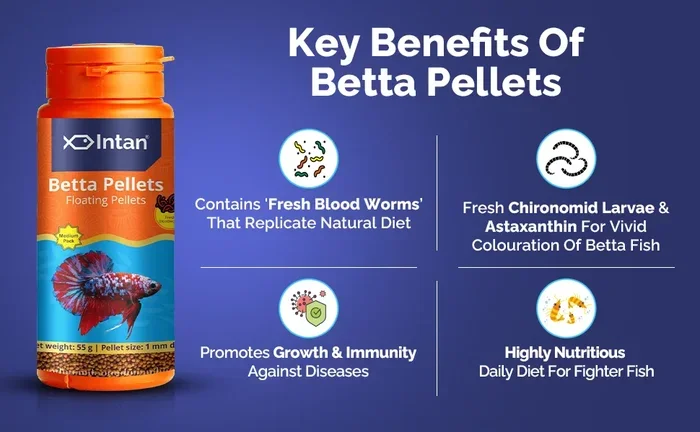
Commercial betta pellets – the base
Even when you’re feeding homemade foods, keep a high‑quality pellet on hand for daily nutrition. It ensures your betta receives a balanced vitamin mix.
For more on choosing the right pellet, see our article Can You Feed Tropical Flakes To Betta Fish.
3. Fresh Vegetables and Fruits (In Small Doses)
Peas – the classic constipation cure
Boil a frozen green pea until soft, remove the skin, and mash the inner part. Offer a tiny spoonful once a week. It’s high in fiber and helps with digestion.
Zucchini and cucumber
Slice very thin strips, blanch briefly, and let cool. These vegetables are low in calories and provide hydration.
Spinach
Blanch a few leaves, chop finely, and mix with a pinch of fish food. Spinach supplies iron and vitamin K.
Blueberries (rare treat)
Crush one tiny piece and rinse well. The antioxidants are great, but limit to once a month to avoid sugar overload.
4. Live and Frozen Foods: Bringing the Wild Into Your Tank
Brine shrimp
One of the most popular live foods, brine shrimp are tiny, easy to digest, and rich in protein. Hatch them from eggs using a simple DIY kit, then feed a few to your betta 2–3 times a week.
Read more about brine shrimp at Can You Feed Brine Shrimp To Betta Fish.
Bloodworms
These are the red, noodle‑like larvae of midge flies. Offer frozen or freeze‑dried bloodworms in small amounts; they’re high in protein but can be fatty, so limit to once a week.
Microworms and Daphnia
Microworms are perfect for fry, while Daphnia (water fleas) provide a good source of fiber. Both can be cultured at home with minimal equipment.
Mosquito larvae
Collect larvae from a clean, pesticide‑free pond, rinse thoroughly, and feed a few to your betta. They’re a natural, protein‑rich snack.
For a deeper dive on mosquito larvae, check Can You Feed Betta Fish Mosquito Larvae.
5. Homemade Betta Food Recipes
Simple Egg‑Yolk & Pellet Mix
- 1 egg yolk
- 1 tsp high‑quality betta pellet powder
- A few drops of dechlorinated water
Mash together until smooth. Form tiny beads (size of a grain of rice) and let dry for 30 minutes. Store in the fridge for up to two days.
Protein‑Packed Salmon Paste
- ½ tsp canned salmon (water)
- ¼ tsp plain yogurt
- ½ tsp finely crushed betta flakes
Blend into a smooth paste, spoon a pea‑size dollop onto a plate, and feed immediately.
Veggie‑Boosted Pea Mash
- 1 cooked green pea (skin removed)
- 1 tiny piece of boiled zucchini
- A pinch of calcium powder (optional)
Mash together and serve once a week for gut health.
6. Feeding Schedule and Portion Control
How often?
Adult bettas thrive on 2 feedings per day, about 2–3 minutes apart. Fry need 3–4 feedings. Over‑feeding leads to cloudy water and health issues.
Portion size
Offer an amount they can consume in 2 minutes. If food remains, remove it to keep the tank clean.
Fast days
Give your betta a “fast” day once a week. This mimics natural feeding patterns and helps prevent obesity.
7. Common Mistakes to Avoid
- Feeding too much: Leads to bloating and water quality problems.
- Using salty or seasoned foods: Salt stress can damage gills.
- Offering large live prey: Betta mouths are small; large items can cause choking.
- Skipping the base pellet: Homemade foods lack some essential vitamins.
- Storing homemade food too long: Bacterial growth can make fish sick.
Conclusion: A Happy Betta Starts with Thoughtful Home Feeding
Now you know exactly what can you feed betta fish from home—from protein‑rich egg yolk and salmon to occasional veggie treats and live brine shrimp. By balancing commercial pellets with fresh, homemade options, you’ll keep your betta’s colors bright, fins flowing, and temperament lively. Remember to watch your fish, adjust portions, and keep the tank clean. Happy feeding!
Frequently Asked Questions
Can I feed my betta fish regular chicken or beef?
No. Red meat is too fatty and can cause digestive problems. Stick to fish‑based proteins and approved live foods.
Is it safe to give my betta a piece of fruit?
Only in very tiny amounts, like a single crushed blueberry once a month. Most fruits are high in sugar and not needed.
How long can homemade betta food be stored?
In the refrigerator, homemade mixes should be used within 48 hours. Freeze for longer storage, but thaw and use within 24 hours.
Can I feed my betta fish goldfish flakes?
Goldfish flakes are low in protein and contain fillers that bettas don’t need. It’s better to choose a betta‑specific pellet or the homemade options listed above.
Do bettas need supplements if I feed them homemade meals?
If you include a high‑quality pellet a few times a week, most vitamins are covered. Otherwise, a liquid vitamin supplement can be added once a month.
What should I do if my betta stops eating?
Check water parameters, reduce feeding frequency, and offer a favorite live food like brine shrimp. If the appetite loss continues, consult a veterinarian.