Can Betta Fish Die from Tap Water

Tap water can be dangerous for betta fish if it contains harmful chemicals or incorrect parameters. Proper conditioning, testing, and temperature control are essential to prevent sudden death. Follow these simple tips to ensure your betta lives a long, vibrant life.
Key Takeaways
- Tap water isn’t always ready: Unfiltered tap water often holds chlorine, chloramine, and heavy metals that can stress or kill bettas.
- Conditioning is vital: A good water conditioner neutralizes toxins and adds beneficial electrolytes.
- Temperature matters: Betta fish need water between 76‑82°F (24‑28°C); cold tap water can cause shock.
- Test before you tank: Use a test kit to check pH, hardness, and ammonia levels before adding your fish.
- Regular maintenance saves lives: Weekly water changes and proper filtration keep parameters stable.
- Alternative water sources: Filtered, bottled, or conditioned rainwater can be safer than raw tap water.
- Observe your betta: Labored breathing, faded colors, or fin rot signal water‑quality problems.
📑 Table of Contents
- Introduction: Why the Question Matters
- 1. What’s Inside Your Tap Water?
- 2. How Tap Water Can Directly Cause Death
- 3. Making Tap Water Safe – Step‑by‑Step Guide
- 4. Alternatives to Tap Water
- 5. Signs Your Betta Is Suffering From Bad Water
- 6. Frequently Overlooked Tips for Long‑Term Success
- Conclusion: Keep Your Betta Safe and Happy
Introduction: Why the Question Matters
If you’ve just brought home a bright‑red betta, the excitement is real. You probably rushed to fill the tank with water from the kitchen faucet, assuming it’s “just water.” But many new owners soon discover that tap water can hide invisible threats. The result? A sudden, heartbreaking loss that could have been avoided.
In this article we’ll break down exactly how tap water can harm bettas, what you can do to make it safe, and how to spot early warning signs. Think of it as a friendly chat over coffee—simple language, clear steps, and plenty of real‑world examples.
1. What’s Inside Your Tap Water?
Common additives that bettas hate
Municipal water systems treat water to keep humans safe, but the chemicals they add are often toxic to fish. The two biggest culprits are:

Visual guide about Can Betta Fish Die from Tap Water
Image source: shutterstock.com
- Chlorine: Used to kill bacteria. In fish, it irritates gills and can cause rapid breathing problems.
- Chloramine: A combination of chlorine and ammonia. It’s more stable than chlorine, so it stays in the water longer and is even tougher on delicate gill tissue.
Some cities also add heavy metals like copper or zinc to control pipe growth. Even in tiny amounts, these metals can interfere with a betta’s osmoregulation, leading to stress or death.
Hardness and pH – the silent killers
Tap water varies widely in hardness (the amount of dissolved calcium and magnesium) and pH (how acidic or alkaline it is). Betta fish prefer a slightly soft to moderate water hardness (3‑8 dGH) and a pH between 6.5‑7.5. If your tap water is very hard (12+ dGH) or highly alkaline (pH > 8), your betta may struggle to maintain proper ion balance, leading to lethargy or fin rot.
2. How Tap Water Can Directly Cause Death
Acute chlorine/chloramine shock
Imagine dumping a bucket of water straight from the tap into a betta’s tiny tank. The sudden surge of chlorine can cause gill tissue to swell, making it impossible for the fish to extract oxygen. Within minutes, you may see frantic surface breathing or a limp, lifeless float. This is called “chlorine shock” and is a leading cause of sudden death.
Visual guide about Can Betta Fish Die from Tap Water
Image source: images.pexels.com
Temperature shock
Tap water is usually around 50‑60°F (10‑15°C) in many regions. Betta fish are tropical and need warm water. A rapid drop in temperature can slow metabolism, depress the immune system, and trigger a fatal cascade of organ failure. Always bring water to the proper temperature before introducing your fish.
Long‑term stress from poor parameters
Even if you condition the water, untreated tap water may still have a pH or hardness outside the betta’s comfort zone. Over weeks, this “parameter stress” weakens the fish’s immune system, making it vulnerable to fin rot, fungal infections, and parasites. In severe cases, the stress alone can be lethal.
3. Making Tap Water Safe – Step‑by‑Step Guide
Step 1: Test Your Water
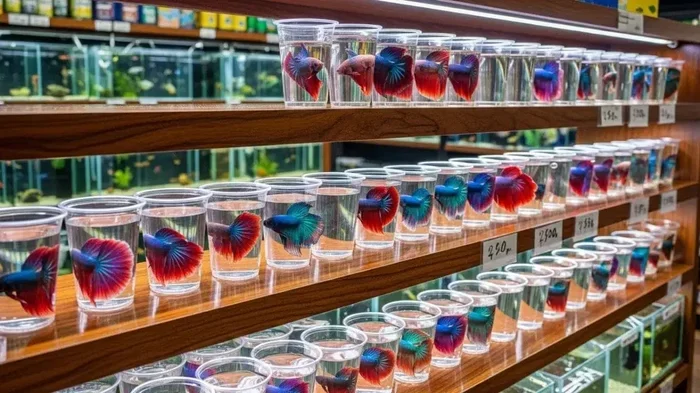
Buy a simple aquarium test kit (available at pet stores) and check for pH, hardness, ammonia, nitrite, and nitrate. Write down the numbers. If the pH is above 8 or the hardness is over 12 dGH, you’ll need to adjust it.

Visual guide about Can Betta Fish Die from Tap Water
Image source: img.pchome.com.tw
Step 2: Condition the Water
Use a high‑quality water conditioner that neutralizes both chlorine and chloramine. Follow the label – most products require about 5 ml per 20 L of water. Conditioners also add beneficial electrolytes that help bettas cope with minor parameter shifts.
For a deeper dive on conditioning, see our guide on How To Condition Tap Water For Betta Fish.
Step 3: Adjust Temperature
Place the conditioned water in a clean container and use an aquarium heater or a submersible heater to bring the temperature to 78°F (25.5°C). A cheap aquarium thermometer will let you monitor it accurately. Never add cold tap water directly to the tank.
Step 4: Modify pH and Hardness (if needed)
- Lowering pH: Add a small amount of peat moss or a commercial pH‑down product. Test frequently; a change of 0.2‑0.3 is enough.
- Softening hardness: Use reverse osmosis (RO) water mixed with tap water (50/50) to bring down dGH. You can also add driftwood, which naturally releases tannins and softens water.
Step 5: Cycle the Tank (or Use a Pre‑Cycled Tank)
Even bettas can suffer from ammonia spikes in a new tank. If you’re setting up a fresh aquarium, run the filter for at least 24‑48 hours, add a bacterial starter, and test for zero ammonia before introducing your fish. Alternatively, buy a pre‑cycled tank from a reputable source.
Step 6: Monitor and Maintain
After the first week, test the water every 2‑3 days. Perform a 25‑30% water change weekly with freshly conditioned tap water. This keeps nitrate levels low and maintains stable parameters.
4. Alternatives to Tap Water
Filtered or RO water
Many hobbyists prefer filtered (activated carbon) or reverse‑osmosis water because it starts with fewer contaminants. Mixing RO water with a small portion of tap water can give you the best of both worlds: low contaminants and stable mineral content.
Bottled or spring water
Some brands of bottled spring water have a pH and hardness already in the ideal range for bettas. However, always test before use—bottled water can vary by brand and region.
Distilled water – use with caution
Distilled water is completely pure, lacking any minerals. Betta fish can live in it only if you add a mineral supplement to restore essential ions. For most beginners, it’s easier to stick with conditioned tap or filtered water.
5. Signs Your Betta Is Suffering From Bad Water
Physical symptoms
- Labored breathing: Gasping at the surface or fluttering fins.
- Faded coloration: Dull reds or pale fins often signal stress.
- Fin rot or torn fins: White edges, frayed tips, or missing pieces.
- Loss of appetite: Refusing to eat for more than 24‑48 hours.
Behavioral clues
Betas are usually curious and will explore their environment. If your fish spends most of the day hiding at the bottom, it could be a sign of uncomfortable water conditions.
What to do if you see these signs
Immediately test the water. If chlorine or chloramine is present, perform a 50% water change with freshly conditioned water. Raise the temperature if it’s below 76°F. Add a water conditioner that includes stress‑relief additives, and consider a short‑term antibiotic dip if fin rot is advanced.
6. Frequently Overlooked Tips for Long‑Term Success
Don’t over‑condition
Using too much water conditioner can raise the water’s pH and add unnecessary chemicals. Follow the manufacturer’s dosage guidelines exactly.
Cover your tank
Betta fish love to jump. A simple glass lid prevents accidental splashes that could introduce untreated tap water back into the tank.
Use a gentle filter
Strong currents stress bettas. A small sponge filter or a low‑flow hang‑on filter keeps the water clean without creating a torrent.
Regularly clean the substrate
Uneaten food and waste can produce ammonia. Vacuum the bottom once a week during water changes.
Know your local water
Water quality varies by city. If you’re unsure about chlorine or chloramine levels, call your local water utility or check their online report. This knowledge helps you choose the right conditioner.
Conclusion: Keep Your Betta Safe and Happy
Tap water can indeed be a silent killer for betta fish if you ignore its hidden chemicals and temperature. By testing, conditioning, and adjusting the water before it meets your finned friend, you create a safe haven where your betta can display its brilliant colors and lively personality for years to come. Remember the simple mantra: Test first, condition second, and always match the temperature. With these steps, you’ll never have to wonder, “Can betta fish die from tap water?” again.
Frequently Asked Questions
Can betta fish survive in untreated tap water?
No. Untreated tap water typically contains chlorine or chloramine, which can cause immediate gill damage and death.
How long does it take for a water conditioner to neutralize chloramine?
Most conditioners work within minutes, but it’s safest to wait at least 15‑20 minutes before adding your betta.
Is filtered water better than tap water for bettas?
Filtered water removes many impurities and can reduce chlorine levels, but you still need a conditioner to neutralize any remaining chloramine.
Can I use bottled spring water for my betta tank?
Yes, if the pH and hardness are within the betta’s preferred range. Always test the water first.
What temperature should I set my betta’s tank to?
Betta fish thrive in water that’s 76‑82°F (24‑28°C). Use an aquarium heater to maintain a stable temperature.
How often should I change the water in a betta tank?
Change 25‑30% of the water weekly with freshly conditioned tap water to keep parameters stable and prevent toxin buildup.