What Can Betta Fish Fit or Live In
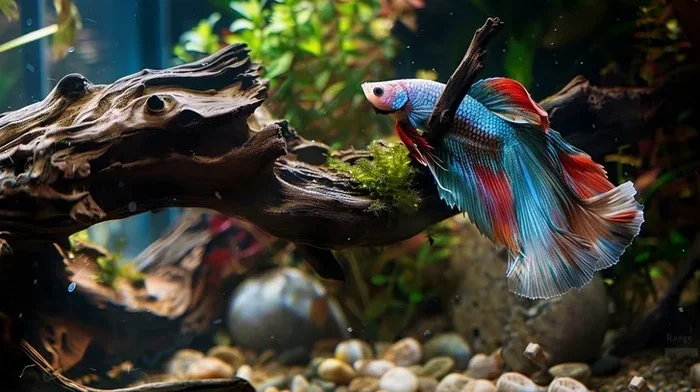
So, what can betta fish fit or live in? The answer is more versatile than most people think. Bettas can thrive in aquariums, bowls, jars, and even outdoor ponds when conditions are right. This guide covers every viable habitat option so you can choose the best home for your betta.
If you own a betta fish, you have probably wondered about the best place to keep it. The question of what can betta fish fit or live in comes up a lot among new fish owners. Bettas are surprisingly adaptable creatures. They can live in many different types of containers and environments. But not all setups are equal. Some options work great, while others can harm your fish. This guide breaks down every viable habitat so you can make the best choice for your betta.
Understanding your betta’s needs is the first step. Bettas come from warm, slow-moving waters in Southeast Asia. They have a special organ called a labyrinth that lets them breathe air from the surface. This means they can survive in smaller bodies of water than most fish. But surviving is not the same as thriving. The right habitat makes all the difference between a healthy, colorful betta and a stressed, sick one.
Key Takeaways
- Bettas need at least 2.5 gallons: A proper tank gives your betta room to swim and stay healthy.
- Bowls work but have limits: Small bowls are okay for bettas if you maintain clean water consistently.
- Bettas can live in pairs under the right setup: A large tank with plenty of hiding spots makes cohabitation possible.
- Unusual habitats like jars and ponds can work: Creative setups are fine as long as water quality stays stable.
- Water conditions matter more than the container: Temperature, filtration, and cleanliness are the real keys to a happy betta.
- Avoid tiny, unfiltered containers: Poor living spaces lead to stress, illness, and a shorter lifespan.
📑 Table of Contents
- What Can Betta Fish Live In? Standard Tank Options
- What Can Betta Fish Fit In: Bowl and Small Container Options
- Unusual Habitats: Creative Places Bettas Can Live
- What Do Bettas Need to Thrive in Any Habitat?
- Common Mistakes People Make When Choosing a Betta Habitat
- Can Bettas Live With Other Fish?
- Final Thoughts on Betta Fish Habitats
What Can Betta Fish Live In? Standard Tank Options
The most common and recommended home for a betta is a proper aquarium. When people ask what can betta fish live in, the aquarium is always the top answer. A tank gives your betta stable water conditions, room to explore, and space for enrichment.
Betta Fish Tanks: The Gold Standard
A dedicated betta tank is the best choice for most fish owners. Bettas need at least 2.5 gallons of water to stay healthy. A 5-gallon tank is even better because it gives you more room for heating and filtration. Larger tanks also make it easier to maintain stable water parameters.
Here is why a tank works so well for bettas:
- Stable temperature: A heater keeps the water between 76 and 82 degrees Fahrenheit.
- Filtration: A gentle filter removes waste without creating strong currents.
- Space to swim: Bettas love to explore. A tank gives them room to move around.
- Easy to decorate: Plants, caves, and driftwood make the tank feel like a natural habitat.
If you are new to fish keeping, a 5-gallon betta tank is the sweet spot. It is easy to manage and gives your fish a great quality of life. You can learn more about setting up a proper betta habitat in our article on can betta fish live in an aquarium.
Tank Size Guide for Bettas
| Tank Size | Best For | Difficulty Level |
|---|---|---|
| 2.5 gallons | Single betta, minimal setup | Easy |
| 5 gallons | Single betta with heater and filter | Easy to Moderate |
| 10 gallons | Betta with tank mates or plants | Moderate |
| 20 gallons | Community tanks with bettas | Moderate to Advanced |
What Can Betta Fish Fit In: Bowl and Small Container Options
Many people keep bettas in bowls. The question of what can betta fish fit in often leads to bowls, jars, and small containers. These options can work, but they come with important limitations you need to know about.
Betta Bowls: Pros and Cons
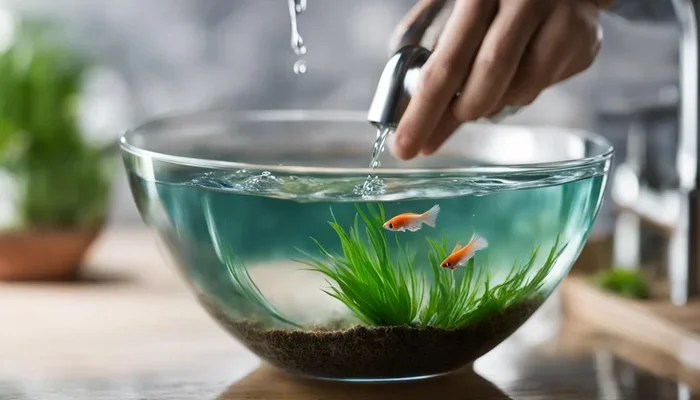
A betta bowl is a small, round container that holds between 0.5 and 1.5 gallons. Bowls are popular because they look nice and take up little space. But they are not ideal for long-term betta care.
Here are the main pros and cons of keeping a betta in a bowl:
- Pros: Easy to set up, affordable, and visually appealing.
- Cons: No room for a heater or filter, water quality drops fast, and the betta has limited space.
If you use a bowl, you must change the water frequently. A full water change every two days is the minimum. Without regular changes, ammonia builds up quickly and can harm your fish. You can read more about keeping bettas in bowls in our guide on can betta fish live in a bowl.
Jars and Small Containers
Some betta owners use mason jars or small glass containers. These can work as temporary homes or for breeding purposes. A mason jar provides enough space for a single betta if you keep the water clean. But jars lack filtration and heating, which means you need to monitor water temperature and quality closely.
For more details on mason jars, check out our article on can betta fish live in mason jars.
Unusual Habitats: Creative Places Bettas Can Live
Bettas are more flexible than most people realize. They can live in some surprising places if the conditions are right. Let us explore some of the more creative options for housing your betta.
Outdoor Ponds
Can bettas live outside? Yes, they can. Bettas can thrive in outdoor ponds during warm months. A pond with plenty of plants and shade works well. The water temperature should stay between 76 and 82 degrees. If you live in a cooler climate, bring your betta indoors before temperatures drop.
You can find more information about outdoor living in our article on can betta fish live in an outdoor pond.
Plants and Natural Setups
Bettas love planted environments. A tank or bowl with live plants gives your betta hiding spots and something to explore. Plants also help keep the water clean by absorbing nitrates. Some popular plants for bettas include java fern, anubias, and amazon sword.
You can even create a biotype setup that mimics the betta’s natural habitat in Southeast Asia. Use soft substrate, floating plants, and gentle lighting. This type of setup reduces stress and brings out your betta’s natural colors.
Office Desks and Small Spaces
Many people keep bettas on office desks or in small dorm rooms. A 3-gallon tank on a desk can work well if you add a small heater and filter. Bettas are quiet and low-maintenance, which makes them great office pets. They add a calming presence to any workspace.
What Do Bettas Need to Thrive in Any Habitat?
No matter where you keep your betta, certain basics must be met. The container is only one part of the equation. The real key to a happy betta is the environment you create inside it.
Water Temperature
Bettas need warm water to stay healthy. The ideal temperature range is 76 to 82 degrees Fahrenheit. Cold water slows down a betta’s metabolism and makes it vulnerable to illness. A small heater is essential for any tank under 10 gallons.
Water Quality
Clean water is non-negotiable. Ammonia and nitrite levels must stay at zero. Nitrate should be below 20 parts per million. Regular water changes are the best way to maintain quality. In a small bowl, change 50 percent of the water every two days. In a larger tank, change 25 percent weekly.
Filtration
Bettas do not like strong currents. A gentle sponge filter works best. It removes waste without creating too much flow. If you keep your betta in a bowl or jar without a filter, you will need to do more frequent water changes to compensate.
Enrichment and Hiding Spots
Bettas get bored in empty tanks. Add plants, caves, and soft decorations. These give your betta places to hide and explore. A happy betta is an active betta. Look for signs of enrichment like bubble nests and colorful displays.
Common Mistakes People Make When Choosing a Betta Habitat
Avoiding common mistakes saves you time, money, and heartbreak. Here are the top errors fish owners make when setting up a betta habitat.
- Choosing a container that is too small: Tiny cups and vases restrict movement and waste buildup.
- Skipping the heater: Room temperature water is almost always too cold for bettas.
- Overcrowding the tank: Bettas are territorial. Too many tank mates cause stress and fights.
- Using the wrong filter: Strong filters create currents that exhaust your betta.
- Neglecting water changes: Even the best setup fails without regular maintenance.
Keep these mistakes in mind when you set up your betta’s home. A little planning goes a long way toward keeping your fish healthy and happy.
Can Bettas Live With Other Fish?
This is one of the most common questions about betta habitats. The short answer is yes, but with caveats. Bettas can live with certain peaceful species in a large enough tank. Good tank mates include corydoras, ghost shrimp, and neon tetras in a 10-gallon or larger tank.
Male bettas should never be housed together. They will fight and may injure or kill each other. Female bettas can sometimes live in groups called sororities, but this requires a tank of at least 10 gallons with plenty of hiding spots.
For more on this topic, read our article on can betta fish live in a tank with other fish.
Final Thoughts on Betta Fish Habitats
So, what can betta fish fit or live in? The answer is almost anything, as long as you provide the right conditions. A proper aquarium is the best option, but bowls, jars, ponds, and creative setups can all work. The key is to prioritize water quality, temperature, and space. Give your betta a clean, warm, and enriched environment, and it will thrive no matter what container you choose.
Take the time to research and plan your betta’s home. A well-thought-out habitat not only keeps your fish healthy but also brings you joy every time you watch it swim. Your betta deserves a great home, and now you know exactly how to give it one.
Frequently Asked Questions
What is the smallest tank a betta fish can live in?
The minimum recommended tank size for a betta is 2.5 gallons. Anything smaller makes it very hard to maintain stable water conditions. A 5-gallon tank is the ideal starting point for most betta owners.
Can betta fish live in a bowl without a filter?
Yes, bettas can live in a bowl without a filter, but you must do frequent water changes. A bowl without filtration requires at least a 50 percent water change every two days. Without this, harmful chemicals build up quickly.
Can two betta fish live in the same tank?
Two male bettas should never share a tank. They are highly territorial and will fight. Female bettas can sometimes live together in groups, but this requires a tank of at least 10 gallons with plenty of hiding spots and careful monitoring.
What temperature water do betta fish need?
Bettas need warm water between 76 and 82 degrees Fahrenheit. A small aquarium heater is the best way to maintain this temperature. Cold water weakens a betta’s immune system and can lead to illness.
Can betta fish live in tap water?
Yes, bettas can live in tap water, but you must treat it first. Tap water contains chlorine and chloramine that are harmful to fish. Use a water conditioner to remove these chemicals before adding tap water to your betta tank.
Do betta fish need a heater in their tank?
Yes, bettas need a heater in most setups. They are tropical fish and require warm, stable water temperatures. A heater is especially important in tanks under 10 gallons, where the water temperature can fluctuate quickly.
=== SEO TITLE ===
What Can Betta Fish Fit or Live In
=== META TITLE ===
What Can Betta Fish Fit or Live In? (Complete Guide)
=== URL SLUG ===
what-can-betta-fish-fit-or-live-in
=== INTERNAL LINKS USED ===
1. can betta fish live in an aquarium
2. can betta fish live in a bowl
3. can betta fish live in mason jars
4. can betta fish live in an outdoor pond
5. can betta fish live in a tank with other fish