Is Sand Better Than Gravel in Fish Tanks
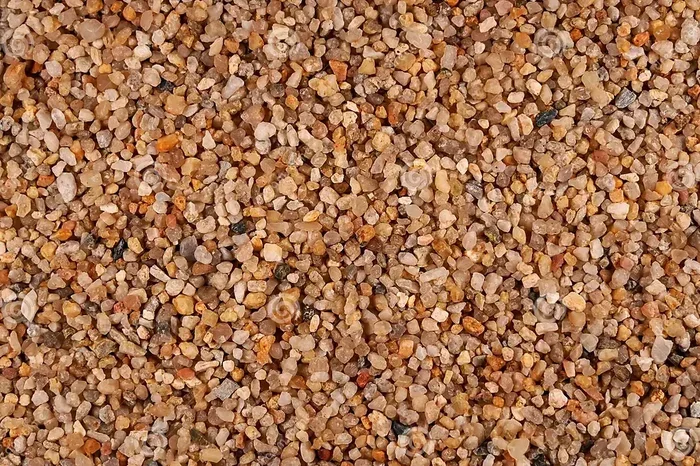
Is sand better than gravel in fish tanks? The answer depends on your fish, your tank setup, and how much maintenance you want to do. Sand looks natural, is gentle on fish, and is easier to clean in some ways, while gravel offers better water flow and is simpler to vacuum. Both options have strong benefits, and choosing the right one can make a big difference in your aquarium’s health and appearance.
Choosing the right substrate for your fish tank is one of the most important decisions you will make as an aquarium owner. The bottom layer of your tank affects everything from water quality to how your fish behave. Many people wonder whether is sand better than gravel in fish tanks, and the truth is that both options have real advantages. This guide breaks down the differences so you can pick with confidence.
Your choice of fish tank flooring shapes the entire look and feel of your aquarium. It also plays a big role in how waste moves, how plants grow, and how safe your fish feel. Whether you are setting up a new tank or thinking about changing your current setup, understanding the pros and cons of each option is essential. Let us dive into the details and help you make the best choice for your underwater friends.
Key Takeaways
- Sand creates a natural look: Many fish owners prefer sand because it mimics the fish’s natural habitat and looks clean in a tank.
- Gravel allows better water flow: Gravel lets water circulate through the substrate, which helps beneficial bacteria thrive.
- Sand is softer on fish: Bottom-dwelling and shy fish feel safer on sand, especially bettas and corydoras.
- Gravel is easier to vacuum: Waste sits on top of gravel, making routine tank cleaning faster and simpler.
- Sand needs occasional stirring: Without proper maintenance, sand can compact and trap harmful gases underneath.
- Both substrates support plant growth: The choice depends on your plant type and how you plan to anchor roots.
- Your fish species should guide the decision: Always match the substrate to the needs of the fish you keep.
📑 Table of Contents
- Why Substrate Choice Matters for Your Fish Tank
- Sand vs Gravel: Head-to-Head Comparison
- Benefits of Using Sand in Fish Tanks
- Benefits of Using Gravel in Fish Tanks
- Which Substrate Is Best for Betta Fish?
- Quick Tips for Choosing and Maintaining Your Substrate
- Final Thoughts: Making the Right Choice for Your Tank
Why Substrate Choice Matters for Your Fish Tank
The aquarium substrate is more than just decoration. It is a living part of your tank ecosystem. The bottom layer affects water chemistry, supports beneficial bacteria, and gives your fish a place to explore and feel secure. Picking the wrong material can lead to problems like poor water quality, trapped waste, or stressed fish.
When you ask yourself is sand better than gravel in fish tanks, you are really asking what works best for your specific setup. A betta fish tank has different needs than a community tank with corydoras or bottom feeders. Your fish species, your plants, and your cleaning routine all factor into the decision. Let us look at how sand and gravel compare across the most important areas.
How Substrate Affects Water Quality
The material you choose impacts how water flows through the tank bottom. Gravel has gaps between the pieces that let water and oxygen reach deeper layers. This flow supports beneficial bacteria that break down harmful waste. Sand, on the other hand, packs tightly together, which can limit water movement if you do not maintain it properly.
Trapped debris under sand is a real concern. Fish waste and leftover food can settle below the surface and build up over time. If you do not stir the sand occasionally, this buildup can release ammonia and other harmful compounds. Gravel lets waste sit on top where your filter and vacuum can easily remove it. This difference alone makes many fish owners lean toward gravel substrate for low-maintenance tanks.
The Role of Substrate in Tank Aesthetics
Let us be honest, a big part of choosing fish tank bedding comes down to looks. Sand gives a tank a smooth, natural appearance that many aquarists love. It looks like the bottom of a river or lake, which creates a beautiful, calming view. Gravel offers more color variety and can make bright fish stand out against a contrasting background.
Your tank aquascaping goals matter here too. If you want a planted tank with a soft, natural feel, sand is usually the better choice. If you prefer a colorful, lively look with easy maintenance, gravel works well. Both options can create stunning displays when paired with the right plants and decorations.
Sand vs Gravel: Head-to-Head Comparison
To answer is sand better than gravel in fish tanks, we need to compare them side by side. The table below highlights the key differences across the most important categories for aquarium owners.
| Feature | Sand | Gravel |
|---|---|---|
| Natural Look | Very natural, river-bed feel | More varied, colorful options |
| Water Flow | Poor unless stirred regularly | Good, gaps allow circulation |
| Ease of Cleaning | Needs gentle stirring | Easy to vacuum waste |
| Fish Safety | Soft, safe for all fish | Safe, but sharp edges possible |
| Plant Support | Good for rooted plants | Good, roots anchor easily |
| Bacteria Growth | Limited surface area | More surface for beneficial bacteria |
| Cost | Similar to gravel | Similar to sand |
| Best For | Bettas, corydoras, shrimp | Community tanks, heavy filtration |
As you can see, neither option is perfect in every category. The right choice depends on what matters most to you and your fish. Many experienced fish keepers even use a mix of both to get the best of each world.
Benefits of Using Sand in Fish Tanks
Sand substrate has a loyal following among aquarium enthusiasts, and for good reason. Here are the biggest advantages of choosing sand for your tank.
Natural and Comfortable for Fish
Sand feels soft under the bellies of fish, which makes it ideal for species that like to dig or rest on the bottom. Bettas in particular seem to appreciate the smooth surface of sand. Fish that nibble or sift through the substrate will not get injured on sand the way they might on sharp gravel edges.
If you have ever watched your fish explore the bottom of the tank, you know how important their environment feels to them. Sand creates a calm, natural space that encourages natural behaviors like foraging and burrowing. This is especially important for shy fish that need to feel safe in their home.
Better for Certain Plant Types
Many rooted plants do well in sand because the fine particles allow roots to spread easily. Plants like java fern and anubias can anchor into sand without issues. If you are building a planted tank, sand gives you a clean, even base that looks beautiful and supports healthy root development.
However, you should know that sand does not provide as many nutrients as specialized plant substrates. You may need to add root tabs or liquid fertilizers to keep your plants thriving. This is a small extra step that many plant lovers are happy to take for the gorgeous look sand provides.
Easy to Spot Waste on Sand
One surprising benefit of sand is that fish waste stands out clearly against the light surface. This makes it easy to spot and remove during feeding time or routine checks. You can quickly siphon out debris before it has a chance to break down and affect your water quality.
The key is to use a thin siphon tube that does not disturb the sand too much. With a gentle touch, you can keep your sand bed clean without stirring up debris into the water column. This is a skill that any fish owner can learn with a little practice.
Benefits of Using Gravel in Fish Tanks
Gravel substrate has been the go-to choice for fish tanks for decades, and it remains popular for many good reasons. Here is why gravel might be the right pick for your setup.
Superior Water Circulation
The gaps between gravel pieces allow water to flow through the substrate freely. This natural circulation feeds oxygen to the beneficial bacteria living in your tank bed. These bacteria play a crucial role in breaking down ammonia and nitrite, keeping your fish safe and healthy.
With gravel, you get a built-in filtration system right at the bottom of your tank. Water moves through the spaces between stones, and waste does not get trapped the way it can with sand. This means your tank stays cleaner longer, and your filter does not have to work as hard.
Simpler Routine Maintenance
If you want a low-maintenance tank, gravel wins this category easily. A standard gravel vacuum lifts waste and debris from the surface without disturbing the substrate below. You can do quick weekly vacuuming sessions that keep your tank sparkling without much effort.
Sand requires more careful cleaning because you do not want to stir it up and create a cloudy mess. Gravel lets you be more thorough and faster with your cleaning routine. For busy fish owners or beginners who are still learning, this simplicity is a big advantage.
Wider Variety of Colors and Sizes
Gravel comes in many colors, sizes, and shapes. You can choose bright, natural, or themed gravel to match your tank design. This variety makes it easy to create a unique look that suits your personal style and the personality of your fish.
Just make sure to rinse your gravel thoroughly before adding it to the tank. Unwashed gravel can cloud your water and release dust that harms your fish. A quick rinse in a bucket until the water runs clear is all it takes.
Which Substrate Is Best for Betta Fish?
Since this article is in the betta fish category, let us focus on what works best for these popular pets. Bettas are tropical fish that thrive in warm, calm water with gentle surroundings. Their long fins and sensitive nature make substrate choice an important part of their care.
Many betta owners choose sand because it is gentle on their fins and looks beautiful in a small tank. Can betta fish use sand in their tank? Absolutely. In fact, can i use sand in my betta fish tank is one of the most common questions among new betta keepers. The answer is a clear yes, as long as you choose fine, smooth sand without sharp edges.
Gravel can work for bettas too, but you need to be careful about the size and texture. Avoid rough or jagged gravel that could tear delicate fins. Many betta owners prefer a smooth, rounded gravel that is gentle on their fish while still allowing good water flow through the substrate.
If you are wondering about can u breed betta fish with gravel in tank, the answer is also yes. Gravel does not prevent breeding, but sand can make it easier to observe fry and keep the tank bottom clean during the breeding process. Both substrates work fine, so choose based on your comfort level and maintenance preferences.
Quick Tips for Choosing and Maintaining Your Substrate
Here are some practical tips to help you make the best decision and keep your substrate in great shape over time.
- Rinse all substrate before adding it to your tank to remove dust and debris that can cloud your water.
- Use a thin layer of sand (about 1 to 2 inches) to prevent compaction and allow water to pass through.
- Stir your sand gently once a week during water changes to release trapped gases and debris.
- Choose rounded gravel over sharp-edged pieces to protect your fish, especially bettas with long fins.
- Match your substrate to your fish species by considering their natural habitat and behavior.
- Add root tabs if you use sand and plan to keep live plants in your tank.
- Test your water regularly after changing substrates to make sure your tank cycle stays stable.
Common Mistakes to Avoid
One of the biggest mistakes fish owners make is choosing a substrate based only on looks without thinking about maintenance. A beautiful tank means nothing if the water quality suffers because of poor substrate choice. Another common error is using too much sand, which can compact tightly and trap harmful gases underneath.
Some people skip rinsing their substrate entirely, which clouds the water for days and can stress their fish. And a few owners switch substrates without cycling their tank again, which can disrupt the beneficial bacteria balance. Avoid these pitfalls and your tank will stay healthy and vibrant.
Expert Insight: The Hybrid Approach
Many experienced aquarists use a combination of sand and gravel to get the best of both worlds. They might use sand in the front of the tank for a natural look and gravel in the back to support heavy filtration and plant anchors. This approach gives you visual variety while keeping maintenance manageable.
You can also create zones in your tank with different substrates. Use sand in areas where your betta likes to rest and gravel near your filter intake where water flow is strongest. This kind of setup mimics natural environments and gives your fish more interesting spaces to explore.
Final Thoughts: Making the Right Choice for Your Tank
So, is sand better than gravel in fish tanks? The honest answer is that it depends on your fish, your plants, and how much time you want to spend on maintenance. Sand offers a natural, gentle look that many fish love, while gravel provides better water flow and easier cleaning. Both choices can create a healthy, beautiful home for your fish when set up and maintained properly.
Think about your betta’s needs, your cleaning routine, and your visual goals. If you want a soft, natural look with a peaceful bottom-dwelling fish, go with sand. If you prefer low-maintenance cleaning and strong water circulation, choose gravel. And if you cannot decide, try a mix and see what works best for your unique tank.
The most important thing is that you make a thoughtful choice and commit to proper maintenance. A clean, well-chosen substrate makes a huge difference in the health and happiness of your fish. Your aquarium is their entire world, and every detail you get right makes it a better place for them to thrive.
Frequently Asked Questions
Can I Mix Sand and Gravel in the Same Fish Tank?
Yes, you can mix sand and gravel in one tank. Many fish owners use sand in the front and gravel in the back for a layered look. Just make sure both substrates are rinsed well before adding them, and avoid mixing them too thoroughly so each layer keeps its purpose.
Is Sand Harder to Clean Than Gravel in a Fish Tank?
Sand does require a gentler cleaning approach than gravel. You need a thin siphon tube and slow movements to avoid stirring up debris. That said, with the right technique, cleaning sand is not difficult and becomes second nature after a few routines.
Does Sand Trap More Fish Waste Than Gravel?
Sand can trap waste beneath its surface if it is not stirred regularly. Gravel allows waste to sit on top where it is easier to vacuum away. The key with sand is to gently stir it during weekly water changes to release any trapped debris.
Can Betta Fish Live Comfortably on Sand Substrate?
Yes, betta fish do very well on sand. The smooth surface is gentle on their long fins and feels natural under their bodies. Many betta owners prefer sand because it looks beautiful and creates a calm environment that helps their fish feel safe.
How Deep Should the Sand Layer Be in a Fish Tank?
A sand layer of 1 to 2 inches is ideal for most fish tanks. This depth is enough to support plant roots and look natural without risking compaction or trapped gases. Deeper layers can become problematic if water cannot flow through them properly.
What Type of Sand Is Best for a Betta Fish Tank?
Fine, smooth sand without sharp edges works best for bettas. Avoid coarse or rough sand that could irritate your fish. Aquarium-specific sand labeled as safe for freshwater tanks is the safest and most reliable choice for your betta setup.
=== CONCLUSION ===
Choosing between sand and gravel comes down to what works best for your specific tank and the fish you keep. If you have been asking is sand better than gravel in fish tanks, the answer is now clear, both options have real value. Sand gives your tank a natural, soft look that bettas and other gentle fish appreciate. Gravel offers practical advantages in water flow and cleaning ease. Consider your fish species, your maintenance habits, and your visual goals when you decide. Whatever you choose, proper setup and regular care will keep your tank healthy and your fish happy for years to come.