What Breed Is My Betta Fish
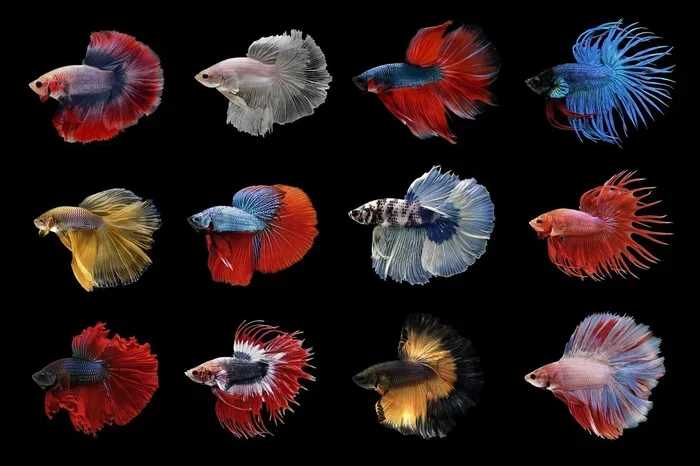
Figuring out what breed is my betta fish is easier than you think. Betta fish come in many breeds, each with unique tail shapes, fin styles, and colors. This guide helps you identify your betta by looking at key features like tail type, body shape, and fin length. You will also learn how breed affects care needs and tank setup.
Have you ever looked at your betta fish and wondered, what breed is my betta fish? It is a very common question among fish keepers of all levels. Betta fish, also known as siamese fighting fish, come in a wide range of shapes, sizes, and styles. Each breed has its own look and care needs. Knowing your betta’s breed helps you give it the best home possible.
In this guide, we will walk you through the most popular betta fish breeds. You will learn how to tell them apart by looking at tail shape, fin length, and body type. We will also cover colors, patterns, and care tips for each type. By the end, you will know exactly what kind of betta you have.
Key Takeaways
- Betta fish breeds are mainly identified by tail shape, fin length, and body structure.
- Popular breeds include Crowntail, Halfmoon, Plakat, Veil Tail, and Double Tail bettas.
- Each breed has slightly different care needs, especially around tank size and water flow.
- Colors and patterns are not tied to breed but help with overall identification.
- Knowing your betta’s breed helps you provide better care and a healthier environment.
- Most betta breeds thrive in warm water between 76-82 degrees Fahrenheit.
- You can use simple visual cues at home to determine your betta fish type.
📑 Table of Contents
- Understanding Betta Fish Breeds
- Common Betta Fish Breeds and Their Features
- How to Identify Your Betta Fish Breed
- Caring for Different Betta Breeds
- Choosing the Right Betta Fish for You
- Quick Tips for Betta Breed Identification
- Common Mistakes People Make When Identifying Betta Breeds
- Final Thoughts
Understanding Betta Fish Breeds
The world of betta fish types is surprisingly diverse. While all bettas belong to the same species, Betta splendens, breeders have developed many distinct varieties over the years. These varieties are what we call “breeds.” Each breed has been selectively bred for specific traits like tail shape, fin length, and color intensity.
What Makes a Betta Breed Different?
A betta breed is defined by its physical features. The most important factor is the tail shape. Other things that set breeds apart include fin length, body shape, and scale pattern. For example, a Crowntail betta has spiky tail rays that extend beyond the webbing. A Halfmoon betta has a tail that spreads out like a perfect half circle. These differences are easy to spot once you know what to look for.
A Brief History of Betta Fish Breeding
Betta fish originated in Southeast Asia, especially in Thailand and Cambodia. Wild bettas were originally dull in color and had short fins. Over centuries, people began selectively breeding them for brighter colors and longer fins. This led to the amazing variety of betta fish varieties we see today. Modern breeders continue to create new and exciting fancy betta types every year.
Common Betta Fish Breeds and Their Features
There are over a dozen recognized betta breeds. Some are very popular in the hobby, while others are rarer. Here are the most common ones you will come across.
Crowntail Betta
The Crowntail betta is one of the most popular breeds. Its tail rays extend well beyond the webbing, giving it a spiky, crown-like appearance. The fins may look wild, but Crowntails are actually quite hardy. They do well in standard betta tanks and are a great choice for beginners. If your betta looks like it has a jagged crown, this is likely your breed.
Halfmoon Betta
The Halfmoon betta is famous for its spectacular tail. When fully spread, the tail forms a perfect 180-degree half circle. These bettas look stunning and are a favorite among show fish enthusiasts. Halfmoons need a bit more space because of their large fins. A tank with a best tank size for a betta fish of at least 5 gallons is ideal for this breed.
Plakat Betta
The Plakat betta is the closest to the wild ancestor of all domestic bettas. Plakats have short fins and a streamlined body. They are strong swimmers and very active. Many people love Plakats because they look more natural and move gracefully through the water. This breed is also less prone to fin damage compared to long-finned varieties.
Veil Tail Betta
The Veil Tail betta is one of the oldest and most recognizable breeds. Its tail hangs down like a delicate curtain, which is where the name comes from. Veil Tails are widely available and affordable. They are a great starter fish for anyone new to the hobby. Their long fins do need some extra care to avoid tearing.
Double Tail Betta
The Double Tail betta has a split tail that looks like two separate tails. This unique feature makes them stand out in any tank. Double Tails tend to have a rounder body and shorter lifespan than some other breeds. They also need careful tank setup to avoid water quality issues. Keeping the water clean is extra important for this breed.
How to Identify Your Betta Fish Breed
Now that you know the common breeds, how do you actually figure out what breed your betta is? The process is simpler than you might think. You just need to observe a few key features.
Look at the Tail Shape
The tail is the biggest clue. Is it long and flowing like a veil? Does it spread out like a half circle? Or does it look spiky and extended? Each tail shape points to a different breed. Take a close look at your betta’s tail and compare it to the breeds listed above.
Check the Fin Length and Body Shape
Long-finned breeds like Halfmoons and Veil Tails look very different from short-finned breeds like Plakats. Pay attention to how long your betta’s fins are compared to its body. Also, notice the body shape. Some breeds are round and plump, while others are slim and athletic. These details help narrow down the breed.
Consider the Color and Pattern
While color is not tied to a specific breed, it can help with overall identification. Betta fish come in solid colors, bi-colors, marbles, and koi patterns. If your betta has a mix of colors that seem to swirl, it might be a marble pattern. Solid bright colors like red or blue are common across many breeds. For more on color changes, check out why your betta fish might be changing color.
Caring for Different Betta Breeds
Not all betta breeds have the same care needs. While the basics stay the same, some breeds need extra attention based on their physical traits.
Tank Size and Setup
A good tank size for a betta fish is at least 5 gallons for most breeds. However, long-finned breeds like Halfmoons and Crowntails may benefit from a slightly larger tank. This gives them room to swim without damaging their delicate fins. Plakat bettas, with their shorter fins, are more active and appreciate horizontal swimming space.
Keep the water warm and stable. The ideal temperature for betta fish is between 76 and 82 degrees Fahrenheit. Use a heater and a thermometer to maintain consistent conditions. Also, make sure the filter does not create too strong a current, especially for breeds with long fins.
Water Conditions for Each Breed
Most betta breeds thrive in similar water parameters. The correct pH level for betta fish is between 6.5 and 7.5. Keep ammonia and nitrite levels at zero. Regular water changes are essential. For breeds with longer fins, avoid sharp decorations that could tear their fins. Smooth plants and soft substrates are the best choices.
For more on water quality, see our guide on what kind of water is best for betta fish. Clean, treated water makes a huge difference in your betta’s health and lifespan.
Choosing the Right Betta Fish for You
Now that you know more about betta breeds, you might be thinking about getting a new one. Choosing the right breed depends on your experience level and your setup.
Match the Breed to Your Experience Level
If you are new to fish keeping, start with a hardy breed like the Plakat or Veil Tail. These bettas are forgiving and easy to care for. Crowntails are also a good choice because they are tough and adapt well to home tanks. More experienced keepers might enjoy the challenge of raising a Halfmoon or a rare Double Tail variety.
Consider Your Tank Setup
Think about the tank you already have or plan to set up. A good tank mate for a betta fish is important if you plan to keep your betta in a community tank. Some breeds do better with tank mates than others. Plakat bettas, with their active nature and shorter fins, tend to be more compatible with other fish. Long-finned breeds are better kept alone to avoid fin nipping.
Also consider the lifespan of betta fish. With proper care, most bettas live between 3 and 5 years. Choosing a healthy fish from a reputable source gives you the best chance of enjoying your pet for years to come.
Quick Tips for Betta Breed Identification
- Look at the tail shape first — it is the easiest way to identify the breed.
- Compare fin length to body size for a clearer picture.
- Take a photo of your betta and compare it to reference images online.
- Remember that colors and patterns do not define the breed.
- If you are still unsure, ask a local fish store expert for help.
Common Mistakes People Make When Identifying Betta Breeds
One common mistake is confusing color with breed. A red Halfmoon and a red Crowntail are very different breeds even though they share the same color. Another mistake is assuming all long-finned bettas are the same breed. There are many different long-finned varieties, and each has its own unique tail shape. Take your time and observe your fish carefully before making a conclusion.
Some people also overlook the importance of body shape. A Plakat betta looks very different from a Halfmoon even if they share similar colors. Always look at the full picture — tail, fins, and body — before deciding on a breed.
Final Thoughts
Figuring out what breed is my betta fish is a fun and rewarding process. It helps you understand your fish better and gives you the knowledge to care for it properly. Whether you have a Crowntail, Halfmoon, Plakat, Veil Tail, or Double Tail, each breed brings its own charm and personality to your tank.
Start by observing your betta’s tail shape, fin length, and body type. Use the guide above as a reference. And remember, the best care comes from understanding your fish’s specific needs. With the right setup and a little attention, your betta will thrive and bring you joy for years to come.
If you are dealing with feeding issues, check out what to do if your betta fish won’t eat. And for general health concerns, learning more about signs that your betta fish might be sick can help you catch problems early.
Frequently Asked Questions
How many breeds of betta fish are there?
There are over a dozen recognized betta fish breeds, and new varieties continue to emerge. The most popular ones include Crowntail, Halfmoon, Plakat, Veil Tail, and Double Tail. Each breed has unique physical traits that set it apart from the others.
Can two bettas of different breeds live together?
It is generally not recommended to house two bettas together, regardless of breed. Betta fish are territorial and may fight, which can lead to injury or death. If you want a community tank, choose peaceful tank mates that are compatible with bettas instead.
Does my betta fish breed affect its lifespan?
Some breeds may have slightly different lifespans due to genetics and body structure. For example, Double Tail bettas tend to have shorter lifespans than other breeds. Most bettas live between 3 and 5 years with proper care and a healthy environment.
What is the easiest betta breed for beginners?
Plakat and Veil Tail bettas are the easiest breeds for beginners. They are hardy, active, and do not require special care. Their shorter fins also make them less prone to damage and water quality issues.
How can I tell if my betta is a Crowntail or a Halfmoon?
Look at the tail when it is fully spread. A Crowntail has spiky rays that extend beyond the webbing. A Halfmoon has a tail that forms a perfect half circle. The difference is very clear once you know what to look for.
Are betta fish colors tied to specific breeds?
No, betta fish colors and patterns are not tied to specific breeds. You can find red, blue, green, and multi-colored bettas across many different breeds. Color is a separate trait from breed and is based on genetics and selective breeding.