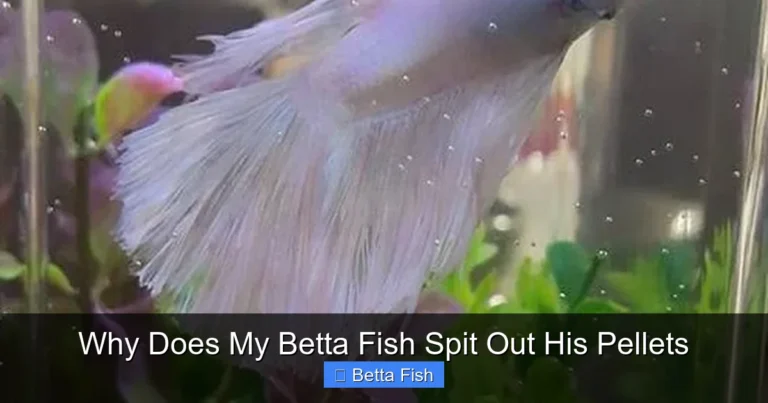
How Much to Feed Betta Fish Daily

Knowing how much to feed betta fish daily is the single most important part of betta care. Overfeeding is the number one mistake new fish owners make, and it can lead to serious health problems. This guide covers the exact portion sizes, feeding frequency, and best foods so your betta stays vibrant and active. You will learn simple rules to follow every single day.
Keeping a betta fish healthy starts with one simple thing: how much to feed betta fish daily. It might sound easy, but this is where most fish owners go wrong. Too much food clouds the water and makes your fish sick. Too little food leaves your betta weak and tired. Finding the sweet spot is not hard once you know the basics.
Betta fish are small but they have big appetites. Their tiny stomachs can only handle a little food at a time. This is why understanding the right betta fish feeding schedule matters so much. In this guide, we will walk through everything you need to know about portions, frequency, and the best foods for your betta. By the end, you will feel confident feeding your fish the right way every single day.
Key Takeaways
- Feed 2-3 pellets twice a day: This is the standard portion for most adult betta fish.
- Never exceed what fits in their eyeball: Betta stomachs are tiny, roughly the size of their eye.
- One fasting day per week helps digestion: Skipping a meal prevents bloating and constipation.
- Watch for warning signs: A bloated belly or cloudy water often means you are feeding too much.
- Variety matters: Rotate between pellets, frozen foods, and live foods for complete nutrition.
- Consistency beats quantity: A regular feeding schedule reduces stress and keeps your betta healthy.
📑 Table of Contents
- How Much to Feed Betta Fish Daily: Understanding the Basics
- How Often Should You Feed a Betta Fish Each Day
- Signs You Are Overfeeding or Underfeeding Your Betta
- Best Foods for a Balanced Betta Diet
- Quick Tips for a Healthy Feeding Routine
- Common Mistakes People Make When Feeding Bettas
- Final Thoughts on Daily Feeding
How Much to Feed Betta Fish Daily: Understanding the Basics
The golden rule for how much to feed betta fish daily is simple. Give your betta only what it can eat in two minutes. Most adult bettas do well with two to three small pellets per feeding, twice a day. That means four to six pellets total each day. This amount provides enough nutrition without overloading their digestive system.
Your betta fish stomach is about the size of its eyeball. Think about that next time you drop food into the tank. A few pellets go a long way. Many people assume bettas need large meals because they eat enthusiastically, but enthusiasm does not mean hunger. Bettas will eat almost anything you offer them, which is exactly why portion control is so important.
Why Portion Control Matters So Much
Feeding your betta the right amount of food directly affects water quality and overall betta fish health. Uneaten food sinks to the bottom and decays. This releases ammonia into the water, which is toxic to fish. Even a small amount of extra food can cause a spike in ammonia levels. Over time, this damages your betta’s fins, clouds the tank, and stresses your fish out.
Proper portion control also supports healthy digestion. Bettas need time to process their food. When you give them small, measured meals, their digestive system works efficiently. Large meals sit in the stomach too long and can cause bloating, constipation, and swim bladder issues. Keeping portions small and consistent is the best thing you can do for your fish.
How Often Should You Feed a Betta Fish Each Day
Feeding frequency matters just as much as portion size. Most experts agree that how often to feed betta fish twice a day is ideal. A morning feeding and an evening feeding works well for most household schedules. This routine mimics the natural eating patterns bettas would follow in the wild.
Some fish owners wonder if feeding once a day is enough. It can be, but only if you increase the portion slightly. However, splitting the food into two meals is better for digestion. Your betta gets a steady supply of nutrients throughout the day without feeling overwhelmed.
Creating a Consistent Feeding Schedule
Consistency is key when it comes to betta fish feeding frequency. Try to feed your betta at the same times every day. Morning feeding around 8 AM and evening feeding around 6 PM works great for most people. Bettas thrive on routine, and a predictable schedule helps reduce stress.
If your schedule changes, do not worry too much. Missing one feeding occasionally will not hurt your fish. In fact, skipping a meal once in a while can be beneficial. Your betta’s digestive system gets a chance to rest and process any remaining food. Just do not make a habit of skipping feedings.
The Importance of One Fasting Day Per Week
One of the best betta fish care tips is to fast your betta one day a week. This means no food at all for 24 hours. Fasting helps clear out the digestive tract and prevents constipation. Many experienced fish keepers swear by this simple practice.
You can choose any day of the week for fasting. Some people pick Sunday because it is easy to remember. Your betta will be just fine without food for one day. In the wild, bettas do not eat every single day, so a fasting day actually feels natural to them.
Signs You Are Overfeeding or Underfeeding Your Betta
Learning to read your betta’s body language helps you adjust how much to feed betta fish daily. Both overfeeding and underfeeding come with clear warning signs. Watching for these signs keeps your fish healthy and your tank clean.
Signs of Overfeeding
- Cloudy or dirty water: Uneaten food decays quickly and clouds the tank within hours.
- Bloated belly: A swollen abdomen is a classic sign your betta is eating too much.
- Loss of appetite: If your betta ignores food, it might already be full from the last feeding.
- Lethargy: Overfed bettas often become sluggish and float near the bottom of the tank.
- Excess waste: More food in means more waste out, which spikes ammonia levels.
If you notice any of these signs, stop feeding for a day or two. Can you feed a betta fish too much? Absolutely yes, and it is one of the fastest ways to compromise your fish’s health. Reduce the portion size and increase water changes until conditions improve.
Signs of Underfeeding
- Weight loss: A visibly thin or gaunt betta is not getting enough food.
- Loss of color: Bettas that are hungry often fade in color and look dull.
- Lethargy: Underfed fish have low energy and spend most of their time resting.
- Aggressive behavior: Some bettas become territorial or nippy when they are hungry.
- Slow growth: Young bettas that are underfed will grow more slowly than expected.
If you see these signs, consider increasing the portion size slightly or adding an extra feeding. However, do this gradually. Sudden changes in diet can upset your betta’s stomach. Make small adjustments and watch how your fish responds over the next few days.
Best Foods for a Balanced Betta Diet
What you feed your betta is just as important as how much you feed. Not all betta fish food is created equal. A balanced diet keeps your betta colorful, active, and full of energy. Let us look at the best food options and how they fit into your feeding routine.
High-Quality Betta Pellets
Betta pellets are the foundation of a good diet. They are specially formulated to meet the nutritional needs of bettas. Look for pellets with high protein content and minimal fillers. The best pellets float, which is perfect because bettas prefer eating from the surface.
When measuring out portions, remember the two-minute rule. Drop two to three pellets per feeding and see if your betta finishes them within two minutes. If food is left over, reduce the amount next time. How many pellets to feed betta fish daily depends on the size of the pellets, so check the packaging for guidance.
Frozen and Freeze-Dried Foods
Frozen brine shrimp, bloodworms, and daphnia make excellent treats for bettas. These foods are packed with protein and mimic what bettas would eat in the wild. You can feed them once or twice a week as a supplement to their regular pellet diet.
Freeze-dried foods need to be soaked before feeding. Dry foods expand in the stomach, and feeding them dry can cause bloating. Always soak freeze-dried food in tank water for a few minutes before offering it to your betta.
Live Foods for Extra Nutrition
Live foods are the most natural option for bettas. Mosquito larvae, wingless fruit flies, and small worms are all excellent choices. Bettas love hunting live food, and it provides mental stimulation as well as nutrition.
You can find live foods at most pet stores or raise them yourself. Just make sure any live food you introduce to the tank is free from parasites and bacteria. Feeding live food too often can lead to overfeeding, so treat it as an occasional supplement rather than a staple.
Foods to Avoid
Not all foods are safe for bettas. Stay away from bread, crackers, and human snacks. These foods lack nutrition and can expand dangerously in your betta’s stomach. Also, avoid feeding goldfish food or tropical fish flakes as a main diet. These do not provide the protein levels bettas need.
Some people ask, can you feed betta food to other fish or vice versa? The answer is complicated. Betta food is designed specifically for bettas, and other fish may not get the right nutrients from it. It is best to stick with species-appropriate foods for each fish in your tank.
Quick Tips for a Healthy Feeding Routine
Building a solid feeding routine does not have to be complicated. Here are some practical tips that make feeding time easier and safer for your betta.
- Use a small scoop or tweezers: This helps you measure out exact portions every time.
- Feed in a calm environment: Turn off the tank light for a few minutes before feeding. Bettas feel safer and eat more naturally in dim light.
- Remove uneaten food: If your betta does not finish within two minutes, use a turkey baster to remove the leftovers.
- Soak floating pellets briefly: This prevents them from expanding in your betta’s stomach.
- Keep a feeding log: Tracking what and when you feed helps you spot patterns and adjust as needed.
- Adjust for water temperature: Bettas eat more in warmer water and less in cooler water. Adjust portions seasonally.
If you ever plan to be away from home, research how to feed your betta fish while on vacation before you go. Automatic feeders or vacation feeding blocks can help, but nothing beats a trusted friend or neighbor doing the job the right way.
Common Mistakes People Make When Feeding Bettas
Even experienced fish keepers sometimes make feeding mistakes. Here are the most common errors and how to avoid them.
- Overfeeding out of guilt: Many owners feel bad leaving their fish alone during the day and overcompensate with extra food. This does more harm than good.
- Ignoring the fasting day: Skipping the weekly fast can lead to digestive issues over time. Make it a non-negotiable part of your routine.
- Feeding only one type of food: A diet of just pellets lacks variety and can lead to nutritional gaps. Rotate foods for best results.
- Not adjusting for age: Young betta fry need more frequent small meals, while older bettas do well with fewer feedings. Adjust as your fish ages.
- Using too much flake food: Flake food breaks apart quickly and clouds the water. Pellets are a cleaner and more controlled option.
Avoiding these mistakes puts you ahead of most betta owners. Your fish will thank you with bright colors, active swimming, and a long healthy life.
Final Thoughts on Daily Feeding
How much to feed betta fish daily comes down to a simple formula: small portions, twice a day, with one fasting day each week. Stick to this routine, watch for warning signs, and adjust as needed. Your betta fish will stay healthy, colorful, and full of energy for years to come.
Remember that every betta is a little different. Age, size, activity level, and water temperature all play a role in how much food your fish needs. Start with the standard recommendations and observe your betta closely. Over time, you will learn exactly what works best for your individual fish.
Feeding your betta does not have to be stressful. Once you understand the basics, it becomes second nature. Keep portions small, stay consistent, and enjoy watching your betta eat. That little burst of energy and color after feeding is one of the best parts of owning a betta fish.
Frequently Asked Questions
How many pellets should I feed my betta fish per day?
Most adult bettas do well with four to six pellets per day, split into two feedings. The exact number depends on the size of the pellets, so always check the packaging for guidance. If you are unsure about portions, start with two pellets per feeding and adjust based on how quickly your betta eats.
Can overfeeding kill a betta fish?
Yes, overfeeding can be fatal. Excess food decays in the tank and raises ammonia levels, which poisons the water. Overfeeding also causes bloating, constipation, and swim bladder disorders. Keeping portions small and sticking to a regular schedule prevents these deadly problems.
How often should I feed my betta fish if I am often away?
If you are away for one or two days, your betta can safely skip those meals. For longer trips, ask a friend to feed your betta or use an automatic feeder set to small portions. Always make sure someone knows the correct amount so your fish is not overfed in your absence.
What is the best time of day to feed betta fish?
Morning and evening feedings work best for most bettas. Feeding at around 8 AM and 6 PM creates a consistent routine that your fish will learn to anticipate. Bettas are most active during daylight hours, so feeding during this time supports healthy digestion and natural behavior.
Should I soak betta pellets before feeding?
Soaking pellets for a few minutes before feeding is a good practice. Dry pellets expand in the stomach, which can cause bloating and digestive discomfort. Soaking them in tank water first prevents this issue and makes the food easier for your betta to digest.
How do I know if my betta is getting enough food?
A healthy betta has a rounded but not bloated belly, bright colors, steady energy, and a good appetite. If your betta looks thin, is losing color, or seems lethargic, it may need slightly more food. Adjust portions gradually and monitor your fish’s response over the course of a week.