How Many Times You Should Feed Your Baby Betta Fish

Knowing how many times you should feed your baby betta fish is one of the most important parts of raising healthy fry. Baby bettas need small, frequent meals throughout the day to support their rapid growth and development. This guide walks you through the ideal feeding frequency, portion sizes, and common mistakes to avoid so your baby betta thrives.
Raising a baby betta fish is one of the most rewarding experiences for any aquarium hobbyist. These tiny, colorful creatures have so much personality packed into their small bodies. But taking care of a baby betta comes with big responsibilities, especially when it comes to feeding.
How many times you should feed your baby betta fish is the question every new betta owner asks. The answer is more involved than you might think. Unlike adult bettas, baby bettas have very fast metabolisms and tiny stomachs. This means they need to eat more often, but in much smaller amounts.
Getting the feeding schedule right from day one sets the foundation for a healthy, happy fish. In this guide, we will cover everything you need to know about feeding your baby betta. From how often to feed, to what foods to offer, to the mistakes you should avoid at all costs. Let us dive in and make sure your little betta gets the best start in life.
Key Takeaways
- Feed baby bettas 4 to 6 times daily: Their tiny stomachs need frequent, small meals to fuel steady growth.
- Use the right food types: Baby brine shrimp, crushed pellets, and micro worms are the best options for betta fry.
- Watch portion sizes carefully: Overfeeding is one of the biggest dangers for baby betta fish and can lead to water quality problems.
- Maintain clean water at all times: Frequent feeding means more waste, so regular water changes are essential.
- Adjust feeding as they grow: Reduce feeding frequency gradually as your baby betta matures into an adult.
- Observe your fish daily: Watching how your baby betta eats helps you catch health issues early.
📑 Table of Contents
- Why Feeding Frequency Matters for Baby Bettas
- How Many Times You Should Feed Your Baby Betta Fish Each Day
- What to Feed Your Baby Betta Fish
- How Much Food to Give at Each Feeding
- Water Quality and Its Role in Baby Betta Feeding
- Signs Your Baby Betta Is Not Getting Enough Food
- Common Mistakes to Avoid When Feeding Baby Bettas
- Transitioning Your Baby Betta to Adult Feeding
- Final Thoughts on Feeding Your Baby Betta Fish
Why Feeding Frequency Matters for Baby Bettas
Baby betta fish, also called betta fry, grow incredibly fast during their first few weeks of life. They can double in size within the first month if everything goes right. To support this rapid growth, they need a steady supply of nutrients throughout the day.
An adult betta can thrive on two meals a day. But a baby betta is a completely different story. Their stomachs are roughly the size of their eye. This means they cannot hold large meals. Instead, they need small amounts of food delivered frequently. Think of it like feeding a newborn baby versus feeding a toddler. The principle is very similar.
If you do not feed your baby betta often enough, it may become weak and stop growing. On the other hand, if you feed too much at once, it can cause serious digestive problems. Finding the right balance is the key to raising a healthy fish.
How a Baby Betta’s Digestive System Works
A baby betta’s digestive system is still developing. It processes food very quickly, which is exactly why they need so many small meals. The food moves through their tiny bodies fast, and nutrients get absorbed rapidly. This is a natural design that supports their growth spurts during the early weeks of life.
When you feed your baby betta, the food should be fully consumed within two to three minutes. If there is leftover food floating around, you have given too much. Uneaten food will decay in the water and release harmful toxins. This can quickly make the water unsafe for your delicate fry.
Understanding how your baby betta digests food helps you make better feeding decisions. It is not just about the number of feedings. It is also about the type of food and the portion size at each feeding.
How Many Times You Should Feed Your Baby Betta Fish Each Day
The short answer is four to six times per day. But the full answer depends on the age of your baby betta. Younger fry need more frequent meals than slightly older ones. Let us break this down by age group so you know exactly what to do.
| Age of Baby Betta | Feeding Frequency | Portion Size |
|---|---|---|
| 0 to 1 week old | 6 times per day | Infusoria or liquid fry food |
| 1 to 2 weeks old | 5 times per day | Baby brine shrimp, micro worms |
| 2 to 4 weeks old | 4 to 5 times per day | Crushed pellets, small brine shrimp |
| 4 to 8 weeks old | 3 to 4 times per day | Small pellets, chopped bloodworms |
| 8+ weeks old | 2 to 3 times per day | Standard pellets or flakes |
These numbers are guidelines, not rigid rules. Every baby betta is slightly different. Some may need an extra feeding if they seem hungry, while others may do fine with slightly fewer meals. The important thing is to observe your fish and adjust as needed.
Creating a Feeding Schedule That Works for You
Feeding your baby betta four to six times a day might sound exhausting. And honestly, it does require some commitment. But once you build a routine, it becomes second nature. The easiest approach is to space the feedings evenly throughout your waking hours.
For example, if you wake up at 7 AM and go to bed at 11 PM, you have 16 hours to work with. If you are feeding six times a day, that is one feeding every two and a half hours. A simple schedule might look like this:
- 7:00 AM – First feeding of the day
- 9:30 AM – Second feeding
- 12:00 PM – Third feeding
- 2:30 PM – Fourth feeding
- 5:00 PM – Fifth feeding
- 7:30 PM – Final feeding before bed
If you work a regular job and cannot stick to a strict schedule, consider using an automatic fish feeder. These small devices can dispense food at set intervals. They are a lifesaver for betta fry owners who need a little extra help. Just make sure you test the feeder before relying on it full time.
Some experienced fish keepers also suggest feeding slightly less on weekends if your schedule changes. The goal is consistency, not perfection. Your baby betta will do well as long as the overall pattern is steady.
What to Feed Your Baby Betta Fish
The type of food you offer matters just as much as how often you feed. Baby bettas need protein-rich, easily digestible foods. Their tiny mouths cannot handle large or dry foods the way adult bettas can. Choosing the right food ensures your fry gets all the nutrients it needs without overworking its digestive system.
Best Foods for Baby Betta Fry
Here are the top food options for baby bettas, ranked by nutritional value and ease of use:
- Baby brine shrimp: This is the gold standard for betta fry. It is packed with protein and is small enough for tiny mouths. You can hatch your own brine shrimp at home or buy frozen versions from a pet store.
- Micro worms: These tiny nematodes are an excellent first food for newly hatched fry. They are easy to culture at home and most baby bettas love them.
- Infusoria: These are microscopic organisms that you can culture in a jar of pond water. They make a perfect first meal for the youngest fry.
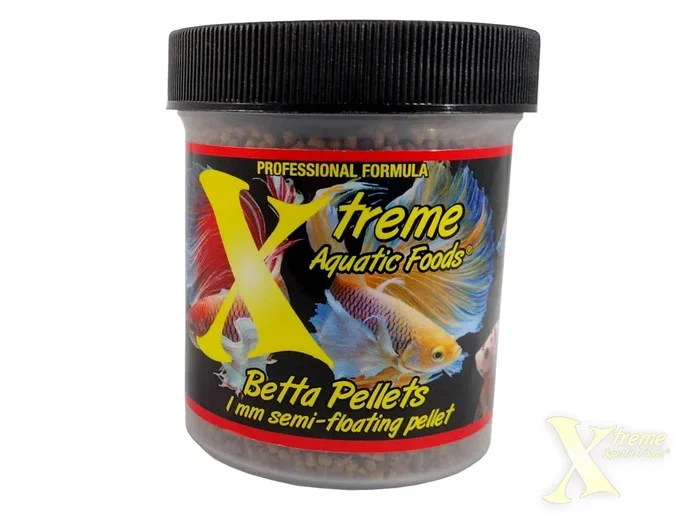
- Crushed betta pellets: Once your fry is a week or two old, you can start offering crushed pellets. Take regular betta pellets and crush them into a fine powder for easy consumption.
- Liquid fry food: Commercial liquid fry foods are designed specifically for baby fish. They are easy to digest and come in small bottles at most aquarium stores.
Foods to Avoid for Baby Bettas
Not all fish foods are safe for baby bettas. Some can be too large, too dry, or simply nutritionally inappropriate. Here is what you should never offer to your baby betta:
- Adult-sized pellets: These are far too large for a baby betta to swallow safely.
- Bread or crackers: These offer no nutritional value and can expand in the stomach, causing blockages.
- Goldfish food: It does not have the right protein content for bettas and can cause digestive issues.
- Freeze-dried bloodworms (whole): These can be too large and hard for young fry. If you do use them, soak them first and cut them into tiny pieces.
As your baby betta grows, you can gradually introduce more variety. By the time it reaches eight weeks old, it should be able to handle the same foods as an adult betta, just in smaller pieces. If you ever want to add some variety to your adult betta’s diet, you can check out our guide on whether betta fish can eat peas for a healthy treat option.
How Much Food to Give at Each Feeding
Portion control is critical when feeding baby bettas. Because their stomachs are so small, even a slight excess can cause problems. The general rule is to offer only what your baby betta can eat in two to three minutes.
A good starting point is two to three tiny food items per feeding. If you are offering baby brine shrimp, that might mean two or three shrimp per fry. If you are using crushed pellets, a small pinch the size of a pinhead works well. Watch your baby betta closely during feeding time. You want to see it eagerly eating, not ignoring the food or struggling to consume it.
After the feeding session ends, check the tank for any uneaten food. If there is leftover food, you gave too much. Remove it immediately with a small turkey baster or airline tube. Clean water is just as important as proper food when raising baby bettas.
The Dangers of Overfeeding Baby Bettas
Overfeeding is the number one mistake new betta owners make. It is easy to think that more food equals faster growth. But the opposite is true. Overfeeding can lead to a range of serious health problems for baby bettas.
When baby bettas eat too much, the extra food sits in their stomach and begins to rot internally. This can cause bloating, constipation, and swim bladder disorders. A bloated baby betta will look round and uncomfortable. It may struggle to swim properly or stay upright in the water.
Uneaten food also decays in the tank and releases ammonia. Even small amounts of ammonia can be lethal to baby bettas. Their tiny bodies are extremely sensitive to water quality changes. A single spike in ammonia can cause serious illness or death. This is why it is always better to underfeed slightly than to overfeed.
If you ever notice your baby betta leaving food uneaten, reduce the portion size at the next feeding. Your fish will tell you exactly what it needs if you pay attention.
Water Quality and Its Role in Baby Betta Feeding
Feeding your baby betta is only half the battle. The other half is maintaining pristine water quality. Baby bettas are much more sensitive to water changes than adult bettas. Poor water quality can undo all your hard work with feeding and care.
Because you are feeding your baby betta so frequently, there is more food entering the tank regularly. This means more waste production and more potential for water quality problems. You need a solid maintenance routine to keep the water safe.
Water Change Schedule for Baby Betta Tanks
For baby betta fry, we recommend performing small water changes every single day. Here is how to do it safely:
- Use a turkey baster or airline tube: Gently remove 10 to 20 percent of the tank water.
- Replace with dechlorinated water: The new water should be the same temperature as the tank water.
- Avoid disturbing the fry: Be very gentle so you do not stress or harm your baby bettas.
- Test the water parameters: Check ammonia, nitrite, and nitrate levels at least twice a week.
Clean water supports healthy digestion and helps your baby betta absorb nutrients more efficiently. If the water is dirty, your fish may lose its appetite even if it is hungry. This creates a frustrating cycle where you are not sure whether to feed more or clean the tank more.
Regular water changes also reduce the risk of diseases. Baby bettas are vulnerable to fungal and bacterial infections, especially in dirty water. A clean tank is your first line of defense against illness. If you want more tips on keeping your betta’s home clean, check out our article on how often you should clean your betta fish bowl for practical advice that applies to fry tanks too.
Signs Your Baby Betta Is Not Getting Enough Food
Underfeeding can be just as harmful as overfeeding. It is important to recognize the signs that your baby betta is not getting enough nutrition. Catching these early signs gives you time to adjust the feeding routine before any lasting damage occurs.
Here are the most common signs of an underfed baby betta:
- Lethargy: Your baby betta spends most of the time hiding or staying still. A well-fed fry is usually active and curious.
- Slow growth: If your baby betta is not growing at a steady pace, it may not be getting enough calories.
- Loss of color: Baby bettas should display vibrant colors as they grow. Fading or dull colors can indicate malnutrition.
- Visible ribcage: If you can see the bones through the body, your fish is too thin and needs more frequent feedings.
- Aggressive behavior: Some baby bettas become more aggressive toward tankmates when they are hungry. They may nip at fins or chase other fry.
If you notice any of these signs, try increasing the feeding frequency by one meal per day for a week. Monitor your baby betta closely and see if its behavior and appearance improve. Sometimes a small adjustment makes a big difference.
Common Mistakes to Avoid When Feeding Baby Bettas
Even experienced fish keepers can make mistakes when it comes to feeding baby bettas. Here are the most common errors and how to avoid them:
Mistake 1: Feeding Too Infrequently
Some new owners assume that feeding baby bettas twice a day is enough because that is what they do for adult bettas. But baby bettas have much higher energy needs. Stick to the four to six feeding schedule recommended for fry.
Mistake 2: Offering the Wrong Food Size
Never give your baby betta food that is larger than its mouth. If the food does not fit easily, crush it or choose a smaller alternative. Food that is too large can cause choking or digestive blockages.
Mistake 3: Skipping Water Changes After Feeding
Every feeding session produces waste. Skipping water changes allows harmful substances to build up. Make water changes a non-negotiable part of your daily routine.
Mistake 4: Ignoring the Tank Temperature
Baby bettas need warm water to digest food properly. The ideal temperature range is 78 to 80 degrees Fahrenheit. If the water is too cold, digestion slows down and your fish may refuse food.
Mistake 5: Not Having a Backup Food Supply
If you run out of baby brine shrimp or micro worms, do not wait to restock. Keep a small emergency supply of crushed pellets or liquid fry food on hand. Going even one day without proper food can set back your baby betta’s growth.
For more information on feeding schedules for adult bettas, our guide on how often do you feed a betta fish provides excellent insights that can help you transition your baby betta to an adult feeding routine as it grows.
Transitioning Your Baby Betta to Adult Feeding
As your baby betta grows, you will need to gradually change its feeding routine. Around the eight-week mark, you can start reducing the number of daily feedings. The goal is to transition smoothly from the high-frequency fry schedule to the adult schedule of two meals per day.
Here is how to make the transition painless for your fish:
- Week 8 to 10: Reduce feedings from four to three times per day. Start offering slightly larger food items like whole baby brine shrimp.
- Week 10 to 12: Reduce to twice daily feedings. Introduce standard-sized pellets alongside the smaller foods.
- Week 12 and beyond: Feed twice per day with a varied diet of pellets, flakes, and occasional treats like frozen bloodworms.
During this transition, watch your betta’s body condition closely. If it starts looking thin or loses color, add an extra feeding for a few days before trying to reduce again. Every fish adapts at its own pace, and patience is key.
If you ever notice your adult betta showing signs of illness, it is important to act quickly. Check out our guide on how do you know if your betta fish is dying to learn the warning signs and what you can do to help.
Final Thoughts on Feeding Your Baby Betta Fish
Feeding your baby betta might seem like a lot of work at first, but it gets easier with practice. The key is to stay consistent, watch your fish closely, and make adjustments as needed. Remember that how many times you should feed your baby betta fish depends on its age, size, and individual appetite.
A well-fed baby betta grows into a strong, colorful adult that will bring you joy for years to come. The time and effort you invest in proper feeding during these early weeks pays off tremendously. Your baby betta will reward you with vibrant colors, active behavior, and a long, healthy life.
Stick to the feeding schedule outlined in this guide, keep the water clean, and always offer high-quality food. Your little betta fry is in good hands. And if you ever need more advice on betta care, we have plenty of resources available to help you every step of the way.