Should I Get a Baby Betta Fish
Getting a baby betta fish can be a rewarding experience, but it comes with unique challenges. Baby bettas need careful attention to water temperature, proper food, and a safe tank setup. This guide covers everything you need to know about should i get a baby betta fish, from daily care to long-term health tips.
So you are thinking about should i get a baby betta fish? That is a great question, and the answer is not as simple as yes or no. Baby betta fish are tiny, colorful, and full of personality. But they also need special care that is different from adult bettas. If you are new to fish keeping, getting a baby betta can be both exciting and a little overwhelming.
The truth is, baby bettas are fragile. They need clean water, warm temperatures, and the right food to thrive. But with the right setup and a little patience, raising a baby betta can be one of the most fun experiences in the hobby. This guide will walk you through everything you need to know before you bring one home.
Whether you are a complete beginner or a seasoned fish keeper, understanding baby betta care is important. Let us dive into what makes these little fish so special and whether they are the right choice for you.
Key Takeaways
- Baby betta fish need a warm, filtered tank: A 5-gallon tank with a heater and gentle filter is essential for their health.
- Feeding frequency matters a lot: Baby bettas need small, frequent meals throughout the day to grow properly.
- They are fragile at first: Newborn bettas are very sensitive to water changes and temperature swings.
- You can keep them in a bowl, but a tank is better: A larger tank gives them room to grow and stay healthy.
- Watch for common health issues: Know the signs of fin rot, constipation, and stress in baby bettas.
- They can live up to 5 years with proper care: Good habits from day one set your baby betta up for a long, happy life.
📑 Table of Contents
- What Is a Baby Betta Fish?
- Should I Get a Baby Betta Fish? Key Factors to Consider
- Setting Up the Perfect Tank for a Baby Betta
- Feeding Your Baby Betta Fish
- Common Health Issues in Baby Betta Fish
- Do Baby Betta Fish Sleep a Lot?
- Raising Your Baby Betta: What to Expect
- Can You Keep a Baby Betta With Other Fish?
- Where Can You Get a Baby Betta Fish?
- Quick Tips for Baby Betta Fish Care
- Common Mistakes to Avoid
- Expert Insights on Baby Betta Care
- Is a Baby Betta Right for You?
What Is a Baby Betta Fish?
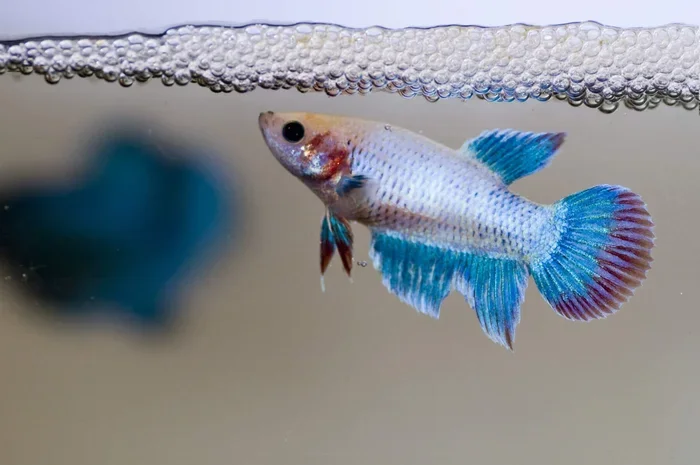
A baby betta fish is a young betta that is typically under 3 months old. They are also called fry or juveniles. At this stage, they are very small, often less than half an inch long. Their colors may not be fully developed yet, and their fins are still growing.
Baby bettas go through several growth stages. In the first few weeks, they are extremely delicate. By the time they reach 2 to 3 months old, they start showing their true colors and fin shapes. This is when they really start to look like the beautiful fish you see in pet stores.
How Big Do Baby Betta Fish Get?
A newborn betta is tiny, about the size of a pinhead. Within the first month, they grow to around a quarter of an inch. By 3 months, most baby bettas are about 1 inch long. Full-grown bettas can reach 2.5 to 3 inches, so you are getting a fish that will grow quite a bit over time.
Should I Get a Baby Betta Fish? Key Factors to Consider
Before you decide to get a baby betta, there are a few important things to think about. Raising a young betta is different from caring for an adult. Here are the main factors to consider.
Your Experience Level
If you are new to fish keeping, a baby betta can be a great learning experience. But they do require more attention than adult bettas. You need to monitor water parameters closely and feed them frequently. If you have never kept fish before, you might want to start with a hardier species or an adult betta first.
That said, many beginners do just fine with baby bettas. The key is to be patient and willing to learn. There are plenty of resources available to help you succeed.
Time Commitment
Baby bettas need more daily attention than adult fish. You will need to feed them 2 to 3 times a day in small amounts. You should also check the water temperature and do partial water changes regularly. If you have a busy schedule, this might be a challenge.
On the other hand, baby bettas are small and take up less space. Their tanks are easier to maintain compared to larger aquariums. As long as you can commit to a short daily routine, you will be in good shape.
Budget
The initial cost of setting up a tank for a baby betta can add up. You need a tank, heater, filter, and water conditioner. Food for baby bettas is also a recurring expense. However, baby bettas are usually less expensive to buy than adult show-quality bettas.
Setting Up the Perfect Tank for a Baby Betta
A proper tank setup is the foundation of good baby betta care. You want to create a safe, comfortable environment where your little fish can thrive. Here is what you need to know.
Tank Size
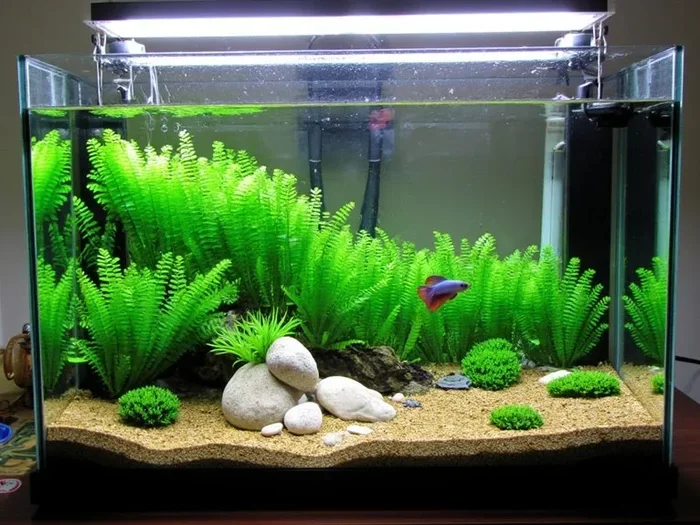
The minimum tank size for a baby betta is 5 gallons. Some people think a small bowl is enough, but a larger tank makes a big difference. A 5-gallon tank gives your baby betta room to swim and explore. It also makes it easier to maintain stable water conditions.
If you are wondering can i put my betta fish in a bowl, the short answer is yes, but it is not ideal. Bowls are too small to maintain consistent water quality. A 5-gallon tank is the sweet spot for a baby betta.
Heating and Temperature
Baby bettas need warm water, just like adult bettas. The ideal temperature range is between 78 and 80 degrees Fahrenheit. A small aquarium heater is essential to keep the temperature stable.
Temperature swings can stress your baby betta and make them sick. Invest in a good heater with a thermostat. This will help you maintain a consistent temperature without much effort.
Filtration
Yes, a baby betta needs a filter too. But you need to choose the right one. Baby bettas are weak swimmers, and strong filter currents can exhaust them. Use a gentle sponge filter or a filter with an adjustable flow rate.
If you are unsure about filters, check out should i use a filter for my betta fish for more details. A good filter keeps the water clean and reduces the need for frequent water changes.
Decorations and Hiding Spots
Baby bettas feel safer in tanks with plenty of hiding spots. Live or silk plants are great choices. Avoid sharp plastic decorations that can tear their delicate fins. Adding a few caves or hideouts gives your baby betta a sense of security.
Feeding Your Baby Betta Fish
Feeding is one of the most important parts of baby betta care. Young bettas have tiny stomachs and need frequent, small meals. Getting the feeding routine right can make a huge difference in their growth and health.
What to Feed Baby Betta Fish
Baby bettas need protein-rich food. The best options include:
- Baby brine shrimp: A natural, nutrient-dense food that baby bettas love.
- Crushed betta pellets: Look for high-quality pellets and crush them into tiny pieces.
- Microworms: Small live worms that are perfect for very young bettas.
- Daphnia: A small crustacean that serves as a healthy treat.
If you are wondering about commercial food options, check out can i use tetra food for a betta fish. Tetra makes some good options, but always look for food specifically designed for bettas.
Feeding Schedule for Baby Bettas
Baby bettas should be fed 2 to 3 times a day. Each meal should be very small, about the size of their eye. Overfeeding is a common mistake that can lead to constipation and poor water quality. Feed only what your baby betta can eat in 2 to 3 minutes.
As your betta grows, you can reduce feeding to twice a day and gradually increase the portion size. By the time your betta is 6 months old, you can switch to a standard adult feeding routine.
Common Health Issues in Baby Betta Fish
Baby bettas are more prone to health problems than adult fish. Their immune systems are still developing, and they are sensitive to poor water conditions. Knowing the warning signs can help you act quickly.
Fin Rot
Fin rot is one of the most common issues in baby bettas. It appears as ragged or discolored fins. This bacterial infection is often caused by poor water quality. Regular water changes and a clean tank can help prevent fin rot.
Constipation
Constipation happens when a baby betta eats too much or gets the wrong type of food. Signs include a swollen belly and lack of appetite. To prevent this, feed small amounts and include fiber-rich foods like daphnia in their diet.
Stress and Temperature Shock
Baby bettas can get stressed easily. Sudden changes in temperature or water quality can shock their system. Always acclimate new water slowly and avoid moving their tank to different locations without adjusting the temperature first.
Do Baby Betta Fish Sleep a Lot?
If you notice your baby betta sleeping more than usual, do not panic right away. Baby bettas need more sleep than adult fish. They typically sleep 8 to 12 hours a day. You might see them resting at the bottom of the tank or floating near the surface.
For more information about baby betta sleep patterns, check out do baby betta fish sleep a lot. Understanding their sleep habits helps you create a better environment for them.
Raising Your Baby Betta: What to Expect
Raising a baby betta is a journey. Each stage of growth brings new challenges and rewards. Here is a general timeline of what to expect.
- Week 1-2: The baby betta is very small and stays near the bottom of the tank. Feed them infusoria or baby brine shrimp.
- Week 3-4: Your betta starts to grow and becomes more active. You can introduce crushed pellets at this stage.
- Month 2: Colors begin to show. Your betta starts developing its unique personality.
- Month 3 and beyond: Your baby betta is now a juvenile. You can transition to an adult feeding schedule and larger tank if needed.
Patience is key during the first few weeks. Baby bettas grow fast, but they need consistent care to reach their full potential.
Can You Keep a Baby Betta With Other Fish?
This is a common question among new betta owners. The short answer is: it depends. Baby bettas are more vulnerable than adults. They can be bullied or eaten by larger tank mates. Even peaceful fish can nip at a baby betta’s long fins.
For now, it is best to keep your baby betta alone. As they grow bigger and stronger, you can consider adding compatible tank mates. If you want to learn more about betta tank mates, check out can i put other fish in with a betta.
Where Can You Get a Baby Betta Fish?
There are several places to find baby bettas for sale. Local fish stores are a great option because you can see the fish in person. Online breeders also offer a wide selection of baby bettas, often with more color variety.
If you prefer to buy locally, check out where can i get a betta fish for tips on finding reputable sellers. Always look for healthy, active baby bettas with bright colors and no signs of disease.
Quick Tips for Baby Betta Fish Care
- Keep the water temperature stable: Use a heater and monitor it daily.
- Do partial water changes weekly: Replace 25 to 30 percent of the water each week.
- Do not overfeed: Small meals, 2 to 3 times a day, is the sweet spot.
- Use a gentle filter: Avoid strong currents that tire out your baby betta.
- Watch for warning signs: Look out for clamped fins, loss of appetite, or unusual behavior.
- Be patient: Baby bettas grow fast but need consistent care to thrive.
Common Mistakes to Avoid
Even experienced fish keepers make mistakes with baby bettas. Here are some common errors to avoid:
- Using a tank that is too small: A bowl or tiny container limits your betta’s growth and health.
- Skipping the heater: Cold water can make your baby betta sluggish and sick.
- Overfeeding: This leads to constipation and dirty water. Less is more with baby bettas.
- Doing full water changes: Replacing all the water at once can shock your baby betta. Stick to partial changes.
- Adding tank mates too early: Give your baby betta time to grow before introducing other fish.
Expert Insights on Baby Betta Care
Experienced betta keepers agree that the first few weeks are the most critical. During this time, your baby betta is adjusting to its new environment and growing rapidly. Maintaining stable water conditions and providing a consistent feeding schedule are the two most important things you can do.
Many experts also recommend keeping a simple log of water parameters and feeding times. This helps you track your baby betta’s progress and catch any issues early. Even a basic notebook can make a big difference in the long run.
Is a Baby Betta Right for You?
So, should i get a baby betta fish? The answer depends on your experience, time, and willingness to care for a delicate, growing fish. Baby bettas are wonderful pets that bring color and life to any space. They are curious, interactive, and each one has its own unique personality.
If you are ready to put in the effort, a baby betta can be a deeply rewarding companion. Start with a proper tank setup, feed them well, and enjoy watching them grow. With the right care, your baby betta will thrive and bring you joy for years to come.
Remember, every successful betta keeper started somewhere. Whether you are getting your first baby betta or your fifth, the journey is always worth it. Take your time, do your research, and enjoy every moment of raising your little fish.
Frequently Asked Questions
How often should I feed a baby betta fish?
Feed your baby betta 2 to 3 times a day in very small amounts. Each meal should be about the size of their eye. Overfeeding is the most common mistake new betta owners make.
Can baby betta fish live in a bowl?
They can, but a 5-gallon tank is much better. Bowls are too small to maintain stable water conditions, which is critical for baby betta health and growth.
How long do baby betta fish take to grow up?
Baby bettas reach juvenile stage by 3 months and are considered adults by 6 months. However, their full color and fin development may take up to a year.
What temperature does a baby betta fish need?
Keep the water temperature between 78 and 80 degrees Fahrenheit. A stable temperature is essential for a baby betta’s immune system and overall health.
Can I keep two baby betta fish together?
No, it is not recommended. Even baby bettas can be aggressive toward each other. Keep each baby betta in its own separate tank to avoid stress and injury.
What is the best food for a baby betta fish?
Baby brine shrimp, crushed betta pellets, and microworms are excellent food options for baby bettas. They need protein-rich, small-sized foods to support their rapid growth.
=== CONCLUSION ===
Getting a baby betta fish is a wonderful decision if you are prepared for the commitment. These tiny, colorful fish bring so much joy and personality to any space. But they do need the right setup, consistent feeding, and careful attention to water quality. By following the tips in this guide, you can give your baby betta the best possible start in life.
Remember, the key to success with a baby betta is patience and consistency. Keep the water warm, the tank clean, and the food appropriate. If you take good care of your baby betta, you will be rewarded with a healthy, vibrant fish that can live for several years. So go ahead, set up that tank, and enjoy the journey of raising your very own baby betta fish.