Can Fish Hide Better in Murky Water

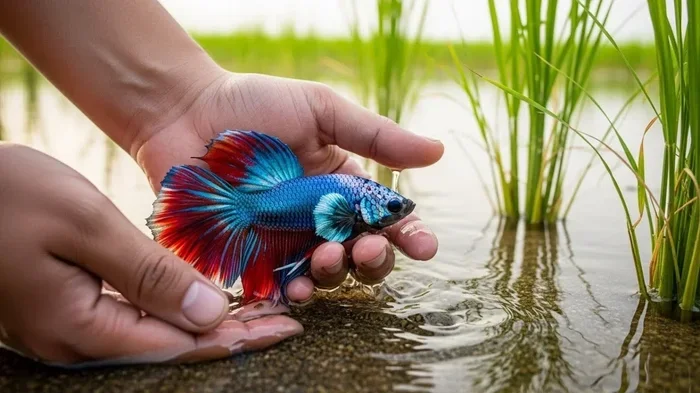
Fish can indeed hide better in murky water because reduced visibility gives them a natural advantage against predators and aggressive tank mates. For betta fish specifically, slightly cloudy or tinted water can mimic their natural habitat in rice paddies and shallow streams, helping them feel more secure. However, murky water should never be confused with dirty or unhealthy water quality, as poor conditions can harm your betta’s health over time.
Key Takeaways
- Murky water improves hiding ability: Reduced visibility in cloudy water makes it harder for predators and aggressive fish to spot your betta.
- Natural habitat mimicry: Betta fish originate from murky rice paddies and shallow waters in Southeast Asia, so tinted water feels familiar to them.
- Stress reduction through cover: Cloudy water combined with plants and decorations creates a secure environment that lowers stress levels in betta fish.
- Murky does not mean dirty: There is a big difference between beneficial tannin-stained water and harmful bacterial blooms or polluted water.
- Camouflage is a survival tool: Many fish species, including bettas, use murky water as a natural camouflage mechanism to avoid threats.
- Balance is essential: While some cloudiness is beneficial, you must still maintain proper filtration and regular water changes for your betta’s health.
- Driftwood and leaves help: Natural elements like driftwood and Indian almond leaves release tannins that safely tint water and promote hiding behavior.
📑 Table of Contents
- Can Fish Hide Better in Murky Water? The Complete Guide for Betta Owners
- Why Murky Water Helps Fish Hide More Effectively
- How Betta Fish Naturally Thrive in Murky Environments
- The Difference Between Healthy Murky Water and Dirty Water
- Creating the Perfect Murky Environment for Your Betta Fish
- How Murky Water Affects Betta Fish Behavior
- Common Misconceptions About Murky Water and Fish Hiding
- Practical Tips for Maintaining a Betta-Friendly Murky Tank
- Conclusion
Can Fish Hide Better in Murky Water? The Complete Guide for Betta Owners
Have you ever watched your betta fish disappear behind a clump of plants and wondered if they would be even safer in murky water? It is a question that many aquarium owners think about, especially when their betta seems stressed or constantly hiding. The idea that fish can hide better in murky water is not just an old wives’ tale. There is real science behind it, and it connects directly to how betta fish have survived in the wild for thousands of years.
Betta fish are naturally found in shallow, slow-moving waters across Southeast Asia. Think rice paddies, marshes, and small streams where the water is often stained brown from decaying plant matter. These environments are far from crystal clear. They are rich with tannins, organic debris, and floating particles that reduce visibility dramatically. For a betta fish, this murky water is not a problem. It is home. It is where they feel safest and most in their element.
In this article, we will explore exactly why fish can hide better in murky water, how this applies to betta fish in captivity, and what you can do to create the perfect environment for your finned friend. We will also cover the important difference between healthy murky water and dangerous dirty water, because confusing the two could seriously harm your betta. Let us dive in and uncover the truth about murky water and hiding behavior.
Why Murky Water Helps Fish Hide More Effectively
The Science Behind Visibility and Predator Avoidance
When water becomes cloudy or murky, light cannot pass through it as easily. Suspended particles, tannins, and organic matter scatter light in every direction. This creates a visual barrier that makes it much harder for predators to spot their prey. For small fish like bettas, this is one of the most important survival tools nature has given them.
In clear water, a betta fish’s bright colors can actually work against it. Those stunning reds, blues, and purples that we love as aquarium owners are like a neon sign saying “here I am” to any predator. But in murky water, those same colors become muted and blend into the background. The fish essentially becomes invisible, which is exactly what it needs to stay safe.
This is not just about bettas. Countless species of freshwater fish around the world rely on murky water for protection. Fish living in lakes, rivers, and swamps with naturally cloudy water have evolved to use that reduced visibility to their advantage. It is one of the oldest and most effective survival strategies in the aquatic world.
How Turbidity Creates a Natural Shield
Turbidity is the scientific term for how cloudy or hazy water appears. It is caused by tiny particles floating in the water column. These particles can include silt, clay, algae, and decomposed plant material. Higher turbidity means lower visibility, and lower visibility means better hiding opportunities for small fish.
Think of it like fog on land. If you have ever walked through a thick fog, you know how difficult it is to see even a few feet ahead. The same principle applies underwater. A predator that relies on sight to hunt will struggle significantly in turbid water. This gives prey fish like bettas the precious time and cover they need to escape or simply remain undetected.
Research has consistently shown that fish in murky water exhibit less stress-related behavior. They spend more time foraging, exploring, and resting because they feel protected by the visual barrier the turbidity provides. This is a key point for aquarium owners to understand. A betta that hides constantly in clear water might actually relax and become more active when given the security of slightly tinted or cloudy water.
How Betta Fish Naturally Thrive in Murky Environments
The Wild Origins of Betta Fish
To understand why betta fish hide better in murky water, we need to look at where they come from. Wild betta fish, specifically Betta splendens, are native to the Mekong River basin and the floodplains of Thailand, Cambodia, Laos, and Vietnam. During the rainy season, these areas become vast shallow pools and rice paddies with warm, slow-moving, and heavily tinted water.
The water in these natural habitats is rarely clear. Decaying vegetation, stirred-up sediment, and algae blooms create a consistently murky environment. Betta fish have evolved over millions of years to not just survive but to thrive in these conditions. Their labyrinth organ, which allows them to breathe air from the surface, is a direct adaptation to living in oxygen-poor, stagnant waters that are often quite cloudy.
When we keep betta fish in crystal-clear aquariums, we are actually presenting them with an environment that is quite different from what their instincts expect. This can sometimes cause stress because the fish feels exposed and vulnerable. Adding natural elements that create slight cloudiness or tint can help bridge the gap between captivity and their wild roots.
Camouflage and Coloration in Murky Water
Betta fish are famous for their vibrant colors, but in the wild, those colors serve a purpose beyond beauty. In murky water, the way light interacts with their scales creates a natural camouflage effect. The iridescent and metallic tones on a betta’s body break up their outline in cloudy water, making them much harder to spot against a background of decomposing leaves and dark sediment.
This form of camouflage is called disruptive coloration. It works by breaking up the recognizable shape of the animal. In clear water, a betta’s silhouette is easy to identify. In murky water, the edges of their body seem to dissolve into the surrounding environment. Predators, and even aggressive tank mates, have a much harder time targeting a fish they cannot clearly see.
For aquarium owners, this means that providing some form of visual cover through tinted water or dense planting can dramatically improve your betta’s quality of life. The fish will feel more confident, display more natural behaviors, and show better overall health when it knows it can hide effectively.
The Difference Between Healthy Murky Water and Dirty Water
When Murky Water Is Good for Your Betta
Not all murky water is created equal. There is a significant difference between water that is cloudy from beneficial tannins and water that is polluted from waste buildup. Understanding this difference is absolutely critical for any betta owner.
Healthy murky water is typically caused by tannins released from driftwood, dried leaves like Indian almond leaves, and other natural botanicals. This type of cloudiness gives the water a tea-colored or slightly brownish tint. It is gentle on fish, has mild antibacterial properties, and closely mimics the natural betta habitat. Many experienced betta keepers intentionally create this “blackwater” environment because of the benefits it provides.
Tannin-stained water also tends to be slightly acidic, which is the preferred pH range for betta fish. It can help reduce stress, enhance coloration, and even encourage breeding behavior. If your betta comes from wild-caught lines or has been bred to natural standards, this type of environment can be incredibly beneficial.
When Murky Water Becomes Dangerous
On the other end of the spectrum, murky water caused by bacterial blooms, excess food waste, or ammonia spikes is extremely harmful. This type of cloudiness is often accompanied by a foul smell and can quickly lead to disease and death in betta fish. Bacterial blooms happen when there is an imbalance in the aquarium’s nitrogen cycle, usually due to overfeeding, inadequate filtration, or infrequent water changes.
If your tank water turns cloudy white or gray and smells bad, you need to take immediate action. Test your water parameters for ammonia, nitrite, and nitrate levels. Perform a partial water change and check that your filter is functioning properly. This kind of murky water does not help your betta hide. It threatens its life.
The key takeaway here is that murky water should always come from natural, controlled sources. Adding botanicals to create a safe tinted environment is wonderful. Ignoring maintenance and letting water become cloudy from waste is a recipe for disaster. If you are ever unsure about your water quality, testing is always the safest route. You can learn more about proper water care in our guide on when to change water in betta fish tank.
Creating the Perfect Murky Environment for Your Betta Fish
Using Driftwood and Natural Botanicals
One of the best ways to create healthy murky water for your betta is by adding natural botanicals. Driftwood is an excellent choice. It releases tannins slowly over time, creating a beautiful amber tint that reduces visibility and provides hiding opportunities. Malaysian driftwood and mopani driftwood are two popular options that work beautifully in betta tanks.
Indian almond leaves, also known as catappa leaves, are another fantastic addition. These leaves release tannins as they decompose, staining the water and creating a natural hiding environment. They also have antimicrobial properties that can help keep your betta healthy. Many betta owners keep one or two leaves in their tank at all times for both the health benefits and the security they provide.
Other botanicals worth considering include alder cones, banana leaves, and oak leaves. All of these release tannins and create micro-hiding spots as they break down. The key is to source them from reputable aquarium suppliers to ensure they are free from pesticides and contaminants. Never pick up random leaves from outside without proper preparation, as they can introduce harmful substances into your tank.
Adding Plants and Decorations for Extra Cover
While murky water itself provides visual cover, combining it with dense planting and strategic decorations takes your betta’s hiding ability to the next level. Live plants like java fern, anubias, and floating plants such as water sprite or frogbit create layers of cover that make your betta feel incredibly secure.
Floating plants are especially beneficial because bettas naturally hang out near the surface. A thick mat of floating plants gives them a ceiling of cover while the murky water below provides a floor of protection. This three-dimensional hiding environment is as close as you can get to replicating a wild betta habitat in a home aquarium.
Caves, tunnels, and ceramic ornaments also serve as excellent hiding spots. When combined with tinted water, these decorations become even more effective because your betta can slip inside and become virtually invisible. Just make sure any decorations you choose do not have sharp edges that could tear your betta’s delicate fins. Smooth, betta-safe decorations are always the way to go.
How Murky Water Affects Betta Fish Behavior
Reduced Stress and Increased Confidence
One of the most noticeable effects of murky water on betta fish behavior is a significant reduction in stress. Bettas kept in clear, bare tanks often display signs of anxiety such as glass surfing, clamped fins, and constant hiding behind the filter or heater. When you introduce tinted water and natural cover, many of these stress behaviors decrease dramatically.
A betta that feels secure is a betta that shows its best colors and most interesting personality. You may notice your betta exploring more, flaring its gills out of curiosity rather than aggression, and even building bubble nests more frequently. These are all signs of a happy, confident fish that feels safe in its environment.
It is also worth noting that bettas in murky water tend to be less aggressive toward tank mates. When a dominant fish cannot constantly see and challenge other fish, the overall tank dynamic becomes more peaceful. This is particularly relevant if you are keeping your betta with compatible companions. For more on this topic, check out our article on which fish can live with betta fish in a tank.
Feeding Behavior in Cloudy Water
Some betta owners worry that murky water will make it harder for their fish to find food. While it is true that visibility is reduced, betta fish do not rely solely on sight to locate their meals. They also use their lateral line system, which detects vibrations and water movement, and their sense of smell to find food.
In practice, most bettas adapt to feeding in murky water without any issues. You may want to use the same feeding spot each time so your betta learns where to expect food. Dropping pellets near a specific plant or decoration helps the fish locate them quickly. If your betta seems to struggle, you can use a feeding ring or simply slow down the feeding process to give it more time.
One important tip is to avoid overfeeding in murky tanks. Uneaten food will decompose faster in warm, tannin-rich water and can cause water quality issues. Feed only what your betta can consume in about two minutes and remove any uneaten food promptly. This keeps the water healthy while still allowing your betta to enjoy the security of its tinted environment.
Common Misconceptions About Murky Water and Fish Hiding
Murky Water Does Not Mean You Can Skip Maintenance
This is perhaps the biggest misconception among betta owners who embrace the murky water approach. Just because tannin-stained water is beneficial does not mean you can neglect regular water changes and tank maintenance. The nitrogen cycle still operates in a botanical-style tank, and ammonia and nitrite levels must be monitored just as carefully as in any other setup.
Regular partial water changes of about 20 to 30 percent per week are still essential. You may need to adjust the frequency depending on your tank size and bioload. The botanicals create a beautiful, secure environment, but they do not replace the fundamental need for clean, properly cycled water. Think of the tannins as an enhancement, not a substitute for good husbandry.
If you are new to betta keeping and want to understand the basics of water care, our guide on how to change water in betta fish tank is a great place to start. It walks you through the entire process step by step so you can maintain a healthy environment for your fish.
Not All Fish Benefit Equally from Murky Water
While bettas and many other naturally shy species thrive in murky water, not every fish species appreciates reduced visibility. Some fish are visual hunters that need clear water to catch their prey. Others are open-water swimmers that feel stressed when they cannot see their surroundings clearly. Always research the specific needs of every species in your tank before intentionally reducing water clarity.
For betta fish specifically, the benefits are clear and well-documented. Their evolutionary history in murky Southeast Asian waters makes them perfectly suited for this type of environment. But if you are keeping a community tank with species that prefer clear water, you will need to find a balance that works for everyone. A lightly tinted tank with plenty of plants can often satisfy both preferences.
Practical Tips for Maintaining a Betta-Friendly Murky Tank
Choosing the Right Tint Level
You do not need to turn your aquarium into a swamp to help your betta hide better. A light to moderate tint is usually sufficient. Think of the color of weak tea rather than dark coffee. This level of cloudiness provides meaningful visual cover without making it impossible to observe your fish. After all, part of the joy of keeping bettas is watching their beautiful colors and behaviors.
If you are using Indian almond leaves, start with one leaf per five gallons of water and observe the tint level over a few days. You can add more leaves gradually until you reach your desired level. Driftwood works similarly. A small piece of Malaysian driftwood in a five-gallon tank will release tannins slowly and maintain a gentle tint for weeks or even months.
Activated carbon in your filter can remove tannins if the water becomes too dark for your liking. This gives you complete control over the tint level. Some betta owners run carbon for part of the week and remove it for the rest, creating a balance between clear and tinted water. Experiment to find what makes your betta most comfortable.
Monitoring Water Quality in a Botanical-Style Setup
Keeping a botanical-style tank requires a slightly different approach to water testing. The tannins from botanicals can naturally lower pH, which is generally good for bettas. However, you should still test regularly to ensure parameters stay within safe ranges. Ammonia and nitrite should always be at zero, and nitrate should stay below 20 parts per million.
pH in a tannin-rich tank may drop to between 6.0 and 7.0, which is ideal for bettas. If the pH drops too low, below 5.5 for example, you may need to reduce the number of botanicals or add a small amount of crushed coral to buffer the water. Stability is more important than hitting a perfect number, so avoid making rapid changes to your water chemistry.
Temperature should remain steady between 76 and 82 degrees Fahrenheit, which is the comfortable range for betta fish. A reliable heater and thermometer are essential equipment regardless of whether you run a clear or murky tank. Consistent temperature supports immune function and overall health, giving your betta the best chance to thrive in its cozy, hidden world.
Conclusion
So, can fish hide better in murky water? The answer is a resounding yes, and for betta fish, this natural hiding advantage can transform their quality of life in captivity. Murky water created by driftwood, Indian almond leaves, and other botanicals mimics the betta’s ancestral habitat in the rice paddies and shallow streams of Southeast Asia. It provides visual cover that reduces stress, encourages natural behavior, and allows your betta to feel genuinely safe and secure.
The key is understanding the difference between beneficial tannin-stained water and harmful dirty water. Healthy murky water is clear in intent, slightly tinted, and maintained through regular water changes and careful monitoring. It is not an excuse to skip maintenance but rather an enhancement that works alongside good husbandry practices.
If your betta fish seems stressed, hides constantly, or displays faded colors, introducing natural murky elements to its tank could be exactly what it needs. Start with a few Indian almond leaves or a small piece of driftwood, add some dense floating plants, and watch your betta come alive with confidence. The security of being able to hide is one of the most fundamental needs of any prey species, and giving your betta that gift is one of the best things you can do as an aquarium owner.
Frequently Asked Questions
What is can fish hide better in murky water?
can fish hide better in murky water is an important topic with many practical applications.