Should a Betta Fish Eyes Stick Out
Betta fish eyes should not stick out or bulge significantly. Protruding or popping eyes often signal underlying health issues like pop eye, infections, or poor water quality. This guide covers causes, treatments, and prevention to keep your betta fish eyes healthy and clear.
Key Takeaways
- Normal vs. Abnormal: Slight eye prominence is natural, but bulging or protruding eyes usually indicate a health problem that needs attention.
- Popeye Disease: The most common cause of sticking out eyes in betta fish, often caused by injury or bacterial infection.
- Water Quality Matters: Poor tank conditions are a leading contributor to eye problems and overall betta fish health decline.
- Early Detection Helps: Catching eye issues early makes treatment much easier and more effective for your fish.
- Prevention Works: Regular tank maintenance, proper diet, and good water parameters can prevent most eye-related problems.
📑 Table of Contents
- Should a Betta Fish Eyes Stick Out?
- Why Are My Betta Fish Eyes Sticking Out?
- How to Treat Betta Fish Eyes That Are Sticking Out
- Can Betta Fish Eyes Recover From Sticking Out?
- How to Prevent Eye Problems in Betta Fish
- When to See a Vet
- Common Mistakes Bettas Owners Make With Eye Health
- Expert Insights on Betta Fish Eye Health
- Conclusion
Should a Betta Fish Eyes Stick Out?
You notice your betta fish swimming around the tank, and something looks off. One eye—or maybe both—seems to be pushing outward more than it should. Your mind starts racing. Is this normal? Should a betta fish eyes stick out at all? The short answer is no. While betta fish eyes are naturally a bit prominent compared to other fish, protruding or bulging eyes are usually a warning sign.
Betta fish are beautiful, vibrant creatures that bring life to any aquarium. But their small size and delicate features mean even minor health issues can become serious fast. Eye problems in particular can point to bigger issues lurking in the tank. Whether it’s a minor irritation or a full-blown infection, understanding what’s happening with your betta’s eyes is the first step toward fixing the problem.
In this article, we’ll break down everything you need to know about betta fish eyes that stick out. We’ll cover normal eye appearance, common causes of eye protrusion, treatment options, and simple prevention tips. By the end, you’ll feel confident spotting the difference between a healthy betta and one that needs help.
What Do Healthy Betta Fish Eyes Look Like?
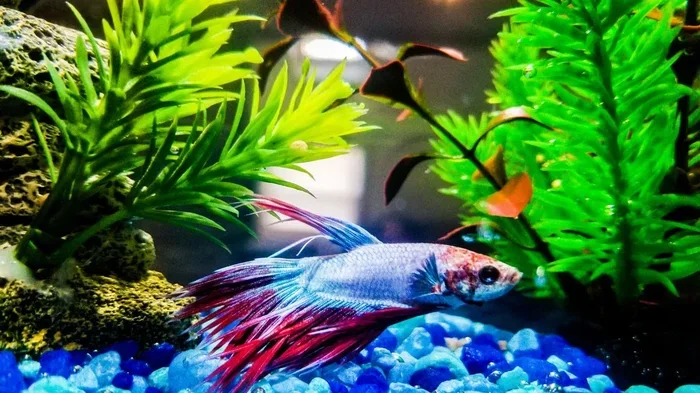
Before you can spot a problem, you need to know what normal looks like. Healthy betta fish eyes should be clear, bright, and slightly rounded. Both eyes should be the same size and sit flush with the head. There should be no cloudiness, swelling, or visible damage. A slight natural bulge is completely fine—betta fish eyes do protrude a bit because of their anatomy. This is part of what gives them that charming, alert look.
Think of it this way. If you look at your betta from the front, the eyes should appear smooth and even. The color should be vivid—black, gold, or matching their body color. The area around the eye should be clean with no redness or discharge. Fish eye health is a great window into your betta’s overall well-being. When the eyes look good, chances are the rest of the fish is doing well too.
Some betta owners wonder about do betta fish have a sense of sight and how their eyes function compared to other pets. Bettas have decent vision for fish, especially in terms of detecting movement and recognizing their owners. But their eyes are also sensitive to changes in water conditions, lighting, and tank mates. Keeping their environment stable goes a long way toward maintaining clear, healthy eyes.
Why Are My Betta Fish Eyes Sticking Out?
If you’ve noticed your betta fish eyes popping out or looking swollen, several factors could be at play. Understanding the root cause is essential for choosing the right treatment. Here are the most common reasons betta fish eyes start to protrude.
Popeye Disease (Exophthalmia)
The number one culprit behind sticking out eyes in betta fish is popeye disease, also known as exophthalmia. This condition causes one or both eyes to swell and bulge outward from the socket. It happens when fluid builds up behind the eye, pushing it forward. Popeye can affect one eye (unilateral) or both eyes (bilateral), and the severity varies from mild to extreme.
Bacterial infections are the most common cause of popeye. Bacteria like Aeromonas or Pseudomonas enter through a wound or weakened immune system. Poor water quality is almost always a contributing factor. When ammonia and nitrite levels spike, your betta’s immune system takes a hit, making it easier for infections to take hold. This is why tank water quality is so important for betta fish care.
Injury is another major cause. Betta fish can be curious and sometimes bump into sharp decorations, rocks, or even other fish. A scratch near the eye can let bacteria in, leading to swelling and protrusion. If you’ve ever asked yourself why is my betta fish eyes popping out, popeye from injury or infection is the most likely answer.
Poor Water Quality
Dirty water is a silent killer in aquariums. When waste builds up, ammonia levels rise. Even small amounts of ammonia can burn your betta’s eyes, gills, and skin. Over time, this irritation leads to swelling and eye protrusion. If your tank isn’t cycled properly or you skip water changes, your betta is at risk.
High nitrate levels also cause stress over time. Stressed fish are more vulnerable to disease. Their eyes may start to look cloudy or swollen. This is why regular water testing and maintenance matter so much. If you want to keep your betta healthy, maintaining clean aquarium conditions should be at the top of your priority list.
Physical Injury or Trauma
Betta fish are active swimmers, and sometimes accidents happen. Sharp tank decorations, rough gravel, or even aggressive tank mates can cause eye injuries. A damaged eye may swell as it heals, making it look like it’s sticking out. In some cases, the eye might actually protrude from the socket entirely—a serious condition that needs immediate attention.
If you keep your betta in a community tank, injuries from other fish are more common. Even peaceful fish can accidentally nip or bump during feeding. Single-species tanks or carefully chosen tank mates reduce this risk significantly.
Nutritional Deficiencies
Believe it or not, what your betta eats affects its eyes too. A diet lacking in vitamin A or other essential nutrients can lead to eye problems over time. Bettas are carnivorous and need protein-rich food. Flakes alone often don’t provide enough nutrition. Frozen or live foods like brine shrimp and bloodworms make a big difference.
Overfeeding is another concern. Uneaten food rots in the tank, polluting the water. This creates a cycle where poor water quality leads to eye issues and other health problems. Feeding your betta the right amount of high-quality food supports both eye health and overall wellness.
Other Underlying Health Conditions
Sometimes, protruding eyes are a symptom of a broader health issue. Kidney problems, metabolic disorders, and systemic infections can all cause fluid buildup that pushes the eyes forward. These conditions are harder to diagnose and often require a vet’s expertise. If your betta shows multiple symptoms—like lethargy, loss of appetite, and eye swelling—it’s time to dig deeper.
Some fish keepers also report eye issues related to can changing lights hurt a betta fish eyes. While lighting doesn’t directly cause eyes to stick out, harsh or flickering lights can stress your betta and worsen existing conditions. Using gentle, consistent lighting helps keep your fish calm and healthy.
How to Treat Betta Fish Eyes That Are Sticking Out
Once you’ve identified the likely cause, treatment can begin. The approach depends on severity and root cause. Here’s a practical guide to treating protruding eyes in betta fish.
Step 1: Test and Improve Water Quality
This is always the first step. Grab a liquid test kit and check ammonia, nitrite, nitrate, and pH levels. Ammonia and nitrite should be at zero. Nitrates should be below 20 ppm. If any levels are off, do a 25-50% water change immediately. Use a gravel vacuum to remove debris from the substrate.
Continue testing daily until levels stabilize. Consider adding water conditioner to remove chlorine and chloramine. If your tank isn’t cycled, that’s a bigger problem that needs addressing before anything else. Clean water is the foundation of betta fish health and recovery.
Step 2: Isolate the Fish
If you have a community tank, move your betta to a quarantine or hospital tank. This prevents the spread of infection and reduces stress from other fish. A simple 5-gallon tank with a heater and gentle filter works well. Keep the water parameters stable and perform daily water changes during treatment.
Step 3: Apply Medication
For bacterial popeye, broad-spectrum fish antibiotics like erythromycin or kanamycin are effective. You can find these at most pet stores or online. Follow the dosage instructions carefully. For mild cases, aquarium salt (not table salt) added at 1 teaspoon per gallon can help reduce swelling and support healing.
For injury-related eye swelling, focus on clean water and wait for natural healing. Most minor eye injuries resolve within one to two weeks if water conditions are excellent. Avoid using strong medications unless you’re sure the cause is bacterial, as some treatments can harm beneficial bacteria in the tank.
Step 4: Adjust Diet and Supplements
Boost your betta’s nutrition during recovery. High-quality pellets should be the staple. Add variety with frozen or live foods rich in vitamins. Some fish keepers swear by soaking food in vitamin supplements before feeding. A well-nourished fish heals faster and fights off infection more effectively.
Can Betta Fish Eyes Recover From Sticking Out?
The good news is that many cases of protruding eyes can improve with proper treatment. Mild popeye often resolves within one to two weeks once water quality is corrected and medication is applied. The eye may not return to its exact original shape, but function usually returns. Your betta can live a perfectly happy life even with a slightly deformed eye.
Severe cases are trickier. If the eye has actually popped out of the socket or sustained permanent damage, it may not recover fully. However, betta fish are remarkably resilient. They can adapt well even with vision loss in one eye. Many owners report their bettas continuing to eat, play, and thrive with just one functional eye.
If the eye protrusion is caused by a systemic illness or organ failure, the prognosis depends on the underlying condition. Early intervention always improves the chances of a full recovery. This is why observing your betta daily and catching problems early matters so much.
How to Prevent Eye Problems in Betta Fish
Prevention is always better than cure. The good news is that keeping your betta’s eyes healthy is not complicated. A few consistent habits make all the difference.
- Maintain clean water: Perform weekly water changes of 20-30%. Test parameters regularly. Keep ammonia and nitrite at zero.
- Avoid sharp decorations: Choose smooth rocks, soft substrate, and live or silk plants. Avoid plastic plants with rough edges that can scratch your betta.
- Feed a balanced diet: Mix high-quality pellets with frozen or live foods. Don’t overfeed. Remove uneaten food within five minutes.
- Keep stress levels low: Provide hiding spots, gentle lighting, and compatible tank mates—or keep your betta solo.
- Quarantine new fish: If you add new fish to the tank, keep them in a separate tank for two weeks to watch for signs of disease.
- Monitor your betta daily: Spend a few minutes each day observing your fish. Early detection of eye changes or other symptoms leads to better outcomes.
Following these steps dramatically reduces the risk of eye problems. It also supports your betta’s overall health, from their vibrant fins to their bright, clear eyes. For more tips on keeping your betta comfortable, check out our guide on do betta fish like a lot of space and should betta fish be in a small bowl.
When to See a Vet
Most eye issues can be managed at home with good water care and basic medication. But there are times when professional help is the right call. If your betta’s eye protrusion doesn’t improve after two weeks of treatment, it’s time to consult a vet. If both eyes are severely swollen, or if your betta shows signs of blindness—bumping into objects, not responding to food—the situation may be more serious.
Also seek help if you notice pus, blood, or visible damage to the eye itself. These symptoms suggest a deep infection or traumatic injury that may need specialized treatment. A vet experienced with fish can prescribe targeted medications and provide a more accurate diagnosis.
Remember, you know your fish best. If something feels wrong, trust your instincts. It’s always better to act early than wait until a small issue becomes a life-threatening one. Your betta depends on you for its well-being, and attentive care makes all the difference.
Common Mistakes Bettas Owners Make With Eye Health
Even well-meaning fish keepers sometimes make mistakes that worsen eye problems. Here are the most common ones to avoid.
- Ignoring water changes: Many beginners think adding fresh water is enough. It’s not. You need to remove old, dirty water and replace it. This keeps toxin levels in check and supports healing.
- Overmedicating: More medicine doesn’t mean faster healing. Overdosing can harm your betta’s organs and destroy beneficial bacteria in the tank. Always follow dosage instructions.
- Using table salt: Aquarium salt is specially formulated for fish tanks. Table salt contains additives like iodine and anti-caking agents that can harm your betta.
- Skipping quarantine: Introducing a new fish without a quarantine period risks exposing your betta to diseases they aren’t equipped to fight.
- Waiting too long to act: Eye problems can escalate quickly. The sooner you notice and address the issue, the better the outcome for your fish.
Avoiding these mistakes puts you ahead of most betta owners. It shows you’re committed to giving your fish the best possible life. And that commitment is what makes the difference between a fish that barely survives and one that thrives.
Expert Insights on Betta Fish Eye Health
Experienced fish keepers and aquatic veterinarians agree on a few key points when it comes to betta fish eyes that stick out. First, water quality is the foundation of everything. No amount of medication can compensate for a dirty tank. Second, stress weakens the immune system and makes fish vulnerable to infections that cause eye problems. Third, early intervention is the single biggest factor in successful treatment outcomes.
Many experts also recommend keeping a simple log of water parameters, feeding schedules, and any changes you notice in your betta’s behavior. This log becomes invaluable when problems arise because it helps you spot patterns and identify causes faster. Even a basic notebook works—just jot down your water test results and anything unusual you observe during feeding or tank maintenance.
If you’re dealing with eye issues right now, don’t panic. Most cases of protruding eyes in betta fish are treatable with patience and consistent care. Focus on the basics—clean water, good food, low stress—and give your betta time to recover. For more information on related health topics, you might find our article on why do betta fish eyes pop out helpful as well.
Conclusion
So, should a betta fish eyes stick out? No, not significantly. While betta fish eyes are naturally a bit prominent, bulging or protruding eyes are a sign that something needs attention. Whether it’s popeye disease, poor water quality, an injury, or a nutritional gap, the cause is almost always fixable with the right approach.
The key is to act quickly and consistently. Test your water, improve conditions, apply treatment if needed, and adjust your betta’s diet. Prevention through good husbandry is the best medicine. Keep your tank clean, your betta well-fed, and your stress levels low—and your fish will reward you with bright, clear eyes and lively behavior for years to come.
Caring for a betta fish is a rewarding responsibility. Every small action you take—whether it’s a weekly water change or a daily observation session—adds up to a healthier, happier fish. Trust your instincts, stay informed, and enjoy the journey of being a great betta fish owner.
Frequently Asked Questions
Why do betta fish eyes pop out suddenly?
Sudden eye protrusion in betta fish is most commonly caused by popeye disease, which results from bacterial infection or physical injury. Poor water quality is the biggest contributing factor, as high ammonia levels weaken the fish’s immune system and make it vulnerable to infections that cause swelling and eye bulging.
Can a betta fish survive with one eye that sticks out?
Yes, many betta fish adapt well even with a permanently protruding or damaged eye. They use their other senses, including their lateral line and sense of smell, to navigate and find food. With clean water and proper care, a betta with eye damage can live a full and healthy life.
How long does it take for a betta fish eye to go back to normal?
Mild cases of eye swelling typically improve within one to two weeks with proper treatment and clean water. More severe cases may take longer, and some permanent deformation is possible. The key is to address the root cause quickly and maintain excellent water conditions throughout the healing process.
Is popeye disease contagious to other fish?
Popeye disease itself is not directly contagious, but the bacteria that cause it can spread to other fish in the same tank, especially if those fish have weakened immune systems. This is why isolating a betta with popeye in a quarantine tank is strongly recommended during treatment.
Can I use human eye drops on my betta fish?
No, you should never use human medications on fish. Human eye drops contain ingredients and preservatives that can be harmful or even toxic to betta fish. Always use medications specifically formulated for aquarium fish, and consult a vet if you’re unsure about the right treatment.
What’s the difference between cloudy eyes and eyes sticking out?
Cloudy eyes usually result from nutritional deficiencies, old age, or minor infections and appear as a white film over the eye. Eyes sticking out, on the other hand, involve actual swelling or protrusion of the eyeball from the socket. Both are health concerns, but they have different causes and require different treatment approaches.