Is Tuna Fish a Better Protien Than Beef and Chicken
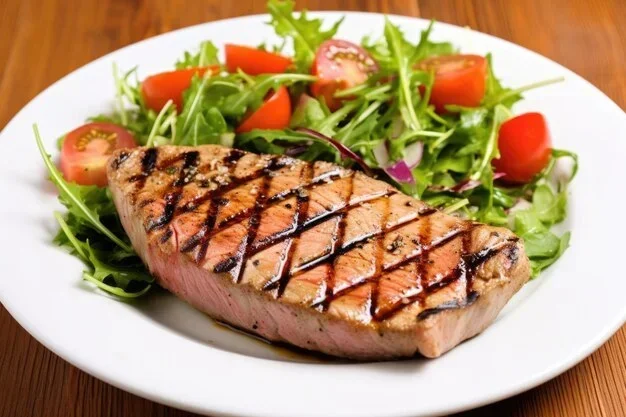
Is tuna fish a better protein than beef and chicken? The answer depends on your health goals, dietary needs, and taste preferences. Tuna offers high-quality lean protein with omega-3 fatty acids and fewer calories, making it a strong contender for heart health and weight management. Beef and chicken each bring their own nutritional strengths to the table, including higher calorie counts and different vitamin profiles. This guide breaks down the protein comparison so you can make the best choice for your body.
When you think about protein sources, beef, chicken, and fish probably come to mind first. But which one actually wins? If you have ever stood in the grocery store staring at the meat aisle wondering whether to grab tuna, chicken breast, or a steak, you are not alone. The protein comparison between tuna fish, beef, and chicken is one of the most common questions people ask. Let us break it all down so you can make an informed choice.
Protein is essential for building muscle, repairing tissues, and keeping your body running smoothly. But not all protein sources are created equal. Some bring extra benefits like omega-3 fatty acids, while others pack more calories or essential minerals. Understanding what each option offers helps you pick the right one for your health goals. Whether you want to lose weight, build muscle, or simply eat healthier, this guide has you covered.
Key Takeaways
- Tuna fish protein is lean and low-calorie: A 3-ounce serving of tuna packs around 20 grams of protein with minimal fat, making it ideal for weight loss goals.
- Beef delivers more calories and iron: While higher in saturated fat, beef provides more heme iron and zinc, which support energy and immune function.
- Chicken is a versatile middle-ground option: Chicken breast offers lean protein with a mild flavor that works in countless recipes.
- Omega-3s give tuna a unique edge: Tuna contains heart-healthy fats that beef and chicken lack in significant amounts.
- Protein quality matters: All three are complete proteins with all essential amino acids your body needs.
- Sustainability and taste play a role: Your choice may also depend on environmental impact and personal flavor preferences.
📑 Table of Contents
- Protein Content: How Much Protein Does Each Meat Really Have?
- Nutritional Value Beyond Protein
- Health Benefits: Which Protein Is Best for Your Body?
- Taste and Versatility: Which One Fits Your Lifestyle?
- Common Mistakes People Make When Choosing Protein
- Quick Tips for Choosing the Best Protein for You
- Final Verdict: Is Tuna Fish a Better Protein?
Protein Content: How Much Protein Does Each Meat Really Have?
The first thing most people look at is the protein content per serving. After all, that is the main reason we eat protein-rich foods. Let us look at what a typical 3-ounce serving of each meat delivers.
Tuna fish stands out for its impressive protein-to-calorie ratio. A 3-ounce serving of canned tuna in water gives you about 20 grams of protein and only around 90 calories. That is a lot of protein for very few calories. Beef, depending on the cut, provides roughly 18 to 25 grams of protein per 3-ounce serving but comes with more calories and fat. A lean beef patty might have around 150 calories, while a fattier cut can push past 250 calories.
Chicken breast is often considered the gold standard for lean protein. A 3-ounce serving of skinless chicken breast delivers about 26 grams of protein with roughly 140 calories. It sits right in the middle ground between tuna and beef. Here is a quick side-by-side look:
- Tuna fish: 20g protein, 90 calories, 1g fat per 3 oz
- Chicken breast: 26g protein, 140 calories, 3g fat per 3 oz
- Lean beef: 18g protein, 150 calories, 7g fat per 3 oz
- Fattier beef cut: 17g protein, 230 calories, 15g fat per 3 oz
So which one has the most protein? Chicken breast wins on raw grams per serving. But if you factor in calories, tuna is the clear winner for lean protein. This matters a lot if you are watching your calorie intake while trying to hit your daily protein target.
Nutritional Value Beyond Protein
Protein is just the beginning. What about the other nutrients in each meat? This is where things get really interesting.
Tuna Fish: The Omega-3 Powerhouse
Tuna fish brings something to the table that beef and chicken simply do not: significant amounts of omega-3 fatty acids. These healthy fats support heart health, reduce inflammation, and help your brain function at its best. A single serving of tuna can provide a meaningful dose of EPA and DHA, the two most important omega-3s.
Tuna is also rich in selenium, a mineral that protects your cells from damage and supports your thyroid gland. It provides good amounts of vitamin B12, which is essential for nerve function and red blood cell production. If you are looking for a nutrient-dense protein source, tuna checks a lot of boxes.
Beef: The Mineral Heavyweight
Beef is a nutritional powerhouse in its own right. It is one of the best sources of heme iron, the form of iron your body absorbs most easily. This is especially important for people prone to iron deficiency or anemia. Beef also provides zinc, which supports immune function and wound healing.
Beef contains B vitamins, particularly B12 and niacin, which help convert food into energy. The downside is that beef, especially fattier cuts, can be high in saturated fat. Choosing lean cuts like sirloin or tenderloin helps you get the benefits without excess unhealthy fat.
Chicken: The Balanced All-Rounder
Chicken offers a solid nutritional profile without being too heavy. Chicken breast is low in saturated fat and provides a good amount of niacin and selenium. It is also a source of phosphorus, which supports bone health. Chicken is easy to prepare and pairs well with almost any flavor profile, making it a dietary staple for many households.
Health Benefits: Which Protein Is Best for Your Body?
Each protein source offers unique health benefits. Your best choice depends on what health goals you are working toward.
Heart health: If your priority is cardiovascular wellness, tuna fish has a clear advantage. The omega-3 fatty acids in tuna help lower triglycerides, reduce blood pressure, and decrease the risk of heart disease. Beef, particularly processed or fatty cuts, can raise cholesterol levels when eaten in excess. Chicken is a heart-friendly option too, especially when you remove the skin.
Weight loss: For people trying to shed pounds, lean protein is your best friend. Tuna wins here because of its extremely low calorie and fat content. You can eat a generous portion without blowing your calorie budget. Chicken breast is also excellent for weight loss. Beef can still fit into a weight loss plan, but you need to choose lean cuts and watch your portions carefully.
Muscle building: All three meats provide the complete amino acids your muscles need to recover and grow. Chicken and beef have a slight edge because of their higher calorie and fat content, which supports overall energy needs during intense training. However, tuna is a great option for cutting phases when you want to preserve muscle while losing fat.
Brain health: The omega-3s in tuna support cognitive function and may reduce the risk of neurodegenerative diseases. Beef provides choline and B12, which also benefit brain health. Chicken offers a steady supply of B vitamins that help with mental clarity and mood regulation.
Taste and Versatility: Which One Fits Your Lifestyle?
Nutrition matters, but let us be real. Taste and convenience play a huge role in what you actually eat day to day.
Tuna fish has a distinct flavor that some people love and others find too strong. It works great in salads, sandwiches, and casseroles. Canned tuna is incredibly convenient and affordable, making it an easy go-to for quick meals. Fresh tuna steaks, when seared properly, are a restaurant-quality dish you can make at home.
Chicken is the most versatile of the three. You can grill it, bake it, fry it, slow-cook it, or shred it for tacos and salads. Its mild flavor absorbs whatever seasoning or sauce you throw at it. This makes chicken a reliable choice for meal prep and family dinners alike. If you want ideas on pairing chicken with other proteins, check out this guide on why fish is often considered better than meat for some inspiration.
Beef delivers bold, rich flavor that few other proteins can match. A perfectly grilled steak, a hearty beef stew, or a classic burger satisfies cravings in a way that chicken and tuna simply cannot. Beef also works well in slow-cooked dishes where the meat becomes tender and full of flavor. The downside is that beef takes more time to prepare and is often more expensive than chicken or canned tuna.
Common Mistakes People Make When Choosing Protein
There are a few pitfalls that trip up many people when they try to pick the best protein source. Avoiding these mistakes can make a big difference in your health journey.
- Only looking at protein grams: Protein content matters, but you also need to consider the fat, calories, and micronutrients that come with it. A high-protein food is not automatically a healthy choice if it is loaded with saturated fat.
- Ignoring preparation methods: Grilled chicken breast is healthy. Deep-fried chicken is not. How you cook your protein changes its nutritional value dramatically. Similarly, tuna salad loaded with mayonnaise loses some of its health advantages.
- Eating the same protein every day: Variety is key for getting a broad range of nutrients. Each meat offers a different nutritional profile. Rotating between tuna, chicken, and beef ensures you get the full spectrum of vitamins and minerals.
- Overlooking sustainability: Some fish, including certain types of tuna, are overfished. Choosing sustainably sourced options helps protect ocean ecosystems. If sustainability matters to you, look for labels like MSC-certified or check resources from the Monterey Bay Aquarium.
Quick Tips for Choosing the Best Protein for You
Still not sure which protein to go with? Here are some practical tips to help you decide.
- Start with your goal: Want to lose weight? Go with tuna or chicken breast. Trying to build bulk? Lean beef can give you the extra calories you need. Focused on heart health? Make tuna a regular part of your week.
- Mix and match: You do not have to pick just one. A balanced diet includes different protein sources throughout the week. Try tuna on Monday, chicken on Wednesday, and a lean beef dish on Friday.
- Read the labels: When buying canned tuna, look for options packed in water rather than oil. For beef, choose cuts with “loin” or “round” in the name, which are naturally leaner. For chicken, always opt for skinless breast when possible.
- Consider your budget: Canned tuna is one of the most affordable protein sources available. Chicken thighs are budget-friendly too. Lean beef cuts and fresh tuna steaks tend to cost more, so plan accordingly.
- Listen to your body: Some people digest certain proteins better than others. If beef makes you feel sluggish, try chicken or tuna instead. Pay attention to how different proteins make you feel and adjust from there.
If you are curious about how different proteins stack up in broader comparisons, you might find value in exploring which protein source is better for chicken or fish and which is better chicken or fish to deepen your understanding of the protein landscape.
Final Verdict: Is Tuna Fish a Better Protein?
The truth is, there is no single winner in the protein comparison between tuna, beef, and chicken. Each one brings something valuable to your diet. Tuna fish is the best choice if you want maximum protein with minimal calories and a boost of omega-3 fatty acids. It is lean, affordable, and incredibly convenient. Chicken is the most versatile and balanced option, offering solid protein with a mild taste that fits any meal plan. Beef delivers the most flavor and the highest levels of iron and zinc, making it a great choice for those who need extra minerals or calories.
The best approach is to include all three in your diet in moderation. This way, you get the unique benefits each protein offers without missing out on any nutritional advantages. Tuna fish deserves a regular spot on your plate, especially if you are focused on heart health or weight management. But do not count beef or chicken out either. They each play an important role in a well-rounded, protein-rich diet.
Ultimately, the best protein is the one you enjoy eating and that fits your lifestyle. Rotate your choices, pay attention to how your body responds, and keep your meals interesting. That is the real secret to getting enough protein and staying healthy for the long haul.
Frequently Asked Questions
Is tuna fish protein better than chicken protein?
Tuna fish has a better protein-to-calorie ratio than chicken, meaning you get more protein for fewer calories. However, chicken breast has slightly more total protein per serving. Both are excellent lean protein sources, and the better choice depends on your specific health goals and dietary preferences.
Can I eat tuna every day instead of beef or chicken?
Eating tuna a few times a week is generally safe and healthy. However, tuna contains mercury, so it is best to limit consumption to two to three servings per week. Varying your protein sources between tuna, chicken, and beef ensures you get a wider range of nutrients and reduces any risk from mercury exposure.
Which is better for muscle building, tuna, beef, or chicken?
Chicken and beef are slightly better for muscle building because they provide more calories and fat to support intense training. Tuna is excellent for preserving muscle during a cutting phase. All three are complete proteins with all essential amino acids needed for muscle repair and growth.
Does tuna have more protein than beef?
Per calorie, tuna has more protein than most cuts of beef. However, a 3-ounce serving of chicken breast provides slightly more total protein grams than the same serving of tuna. Lean beef provides comparable protein to tuna but with more calories and fat.
Is canned tuna as good as fresh tuna for protein?
Yes, canned tuna retains most of its protein content and is a convenient, affordable option. Fresh tuna may have a better taste and texture, but nutritionally, canned tuna in water is an excellent source of lean protein and omega-3 fatty acids.
Why is fish protein considered healthier than red meat?
Fish protein, especially from tuna, is considered healthier because it contains omega-3 fatty acids that support heart and brain health. Fish is also typically lower in saturated fat and calories than red meat. The fish protein benefits extend to reduced inflammation and improved cholesterol levels, making it a heart-smart choice.
=== CONCLUSION ===
Is tuna fish a better protein than beef and chicken? The answer is nuanced. Tuna shines as a lean, low-calorie protein packed with omega-3s and selenium. Chicken offers versatility and a balanced nutritional profile. Beef brings bold flavor and essential minerals like iron and zinc. Rather than choosing just one, the smartest approach is to enjoy all three as part of a varied, balanced diet. Each protein source fills different nutritional gaps and keeps your meals exciting. Start experimenting with all three this week, and your body will thank you for the variety and balanced nutrition.