How Many Gallons Should a Betta Fish Tank Be
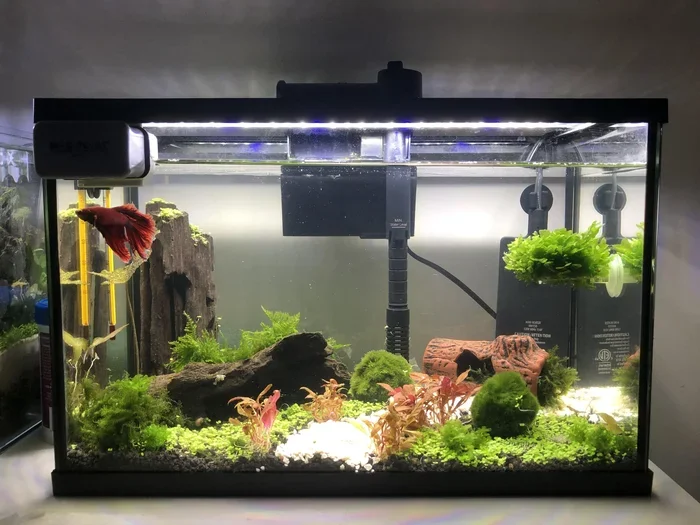
The ideal tank for a betta fish is at least 5 gallons, but 10 gallons or more is even better for your fish’s health and happiness. A betta fish tank size of 5 gallons gives your fish room to swim, explore, and thrive. Smaller tanks like bowls or 1-gallon containers restrict movement and harm water quality.
So you just got a betta fish and want to give it the best home possible. Or maybe you already have a betta but are wondering if your current setup is good enough. Either way, you are in the right place.
The question of how many gallons should a betta fish tank be comes up all the time. And for good reason. The size of your tank directly impacts your fish’s health, happiness, and even how long it lives. Many people still keep bettas in tiny bowls or cups, but that is not the kind of life these beautiful creatures deserve.
In this guide, we will break down everything you need to know about betta fish tank size. We will cover the minimum tank size, why bigger is almost always better, and how to choose the right setup for your fish. Let us dive in.
Key Takeaways
- Minimum 5 gallons: A 5-gallon tank is the smallest recommended size for a single betta fish to stay healthy.
- 10 gallons is ideal: A 10-gallon tank offers more swimming space, stable water parameters, and room for decoration.
- Bigger tanks are easier to maintain: Larger volumes dilute waste and keep the water cleaner longer.
- Avoid small bowls: Bowls and cups restrict movement and make it nearly impossible to maintain good water quality.
- Tank size affects lifespan: Bettas in properly sized tanks live longer and show more natural behavior.
- Consider a heater and filter: A filtered tank with a heater keeps your betta comfortable and reduces maintenance.
- Plan for the future: If you want tank mates, go bigger to give everyone enough space.
📑 Table of Contents
- Why Tank Size Matters for Betta Fish
- The Minimum Tank Size for a Betta Fish
- Why Bigger Tanks Are Better for Bettas
- How to Choose the Right Tank for Your Betta
- Setting Up a Betta Fish Tank the Right Way
- Common Mistakes to Avoid with Betta Tank Size
- How Tank Size Affects Betta Fish Lifespan
- Final Thoughts on Betta Fish Tank Size
Why Tank Size Matters for Betta Fish
Betta fish are not just pretty faces. They are active swimmers that need space to move around, explore, and behave naturally. A cramped tank causes stress, which leads to health problems and a shorter lifespan.
Here is why the betta fish tank size really matters:
- Water quality stays stable: Larger volumes of water dilute waste products like ammonia and nitrite. In a small bowl, toxins build up fast and can harm your fish within hours.
- More swimming room: Bettas love to glide through the water. A bigger tank lets them swim freely, which keeps them fit and active.
- Better temperature control: A larger body of water holds heat more steadily. This makes it easier to maintain a stable betta fish temperature without wild swings.
- Room for enrichment: A spacious tank gives you room to add plants, caves, and other decorations that make your betta feel safe and stimulated.
- Reduced stress: Stressed bettas are more prone to diseases like fin rot and ich. A properly sized tank helps keep your fish calm and healthy.
When you think about it, a betta fish tank size of at least 5 gallons is really the bare minimum for a single fish. Anything smaller is setting your pet up for a difficult life.
The Minimum Tank Size for a Betta Fish
Let us get one thing straight. The old idea that bettas thrive in tiny cups or 1-gallon bowls is outdated and harmful. Pet stores have sold this myth for years, but modern fishkeeping science tells a different story.
The absolute minimum tank size for a single betta fish is 5 gallons. This is the smallest volume that can support a stable nitrogen cycle and keep water parameters safe. A 5 gallon tank betta setup gives your fish enough room to swim and enough water to stay clean between maintenance sessions.
Now, 5 gallons is the minimum, not the goal. Think of it as the starting line, not the finish line. If you can go bigger, you absolutely should.
Why 5 Gallons Is the Minimum
A 5-gallon tank works because it holds enough water to buffer against sudden changes in chemistry. Here is what a 5-gallon setup gives you:
- Enough water volume to cycle properly
- Room for a small filter and heater
- Space for a few live plants and a hiding spot
- Stable enough parameters for weekly water changes
However, a 5-gallon tank does have its limits. You cannot add tank mates easily, and you need to stay on top of water changes. For a long-term, low-stress home for your betta, most experts recommend going with a 10 gallon tank or larger.
Common Tank Sizes and What They Offer
Not all tanks are created equal when it comes to housing bettas. Here is a quick look at common sizes:
- 1 gallon and under: Too small. Toxins spike fast, and your betta will be stressed. Avoid this entirely.
- 2.5 gallons: Slightly better than a bowl, but still too small for long-term health. Some people use these, but it is not ideal.
- 5 gallons: The minimum. A good starting point for a single betta with basic equipment.
- 10 gallons: The sweet spot. More room, more stable water, and options for gentle tank mates or extra plants.
- 20 gallons and up: Excellent for bettas who want space or for those planning a community setup.
Remember, how many gallons for a betta fish is not just about the number. It is about creating a healthy, thriving environment.
Why Bigger Tanks Are Better for Bettas
If you have ever wondered whether a betta fish can be in a big tank, the answer is a resounding yes. In fact, bigger tanks offer serious advantages that smaller setups simply cannot match.
One of the biggest benefits of a larger tank is water stability. A 10-gallon tank has twice the water volume of a 5-gallon tank, which means chemicals and waste are diluted more effectively. This translates to fewer water changes and a more forgiving environment for your fish.
Bigger tanks also give you more creative freedom. You can design a beautiful aquascape with live plants, driftwood, and caves. Bettas love having places to explore and hide. A barren 5-gallon tank can feel empty and boring, while a well-decorated 10-gallon tank feels like a real habitat.
Another advantage is temperature stability. A larger volume of water takes longer to change temperature, which makes it easier to keep your betta fish tank at the right warmth. A heater in a 10-gallon tank does not have to work as hard as one in a 3-gallon tank.
Can a Tank Be Too Big for a Betta Fish?
This is a question many new fish owners ask. The short answer is no. Bettas do just fine in large tanks as long as the water flow is not too strong. Bettas are slow swimmers and prefer gentle currents. If you choose a tank larger than 20 gallons, consider adding plants or decorations to break up the flow and create calm zones.
Some people worry that a big tank will make their betta feel lost. But bettas are curious creatures. Given enough places to explore, they tend to thrive in larger environments. The key is to set up the tank with plenty of hiding spots and visual barriers so your fish feels secure.
How to Choose the Right Tank for Your Betta
Choosing the right betta fish tank size depends on a few factors. Let us walk through what to consider before you buy.
Think About Your Space
Be honest about the space you have available. A 10-gallon tank takes up more room than a 5-gallon tank, but the benefits are worth it. Measure the area where you plan to place the tank and choose the largest size that fits comfortably.
Keep in mind that the tank needs to be on a sturdy surface. A full 10-gallon tank weighs about 80 to 100 pounds, so make sure your table or stand can handle the load.
Consider Your Budget
Larger tanks cost more upfront, but they can actually save you money in the long run. A bigger tank requires less frequent water changes and is more forgiving of minor mistakes. A filtered tank with a heater pays for itself over time by keeping your fish healthy and reducing vet bills.
If you are on a tight budget, a 5-gallon kit with a basic filter and heater is a great starting point. You can always upgrade later as your fishkeeping skills grow.
Plan for the Future
Are you thinking about adding tank mates someday? If so, go bigger now. A 10 gallon tank gives you enough room to add small, peaceful fish like corydoras or snails. A 5-gallon tank is best kept as a single-species setup.
Even if you are not planning on tank mates, a bigger tank gives you more options for aquascaping and enrichment. Your betta will appreciate the extra space.
Setting Up a Betta Fish Tank the Right Way
Once you have chosen the right gallon tank for your betta fish, it is time to set it up properly. A good setup makes all the difference in your fish’s quality of life.
Step 1: Rinse and Prepare the Tank
Start by rinsing your tank with plain water. Do not use soap or any cleaning chemicals. Place the tank on a sturdy, level surface away from direct sunlight and drafty areas.
Step 2: Add Substrate and Decorations
Add a layer of aquarium-safe substrate at the bottom. Gravel or sand works well. Then arrange your decorations, including plants, caves, and driftwood. Make sure there are open swimming areas as well as hiding spots.
Step 3: Install Equipment
Add a gentle filter and a heater set to 76 to 80 degrees Fahrenheit. Bettas need warm, clean water to thrive. Choose a filter with a low flow rate so your fish is not pushed around by strong currents.
Step 4: Fill and Cycle the Tank
Fill the tank with dechlorinated water and let it cycle for at least two weeks before adding your betta. Cycling establishes beneficial bacteria that break down harmful waste. A properly cycled tank is the foundation of a healthy betta fish habitat.
Step 5: Add Your Betta and Enjoy
After cycling, gently introduce your betta to its new home. Watch for signs of stress during the first few days, and make sure the water parameters stay stable. With the right setup, your betta will flourish.
Want a detailed walkthrough? Check out our guide on how to set up a fish tank for betta fish for step-by-step instructions.
Common Mistakes to Avoid with Betta Tank Size
Even well-meaning betta owners make mistakes when it comes to tank size. Here are the most common ones to watch out for.
- Buying a bowl or vase: These tiny containers look cute but are terrible for fish health. Your betta needs at least 5 gallons of water.
- Overcrowding a small tank: Putting multiple fish in a 5-gallon tank leads to aggression and poor water quality. Stick to one betta per tank unless you have a large enough setup.
- Skipping the filter: Some people think bettas do not need a filter. They do. A filtered tank keeps the water clean and reduces the workload on you.
- Ignoring heater requirements: Bettas are tropical fish and need warm water. A heater is essential in any tank size.
- Not cycling the tank: Adding your betta to an uncycled tank can cause ammonia poisoning. Always cycle first.
Avoiding these mistakes will set you up for success and give your betta the best possible life.
How Tank Size Affects Betta Fish Lifespan
Did you know that the betta fish tank size can influence how long your fish lives? In the wild, bettas live in large, warm rice paddies and slow-moving streams. Captive bettas thrive when their tank mimics these conditions as closely as possible.
A betta kept in a proper 5- to 10-gallon tank with clean water, a stable temperature, and good nutrition can live 5 to 7 years or even longer. In contrast, a betta kept in a tiny bowl often survives only 1 to 2 years due to stress and poor water quality.
The connection between tank size and lifespan is clear. More space means cleaner water, less stress, and a happier, healthier fish. When you invest in the right gallon tank for your betta fish, you are investing in years of companionship.
If you want to learn more about how tank size impacts your betta’s longevity, check out our article on how long betta fish live in a 5 gallon tank.
Final Thoughts on Betta Fish Tank Size
The answer to how many gallons should a betta fish tank be is simple. Go with at least 5 gallons, and aim for 10 gallons if you can. A properly sized tank gives your betta the room to swim, the stable water quality to stay healthy, and the enrichment to live a natural, happy life.
Remember, your betta fish depends on you for its entire world. Giving it a spacious, well-maintained tank is one of the best things you can do as a pet owner. Whether you are a beginner or a seasoned fishkeeper, the right betta fish tank size makes all the difference.
Start with a 5-gallon tank if you are new to fishkeeping, and upgrade to a 10-gallon tank when you can. Your betta will thank you with vibrant colors, active swimming, and a long, healthy life.
Frequently Asked Questions
Can a betta fish live in a 1-gallon tank?
A betta can survive in a 1-gallon tank, but it is not a healthy or humane long-term home. Such a small volume of water becomes toxic very quickly, and the fish experiences constant stress. Always aim for at least 5 gallons for a single betta.
Is a 3-gallon tank big enough for a betta fish?
A 3-gallon tank is better than a bowl but still too small for optimal health. It is difficult to maintain stable water parameters in such a small volume. A 5-gallon tank is the recommended minimum for a betta fish.
Can I keep two betta fish in a 10-gallon tank?
Two male bettas should never be housed together, regardless of tank size, because they will fight. A 10-gallon tank can work for one male betta with some peaceful tank mates, but two males will not coexist peacefully.
Do betta fish need a filter in a 5-gallon tank?
Yes, betta fish benefit from a filter in any tank size, including 5 gallons. A gentle sponge filter keeps the water clean and supports the nitrogen cycle, which is essential for your fish’s health.
What is the best tank size for a betta fish with tank mates?
If you plan to add tank mates, a 10-gallon tank is the minimum recommended size. This gives your betta and its companions enough space to coexist comfortably without territorial conflicts or water quality issues.
How often should I clean a 5-gallon betta tank?
A 5-gallon tank should have a 25% water change every week and a full substrate vacuum once a month. Regular maintenance keeps the water clean and your betta healthy without causing stress from sudden parameter changes.