Is 7.6 Ph Too High for Betta Fish
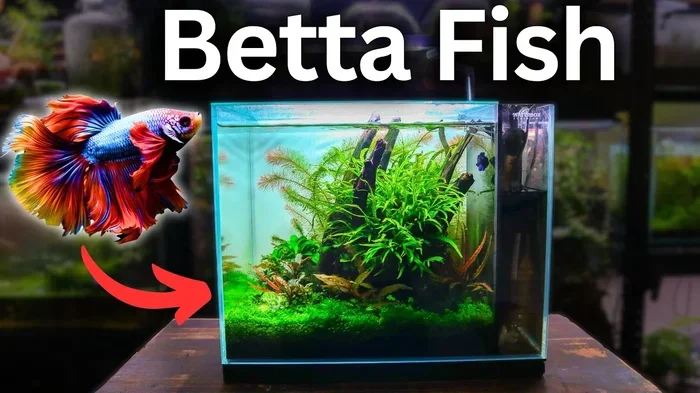
Yes, a pH of 7.6 can be too high for betta fish if sustained over time. Bettas thrive best in a pH range of 6.5 to 7.5, and a reading of 7.6 sits slightly above the comfort zone. This guide covers what causes high pH, how it affects your fish, and simple steps to bring levels back to normal.
Keeping a betta fish tank healthy starts with understanding water parameters. One question that comes up again and again is whether a pH of 7.6 is too high for betta fish. The short answer is yes, it sits above the ideal range, and even a small shift can affect your fish over time.
pH is a measure of how acidic or alkaline your water is. The scale runs from 0 to 14, with 7.0 being neutral. Anything below 7.0 is acidic, and anything above 7.0 is alkaline. Bettas are sensitive creatures, and even a slight drift upward can lead to problems if you do not catch it early.
In this article, we will break down everything you need to know about is 7.6 pH too high for betta fish. You will learn what the ideal range looks like, what happens when pH rises, and exactly how to bring it back down safely. Let us get into it.
Key Takeaways
- Ideal pH Range: Bettas do best between 6.5 and 7.5 on the pH scale.
- 7.6 Is Borderline High: A pH of 7.6 is slightly alkaline and can cause stress over time.
- Watch for Symptoms: Clamped fins, rapid breathing, and lethargy are common signs of pH imbalance.
- Test Regularly: Use a reliable pH test kit to monitor your aquarium pH weekly.
- Fix It Naturally: Driftwood, peat moss, and water changes can lower pH safely.
- Avoid Drastic Changes: Never adjust pH more than 0.3 in a single day.
- Prevention Matters: Consistent water quality and proper filtration keep pH stable.
📑 Table of Contents
Understanding pH and Your Betta Fish
What Is pH and Why Does It Matter?
The pH scale measures how acidic or basic your water is. A neutral pH of 7.0 is right in the middle. For betta fish, the sweet spot is between 6.5 and 7.5. When the pH drifts outside this range, it can disrupt your fish’s body functions. This includes everything from breathing to digestion to immune response.
Think of pH like the temperature in your home. A small change feels fine. But if it stays too hot or too cold for days, problems start. The same idea applies to your betta fish environment. A pH of 7.6 may not shock your fish right away, but it creates a low level of stress that weakens their health over time.
The Ideal pH Range for Betta Fish
Most experts agree that the ideal pH for betta fish falls between 6.5 and 7.5. Some keepers push the upper limit to 7.0 for best results. Here is a quick breakdown of what different pH levels mean for your tank:
- 6.0 to 6.5: Slightly acidic. Safe for bettas but may slow down beneficial bacteria.
- 6.5 to 7.5: The sweet spot. This is where bettas thrive and stay active.
- 7.5 to 8.0: Slightly alkaline. Borderline for bettas. Short-term exposure is usually okay.
- Above 8.0: Too alkaline. Can cause serious health issues quickly.
A reading of 7.6 falls just outside the comfort zone. It is not an emergency, but it is a sign that you should pay attention and take action.
Is 7.6 pH Too High for Betta Fish? The Real Impact
How High pH Affects Betta Fish Health
When your aquarium pH sits at 7.6, your betta is working harder than it should. The body tries to maintain internal balance, a process called osmoregulation. When the external water is too alkaline, this process becomes stressful. Over days and weeks, that stress adds up.
Here are some common ways high pH affects betta fish:
- Stress and weakened immunity: Your fish becomes more vulnerable to diseases like ich and fin rot.
- Gill irritation: Alkaline water can damage delicate gill tissue, making breathing harder.
- Behavioral changes: You may notice clamped fins, hiding more than usual, or loss of appetite.
- Reduced breeding ability: If you plan to breed bettas, high pH can lower success rates.
These issues do not always show up overnight. That is why many new betta fish owners do not realize there is a problem until symptoms become obvious.
Common Symptoms of High pH in Betta Fish
Knowing what to look for can save your fish. Watch for these warning signs if your pH reads 7.6 or higher:
- Clamped fins: Fins held close to the body instead of spread out.
- Rapid gill movement: Your fish seems to be breathing fast or gasping.
- Lethargy: Less swimming, more time resting at the bottom.
- Loss of color: Fading of vibrant colors is a common stress response.
- Refusing food: A betta that stops eating needs immediate attention.
If you notice any of these signs, test your water right away. A pH test kit is one of the most important tools in any betta keeper’s kit.
What Causes High pH in a Betta Tank?
Natural Causes of pH Rise
Several factors can push your tank pH toward 7.6 or higher. Understanding the cause helps you fix the right problem:
- Tap water composition: Many municipal water supplies are naturally alkaline. If your local water has high mineral content, it will raise pH over time.
- Decorations and substrate: Limestone, coral gravel, and certain rocks release calcium into the water. This naturally increases alkalinity.
- Plant photosynthesis: During the day, live plants absorb carbon dioxide. This can temporarily raise pH, especially in heavily planted tanks.
- Poor water changes: Letting water sit too long without replacement allows waste and minerals to build up.
- Overfeeding: Excess food breaks down into ammonia, which raises pH as it cycles through the tank.
Testing Your Water: How to Get Accurate Readings
Not all pH test kits are created equal. Liquid test kits tend to be more accurate than test strips. Here is what we recommend:
- Liquid test kits: Brands like the API Freshwater Master Test Kit give reliable results for pH and other parameters.
- Digital pH meters: These offer quick readings but need regular calibration.
- Test frequency: Test your water at least once a week. More often if you notice any symptoms.
Testing at the same time each day also helps. pH can fluctuate throughout the day due to light and plant activity.
How to Lower pH Safely in a Betta Tank
Method 1: Water Changes with Conditioners
The simplest way to manage pH is through regular water changes. Replace 25 to 30 percent of your tank water every week. Use conditioned tap water or treated water that matches your tank’s parameters. This alone can bring a pH of 7.6 down closer to the ideal range over time.
Always let tap water sit for 24 hours or use a conditioner to remove chlorine and chloramine. These chemicals can harm your betta and throw off your water balance.
Method 2: Add Driftwood or Peat Moss
Driftwood and peat moss are natural pH-lowering agents. They release tannins into the water, which gently soften and acidify the environment. Here is how to use them:
- Driftwood: Add a small piece and monitor pH over the next few days. A single piece can lower pH by 0.2 to 0.5.
- Peat moss: Place it in a filter bag inside your filter. It works slowly and steadily.
- Caution: Tannins may turn your water slightly yellow. This is normal and not harmful to your fish.
Method 3: CO2 Injection (For Planted Tanks)
If you have a planted betta tank, a CO2 system can lower pH effectively. Plants absorb CO2 during the day, which raises pH. Adding CO2 at night or in controlled doses keeps the balance. However, this method works best for experienced keepers.
Method 4: Adjust Your Substrate
Switching from coral gravel to inert substrates like sand or fine gravel can prevent pH from rising. If you have limestone or calcium-based rocks in your tank, consider replacing them with smooth, non-reactive decorations.
Quick Tips for pH Adjustment
- Never change pH by more than 0.3 per day. Sudden shifts are more dangerous than slightly high pH.
- Move slowly. Gradual adjustments give your betta time to adapt.
- Test after every change. Do not guess. Always measure before and after.
- Keep a log. Write down your readings to spot trends over time.
Preventing pH Problems Before They Start
Build a Stable Betta Fish Habitat
The best way to deal with high pH is to prevent it in the first place. A stable betta fish habitat starts with the right setup and consistent maintenance. Here are the steps to keep your pH balanced:
- Choose the right tank size: A 5 gallon tank or larger gives you more water volume, which dilutes waste and stabilizes parameters.
- Use a good filter: A gentle filter keeps water moving and removes waste without creating strong currents that stress bettas.
- Maintain a consistent temperature: Keep your tank between 76 and 82 degrees Fahrenheit. Temperature and pH are connected in subtle ways.
- Do regular water changes: A 25 percent change every week is the gold standard for betta tanks.
- Do not overstock: Bettas do best in single-species tanks or with very peaceful tank mates.
Best Water Sources for Betta Fish
The water you add to your tank matters a lot. Not all water sources are equal. Here is a quick comparison:
- Tap water: Convenient but may contain chlorine and minerals that raise pH. Always condition it first.
- Spring water: Natural mineral content varies. Test before using.
- Distilled water: Pure but lacks minerals. You will need to remineralize it for bettas.
- Reverse osmosis water: Very pure and easy to customize. Great for precise control.
- Well water: Can work but must be tested for heavy metals and minerals first.
For most betta keepers, conditioned tap water or reverse osmosis water is the safest choice. If you are unsure about your local water, a pH test kit will tell you exactly what you are working with.
When to Seek Help
Sometimes, despite your best efforts, pH stays high or your betta shows serious symptoms. If your fish is gasping for air, staying at the bottom, or showing white spots, it is time to act fast. Check your water parameters immediately and do a partial water change. If symptoms persist, consider consulting a fish veterinarian or an experienced aquarist.
Also, remember that pH is just one part of the equation. Ammonia, nitrite, and nitrate levels matter just as much for your betta fish care routine. A full water test gives you the complete picture.
Conclusion
So, is 7.6 pH too high for betta fish? The answer is yes, it is slightly above the ideal range and can cause stress if left unaddressed. The good news is that a pH of 7.6 is not an emergency, and there are many simple ways to bring it back down. Regular water changes, natural lowering agents like driftwood, and consistent testing can make a big difference.
Your betta fish deserves a safe and comfortable home. By paying attention to pH and other water parameters, you set your fish up for a long, healthy life. Start with small changes, test regularly, and your tank will thank you for it.
Frequently Asked Questions
Can betta fish live in water with a pH of 7.6?
Yes, bettas can survive in water with a pH of 7.6 for short periods. However, it is slightly above their ideal range, and prolonged exposure can cause stress and health issues. It is best to bring the pH down to between 6.5 and 7.5 for optimal health.
How fast can I lower my betta tank pH?
You should never lower pH by more than 0.3 in a single day. Rapid pH swings are dangerous and can shock your fish. Make gradual adjustments through water changes, driftwood, or peat moss, and test your water after each change.
What is the best pH test kit for betta fish?
The API Freshwater Master Test Kit is one of the most trusted options. It tests pH, ammonia, nitrite, and nitrate all in one package. Liquid test kits are generally more accurate than test strips for monitoring your aquarium pH.
Does a pH of 7.6 cause ammonia to become more toxic?
Yes, higher pH increases the toxicity of ammonia. At a pH of 7.6, ammonia is more dangerous to betta fish than at lower pH levels. This is another reason why keeping pH in the 6.5 to 7.5 range is so important for your fish tank.
Can I use tap water for my betta fish tank?
Yes, but you must treat it first. Tap water contains chlorine and chloramine that are harmful to bettas. Use a water conditioner to remove these chemicals before adding tap water to your tank. Also, test your tap water pH to know what you are starting with.
How often should I test my betta tank pH?
Test your tank pH at least once a week. More frequent testing is helpful when you are making adjustments or noticing any symptoms of stress. Keeping a log of your readings helps you spot trends and catch problems early.