How Long Take Betta Fish to Grow

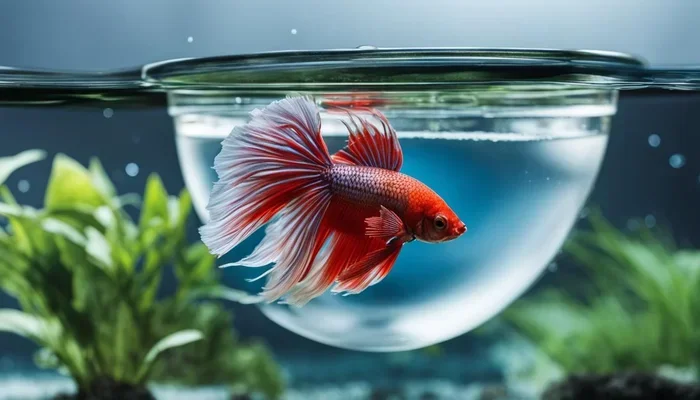
Betta fish typically reach full maturity in just 6 to 8 months, but the exact timeline for how long take betta fish to grow depends on several key factors. High-quality food, clean water, and a spacious tank can help your betta achieve its ideal size and vibrant color.
How Long Take Betta Fish to Grow
If you just brought home a tiny betta fish or spotted a fry in your tank, you might be wondering about the how long take betta fish to grow question. The honest answer is that it takes time, patience, and a little know-how. Betta fish don’t sprout their full fins and bold colors overnight. They go through several stages before reaching their final size.
In this guide, you will learn the complete betta fish growth timeline. We will cover every stage from tiny fry to full-grown adult. You will also discover what factors speed up or slow down betta fish development. Plus, we will share practical tips to help your betta reach its full potential. Whether you are a new betta owner or a seasoned hobbyist, this article has something valuable for you.
So, how long does it really take for a betta fish to grow? Let us dive right in and find out.
Key Takeaways
- Understanding how long take betta fish to grow helps set expectations.
- Betta fish reach full size in 7 months.
- Feed high-quality food daily to support steady growth.
- Keep water temperature at 78-80°F for optimal development.
- Perform regular water changes to maintain a healthy tank.
- Separate betta fry early to prevent stunted growth.
📑 Table of Contents
- Understanding the Betta Fish Growth Timeline
- Factors That Affect Betta Fish Growth Speed
- Betta Fish Growth Stages in Detail
- Betta Fish Growth Comparison Table
- How to Help Your Betta Fish Grow Faster and Healthier
- Common Mistakes That Slow Betta Fish Growth
- Expert Insights on Betta Fish Growth
- Key Takeaways
Understanding the Betta Fish Growth Timeline
Every betta fish follows a general growth schedule. However, no two fish are exactly alike. Some grow quickly, while others take their sweet time. The betta fish growth rate depends on genetics, diet, and environment. On average, a betta fish reaches its full size within 6 to 12 months.
Here is a quick overview of what to expect during the betta fish growth stages:
- Egg stage: Betta eggs hatch within 24 to 48 hours after spawning.
- Fry stage (0 to 3 weeks): Tiny, free-swimming fry start eating infusoria or baby brine shrimp.
- Juvenile stage (1 to 6 months): The fish develops color and begins growing fins rapidly.
- Sub-adult stage (6 to 9 months): Growth slows down, but fins and colors continue to improve.
- Adult stage (9 to 12+ months): The betta reaches its final size and full color intensity.
Most betta fish are considered full adults by their first birthday. That said, some males may keep growing their fins well into their second year. To understand how big your betta can get, check out this helpful guide on Do Betta Fish Grow and How Big They Get.
How Big Do Betta Fish Get?
Adult betta fish typically measure between 2.5 and 3 inches in body length. That measurement does not include the fins. When you factor in the tail and dorsal fins, some male bettas can span up to 6 inches or more. Females tend to stay slightly smaller, usually around 2 to 2.5 inches in body length.
Factors That Affect Betta Fish Growth Speed
Not all bettas grow at the same pace. Several key factors play a role in determining how fast your fish develops. Understanding these elements gives you the power to create the best possible environment. The good news is that most of these factors are well within your control.
Water Quality and Temperature
Clean, warm water is absolutely essential for healthy betta fish care. Cold water slows metabolism and stunts growth. Aim for a stable water temperature between 78°F and 80°F. Keep ammonia and nitrite levels at zero. Perform regular water changes of about 25% every week.
Poor water quality is one of the biggest reasons bettas fail to reach their full size. Dirty water stresses your fish and opens the door to diseases. If you are unsure about your water setup, learning how to take care of betta fish water is a great place to start.
Diet and Nutrition
Food is fuel for growth. A high-quality diet directly impacts your betta’s betta fish size and overall health. Feed a mix of high-protein pellets, frozen or live bloodworms, and brine shrimp. Avoid overfeeding, which can lead to bloating and poor water quality.
For a detailed feeding plan, you can read about how to make betta fish grow faster through proper nutrition. This article covers the best foods and feeding schedules to maximize your betta’s growth potential.
Tank Size and Environment
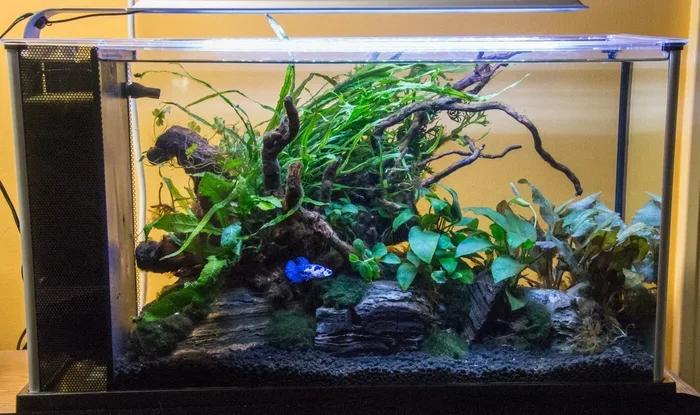
A bigger tank gives your betta more room to swim and explore. This encourages healthier muscle development and better fin growth. A 5-gallon tank is the minimum recommended size for a single betta. Smaller bowls may keep your fish alive, but they do not support optimal growth.
Enrichment also matters. Live plants, hiding spots, and open swimming areas help reduce stress. A relaxed betta grows faster than a stressed one. If you want to learn more about setting up the perfect home, explore how to set up a fish tank for betta fish.
Genetics
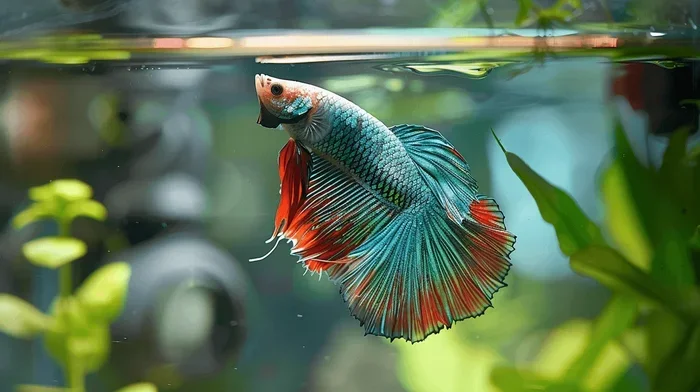
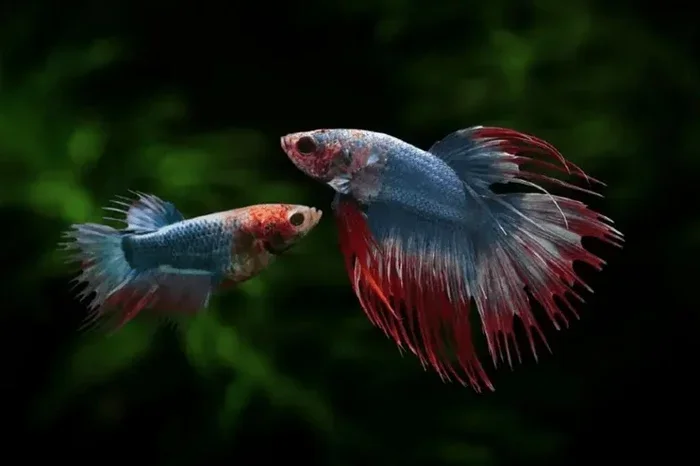
You cannot change your betta’s DNA, but it is worth knowing that genetics influence size. Wild-type bettas tend to be smaller than selectively bred show bettas. Plakat bettas, for instance, have shorter fins but often have stockier bodies. Veiltail and halfmoon bettas may grow larger fins but not necessarily bigger bodies.
Betta Fish Growth Stages in Detail
Let us break down each stage of the how long take betta fish to grow journey. Understanding these phases helps you set realistic expectations and provide the right care at every step.
Stage 1: The Egg and Hatchling Phase (0 to 3 Days)
After a male betta builds a bubble nest, the female lays eggs. The eggs hatch within 24 to 48 hours. Newborn fry are incredibly tiny, often less than 1mm in length. They stay near the bottom of the tank and absorb their yolk sacs for the first couple of days. During this time, the male betta guards the fry and keeps them safe.
Stage 2: The Free-Living Fry Phase (1 Week to 3 Weeks)
Once the yolk sac is gone, the fry start swimming freely. This is when they need their first real meals. Offer infusoria, microworms, or freshly hatched brine shrimp. Growth during this phase is rapid but hard to notice with the naked eye. Many hobbyists use a magnifying glass to watch their tiny fish develop.
If you are raising fry, you may want to learn about whether baby betta fish are hard to take care of. It is a helpful resource that covers the unique challenges of raising fry.
Stage 3: The Juvenile Phase (1 Month to 6 Months)
This is the most exciting phase. Your betta starts developing its signature colors. Fins begin to elongate, and the body fills out. By the 3-month mark, most bettas show their true color patterns. By 6 months, they are close to their adult size. Feed generously during this window. High-protein foods support both body and fin growth.
Many betta enthusiasts are eager to see their fish’s fins fill out. If you want to encourage faster fin development, check out this guide on how to grow betta fish tail faster.
Stage 4: The Sub-Adult and Adult Phase (6 Months to 12+ Months)
Growth begins to slow during the sub-adult phase. Your betta’s body reaches near-final dimensions. However, fins may continue to expand and fill out for several more months. Colors often deepen and intensify as your betta matures. By 12 months, most bettas have reached their full betta fish growth potential.
Betta Fish Growth Comparison Table
Here is a handy comparison table to help you track your betta’s progress. This chart shows average size milestones across different ages:
| Age | Body Length | Fin Length (Male) | Weight (Approx.) | Stage |
|---|---|---|---|---|
| 1 Month | 0.5 – 1 inch | Short, barely visible | 0.02 oz | Fry |
| 2 Months | 1 – 1.5 inches | Starting to grow | 0.05 oz | Juvenile |
| 3 Months | 1.5 – 2 inches | Noticeably longer | 0.1 oz | Juvenile |
| 6 Months | 2 – 2.5 inches | Near full length | 0.2 oz | Sub-Adult |
| 9 Months | 2.5 – 3 inches | Full length | 0.25 oz | Sub-Adult |
| 12 Months | 2.5 – 3 inches | Full spread | 0.3 oz | Adult |
These numbers are averages. Individual fish may vary based on genetics and care quality. Some bettas exceed these sizes, especially show-quality specimens with excellent diets and pristine water conditions.
How to Help Your Betta Fish Grow Faster and Healthier
Now that you understand the timeline, let us talk about action steps. You can do several things to support healthy and steady betta fish growth. These tips are practical and easy to implement.
Feed a Protein-Rich Diet
Protein is the building block of growth. Choose pellets with at least 40% protein content. Supplement with frozen bloodworms, daphnia, and brine shrimp. Feed small amounts 2 to 3 times per day rather than one large meal. This mimics their natural feeding pattern and prevents overeating.
Maintain Optimal Water Conditions
Keep the water warm, clean, and stable. Test your water weekly for ammonia, nitrite, and nitrate levels. Perform partial water changes consistently. A good filter and heater go a long way toward keeping conditions ideal. Stable water parameters reduce stress and promote steady growth.
Provide Adequate Space
A 5-gallon tank or larger is best. Give your betta plenty of open swimming room. Add plants and decorations for enrichment, but do not overcrowd the tank. A spacious environment encourages physical activity, which builds muscle and supports healthy development.
Minimize Stress
Stress is a growth killer. Avoid placing the tank in high-traffic or noisy areas. Keep lighting on a consistent schedule. Do not house aggressive tank mates with your betta. A calm, predictable environment helps your fish focus its energy on growing. If you notice unusual stress behavior, learning how to treat a stressed betta fish can help you address the problem quickly.
Monitor Growth Regularly
Track your betta’s size monthly. Use a ruler or reference markings on the tank glass. Note changes in color, fin length, and body shape. If growth seems to stall, evaluate diet, water quality, and tank conditions. Small adjustments often make a big difference.
Common Mistakes That Slow Betta Fish Growth
Even experienced hobbyists sometimes make mistakes that hold back their betta’s development. Here are the most common pitfalls to avoid:
- Overfeeding: Too much food leads to bloating, poor water quality, and obesity. Your betta should finish each meal within 2 to 3 minutes.
- Using a bowl instead of a tank: Bowls lack filtration and heating. They limit growth potential and shorten lifespan.
- Ignoring water changes: Accumulated toxins stress your fish and slow the entire betta fish development process.
- Keeping water too cold: Cold water reduces appetite and metabolic rate. Your betta will eat less and grow slower.
- Choosing the wrong tank mates: Aggressive companions cause constant stress. A stressed betta rarely reaches its full betta fish size.
- Skipping vitamins: Occasional vitamin supplements, especially vitamin C, support immune health and color vibrancy.
Avoiding these simple mistakes can add months to your betta’s growth window and help it achieve a fuller, healthier appearance.
Quick Tips for Faster Growth
- Feed live or frozen foods at least 3 times per week.
- Keep water temperature at 78°F to 80°F at all times.
- Use a gentle filter that does not create strong currents.
- Add Indian almond leaves to the tank for natural antibacterial benefits.
- Observe your betta daily for any signs of illness or distress.
Expert Insights on Betta Fish Growth
Professional betta breeders often share valuable perspectives on the how long take betta fish to grow topic. Most agree that genetics set the upper limit, but environmental factors determine whether a fish actually reaches that limit. A well-fed, stress-free betta in clean water will always outperform one kept in subpar conditions.
Experienced breeders also emphasize the importance of the first few weeks. The fry stage is when the foundation for lifelong health is built. Quality first foods, stable temperatures, and clean water during this window make a measurable difference. Some breeders even select parent fish based on growth rates to improve the offspring’s betta fish growth rate.
Another expert tip is to avoid frequent tank moves. Each transfer introduces stress and potential injury. Keep your betta’s environment stable and let it settle in. Once your betta feels secure, you will notice more active swimming, better eating habits, and visibly healthier growth.
Key Takeaways
So, how long does it take for a betta fish to grow? Here is a quick summary of everything we covered:
- A betta fish typically reaches full size within 6 to 12 months.
- Body length averages 2.5 to 3 inches for adults, with fins adding several more inches.
- Water quality, diet, tank size, and genetics all influence growth speed.
- Feeding high-protein foods and maintaining warm, clean water are the two most impactful actions you can take.
- Avoiding common mistakes like overfeeding and cold water prevents unnecessary growth delays.
- Regular monitoring helps you catch and fix problems before they affect your betta’s development.
The how long take betta fish to grow journey is a rewarding one. Every stage brings new colors, new fin shapes, and new personality traits. By giving your betta the best care possible, you set the stage for a happy, healthy, and beautiful fish. Patience and consistency are your best tools. Apply the tips from this guide, enjoy the process, and watch your betta thrive.
Frequently Asked Questions
How Long Does It Take for a Betta Fish to Grow to Full Size?
Most betta fish reach their full size of about 2.5 to 3 inches within 6 to 8 months. Their fastest growth happens in the first 3 to 4 months of life. After that, growth slows down significantly as they approach adulthood.
At What Age Are Betta Fish Fully Grown?
Betta fish are typically considered fully grown by the time they reach 6 to 8 months old. Some males may continue to develop slightly longer fins up to 12 months. By this age, their body size and coloration are usually at their peak.
How Fast Do Betta Fish Grow During the First Few Weeks?
Baby betta fish, called fry, grow surprisingly fast in their first few weeks. They can double in size within the first month if they receive proper nutrition. This early growth phase is the most critical for their development.
How Long Does It Take Betta Fish to Grow if Kept in Poor Conditions?
Betta fish kept in small bowls or poor water conditions may grow much slower than expected. Stressed fish often stop growing or remain stunted. A proper tank with clean water and good food helps them grow at a healthy rate.
What Factors Affect How Long It Takes Betta Fish to Grow?
Several factors influence betta fish growth, including water temperature, diet quality, tank size, and overall health. Warmer water around 78–80°F supports faster metabolism and growth. Feeding high-quality food with protein also plays a big role in their development.
Can You Speed Up How Long It Takes Betta Fish to Grow?
You can support faster growth by providing a clean, spacious tank and a nutrient-rich diet. However, you cannot rush their natural growth timeline. Healthy betta fish grow best when their environment and care meet their basic needs consistently.