Is Tap Water Okay for Betta Fish Tanks
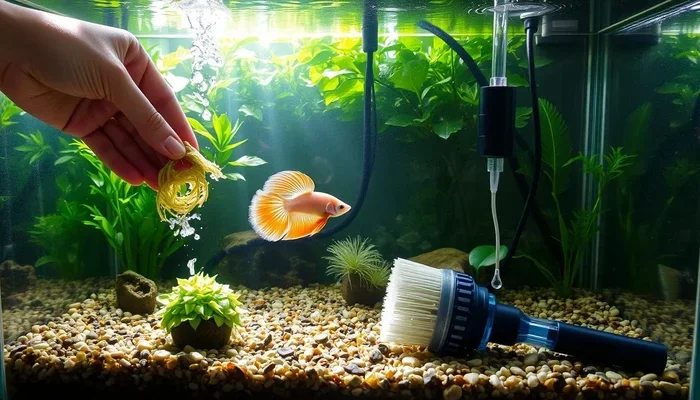
Tap water can be safe for betta fish tanks, but only if you treat it properly first. Untreated tap water contains chlorine, chloramines, and heavy metals that can seriously harm or even kill your betta. Using a quality water conditioner and monitoring water parameters are the two most important steps any betta keeper can take.
Is tap water okay for betta fish tanks? This is one of the most common questions new betta owners ask. The short answer is yes, but with an important catch. You cannot just pour tap water straight into your betta tank and call it a day. There are several chemicals and substances in tap water that can harm your fish. Understanding how to treat tap water properly is the foundation of good betta care.
Many beginners assume tap water is fine because it comes out of the faucet clean. But clean for humans does not mean clean for fish. Your local water treatment plant adds chlorine and chloramines to keep humans safe. These same chemicals are dangerous for betta fish. The good news is that treating tap water is simple and affordable. With the right approach, tap water can be a perfectly fine source for your betta tank.
## Why Tap Water Is a Common Choice for Betta Fish Tanks
Tap water is the most accessible water source for most people. It is cheap, easy to get, and available almost everywhere. For betta fish owners, this makes it a natural first choice. But what exactly makes tap water both convenient and potentially risky?
### What’s in Your Tap Water?
Your tap water contains more than just H2O. Water treatment facilities add disinfectants to kill bacteria and pathogens. These disinfectants include chlorine and chloramine. While safe for human consumption, these chemicals are toxic to fish. Even small amounts can damage your betta’s gills and skin.
Beyond disinfectants, tap water may also contain:
- Heavy metals like copper, lead, and zinc
- Dissolved minerals that affect water hardness
- Trace amounts of pesticides and industrial runoff
- Chloramine, which is a combination of chlorine and ammonia
The exact composition varies depending on your location. Some areas have harder water than others. Some water supplies use chloramine instead of chlorine. This is why testing your tap water before adding it to your tank is so important.
### Can You Use Tap Water for Betta Fish?
Yes, you can use tap water for your betta fish. But you must treat it first. Many experienced aquarists use tap water as their primary water source. The key is removing or neutralizing the harmful chemicals. Can you use tap water for your betta fish? Absolutely, as long as you follow proper treatment steps.
## The Risks of Using Tap Water for Betta Fish Tanks
Using untreated tap water poses several serious risks. Understanding these dangers helps you take the right precautions.
### Chlorine and Chloramines
Chlorine is a powerful disinfectant. It kills bacteria in your water supply to keep people healthy. But it also kills the beneficial bacteria in your fish tank. More importantly, chlorine irritates and damages fish gills. Betta fish are especially sensitive because they have relatively delicate gill structures.
Chloramine is even more problematic. It is a compound made from chlorine and ammonia. Unlike chlorine, chloramine does not evaporate when you leave water out overnight. This means the traditional “let it sit” method does not work for chloramine-treated water. You need a water conditioner that specifically breaks down chloramine.
### Heavy Metals and Contaminants
Heavy metals in tap water can build up in your tank over time. Even low levels of copper can be toxic to betta fish. These metals damage internal organs and weaken the immune system. Your betta may show signs of lethargy, loss of color, or difficulty breathing.
### pH and Water Hardness Issues
Tap water pH varies widely by region. Some areas have very alkaline water with a pH above 8.0. Others have acidic water below 6.5. Betta fish prefer a stable pH between 6.5 and 7.5. Sudden pH swings are more dangerous than a slightly off pH level.
Water hardness also matters. Hard water contains high levels of calcium and magnesium. Soft water lacks these minerals. Betta fish do best in moderately soft to moderately hard water. Extremely hard or soft water can cause stress and health problems.
## How to Make Tap Water Safe for Betta Fish Tanks
Making tap water safe is straightforward. You just need the right tools and a little knowledge. Here is everything you need to know.
### Using a Water Conditioner
A water conditioner is the single most important product for any betta keeper. It removes chlorine, chloramine, and heavy metals instantly. You add it directly to the tap water before it goes into the tank. Most conditioners work within seconds.
When choosing a conditioner, look for one that neutralizes chloramine. Not all conditioners do this effectively. Popular brands like Seachem Prime and API Stress Coat are widely trusted by hobbyists. How to condition tap water for betta fish is a skill every owner should master.
### The “Let It Sit” Method: Does It Work?
You may have heard that letting tap water sit for 24 hours removes chlorine. This is partially true. Chlorine does evaporate over time. However, chloramine does not evaporate the same way. If your water supply uses chloramine, leaving water out overnight will not make it safe.
That said, letting water sit does help with temperature adjustment. Cold tap water can shock a betta tank. Letting it reach room temperature reduces this risk. But do not rely on this method alone for chemical treatment.
### Testing Your Tap Water
Testing your tap water gives you valuable information. A basic liquid test kit measures pH, ammonia, nitrite, and nitrate. Some kits also test water hardness and alkalinity. Testing helps you understand what your tap water contains and what adjustments you may need to make.
You should test your tap water at least once a month. Changes in your local water supply can affect your tank without you knowing. Regular testing keeps your betta safe and healthy.
## Step-by-Step Guide to Setting Up Tap Water for Your Betta Tank
Follow these steps every time you do a water change. This ensures your tap water is safe and comfortable for your betta.
- Fill a bucket with tap water. Use a clean bucket dedicated only to aquarium use.
- Add water conditioner. Follow the dosage instructions on the bottle. Use the full dose for safety.
- Let the water age. Wait 15 to 30 minutes after adding conditioner. This allows the product to work fully.
- Check the temperature. Match the water temperature to your tank. Use a thermometer to be precise.
- Slowly add the water to your tank. Pour gently to avoid disturbing your betta or the substrate.
- Test the water after the change. Verify that parameters remain stable and safe.
This process takes about 30 to 45 minutes per water change. It is a simple routine that becomes second nature quickly.
## Common Mistakes to Avoid
Even experienced betta keepers sometimes make mistakes with tap water. Here are the most common errors to avoid.
- Skipping water conditioner: This is the number one mistake. Never add untreated tap water to your tank.
- Using too little conditioner: Underdosing leaves harmful chemicals in the water. Always follow the recommended dose.
- Using hot tap water: Hot water from the tap can contain higher levels of contaminants and dissolved metals. Always use cold water and warm it separately.
- Ignoring water source changes: If your local water supply changes its treatment process, your tap water may suddenly become unsafe.
- Not doing water changes regularly: Even treated tap water needs to be changed regularly to prevent buildup of nitrates and other waste products.
## When Tap Water Simply Won’t Work
In some situations, tap water may not be the best choice for your betta tank. Understanding when to look for alternatives helps you make the best decision for your fish.
If you live in an area with extremely hard water, tap water may cause ongoing problems. High mineral content can raise pH to dangerous levels. In these cases, you may want to consider what kind of water is best for betta fish as an alternative source.
Other situations where tap water may not be ideal include:
- Very high chlorine or chloramine levels in your supply
- Known contamination from industrial sources
- Extremely acidic or alkaline tap water that is difficult to adjust
- Frequent boil-water advisories in your area
When tap water is not a reliable option, alternatives like spring water, RO water, or filtered water can work well. Just make sure any alternative source is tested and adjusted before use.
## Quick Tips for Using Tap Water Safely
Here are some quick tips to keep in mind every time you handle tap water for your betta tank.
- Always use a water conditioner before adding tap water to your tank
- Let tap water reach room temperature before adding it
- Test your tap water monthly for pH and hardness
- Keep a spare bottle of conditioner on hand so you never run out
- Never use water from the hot water tap for your aquarium
- Do a 25 to 50 percent water change every one to two weeks
- Keep a log of your water change dates and parameters
## Expert Insight: The Truth About Tap Water and Betta Health
Many beginners worry that tap water will automatically harm their betta. The truth is that tap water is used successfully by millions of betta keepers worldwide. The secret is consistent treatment and monitoring. When you make water treatment a non-negotiable part of your routine, tap water becomes a perfectly safe and practical choice.
Veterinary aquatic specialists agree that properly treated tap water supports healthy betta fish. The key is removing or neutralizing harmful substances before the water enters the tank. With a quality conditioner and regular testing, you eliminate the risks entirely.
## Conclusion
So, is tap water okay for betta fish tanks? The answer is a clear yes, provided you treat it properly. Tap water is safe for betta fish tanks when you use a water conditioner, test your parameters, and follow a consistent maintenance routine. Never skip the treatment step, and always stay aware of changes in your local water supply. With these practices in place, tap water becomes one of the easiest and most affordable ways to keep your betta healthy and thriving.
Taking a few extra minutes to treat your water each week can add years to your betta’s life. Simple habits like using conditioner, testing regularly, and doing consistent water changes make all the difference. Your betta fish depends on you for a safe and comfortable environment. Treating tap water properly is the best gift you can give.
Key Takeaways
- Tap water needs treatment: Never add untreated tap water directly to your betta tank.
- Water conditioner is essential: A good dechlorinator removes harmful chemicals quickly and easily.
- Test your water regularly: pH, ammonia, and hardness levels matter for betta health.
- Letting water sit is not enough: Chloramine does not evaporate like chlorine does.
- Know when alternatives are better: Sometimes spring water or RO water is the safer choice.
- Consistency matters: Keep water parameters stable to reduce stress and disease.
Frequently Asked Questions
Can tap water kill betta fish?
Yes, untreated tap water can kill betta fish. The chlorine and chloramine in tap water damage gills and internal organs. Always use a water conditioner before adding tap water to your tank.
How long should you let tap water sit before adding it to a betta tank?
Letting tap water sit for 24 hours helps chlorine evaporate, but it does not remove chloramine. Always use a water conditioner for complete safety. Temperature matching is also important before adding water to your tank.
Is bottled water safe for betta fish tanks?
Some bottled waters are safe, but others contain minerals or additives that can harm fish. Spring water and purified water vary widely in quality. Test any bottled water before using it and adjust parameters as needed.
What is the best water conditioner for betta fish tanks?
Look for conditioners that neutralize chlorine, chloramine, and heavy metals. Products like Seachem Prime and API Stress Coat are popular and effective choices. Always follow the dosage instructions on the label.
How often should you change tap water in a betta fish tank?
A 25 to 50 percent water change every one to two weeks is recommended. This keeps nitrate levels low and maintains stable water parameters. Always treat new tap water with conditioner before adding it to the tank.
Can you use tap water directly in a betta fish bowl?
No, you should never use tap water directly in a betta fish bowl. Untreated water contains chlorine and other chemicals that are harmful to betta fish. Always treat the water with a conditioner first and let it reach room temperature.