Is Swim Bladder Disease Fatal in Betta Fish
Swim bladder disease is not always fatal in betta fish. With proper care and early treatment, most bettas recover fully. This guide covers what causes the condition, how to spot the warning signs, and the best ways to treat and prevent it.
Swim bladder disease is one of the most common health issues betta fish owners face. If you have noticed your betta floating sideways or struggling to stay upright, you are not alone. Many fish keepers worry when they see these signs. The big question on everyone’s mind is whether this condition can kill a betta fish.
The short answer is that swim bladder disease is not always fatal. In most cases, bettas recover fully with proper care. But if you ignore the symptoms, things can get worse. That is why understanding this condition matters so much.
In this article, we will walk you through everything you need to know. You will learn what causes it, how to spot the early signs, and the best ways to treat it at home. We also share tips to prevent it from happening again. Let us dive in and help your betta feel better.
Key Takeaways
- Swim bladder disease is often treatable: Most betta fish recover with the right care and adjustments.
- It is not always fatal: Many bettas live long, healthy lives after recovering from this condition.
- Early detection is key: Spotting symptoms early gives your betta the best chance of a full recovery.
- Diet and water quality matter: Poor feeding habits and dirty water are the top causes.
- Treatment is simple in most cases: Fasting and tank adjustments often resolve the problem fast.
- Prevention is easy: A clean tank and proper diet keep swim bladder issues from coming back.
📑 Table of Contents
What Is Swim Bladder Disease in Betta Fish?
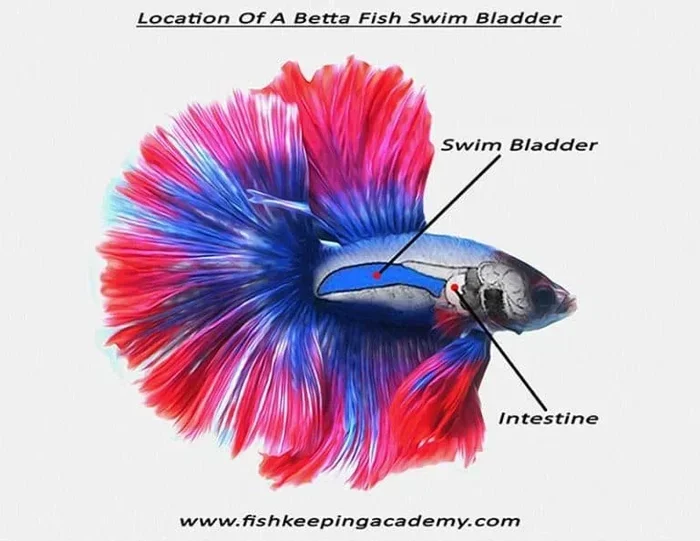
The swim bladder is a small organ inside your betta’s body. It helps the fish control its buoyancy. Think of it like a built-in flotation device. When the swim bladder works well, your betta swims up, down, and stays in place without effort.
When the swim bladder gets damaged or infected, the fish loses this control. It might float to the top, sink to the bottom, or tilt to one side. This is what people call swim bladder disease. But it is not really a single disease. It is more like a set of symptoms caused by different things.
Many fish owners confuse swim bladder issues with other illnesses. That is why learning to recognize the signs matters. The sooner you act, the better the outcome for your fish.
How Common Is This Condition?
Swim bladder problems are very common in betta fish. They happen in tanks of all sizes. Both beginner and experienced fish keepers run into this issue. The good news is that it is usually easy to fix.
Is Swim Bladder Disease Fatal in Betta Fish?
Here is the part most fish owners want to know about. Is swim bladder disease fatal in betta fish? The honest answer is: it depends. Most of the time, it is not deadly. But in severe cases, it can be life-threatening if left untreated.
Can a betta fish die from swim bladder disease? Yes, but only in serious situations. When the condition is caused by a bacterial infection and goes untreated, it can spread. The infection may damage other organs. That is when things become dangerous.
However, the vast majority of bettas recover fully. With the right treatment, your fish can return to normal swimming within days or weeks. The key is to act fast and not panic.
When Does It Become Serious?
Swim bladder disease becomes serious when you ignore it. If your betta stops eating for more than a few days, the problem can get worse. A fish that floats upside down for too long may also develop stress. Stress weakens the immune system. This opens the door for other infections.
So the real danger is not the disease itself. It is the delay in treatment. The moment you notice something is off, start taking action.
Common Causes of Swim Bladder Disease
Understanding what causes this condition helps you treat it and prevent it. There are several reasons a betta’s swim bladder may stop working properly.
1. Overfeeding
This is the number one cause. Betta fish have small stomachs. When you feed them too much, their belly swells. The swollen belly pushes against the swim bladder. This makes it hard for the fish to swim normally.
Many fish owners love their pets too much with food. But overfeeding does more harm than good. Keep feeding sessions short and simple.
2. Poor Water Quality
Dirty water is a big problem for bettas. Ammonia and nitrite buildup in the tank stresses the fish. Over time, this stress can affect the swim bladder. Water quality is the foundation of good fish health.
If you notice cloudy water in your tank, it is time for a water change. Clean water keeps your betta strong and healthy.
3. Bacterial or Parasitic Infections
Sometimes the cause is an infection. Bacteria or parasites can inflame the swim bladder. This type of issue needs more targeted treatment. But it is still very manageable with the right approach.
4. Physical Injury
Betta fish can hurt themselves by bumping into tank decorations or rocks. A hard impact near the belly area can damage the swim bladder. This is why choosing safe tank setups matters.
5. Congenital Issues
Some bettas are born with a weak swim bladder. This is less common but it does happen. Fish from poor breeding conditions are more likely to have this issue. There is not much you can do about genetics. But you can still give your fish a great life.
How to Recognize Swim Bladder Symptoms
Knowing what to look for helps you catch the problem early. The symptoms are usually easy to spot if you watch your fish daily.
- Floating at the top: The fish stays at the surface and cannot dive down.
- Sinking to the bottom: The fish sinks and cannot swim up.
- Floating sideways: The betta tilts to one side or floats upside down.
- Struggling to swim: The fish seems weak or uncoordinated in the water.
- Swimming in circles: The betta swims in tight circles or spirals.
- Loss of appetite: The fish stops eating or shows no interest in food.
- Bloated belly: The belly looks swollen or puffy.
If you see a few of these signs together, swim bladder disease is likely the cause. You should also check if your betta is hiding in the corner or staying in one spot. These are signs of stress that often come with swim bladder problems.
Quick Tip
Watch your betta for a full day before jumping to conclusions. Sometimes fish rest more than usual. But if the symptoms last longer than 24 hours, start treatment right away.
Treatment and Recovery Options
The good news is that treating swim bladder disease is simple in most cases. You do not need expensive equipment or a vet visit. A few home adjustments can make a big difference.
Step 1: Fast Your Betta
Start by stopping all food for two to three days. This gives the digestive system time to clear out any blockages. Many cases of swim bladder issues are caused by constipation. Fasting helps the belly shrink and takes pressure off the swim bladder.
Do not worry. Betta fish can go several days without food. This short fast is safe and very effective.
Step 2: Feed Peas
After the fast, offer a small piece of blanched pea. Peas are a natural laxative for fish. They help push things through the digestive tract. Just make sure to remove the skin before feeding.
This trick works wonders for many betta owners. It is simple, cheap, and very effective.
Step 3: Improve Water Conditions
Do a 25% water change right away. Clean, warm water helps your betta recover faster. Keep the temperature between 78 and 80 degrees Fahrenheit. Also check the pH level. Stable water parameters reduce stress and speed up healing.
If your tank does not have a filter, consider adding one. A good filter keeps the water clean and reduces the risk of future problems. You can learn more about whether betta fish need a filtered tank in our other guide.
Step 4: Add Aquarium Salt
Adding a small amount of aquarium salt to the tank can help. Salt reduces inflammation and supports the fish’s natural healing process. Use only fish-safe salt and follow the dosage instructions carefully.
Step 5: Treat Infections if Needed
If the cause is bacterial, you may need an antibiotic treatment. Look for medications designed for fish bacterial infections. Always follow the dosage on the package. If the condition does not improve within a week, consult a fish vet.
For a more detailed guide on treatment, check out our article on how to cure swim bladder disease in betta fish. It covers additional remedies and tips that work well alongside these steps.
Quick Tips for Faster Recovery
- Keep the tank lights dim. Bright lights stress a sick fish.
- Do not move the tank around. Stability helps your betta feel safe.
- Talk softly near the tank. Loud noises add stress.
- Remove any sharp decorations that could cause injury.
Prevention Tips to Keep Your Betta Healthy
Preventing swim bladder disease is much easier than treating it. A few simple habits keep your betta happy and healthy for years.
Feed the Right Amount
Feed your betta small amounts twice a day. A good rule is to give only what the fish can eat in two minutes. Remove any leftover food after feeding. This keeps the belly from swelling and the water clean.
Keep the Tank Clean
Regular water changes are essential. Change 25% of the water every week. Test the water parameters often. A clean tank prevents infections and keeps the immune system strong.
Choose the Right Tank Size
Betta fish need space to swim. A tank of at least 5 gallons is recommended. Smaller tanks create more waste and stress. A bigger tank also makes it easier to maintain stable water conditions.
Avoid Overcrowding
Betta fish are territorial. They do best alone or with very peaceful tank mates. Too many fish in one tank creates stress. Stress weakens the immune system and leads to health problems.
Provide a Balanced Diet
Feed your betta a mix of high-quality pellets, frozen foods, and occasional treats. Variety keeps the digestive system working well. Avoid feeding only dry flakes. They can expand in the stomach and cause blockages.
Monitor Your Fish Daily
Spend a few minutes each day watching your betta. Look for changes in swimming behavior, eating habits, or appearance. Catching problems early makes treatment much easier. A quick daily check can save your fish’s life.
Key Takeaways
- Swim bladder disease is usually not fatal: Most bettas recover with simple treatment.
- Overfeeding is the top cause: Keep feeding portions small and regular.
- Clean water is your best tool: Regular water changes prevent many health issues.
- Fasting and peas work wonders: These two steps solve most mild cases fast.
- Act quickly when you spot symptoms: Early treatment leads to faster and full recovery.
- Prevention is simple: Good diet and clean water keep your betta healthy long-term.
Conclusion
So, is swim bladder disease fatal in betta fish? The answer is no, not in most cases. With the right care, your betta can bounce back and swim happily again. The condition is manageable, treatable, and often preventable.
The most important thing you can do is act fast. Do not wait and hope the problem goes away. Start with fasting, clean water, and a calm environment. These simple steps give your betta the best chance at a full recovery.
Remember that your betta fish depends on you for its well-being. A little attention and care go a long way. Keep the tank clean, feed wisely, and watch for any changes in behavior. Your betta will thank you with vibrant colors and joyful swimming.
If you want to learn more about betta fish health, explore our other guides. Whether you are dealing with a specific symptom or looking for general care tips, there is always more to learn. The more you know, the better you can care for your underwater friend.
Frequently Asked Questions
Can swim bladder disease kill a betta fish?
In most cases, no. Swim bladder disease is not fatal if treated early. However, if the underlying cause is a severe bacterial infection and it goes untreated for a long time, it can become life-threatening. This is why quick action matters so much.
How long does it take for a betta to recover from swim bladder disease?
Most bettas show improvement within 3 to 7 days of treatment. Mild cases often resolve in just a few days with fasting and water changes. More serious cases may take two weeks or longer, especially if an infection is involved.
Can swim bladder disease come back after treatment?
Yes, it can come back if the root cause is not addressed. Overfeeding, poor water quality, and stress are common triggers. Keeping a clean tank and feeding properly greatly reduces the chance of recurrence.
Is swim bladder disease contagious to other fish?
Most cases of swim bladder disease are not contagious. They are usually caused by internal factors like diet or water conditions. However, if the cause is a bacterial infection, it could potentially spread to other fish in the same tank. Isolating the affected betta is always a safe choice.
What should I feed my betta during swim bladder recovery?
After fasting for two to three days, offer a small piece of blanched pea or a few high-quality pellets. Avoid hard or dry foods during recovery. Soft, easily digestible foods put less strain on the digestive system and help prevent constipation.
Can I use tap water in my betta fish tank during treatment?
Tap water can be used, but it must be treated with a water conditioner first. Untreated tap water contains chlorine and chloramine that harm fish. Always add a dechlorinator before adding tap water to your betta tank, especially during recovery when your fish is most vulnerable.