Is Surf Fishing Better at Night
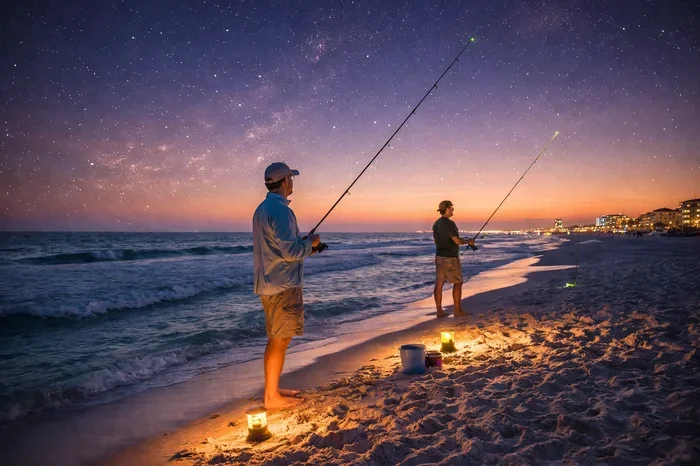
Surf fishing at night can be a game-changer for serious anglers. Many species feed more actively after dark, making is surf fishing better at night a question worth exploring. In this guide, we break down the benefits, challenges, and pro tips to help you catch more fish under the stars.
Key Takeaways
- Fish activity increases at night: Many species move closer to shore after dark to feed.
- Tides and moon phases matter: Planning around tidal flow and lunar cycles boosts your success rate.
- Less crowd pressure: Nighttime surf fishing means fewer people competing for prime spots.
- Gear matters: Proper lighting, heavy tackle, and the right bait make all the difference.
- Safety first: Fishing in the dark requires extra precautions for personal safety and awareness of your surroundings.
- Not every species bites at night: Some fish are more active during the day, so know your target species.
📑 Table of Contents
Introduction
There is something magical about standing at the edge of the ocean after sunset. The waves crash against the shore, the moon reflects off the water, and your line slices into the dark surf. If you have ever wondered whether is surf fishing better at night, you are not alone. Anglers across the country debate this topic all the time.
The truth is that nighttime surf fishing offers real advantages. Fish often become more active after dark. Fewer people crowd the beaches. And certain species that are hard to reach during the day suddenly show up near the shoreline. But night fishing also comes with challenges you need to prepare for. This guide covers everything you need to know to decide if night surf fishing is right for you.
Whether you are a beginner or a seasoned surfcaster, this article will help you make the most of your next nighttime session on the beach.
Why Surf Fishing at Night Can Be Superior
Many experienced anglers will tell you that is it better to fish at night when it comes to surf fishing. The reasons go beyond just personal preference. There are real biological and environmental factors that make nighttime casting more productive.
Fish Behavior After Dark
Fish are not just sleeping when the sun goes down. Many species become more active during nighttime hours. This is especially true for fish that live near the surf zone. Here is why:
- Predator advantage: Some species use the darkness to hunt more aggressively. They move closer to shorelines to ambush prey.
- Reduced light sensitivity: Fish like striped bass, red drum, and bluefish feed heavily at night when light levels are low.
- Plankton movement: Tiny organisms move toward the surface after dark, drawing baitfish and larger species closer to the surf.
If you are targeting species like striped bass or red drum, fishing after sunset can dramatically improve your catch rate. These fish are known to patrol the surf zone actively during nighttime hours.
Fewer People on the Beach
One underrated benefit of nighttime angling is the lack of crowds. During the day, popular surf fishing beaches can get packed. You fight for space, deal with distractions, and sometimes even deal with people stepping into your casting range.
At night, the beach is mostly yours. You can set up your rods, manage your tackle, and focus entirely on the water. This alone can make the experience more enjoyable and productive.
Cooler Temperatures
Summer surf fishing can be brutal. The sun bakes the sand, the heat drains your energy, and fish often retreat to deeper water. At night, temperatures drop. You stay cooler, fish stay active, and the whole experience feels more comfortable. This is one reason why is surf fishing better at night keeps coming up in fishing communities.
The Best Tides and Conditions for Night Surf Fishing
Success in surf fishing depends heavily on understanding water conditions. And when you fish at night, this knowledge becomes even more important. You cannot rely on visual cues as easily, so planning ahead is critical.
Tidal Patterns Matter
Tides are the heartbeat of surf fishing. Many anglers find that fishing the incoming tide produces the best results at night. As the water rises, it pushes baitfish and crustaceans toward the shore, attracting larger fish.
If you are unsure about timing, check local tide charts before your trip. Fishing the last two hours of high tide or the first two hours of low tide often gives you the best window. For more detail on how tides affect your chances, you can read about is high tide or low tide better for surf fishing.
Moon Phase Influence
The moon plays a bigger role than most people realize. During a full moon, the water is brighter at night. This can make fish slightly more cautious in shallow water. However, the increased light also means more plankton activity, which feeds the entire food chain.
During a new moon, the nights are darkest. Fish tend to feed more boldly because they feel safer from predators above the water. Many seasoned surf casters target night surf fishing during new moon phases for this reason.
Wind and Wave Conditions
Moderate wind and wave action stir up the water and bring food to the surface. Calm nights can mean less feeding activity. A light offshore breeze often creates ideal conditions. But extreme wind and rough surf make casting difficult and can be dangerous. Always check weather forecasts before heading out.
Essential Gear for Nighttime Surf Casting
You cannot just grab your daytime setup and head out after dark. Nighttime angling requires some specialized gear to be safe and effective.
Lighting Solutions
Light is your most important tool at night. You need it to see your rods, tie knots, and watch for bites. Here is what most night surf casters use:
- Headlamp: A waterproof headlamp keeps your hands free. Look for one with a red light mode to avoid disturbing your night vision.
- Rod tip lights: Small LED clips attach to your rod tips and blink when a fish takes your bait. These are lifesavers when you cannot see the water.
- Floodlights: Some anglers set up portable floodlights on the beach. These light up a wider area but can spook fish if too bright.
Choosing the Right Tackle
Heavy tackle is standard for surf fishing. At night, you want to stick with gear you can handle confidently. Here is a basic setup:
- Rod: A 10 to 12 foot medium-heavy surf rod works well. You need length for casting distance and power for fighting fish.
- Reel: A 5000 to 6000 size spinning reel spooled with 30 to 50 pound braided line gives you the strength and sensitivity you need.
- Leader: Use a 40 to 60 pound fluorocarbon leader. It is less visible underwater and handles the abrasion from sand and rocks.
- Weights: Pyramid sinkers in 4 to 8 ounce range keep your bait anchored in the current.
Proper gear gives you confidence. And confidence matters when you are standing in the dark with waves crashing behind you.
Common Challenges of Surf Fishing at Night
Let us be honest. Night surf fishing is not without its difficulties. Knowing these challenges helps you prepare and avoid problems.
Visibility Issues
The biggest challenge is simply not being able to see. You cannot read the water, spot approaching fish, or easily see your line. Bite detection becomes harder unless you use rod tip lights or other indicators. This is why many anglers ask is it better to fish at night and the honest answer is: it depends on your skill level and comfort.
It takes practice to adjust to nighttime conditions. Start with short sessions near the waterline and gradually build your confidence.
Safety Concerns
Fishing in the dark introduces real safety risks. Uneven ground, hidden rocks, and sudden wave surges can all cause injuries. Here are some safety tips:
- Always fish with a partner or let someone know where you are.
- Wear a life jacket if you are fishing from rocks or steep banks.
- Bring a fully charged phone for emergencies.
- Stay aware of ocean conditions. Waves can be unpredictable at night.
- Pack extra layers. Temperatures can drop fast after sunset.
Never let the excitement of fishing override your safety. A good session is one where you come home safely.
Navigating Without Landmarks
During the day, you can use landmarks to position yourself correctly on the beach. At night, everything looks the same. This can make it hard to find your usual spot or return to it later. Some anglers mark their location with glow sticks or other visible markers. This simple trick saves a lot of frustration.
Tips for Successful Night Surf Fishing
Now that you understand the basics, let us talk about how to improve your odds. These tips come from experienced surf casters who fish regularly after dark.
Bait and Presentation Tips
Your bait choice matters even more at night. Fish rely more on scent and vibration when visibility is low. Use fresh bait with a strong smell. Shrimp, sand fleas, and cut bait work well. You can also try bucktail jigs that create vibration as they move through the water.
For the best results, cast upshore so the bait drifts naturally toward the beach. This mimics how prey moves and triggers a feeding response. If you want to learn more about how timing affects your fishing, check out why is it better to fish at night for deeper insights.
Positioning Yourself on the Beach
Where you stand makes a big difference. Look for the area where the waves break and the water is slightly calmer. This is often where fish hold. Casting too far out or too close to the waterline can reduce your chances.
Here is a quick positioning guide:
- Shallow water edge: Good for smaller species like bluefish.
- Mid-beach where waves slow: Ideal for striped bass and red drum.
- Deep troughs near the shore: Best for larger fish that patrol channels.
Patience and Observation
Night surf fishing rewards patience. You may wait longer between bites than during the day. But when the fish start feeding, the action can be fast. Watch for subtle signs like line movement or a sudden change in rod tip position. Stay focused and keep your hands ready.
Many anglers also listen for splashing or feeding activity. Sound carries differently at night. Learning these cues takes time but can give you a real edge.
When Day Fishing Might Be Better
Let us keep it real. Is surf fishing better at night does not have a one-size-fits-all answer. There are times when daytime fishing wins.
Species That Prefer Daytime
Not all fish feed aggressively at night. If you are targeting species like pompano or some smaller shore fish, daytime surf fishing might produce better results. These species often rely more on sight feeding, which works best under sunlight.
Weather and Seasonal Factors
During cooler months, fish may stay shallow throughout the day and not feed as actively at night. In contrast, summer nights often bring the best feeding activity. Also, overcast days can mimic nighttime conditions during the day, making fish less picky about time of day.
Understanding your target species and local conditions helps you choose the right time. Both day and night fishing have their place in a well-rounded angler’s routine.
Conclusion
So, is surf fishing better at night The answer is: it can be, and for many anglers, it is. Nighttime offers increased fish activity, fewer crowds, and more comfortable temperatures. But it also demands respect for safety, visibility, and preparation.
The key is to start slowly. Try a short night session, bring the right gear, and pay attention to what the ocean is telling you. Over time, you will learn the rhythms of nighttime surf fishing and develop your own routine.
Whether you cast under a full moon or a dark new moon, the ocean offers something special after dark. Grab your rod, head to the surf, and give night surf fishing a try. You might just find your new favorite way to fish.
Frequently Asked Questions
Is surf fishing better at night or during the day?
It depends on the species and conditions. Many fish feed more actively at night, making nighttime surf fishing more productive for species like striped bass and bluefish. However, some species prefer daytime feeding. The best approach is to match your timing to the fish you are targeting.
What is the best tide for surf fishing at night?
The incoming tide is generally the best time for night surf fishing. As the water rises, it pushes bait toward the shore and triggers feeding activity. Fishing during the last two hours before high tide often produces the best results. For more detail, read about is high tide or low tide better for surf fishing.
What gear do I need for night surf fishing?
You need a medium-heavy surf rod, a large spinning reel, braided line in the 30 to 50 pound range, and a fluorocarbon leader. Lighting is also critical. Use a headlamp, rod tip lights, and optionally a small floodlight to see your setup and detect bites.
Is night surf fishing safe?
It can be safe if you take proper precautions. Always fish with a partner, wear appropriate footwear, watch for wave surges, and let someone know your location. Bring a charged phone and extra layers. Never fish from unstable rocks without a life jacket.
What species can I catch surf fishing at night?
Common species include striped bass, bluefish, red drum, and weakfish. These fish are known to feed aggressively near the surf zone after dark. Smaller species like pompano may be less active at night and are better targeted during the day.
Does the moon phase affect night surf fishing?
Yes, the moon phase has a noticeable impact. During a new moon, nights are darkest and fish tend to feed more boldly. During a full moon, increased light can make fish slightly more cautious but also more active near the surface. Planning your trips around lunar cycles can improve your catch rate.