Is Red Curry or Green Curry Better for Fish
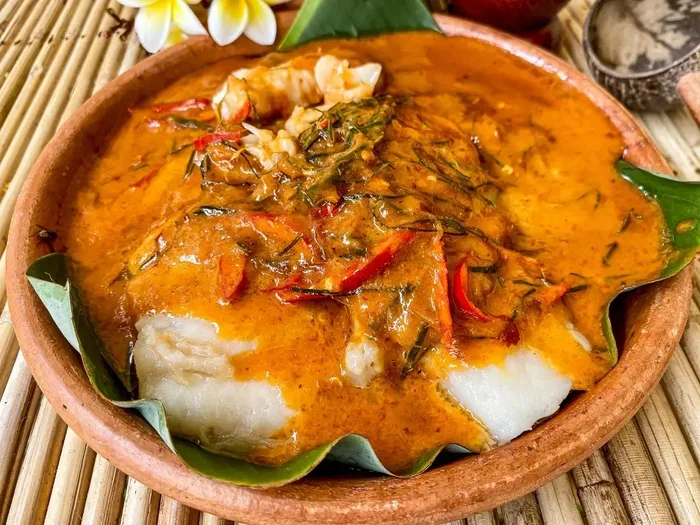
Red curry and green curry are both popular Thai dishes, but neither is ideal for betta fish. The spices, garlic, and oils in curry can harm your fish’s delicate digestive system. If you want to treat your betta, plain cooked fish or specialized betta pellets are far safer options.
Many fish owners wonder about sharing their favorite foods with their pets. The question of is red curry or green curry better for fish comes up more often than you might expect. Whether you love spicy Thai food or just enjoy a warm bowl of curry, it is natural to think about your fish.
But here is the truth. Curry of any kind is not good for betta fish. The spices, oils, and ingredients in both red and green curry can cause serious harm. In this article, we will break down exactly why curry is risky for fish. We will also compare red and green curry side by side. You will learn what happens if your betta eats curry by accident. And most importantly, we will share safe, healthy alternatives that your fish will actually love.
Key Takeaways
- Curry is not safe for betta fish: The spices, onions, and oils found in both red and green curry can upset your fish’s stomach and harm its health.
- Green curry tends to be milder: Green curry paste contains fewer pungent spices than red curry, making it slightly less harmful if your fish accidentally ingests a small amount.
- Neither curry offers nutritional value for fish: Betta fish need protein-rich, specially formulated foods, not human curry dishes.
- Safe alternatives exist: Frozen brine shrimp, daphnia, and high-quality betta pellets are much better treat options.
- Prevention is key: Keep curry and other human foods away from your aquarium to protect water quality and fish health.
- Know the signs of digestive distress: Bloating, lethargy, and loss of appetite can signal that your betta has eaten something harmful.
📑 Table of Contents
Understanding What Betta Fish Can Eat
Betta fish are carnivores. They need a diet rich in protein to stay healthy and vibrant. In the wild, bettas eat small insects, larvae, and tiny crustaceans. This natural diet shapes everything about their digestive system.
Your betta’s stomach is small and sensitive. It is designed to process specific types of food. Human foods like curry are far outside their natural diet. The oils, salt, and spices in curry can damage their internal organs over time.
Why Diet Matters So Much for Bettas
A proper diet keeps your betta’s colors bright and its immune system strong. Poor food choices lead to bloating, swim bladder issues, and infections. When you feed your betta the right food, you are investing in its long-term health.
Betta fish thrive on foods that are high in protein and low in fillers. This is why specialized betta pellets and flakes work so well. They are formulated to match the nutritional needs of your fish perfectly.
Red Curry vs Green Curry: What Is in Each?
To understand why curry is bad for fish, you need to know what is actually in these dishes. Red curry and green curry both come from Thailand, but they have different ingredients and flavor profiles.
What Goes into Red Curry
Red curry paste is made from dried red chilies, garlic, lemongrass, galangal, and shrimp paste. It also contains salt, sugar, and sometimes fish sauce. The oil used in red curry is typically coconut oil or vegetable oil.
All of these ingredients are harmful to betta fish in large amounts. The garlic may seem harmless, but it can irritate a fish’s sensitive gills. The salt content is another major concern. Even small amounts of added salt can stress your betta over time.
What Goes into Green Curry
Green curry paste uses fresh green chilies, basil, lemongrass, and galangal. It also includes garlic, shallots, and shrimp paste. Green curry tends to be slightly milder than red curry in terms of heat.
While green curry may be less spicy for humans, it is still not safe for fish. The garlic, lemongrass, and oil content remain problematic. Neither curry type offers any nutritional benefit to your betta.
Side-by-Side Comparison
Let us look at how red and green curry compare when it comes to fish safety.
- Spice level: Red curry is generally hotter than green curry due to dried chilies.
- Garlic content: Both curries contain garlic, which is harmful to fish gills.
- Oil content: Both use coconut or vegetable oil, which can cloud aquarium water.
- Salt level: Red curry often has slightly more salt than green curry.
- Fish-safe ingredients: Neither curry contains ingredients that are safe or beneficial for bettas.
When you ask is red curry or green curry better for fish, the honest answer is that neither is better. Both are equally unsafe. The only difference is in the degree of harm, and both should be kept far away from your aquarium.
What Happens If Your Betta Eats Curry?
Accidents happen. Maybe a piece of curry fell into your tank, or your curious betta swam near your plate. Understanding what happens next can help you act quickly.
Short-Term Effects
In the short term, your betta may show signs of discomfort. Look for these warning signals:
- Bloating: The curry’s oils can cause your fish’s belly to swell.
- Loss of appetite: Your betta may refuse food for several hours after eating something harmful.
- Erratic swimming: Digestive distress can affect your fish’s swim bladder.
- Gasping at the surface: This can indicate gill irritation from spices or garlic.
These symptoms are usually mild if only a small amount was consumed. However, they can worsen if your fish eats a larger piece.
Long-Term Risks
Repeated exposure to human foods like curry can lead to serious health problems. The oils can coat your fish’s fins and scales, blocking natural mucus production. The salt and spices can stress the kidneys and liver over time.
Curry that ends up in your tank can also degrade water quality. The fats and solids can cloud the water and promote bacterial growth. This creates a stressful environment for your betta and any tank mates you may have.
Safe and Healthy Alternatives to Curry for Fish
If you want to treat your betta or add variety to its diet, there are many safe options. These alternatives provide proper nutrition without any of the risks associated with human foods.
Best Commercial Foods for Bettas
High-quality betta pellets should form the foundation of your fish’s diet. Look for pellets that list fish meal or shrimp as the first ingredient. These products are carefully balanced to meet all of your betta’s nutritional needs.
Betta flakes are another option, though many owners prefer pellets. Flakes can dissolve quickly and cloud the water if not eaten right away.
Live and Frozen Foods
Bettas love live and frozen foods. These options mimic what they would eat in the wild and provide excellent protein. Some great choices include:
- Brine shrimp: Rich in protein and easy to digest.
- Daphnia: A natural laxative that helps prevent constipation.
- Bloodworms: A favorite treat, but feed in moderation due to high fat content.
- Mosquito larvae: A natural and nutritious option if you can source them safely.
These foods are far better for your betta than any type of curry. They support growth, color, and overall vitality.
Can You Feed Fish Human Food Safely?
Some human foods are safe for fish in small amounts. Plain cooked peas, for example, can help with constipation. Blanched spinach is another fish-safe vegetable. However, curry is never a safe choice. The combination of spices, oil, and salt makes it uniquely harmful.
If you are ever unsure about a food, it is best to stick with foods specifically made for fish. Your betta will be healthier and happier as a result.
Comparing Fish Oil and Curry: A Note on Fish Nutrition
Many people associate fish with health benefits, especially when it comes to fish oil supplements. Fish oil is rich in omega-3 fatty acids and supports heart and joint health in humans. But this does not mean that curry dishes containing fish are good for your pet fish.
When comparing fish oil or krill oil for human health, both are excellent omega-3 sources. However, the curry dishes that people eat are entirely different from what fish need nutritionally. The processing, spices, and oils in curry bear no resemblance to the clean, simple nutrition that bettas require.
This is an important distinction to understand. Human fish dishes and fish food serve completely different purposes. Never assume that what is healthy for you is also healthy for your aquarium pets.
Expert Tips for Keeping Your Betta Safe From Human Food
Preventing accidents is always better than treating problems after they happen. Here are some practical tips to keep your betta safe from harmful human foods like curry.
- Eat away from the tank: Try not to eat spicy or oily foods near your aquarium. Crumbs and splashes can fall in.
- Wash your hands: Always wash your hands thoroughly after eating curry before you touch your tank or equipment.
- Cover your tank: A tight-fitting lid prevents food particles and drops from entering the water.
- Educate family members: Make sure everyone in your household knows not to feed the fish human food.
- Stick to a feeding schedule: Feed your betta at consistent times with appropriate portions to reduce curiosity about other foods.
These simple habits go a long way in protecting your betta’s health and your water quality. Prevention is always easier and cheaper than treatment.
Conclusion
The answer to whether red curry or green curry is better for fish is clear. Neither is good for your betta. Both contain harmful ingredients like garlic, oil, salt, and spices that can damage your fish’s health. Green curry may be slightly milder, but it is still not safe.
Your betta deserves a diet that is specifically designed for its needs. High-quality pellets, frozen brine shrimp, and daphnia are all excellent choices. Keep curry and other human foods far away from your aquarium.
By understanding what your betta can and cannot eat, you become a better fish owner. Your fish will reward you with vibrant colors, active behavior, and a long, healthy life. Make the smart choice and skip the curry for your finned friend.
Frequently Asked Questions
Can betta fish eat any type of curry?
No, betta fish should not eat any type of curry. Both red and green curry contain spices, garlic, and oils that are harmful to fish. Even a small amount can cause digestive upset and long-term health problems.
Is green curry less harmful to fish than red curry?
Green curry is slightly milder in spice, but it is still not safe for fish. The garlic, lemongrass, and oil content remain problematic. Neither curry should ever be fed to your betta.
What should I do if my betta accidentally eats curry?
Remove any remaining curry from the tank immediately. Monitor your fish for signs of bloating, lethargy, or loss of appetite. Perform a partial water change to reduce the impact on water quality. If symptoms persist, consult a veterinarian who specializes in fish.
Are there any human foods that are safe for betta fish?
Yes, some human foods are safe in small amounts. Plain cooked peas, blanched spinach, and small pieces of cooked fish are generally safe. However, always research any new food before offering it to your betta.
Why is garlic bad for betta fish?
Garlic can irritate a betta’s sensitive gills and digestive system. While some fish keepers use garlic as a feeding additive in very small, controlled amounts, the garlic content in curry is far too concentrated and combined with other harmful ingredients.
What is the best treat for betta fish?
The best treats for betta fish include frozen brine shrimp, daphnia, and bloodworms. These are high in protein and closely mimic a betta’s natural diet. Always feed treats in moderation to maintain a balanced diet.