How Many Fry Betta Fish Have
So, how many fry betta fish have? A single spawning can produce anywhere from 10 to 200 eggs, and not all of them will survive to become fry. Betta fish breeding is fascinating, and understanding the numbers helps you prepare properly. Whether you are a beginner or a seasoned hobbyist, knowing what to expect makes all the difference.
Key Takeaways
- Betta fish can produce 10 to 200 eggs per spawning cycle.
- Not all eggs will hatch, and not all fry will survive. Average survival rates depend heavily on care conditions.
- Fry care requires a separate tank, proper feeding, and clean water.
- Betta fish are egg layers, not livebearers. They lay eggs that the male fertilizes and guards.
- Water temperature and quality play a huge role in fry survival.
- Raising betta fry is rewarding but requires patience and consistency.
📑 Table of Contents
How Many Fry Betta Fish Have: A Complete Guide
If you have ever wondered how many fry betta fish have, you are not alone. This question comes up in almost every betta owner community. The answer might surprise you. A single betta fish spawning can produce a surprisingly large number of eggs. But here is the real question: how many of those eggs actually become healthy fry?
Betta fish breeding is a fascinating process. Unlike some fish that give live birth, bettas are egg layers. The male betta builds a bubble nest, the female releases eggs, and the male fertilizes them. From there, the male takes on the role of guardian. Understanding this process helps you set realistic expectations and create the best environment for your fish.
Whether you are planning to breed bettas or you just noticed your fish acting differently, this guide covers everything you need to know. We will walk through the breeding process, egg counts, fry survival rates, and care tips. By the end, you will feel confident and prepared.
The Betta Fish Breeding Process
How Betta Fish Reproduce
Betta fish reproduction starts with courtship. The male builds a bubble nest at the surface of the water. This nest is made of tiny saliva bubbles and looks like a foamy cluster. Once the nest is ready, the male invites the female to join him.
During mating, the female releases eggs, and the male fertilizes them right away. The male then collects the eggs and places them gently into the bubble nest. This whole process is delicate and requires calm water conditions.
What Affects Egg Production
Several factors influence how many eggs a betta fish can produce. Betta fish age plays a big role. Healthy, mature fish between 4 and 12 months old tend to produce the most eggs. Fish that are too young or too old may lay fewer eggs.
Water quality is another major factor. Clean, warm water with the right parameters encourages healthy spawning. Tank size also matters. A tank that is too small can stress the fish and reduce egg production. Ideally, you want a breeding tank of at least 10 gallons.
Diet matters too. A well-fed betta with high-quality food will be healthier and more likely to produce a good number of eggs. Live or frozen foods like brine shrimp and daphnia work great for conditioning breeding fish.
How Many Eggs Do Betta Fish Lay?
Now let us get to the heart of the matter. So, how many eggs does a betta fish lay in one spawning? The answer varies, but most healthy female bettas lay between 30 and 100 eggs per spawn. Some exceptional fish can produce up to 200 eggs or more.
Keep in mind that these are not all fry. Many eggs may be unfertilized, and some may not develop properly. The male betta carefully picks up any eggs that fall and places them back in the nest. This is hard work, and not every egg makes it.
If you want to learn more about the egg-laying process in detail, check out our article on how many eggs does a betta fish lay. It goes deeper into egg counts and what to expect.
Egg Fertilization and Viability
Not every egg a betta fish lays is viable. In fact, a portion of the eggs may be unfertilized. The male betta will often remove these infertile eggs from the nest and eat them. This is completely normal behavior and nothing to worry about.
Fertilized eggs look slightly different from unfertilized ones. They are usually slightly oval and may have a small dark spot inside, which is the developing embryo. Unfertilized eggs tend to look more round and translucent without any internal structure.
Water conditions during the betta breeding cycle play a major role in egg viability. Fluctuations in temperature, pH swings, or dirty water can cause eggs to become infertile or develop abnormally. Keeping the water stable and clean is essential.
Average Egg Counts by Spawning
Here is a general breakdown of what you can expect:
- First-time spawners: Often lay fewer eggs, around 10 to 30.
- Experienced breeding pairs: Typically produce 50 to 100 eggs per spawn.
- Well-conditioned, healthy females: Can produce 100 to 200 eggs in optimal conditions.
- Older or stressed fish: May produce significantly fewer eggs, sometimes under 10.
Remember that quantity does not always equal quality. A smaller number of healthy eggs can result in more surviving fry than a large number of poor-quality eggs.
From Eggs to Fry: The Hatching Process
Once the eggs are safely in the bubble nest, the waiting game begins. So, how many days does it take for betta fish eggs to hatch? Most fertilized betta eggs hatch within 24 to 72 hours. The exact timing depends on water temperature. Warmer water speeds up development, while cooler water slows it down.
For more details on hatching timelines, visit our guide on how many days to hatch betta fish eggs. It covers temperature ranges and what to look for during each stage.
Fry Development Stages
Betta fry go through several development stages in their first weeks of life. Understanding these stages helps you provide the right care at the right time.
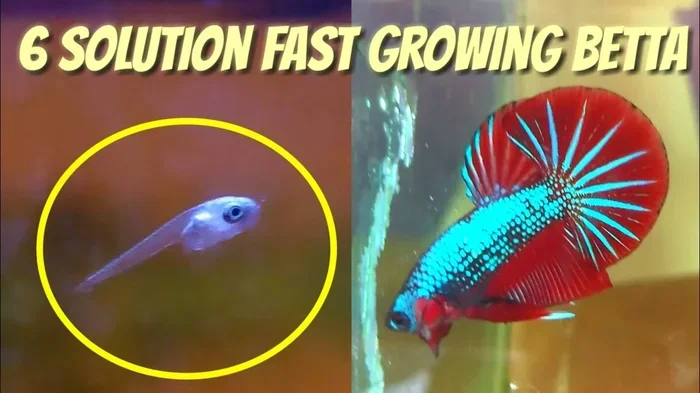
Stage 1: Newly Hatched Fry (0 to 2 days). The fry are still attached to the bubble nest or floating nearby. They absorb their yolk sac for nutrition during this time. They are very tiny and nearly transparent.
Stage 2: Free-Swimming Fry (2 to 7 days). Once the yolk sac is absorbed, the fry become free-swimming. They start looking for food on their own. This is when you need to begin feeding them infusoria or liquid fry food.
Stage 3: Growing Fry (1 to 4 weeks). The fry start developing color and their fins begin to grow. They become more active and need larger food particles like baby brine shrimp.
Stage 4: Juveniles (4 to 8 weeks). By this stage, the fry look like miniature versions of adult bettas. You can start separating males from each other to prevent aggression.
Fry Survival Rates
The survival rate for betta fry can vary widely. In well-maintained tanks with proper feeding, around 50 to 80 percent of fertilized eggs may survive to become free-swimming fry. In less ideal conditions, that number can drop significantly.
Fry survival rates depend on several key factors:
- Water quality: Clean, stable water reduces stress and disease.
- Proper feeding: Small, frequent feedings prevent starvation.
- Temperature control: Consistent warm temperatures support healthy growth.
- Separation from parents: Adult bettas may eat their own fry if given the chance.
If you want to improve your fry survival, consider setting up a dedicated fry tank. This gives the young fish a safe, controlled environment to grow. For more tips on raising fry, our article on how to feed betta fish fry is an excellent resource.
Caring for Betta Fish Fry
Setting Up a Fry Tank
Raising betta fry successfully starts with the right setup. You need a separate tank that is at least 5 to 10 gallons. A sponge filter is ideal because it provides gentle filtration without creating strong currents that can harm tiny fry.
Keep the water temperature between 78 and 80 degrees Fahrenheit. This range supports healthy development and mimics the natural breeding conditions for bettas. Use a heater with a thermostat to maintain consistent temperatures.
Add a few floating plants or a mesh cover to protect the fry. Baby bettas are very small and can get sucked into filter intakes or become trapped in tank decorations. Keeping the environment simple and safe is key.
Feeding Betta Fry
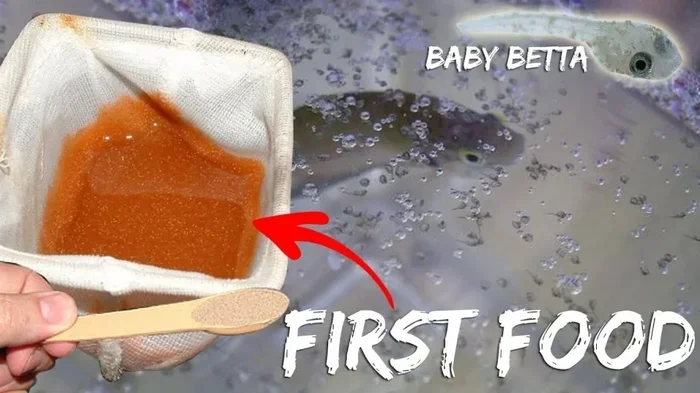
Feeding betta fry is one of the most important aspects of care. These tiny fish need very small, frequent meals. In the first few days, they can eat infusoria or commercially available liquid fry food.
After the first week, you can introduce baby brine shrimp. This is a nutritious food that promotes fast, healthy growth. You can also feed microworms or finely crushed flakes, but make sure the pieces are small enough for the fry to eat.
Feed the fry 3 to 5 times a day in small amounts. Overfeeding can dirty the water quickly and lead to health problems. Remove any uneaten food after a few minutes to keep the tank clean.
Water Changes for Fry
Regular water changes are essential for fry health. However, you must be gentle. Use a turkey baster or airline tubing to remove small amounts of dirty water without disturbing the fry. Replace the removed water with dechlorinated water at the same temperature.
Perform small water changes of about 10 to 20 percent every day or every other day. This helps maintain pristine water conditions without causing stress to the young fish.
For more information on maintaining proper water conditions, our guide on how many times to change water for betta fish provides helpful schedules and tips.
Common Mistakes When Raising Betta Fry
Even experienced fish keepers can make mistakes when raising betta fry. Here are some common errors to avoid:
- Skipping the fry tank: Keeping fry in the main tank exposes them to predation from adult fish and uneven feeding.
- Overfeeding: Excess food fouls the water quickly. Fry tanks need more frequent water changes because of this.
- Ignoring water temperature: Fluctuating temperatures slow development and increase the risk of disease.
- Not separating males early: Male bettas start showing fin nipping behavior as early as 4 weeks old. Separate them into individual containers to prevent injury.
- Using strong filtration: Power filters with strong intakes can suck in tiny fry. Stick to sponge filters.
Expert Tips for Maximizing Fry Count and Survival
Want to get the best results from your betta breeding efforts? Here are some expert-backed tips:
- Condition the breeding pair properly. Feed them high-quality live or frozen foods for 1 to 2 weeks before introducing them to the breeding tank.
- Choose a healthy female. Look for a female with a bright color, full body, and a visible egg spot on her underside.
- Monitor the bubble nest closely. A healthy male will maintain and expand the nest. If the nest falls apart, it could signal stress or poor conditions.
- Remove the female after spawning. The male may become aggressive toward the female once the eggs are in the nest. Keeping the female in a separate tank prevents injury.
- Be patient with the fry. Growth takes time. Do not rush the process or make sudden changes to the tank environment.
Following these steps gives your betta fry the best possible start in life. Remember, every spawning is different. Some will produce dozens of healthy fry, while others may yield fewer. The key is to provide consistent, high-quality care throughout the process.
Conclusion
So, how many fry betta fish have? The answer depends on several factors, including the fish’s age, health, and the quality of care provided. On average, expect between 30 and 100 fertilized eggs per spawn, with a good portion of those developing into healthy fry. Betta fish fry care requires attention to detail, patience, and a commitment to maintaining clean water and proper nutrition.
Raising betta fry from eggs to juveniles is one of the most rewarding experiences in the aquarium hobby. Whether you are a beginner or a seasoned aquarist, understanding the breeding process and fry care makes all the difference. Start with a solid setup, feed appropriately, and enjoy watching your little bettas grow.
Remember to check out our related resources for more in-depth information. Each guide is designed to help you succeed at every stage of the betta fish journey. Happy breeding, and good luck with your fry!
Frequently Asked Questions
How many fry do betta fish have in one spawning?
A healthy betta fish can produce between 30 and 100 fertilized eggs per spawn, with some fish laying up to 200. However, not all eggs will be fertilized or survive to become fry. On average, around 50 to 80 percent of fertilized eggs develop into free-swimming fry.
How long does it take for betta fish eggs to hatch?
Betta fish eggs typically hatch within 24 to 72 hours. Warmer water temperatures around 78 to 80 degrees Fahrenheit speed up the hatching process. Cooler temperatures may extend the incubation period to four days or more.
Do betta fish eat their own fry?
Yes, betta fish may eat their own fry if they are kept together. The male betta usually guards the eggs and fry initially, but he may eventually eat them or ignore them. It is important to remove the female after spawning and eventually separate the fry from the male once they become free-swimming.
What should I feed betta fry?
In the first few days, feed betta fry infusoria or liquid fry food. After one week, introduce baby brine shrimp, which is highly nutritious and promotes healthy growth. Feed small amounts 3 to 5 times a day to prevent overfeeding and water contamination.
Can I keep betta fry in the same tank as adult fish?
No, it is not recommended. Adult bettas and other fish may eat the fry or outcompete them for food. Keep fry in a separate tank with gentle filtration and appropriate hiding spots until they are large enough to safely coexist with adult fish.
How can I improve betta fry survival rates?
Maintain pristine water quality with frequent small water changes, feed appropriately sized food multiple times a day, keep the temperature stable between 78 and 80 degrees Fahrenheit, and use a sponge filter to prevent fry from being sucked in. These steps significantly improve survival rates.