How Long Do Male Crowntail Betta Fish Live

So, how long do male crowntail betta fish live? On average, a male crowntail betta lives between 2 and 4 years, but with the right care, some can reach 5 years or more. The key to a long crowntail betta lifespan lies in proper tank setup, clean water, a balanced diet, and stress-free living conditions. This guide covers everything you need to know to help your fish thrive.
Owning a male crowntail betta fish is one of the most rewarding experiences for a fish keeper. These stunning fish, with their flowing, crown-like fins, bring color and personality to any aquarium. But one question almost every new owner asks is, how long do male crowntail betta fish live?
The answer depends on several factors, including tank conditions, diet, genetics, and overall care. In this guide, we will walk through everything you need to know about the crowntail betta lifespan. You will learn what shortens a betta’s life, what extends it, and exactly how to give your fish the best chance at a long, healthy life.
Let us dive right in.
Key Takeaways
- Average Lifespan: Male crowntail bettas typically live 2 to 4 years, with exceptional care pushing toward 5+ years.
- Tank Size Matters: A minimum 5-gallon tank with a heater and filter significantly improves betta health and longevity.
- Water Quality Is Critical: Maintaining stable temperature (76-82°F) and low ammonia levels prevents common diseases.
- Diet Directly Impacts Lifespan: Feeding high-quality pellets and occasional treats supports long-term vitality.
- Stress Shortens Life: Avoiding aggressive tank mates and overcrowding keeps your crowntail betta calm and healthy.
- Genetics Play a Role: Sourcing from reputable breeders gives your fish a better genetic foundation for a long life.
📑 Table of Contents
- Understanding the Crowntail Betta Breed
- How Long Do Male Crowntail Betta Fish Live?
- Setting Up the Ideal Tank for a Long Lifespan
- Diet and Nutrition for a Healthy Crowntail Betta
- Common Health Issues That Shorten Betta Lifespan
- Signs of a Healthy, Long-Lived Crowntail Betta
- Expert Tips to Maximize Your Crowntail Betta’s Lifespan
- Conclusion
Understanding the Crowntail Betta Breed
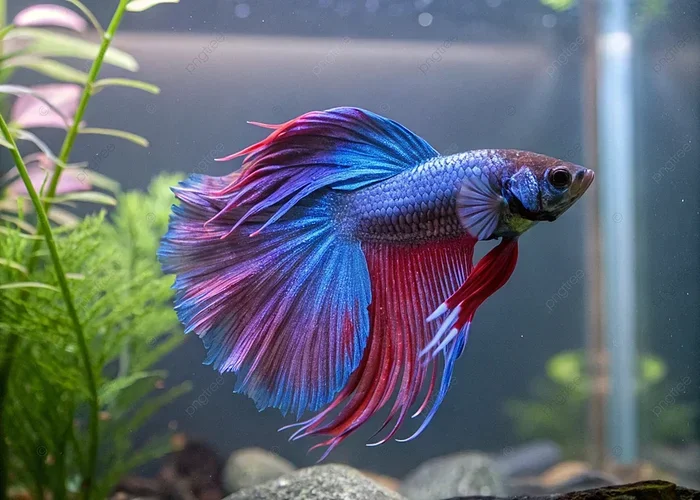
The crowntail betta is one of the most popular betta fish varieties. Its name comes from the unique fin rays that extend beyond the webbing, creating a spiky, crown-like appearance. This breed was developed through selective breeding and has become a favorite among hobbyists worldwide.
What Makes Crowntail Bettas Special
Crowntail bettas stand out because of their dramatic fins and vibrant colors. They come in a wide range of shades, including red, blue, green, and even multicolor patterns. Their fins can be half-moon, over-half-moon, or super delta in shape, and each variation adds to their visual appeal.
Beyond looks, male crowntail bettas have a strong personality. They are known to flare their gills and fins when they see their reflection or a rival. This behavior is natural and fascinating to watch, but it can also cause stress if the fish is constantly provoked.
How Long Do Crowntail Betta Fish Live Compared to Other Betta Varieties?
The average lifespan of a crowntail betta is similar to other betta varieties. Most male bettas live between 2 and 4 years. The crowntail’s long fins do not inherently shorten its life, but they do require extra attention. For example, fin nipping from tank mates or rough decorations can lead to infections that impact overall health.
If you want a deeper dive into betta lifespans in general, you can read our full guide on how long do betta fish live.
How Long Do Male Crowntail Betta Fish Live?
This is the central question, and the answer is more nuanced than a single number. The average male crowntail betta lifespan ranges from 2 to 4 years. However, some well-cared-for individuals have been documented living up to 5 years or slightly more.
Factors That Influence Lifespan
Several key factors determine how long your crowntail betta will live. Let us break them down:
- Genetics: Fish from reputable breeders tend to have stronger genetics. A healthy genetic foundation means a better immune system and fewer inherited health issues.
- Tank Environment: A clean, properly cycled tank with stable parameters reduces stress and prevents disease.
- Diet: Nutrition plays a huge role. A varied diet keeps the immune system strong and supports vibrant fins.
- Water Quality: Ammonia and nitrite levels must stay at zero. Nitrate should remain below 20 ppm.
- Stress Levels: Constant stress weakens the immune system and accelerates aging.
The Role of Tank Size in Betta Longevity
Many people keep bettas in tiny bowls, believing they are happy in small spaces. This is a common misconception. A male crowntail betta fish needs room to swim and explore. A 5-gallon tank is the minimum recommended size. Tanks of 10 gallons or more are even better because they provide more stable water conditions.
Interestingly, the lifespan of a betta in a small, unfiltered bowl is often shorter than one kept in a properly maintained tank. You can learn more about how tank size impacts betta health in our article on how long do betta fish live in a 5 gallon tank.
Setting Up the Ideal Tank for a Long Lifespan
Creating the right environment is the single most important thing you can do to extend your crowntail betta’s life. A well-designed tank mimics the warm, slow-moving waters of Southeast Asia, where bettas naturally live.
Tank Size and Setup
A 5-gallon tank is the sweet spot for a single male crowntail betta. Here is a quick setup checklist:
- Choose a tank with a minimum capacity of 5 gallons.
- Install a gentle heater to maintain a temperature between 76°F and 82°F.
- Add a sponge filter for biological filtration without strong currents.
- Include soft-leaved plants and hiding spots to reduce stress.
- Use a fine gravel or sand substrate to protect delicate fins.
Water Parameters and Cycling
Before adding your betta, the tank must be fully cycled. Cycling establishes beneficial bacteria that break down harmful waste. This process typically takes 4 to 6 weeks. Never add a crowntail betta to an uncycled tank, as ammonia spikes can be fatal within hours.
Key water parameters for a healthy betta include:
- Temperature: 76°F to 82°F
- pH: 6.5 to 7.5
- Ammonia: 0 ppm
- Nitrite: 0 ppm
- Nitrate: Below 20 ppm
Regular water changes of 25% to 30% per week help maintain these parameters. Use a gravel vacuum during water changes to remove debris from the substrate.
Why Water Quality Directly Affects Lifespan
Poor water quality is the number one killer of pet bettas. Ammonia and nitrite burn the gills and skin, making fish vulnerable to infections. Over time, chronic exposure to these toxins shortens a betta’s life significantly. Keeping the water clean and stable is the best investment you can make in your fish’s future.
Diet and Nutrition for a Healthy Crowntail Betta
Feeding your crowntail betta the right food is essential for a long, vibrant life. In the wild, bettas are insectivores. They eat small insects, larvae, and tiny crustaceans. Replicating this diet in captivity goes a long way toward supporting their health.
Best Foods for Male Crowntail Bettas
A high-quality betta pellet should form the foundation of your fish’s diet. Look for pellets with a protein content of at least 35% and minimal fillers. Some excellent options include:
- Hikari Betta Bio-Gold pellets
- Fluval Bug Bites Tropical Fish Food
- Omega One Betta Buffet
In addition to pellets, offer variety with frozen or live foods such as bloodworms, brine shrimp, and daphnia. These treats provide essential nutrients and stimulate natural hunting behavior. Feed treats 2 to 3 times per week, not daily.
Feeding Schedule and Portion Control
Overfeeding is one of the most common mistakes betta owners make. Excess food decays in the tank, fouling the water and spiking ammonia levels. Feed your crowntail betta 2 to 3 pellets twice a day, or an amount roughly equal to the size of its eyeball.
If you are wondering whether skipping meals occasionally is harmful, check out our article on how long can a betta fish live without food.
How Diet Impacts the Crowntail Betta Lifespan
A well-fed betta with a balanced diet will have a stronger immune system, brighter colors, and more energy. Malnutrition leads to a weakened immune system, making the fish susceptible to diseases like ich and fin rot. On the other hand, overfeeding leads to obesity, which puts strain on internal organs and shortens life.
Common Health Issues That Shorten Betta Lifespan
Even with the best care, male crowntail bettas can face health problems. Knowing the signs early can make a huge difference in outcomes.
Fin Rot and Fin Damage
Fin rot is a bacterial infection that causes fins to fray and disintegrate. It often starts at the edges and works inward. Poor water quality is the most common cause. Treating fin rot early with aquarium salt or appropriate medication can save the fish’s fins and prevent systemic infection.
Ich (White Spot Disease)
Ich is a parasitic disease that appears as tiny white spots on the body and fins. It spreads quickly in stressed or poorly maintained tanks. Raising the temperature gradually to 82°F and treating with ich medication can eliminate the parasite.
Swim Bladder Disorder
Swim bladder issues cause bettas to float upside down or struggle to maintain balance. This condition is often linked to overfeeding or constipation. Feeding peas (with the skin removed) can help relieve constipation in some cases.
How to Prevent Diseases and Promote Longevity
Prevention is always better than cure. Here are the top strategies:
- Perform regular water changes every week.
- Test water parameters at least twice a month.
- Quarantine new fish before adding them to the main tank.
- Avoid overfeeding and remove uneaten food promptly.
- Provide enrichment with plants and gentle décor.
If you want to understand more about how long your betta can survive in different scenarios, you might find our article on how long do male betta fish live helpful for broader context.
Signs of a Healthy, Long-Lived Crowntail Betta
Knowing what a healthy crowntail betta looks like helps you catch problems early. A thriving betta displays several positive signs:
- Vibrant Colors: Bright, vivid fin colors indicate good health and proper nutrition.
- Intact Fins: Smooth, flowing fins without tears or white edges signal a clean environment.
- Active Swimming: A healthy betta explores the tank and responds to its surroundings.
- Good Appetite: Eating eagerly at feeding time shows normal digestive function.
- Upright Fins: Fins held open and relaxed, not clamped against the body.
If you notice any of the following warning signs, act quickly:
- Fins clamped tightly against the body
- Loss of color or pale patches
- Refusing food for more than two days
- Labored breathing or gasping at the surface
- White spots, redness, or unusual growths
Catching these signs early and addressing the underlying cause can add months or even years to your betta’s life.
Expert Tips to Maximize Your Crowntail Betta’s Lifespan
Experienced betta keepers follow a few proven practices that set their fish up for long, happy lives. Here are some expert tips you can start using today:
1. Keep the Tank Stress-Free
Stress is a silent killer. Avoid placing the tank in high-traffic areas where loud noises or constant vibrations startle your fish. Also, never house a male crowntail betta with another male betta. They will fight, and injuries often lead to infections or death.
2. Maintain a Consistent Routine
Bettas thrive on consistency. Feed them at the same times each day, perform water changes on a regular schedule, and keep the tank lights on a predictable cycle. Stability in the environment reduces stress and supports the immune system.
3. Invest in a Good Filter and Heater
A sponge filter provides gentle mechanical and biological filtration without creating strong currents that stress a betta. A reliable heater keeps the temperature stable within the ideal range. These two pieces of equipment alone can significantly extend your betta’s life.
4. Observe Your Fish Daily
Spend a few minutes each day watching your betta. You will quickly learn what is normal for your fish and notice changes early. Daily observation is one of the simplest and most effective ways to protect your investment in your fish’s health.
5. Source from Reputable Breeders
A crowntail betta from a reputable breeder is more likely to have strong genetics and fewer health issues than one from a large pet store. Many breeders also raise their fish in better conditions, which gives them a healthier start in life.
Conclusion
So, how long do male crowntail betta fish live? With proper care, the answer is typically 2 to 4 years, and sometimes even longer. The crowntail betta lifespan is directly tied to the environment you provide, the food you offer, and the attention you give. A well-maintained 5-gallon tank, a balanced diet, clean water, and a stress-free home are the pillars of a long, healthy life for your betta.
By following the tips and guidelines in this article, you are giving your male crowntail betta the best possible chance to thrive. Remember, every fish is an individual, and some simply live longer than others. What matters most is that you give your fish the best care you can. The reward is years of beauty, personality, and companionship from one of the most captivating fish in the hobby.
Take what you have learned here, apply it consistently, and enjoy watching your crowntail betta flourish.
Frequently Asked Questions
What is the average lifespan of a male crowntail betta fish?
The average lifespan of a male crowntail betta is 2 to 4 years. With excellent care, some individuals can reach 5 years or slightly more. Genetics, tank conditions, diet, and water quality all play a role in determining exactly how long your fish will live.
Can a male crowntail betta live longer than 5 years?
While rare, some male crowntail bettas have been reported to live beyond 5 years. This usually happens when the fish is kept in a well-maintained tank, fed a high-quality and varied diet, and free from chronic stress. Sourcing from a reputable breeder also increases the chances of a longer life.
Why do male crowntail bettas have shorter lifespans in pet stores?
Pet store conditions often involve small bowls, poor water quality, and inconsistent feeding. These stressful environments weaken the fish’s immune system and shorten its lifespan. Additionally, bettas in pet stores may already have underlying health issues from breeding facilities that prioritize appearance over health.
Does tank size really affect how long a crowntail betta lives?
Yes, tank size has a significant impact. A 5-gallon tank or larger provides more stable water parameters, better filtration, and more swimming space. Small bowls and containers lead to rapid buildup of toxins, which directly shortens a betta’s life.
What is the most common cause of early death in male crowntail bettas?
Poor water quality is the most common cause of early death in male crowntail bettas. Ammonia and nitrite poisoning from an uncycled or neglected tank can be fatal within days. Overfeeding, improper temperature, and untreated diseases also contribute significantly to shortened lifespans.
How can I tell if my crowntail betta is aging?
Signs of aging in a crowntail betta include faded colors, slower movement, reduced appetite, and fin degradation. While some aging is natural, sudden changes in behavior or appearance often signal an underlying health issue that needs prompt attention.
=== INTERNAL LINKS USED ===