How Do You Know If Betta Fish Is Sick

Knowing how do you know if betta fish is sick starts with watching for key symptoms like appetite loss, color fading, lethargy, and unusual behavior. This guide covers the most common signs of illness, diseases, and environmental causes so you can act fast and save your fish.
Watching your betta fish act strangely can be scary. You might wonder, how do you know if betta fish is sick? The truth is, betta fish give you plenty of warning signs before things get serious. Changes in appetite, color, energy level, and swimming patterns all tell a story. If you pay close attention, you can catch problems early and give your fish the best chance at a full recovery.
Betta fish are hardy creatures, but they are not invincible. Like any pet, they can fall ill. The good news? Most common betta illnesses are treatable if you spot them in time. This guide walks you through every sign, symptom, and solution you need to know. Whether you are a first-time fish owner or a seasoned hobbyist, you will find practical advice here.
Key Takeaways
- Behavior changes are the first clue: If your betta stops eating, hides, or becomes unusually inactive, something is wrong.
- Physical symptoms matter: Faded colors, clamped fins, swollen body, and rapid breathing are clear warning signs.
- Water quality is a leading cause: Poor tank conditions often trigger illness before any disease sets in.
- Common diseases have distinct signs: Fin rot, ich, and swim bladder disease each show unique symptoms you can identify.
- Early action leads to better outcomes: The faster you respond to warning signs, the better your betta’s chances of recovery.
- Prevention is always better than treatment: Regular tank maintenance and proper feeding keep most illnesses away.
📑 Table of Contents
Common Signs Your Betta Fish Is Sick
The easiest way to answer how do you know if betta fish is sick is to watch for changes. Bettas cannot tell us when they feel unwell. But their bodies and behavior send clear signals. Learning these signs is the first step toward becoming a better fish parent.
Loss of Appetite
A healthy betta fish has a strong appetite. If your fish ignores food or spits it out repeatedly, pay attention. Skipping one meal occasionally is normal. But refusing food for more than two days is a red flag. Appetite loss often signals stress, poor water quality, or an underlying illness.
Lethargy and Low Energy
Bettas are curious fish. They explore their tank, build bubble nests, and respond to movement around them. If your betta suddenly becomes very still, stays at the bottom of the tank, or shows no interest in anything, this is lethargy. A sick betta fish often conserves energy by moving very little. Compare this to normal betta behavior, and the difference is obvious.
Color Fading
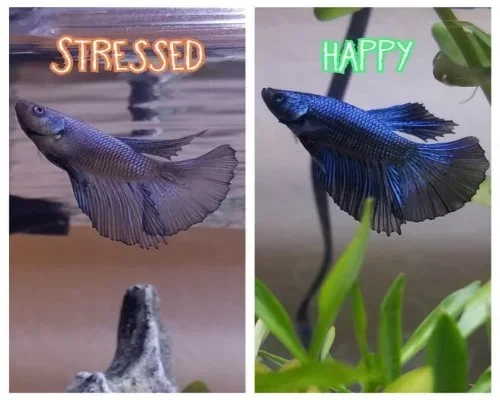
One of the most visible signs of a sick betta is color fading. A healthy betta displays vibrant reds, blues, and greens. When illness strikes, colors often dull. Your fish may look pale, washed out, or develop white patches. Color changes happen gradually, so regular observation helps you notice them early.
Clamped Fins
If your betta holds its fins close to its body instead of spreading them out, this is called clamped fins. It is one of the most common signs of discomfort. Healthy bettas flare their fins proudly. Clamped fins suggest pain, stress, or infection. This symptom alone does not diagnose a specific disease, but it tells you something is wrong.
Behavioral Changes That Signal Illness
Understanding betta fish behavior changes is essential for early detection. Fish cannot speak, so behavior is their only way of communicating distress. By learning what normal looks like, you can quickly spot what is abnormal.
Swimming Patterns
Watch how your betta moves through the water. A healthy betta swims smoothly and confidently. Sick bettas may swim erratically, tilt to one side, or struggle to stay upright. Some fish sink to the bottom and cannot rise. Others float at the surface without control. These swimming problems often point to swim bladder disease or neurological issues.
Hiding and Avoidance
Bettas are not shy fish by nature. They like to claim territory and interact with their surroundings. If your betta suddenly hides behind decorations or avoids the open areas of the tank, take note. Hiding is a stress response. It can result from bullying, bright lights, poor water conditions, or illness.
Flaring More Than Usual
Flaring is normal behavior for bettas. They flare when they see their reflection or feel threatened. But constant, excessive flaring without a clear trigger can signal stress. Chronic stress weakens the immune system and makes your betta vulnerable to disease. If flaring becomes nonstop, investigate the cause.
Gasping at the Surface
If your betta repeatedly gulps air at the top of the tank, this is gasping. It usually means the water has low oxygen levels or high ammonia. Gasping is a serious sign that should not be ignored. Check your water parameters immediately. This behavior often accompanies other symptoms of a sick betta.
Physical Symptoms to Watch For
Beyond behavior, your betta’s physical appearance reveals a lot about its health. Regular visual checks help you catch problems before they worsen. Here are the most important physical symptoms to look for.
White Spots or Patches
White spots on the body or fins are a classic sign of ich, also called white spot disease. Ich is extremely common in freshwater aquariums. The spots look like grains of salt stuck to the fish. Ich spreads quickly and is highly contagious. Fortunately, it is also treatable with proper medication and temperature adjustments.
Red or Inflamed Fins
Fin rot causes redness, fraying, and inflammation along the fins and tail. It is one of the most common betta diseases. Fin rot happens when bacteria or fungi infect damaged fins. Poor water quality is the leading cause. If left untreated, fin rot can eat away at the tail and reach the body. Early treatment with clean water and medication usually works well.
Swollen or Bloated Body
A swollen belly in a betta fish is never a good sign. It can indicate dropsy, a serious condition where fluid builds up inside the body. Other causes of bloating include overfeeding and constipation. Dropsy is often fatal, but catching it early improves the odds. Look for scales that stick out like a pinecone. That is a clear sign of dropsy.
Rapid or Labored Breathing
If your betta breathes very fast or seems to struggle for air, check the water quality first. High ammonia or nitrite levels make it hard for fish to breathe. Infections that affect the gills also cause rapid breathing. This symptom often accompanies other signs of illness, so observe your fish closely.
Common Betta Fish Diseases and Their Symptoms
Knowing the specific diseases helps you choose the right treatment. Here are the most common illnesses that affect betta fish, along with their key symptoms.
Fin Rot
Fin rot starts with ragged, discolored fins. The edges may look white, brown, or red. As it progresses, fins shorten and decay. Bacteria cause most cases of fin rot. Fungi can also be responsible. Treatment involves improving water quality, performing regular water changes, and using antibacterial medication if needed.
Ich (White Spot Disease)
Ich appears as tiny white dots all over the body and fins. Infected fish scratch against decorations and seem irritated. Ich thrives in stressed fish with weakened immune systems. Raising the tank temperature slowly to 80 degrees Fahrenheit helps speed up the ich life cycle. Medications containing formalin or malachite green are effective treatments.
Swim Bladder Disease
The swim bladder controls buoyancy. When it malfunctions, the fish cannot swim properly. Symptoms include floating upside down, sinking to the bottom, or swimming lopsided. Overfeeding, constipation, and sudden temperature changes can trigger swim bladder issues. Feeding blanched peas and reducing food portions often helps. In most cases, swim bladder disease is treatable.
Fungal Infections
Fungal infections look like cotton-like growths on the skin or fins. They are usually white or grayish. Fungus attacks fish that are already weakened by injury or poor water conditions. Antifungal medications work well when applied early. Keeping the tank clean prevents most fungal outbreaks.
Parasitic Infections
Internal and external parasites cause a range of symptoms. These include weight loss, white stringy feces, scratching against objects, and visible worms on the body. Parasites spread easily in shared tanks. Quarantining new fish before adding them to your main tank is the best prevention strategy.
How to Check Your Betta Fish’s Environment
Before jumping to disease conclusions, always check the environment first. Many symptoms of a sick betta fish actually stem from poor living conditions. A healthy tank prevents most illnesses.
Test the Water Parameters
Use a liquid test kit to check ammonia, nitrite, nitrate, and pH levels. Ammonia and nitrite should always read zero. Nitrates should stay below 20 parts per million. pH should remain between 6.5 and 7.5. Testing the water regularly takes only a few minutes but prevents many health problems.
Check the Temperature
Bettas need warm water to stay healthy. The ideal range is 78 to 80 degrees Fahrenheit. Water that is too cold slows the immune system. Water that is too hot reduces oxygen levels. Use a reliable aquarium heater and thermometer to maintain stable temperatures.
Evaluate Tank Size and Cleanliness
A tank that is too small creates stress and allows toxins to build up quickly. A minimum of 5 gallons is recommended for a single betta. Regular water changes, about 25 percent every week, keep the environment clean. Remove uneaten food and debris during each cleaning session.
Assess Tank Mates and Decorations
Bettas can be territorial. Aggressive tank mates cause chronic stress. Sharp or rough decorations can injure fins and invite infection. Choose smooth plants and gentle companions. If you are unsure about compatibility, a solo betta in a planted tank is a great setup.
What to Do When You Notice Warning Signs
Spotting the signs is only half the battle. The next step is taking action. Here is a practical plan to follow when you think your betta fish might be sick.
Step 1: Isolate the Fish if Needed
If you have a community tank, move the sick betta to a quarantine tank. This prevents the spread of disease to other fish. A simple hospital tank with a sponge filter works perfectly. Keep the water parameters stable and similar to the main tank.
Step 2: Perform a Water Change
Even if the illness is not caused by water quality, a fresh water change always helps. Replace 25 to 50 percent of the tank water with treated, temperature-matched water. This reduces toxins and provides immediate relief to a stressed fish.
Step 3: Identify the Problem
Compare your betta’s symptoms to the disease descriptions above. Look for patterns. Is it a physical issue like fin rot or ich? Is it a behavioral issue like lethargy or gasping? Correct identification leads to the right treatment.
Step 4: Apply Treatment
Use medication appropriate to the diagnosed condition. Follow dosage instructions carefully. Do not overdose. Some treatments require removing carbon from the filter during the medication period. Always read the product label before use.
Step 5: Monitor Progress Closely
Watch your betta closely for the next several days. Look for improvements in appetite, color, and activity level. If symptoms worsen, consider adjusting the treatment or consulting an aquatic veterinarian. Patience is key. Recovery takes time.
For more guidance on helping a sick betta, check out our article on how to help a betta fish that is sick. It provides additional treatment tips and care strategies.
Prevention: Keeping Your Betta Fish Healthy
The best medicine is prevention. A well-maintained tank and proper care routine keep most illnesses at bay. Here are simple habits that make a big difference.
- Perform regular water changes every week to keep toxins low.
- Feed a balanced diet of high-quality pellets and occasional treats like bloodworms or brine shrimp.
- Avoid overfeeding. Feed only what your betta can eat in two minutes, twice a day.
- Keep the tank temperature stable between 78 and 80 degrees Fahrenheit.
- Quarantine new fish for at least two weeks before introducing them to your main tank.
- Observe your betta daily. A few minutes of watching each day helps you catch changes early.
- Maintain a clean filter. Rinse filter media in old tank water during water changes to preserve beneficial bacteria.
If your betta stops eating and you are worried, our article on what to do if my betta fish won’t eat offers helpful troubleshooting steps. Also, understanding the difference between a sick betta and a dying betta is important. Visit how do you know if your betta fish is dying for more information on late-stage symptoms.
Taking care of a betta fish is a rewarding experience. These beautiful creatures bring color and life to any room. By staying attentive and proactive, you can enjoy your betta’s company for years. Remember, a happy betta is a healthy betta.
Understanding how do you know if betta fish is sick empowers you to be the best owner possible. You do not need a degree in marine biology. You just need patience, observation, and a willingness to act. Trust your instincts. You know your fish better than anyone. If something looks off, it probably is. Take action early, and your betta will thank you with vibrant colors and energetic swimming.
Frequently Asked Questions
How quickly do betta fish show signs of illness?
Most betta fish show signs of illness within a few days to a week after being exposed to poor conditions or pathogens. Some diseases like ich develop faster, appearing within 3 to 5 days. Regular daily observation helps you catch symptoms early.
Can a sick betta fish recover on its own?
Mild cases of stress or minor fin damage may heal on their own if water conditions improve. However, most diseases require treatment. Waiting too long to act can make recovery much harder or even impossible. Always monitor symptoms closely.
Is it safe to treat a sick betta with over-the-counter medication?
Yes, most aquarium medications available at pet stores are safe when used as directed. Always follow the dosage instructions carefully. If you are unsure which medication to use, take a photo of the symptoms and consult with a fish store expert or aquatic veterinarian.
What is the most common reason betta fish get sick?
Poor water quality is the number one cause of illness in betta fish. High ammonia, nitrite levels, and temperature fluctuations weaken the immune system. Overfeeding and overcrowding also contribute significantly to health problems.
Should I change all the water if my betta is sick?
No. Never change all the water at once. A complete water change removes beneficial bacteria and shocks the fish. Stick to 25 to 50 percent water changes every few days. This keeps the environment stable while improving water quality.
How can I tell the difference between a betta fish that is sleeping and one that is sick?
A sleeping betta may rest near the bottom or on a leaf, but it will become active again with gentle stimulation or feeding time. A sick betta shows persistent lethargy, loss of appetite, and abnormal color or fins even after several hours of being awake.
=== CONCLUSION ===
Learning how do you know if betta fish is sick is one of the most important skills any betta owner can develop. From appetite loss and color fading to clamped fins and erratic swimming, the signs are there if you know what to look for. Early detection, prompt treatment, and a clean environment give your betta the best chance at a long, healthy life. Stay observant, act quickly, and enjoy the rewarding bond you share with your fish.