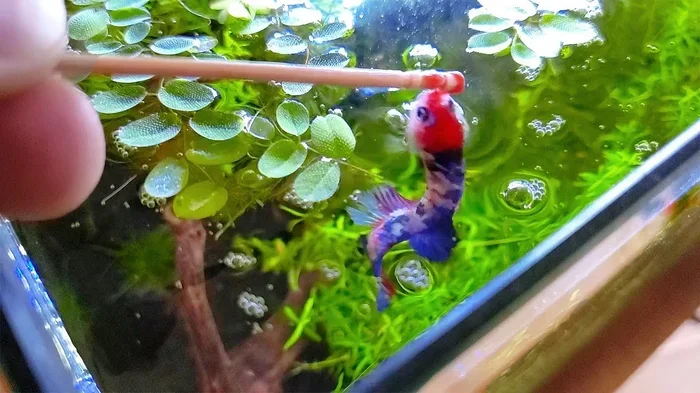
What Causes Ich in Betta Fish
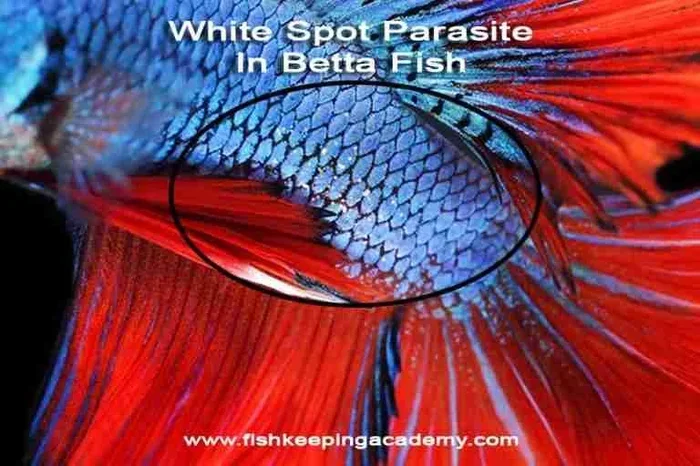
What causes ich in betta fish? The primary culprits include stress, poor water quality, temperature fluctuations, and exposure to infected tank mates. This common white spot disease can be deadly if ignored, but it is also highly preventable with proper betta fish care and consistent tank maintenance.
If you have ever noticed tiny white spots on your betta fish, you already know how alarming it can be. That fuzzy, salt-like coating on the fins and body is ich, one of the most common diseases affecting ornamental fish. Also known as white spot disease, ich is caused by a tiny parasite called Ichthyophthirius multifiliis. While it sounds scary, understanding what causes ich in betta fish can help you prevent and treat it effectively.
Many new betta owners panic when they see those little white dots. But here is the good news: ich is manageable if you act quickly. The real question is not just how to treat it, but what causes ich in betta fish in the first place. Once you understand the root causes, you can protect your fish from future outbreaks. This guide breaks down every major cause, shares practical prevention tips, and gives you clear steps to keep your betta healthy and happy.
Key Takeaways
- Stress is the #1 trigger: Poor conditions weaken your betta’s immune system, making it vulnerable to ich.
- Water quality matters enormously: Dirty or unstable water creates the perfect environment for the ich parasite to thrive.
- Temperature swings are dangerous: Sudden drops in tank temperature can trigger an ich outbreak in your betta.
- Infected tank mates spread disease: Adding new fish without quarantine is a leading cause of ich in betta tanks.
- Early detection saves lives: Catching white spots early gives you a much better chance of successful treatment.
- Prevention beats treatment: Consistent maintenance and stress reduction keep ich far away from your betta.
📑 Table of Contents
What Is Ich and Why Does It Affect Betta Fish?
Ich is a parasitic infection that attacks the skin, gills, and fins of freshwater fish. The parasite burrows into the outer layer of skin, feeding on cells and fluids. This causes the characteristic white cysts that look like grains of salt or sugar scattered across the body. Every betta fish owner should understand how this parasite works because knowledge is your first line of defense.
Betta fish are particularly susceptible to ich because of their delicate fins and their sensitivity to environmental changes. Unlike some hardy species, bettas thrive in stable, warm water conditions. When those conditions shift even slightly, their fish immune system weakens. A weakened immune system gives the ich parasite the perfect opportunity to attach and multiply. This is why betta fish health depends so heavily on consistent tank maintenance.
The ich lifecycle has three stages. First, the parasite feeds on your fish. Second, it drops off and reproduces on surfaces in the tank. Third, new parasites are released into the water to find a new host. This cycle moves fast, which is why early intervention is so important. Understanding the ich lifecycle helps you know when to act and what to target during treatment.
Top Causes of Ich in Betta Fish
Several factors can trigger an ich outbreak. Most of these causes are tied to the environment and care practices in your aquarium. Let us look at each one in detail.
Stress Weakens the Immune System
Stress is the single biggest cause of ich in betta fish. When a betta is stressed, its body produces cortisol, a hormone that suppresses the immune response. A fish with a suppressed immune system cannot fight off parasites like ich. But what causes stress in bettas? Here are the most common triggers:
- Overcrowded tanks: Too many fish in a small space creates tension and aggression.
- Bullying tank mates: Fin-nipping fish or aggressive species can harass your betta constantly.
- Sudden changes in routine: Moving the tank, changing the lighting schedule, or tapping on the glass all cause stress.
- Poor hiding spots: Bettas need places to retreat. Without them, they feel exposed and anxious.
Think of stress like a slow leak in a tire. You might not notice it at first, but eventually it causes real problems. Keeping your betta calm and comfortable is one of the best ways to prevent ich.
Poor Water Quality
Dirty water is a breeding ground for disease. When ammonia and nitrite levels rise in a tank, the fish becomes chemically stressed. This kind of stress opens the door for parasites. Water quality is the foundation of tropical fish health, and neglecting it is a direct path to ich.
Here is what poor water quality looks like in a betta tank:
- Cloudy or murky water
- A strong ammonia smell
- Green algae blooms
- Elevated nitrate readings above 20 ppm
- Low pH or unstable pH swings
Regular water changes are essential. Aim for 25 to 30 percent water changes every week. Use a gravel vacuum to remove debris from the substrate. Test your water parameters frequently with a reliable liquid test kit. Clean water keeps parasites at bay and supports a strong immune system in your betta.
Temperature Fluctuations and Shock
Betta fish are tropical fish. They need warm, stable water temperatures between 76 and 82 degrees Fahrenheit. When the temperature drops too low or fluctuates wildly, the fish becomes vulnerable to disease. Temperature shock is one of the most overlooked causes of ich in betta fish.
Several things can cause temperature swings:
- Placing the tank near a window with direct sunlight
- Using a heater that is too weak or malfunctioning
- Room temperature changes during seasonal shifts
- Adding cold water during a water change without matching the temperature
If you want to learn more about the ideal temperature range for your betta, check out our guide on what temperature should a betta fish tank be in Celsius. Maintaining a steady, warm temperature is one of the simplest ways to prevent ich and other diseases.
Introducing Infected Tank Mates
Adding new fish to your betta tank without quarantine is a major risk factor. The ich parasite can hide on new fish for days before showing symptoms. Once introduced, it spreads rapidly through the tank. This is why quarantine is such an important practice in fish keeping.
When choosing tank mates for your betta, always observe new fish in a separate tank for at least two weeks. Look for any signs of white spots, clamped fins, or unusual behavior. If you notice anything suspicious, treat the new fish before introducing it to your main display. This simple step prevents the spread of ich and many other diseases.
Not sure which fish are safe to keep with bettas? Our article on what can go in with betta fish provides detailed guidance on compatible tank mates and how to introduce them safely.
Using Unconditioned or Contaminated Water
Tap water contains chlorine and chloramine, both of which are harmful to betta fish. These chemicals damage the gills and skin, making your fish more susceptible to parasites. Using untreated tap water during water changes weakens your betta’s natural defenses over time.
Many beginners also make the mistake of using water from unknown sources. Bottled spring water, well water, and water from other aquariums can all carry parasites and bacteria. Always use treated, conditioned water that matches your tank parameters. If you are unsure about your water source, read our article on could a betta fish live in tap water for expert advice on safe water practices.
Hard Water and Mineral Imbalances
Some betta fish live in tanks with very hard water. While bettas can tolerate a range of water hardness, extremely hard water can stress their systems over time. Mineral imbalances affect the osmoregulation process, which is how fish regulate their internal salt and water balance. When this process is disrupted, the fish becomes more vulnerable to infections and parasites like ich.
If you suspect your water hardness is causing problems, consider testing your water for general hardness (GH) and carbonate hardness (KH). Adjustments can be made using water softeners or specific mineral supplements. Keeping these parameters balanced supports overall betta fish health and reduces the risk of disease outbreaks.
How to Prevent Ich in Your Betta Fish Tank
Prevention is always better than cure. The good news is that preventing ich is straightforward if you follow consistent practices. Here are the most effective strategies every betta owner should adopt.
Maintain Stable Water Parameters
Test your water at least once a week. Keep ammonia and nitrite at zero, nitrates below 20 ppm, and pH between 6.5 and 7.5. Stable parameters mean a stable environment, which means a healthy, resilient fish. Invest in a good liquid test kit rather than test strips, as they are more accurate and reliable.
Keep the Tank Warm and Consistent
Use a reliable aquarium heater with a thermostat. Bettas need consistent warmth to stay healthy. Avoid placing the tank near drafty windows, air conditioning vents, or doors that open frequently. A stable temperature reduces stress and strengthens the immune system.
Quarantine All New Additions
Always keep new fish, plants, or decorations in a separate quarantine tank for at least two weeks before adding them to your main tank. This practice stops the spread of ich and other hidden diseases. It is one of the most important habits you can build as a fish keeper.
Feed a Nutritious Diet
A well-fed betta is a healthy betta. Offer a varied diet that includes high-quality pellets, frozen bloodworms, brine shrimp, and daphnia. Good nutrition supports a strong immune system, which is your fish’s best weapon against parasites. You can also learn about what bettas eat in their natural habitat in our article on what do betta fish eat in the wild.
Reduce Tank Stressors
Keep the tank environment calm. Avoid loud noises near the tank, sudden lighting changes, and aggressive tank mates. Provide plenty of plants and hiding spots. A stress-free betta is far less likely to develop ich or any other disease.
How to Treat Ich When It Strikes
Even with the best prevention, ich can sometimes still appear. When it does, quick action makes all the difference. Here is a step-by-step approach to treating ich in your betta fish.
Step 1: Raise the Temperature Gradually
Increase the tank temperature to about 82 degrees Fahrenheit. The warmer water speeds up the ich parasite lifecycle, causing it to detach from the fish faster. However, raise the temperature slowly no more than 2 degrees per day to avoid shocking your betta.
Step 2: Add Aquarium Salt
Aquarium salt (sodium chloride) helps treat ich by disrupting the parasite’s osmotic balance. Add one teaspoon of aquarium salt per gallon of water. Make sure you use pure aquarium salt, not table salt, which contains harmful additives.
Step 3: Improve Water Quality
Perform a 25 percent water change before starting treatment. Clean water gives your betta the best chance of recovering. Continue with regular water changes throughout the treatment period.
Step 4: Monitor Your Fish Closely
Watch for improvement within 5 to 7 days. The white spots should begin to disappear as the parasites die off. If there is no improvement, consider a commercial ich medication. Always follow the dosage instructions carefully and remove any carbon filter media during treatment, as it can absorb the medication.
Common Mistakes Bettas Owners Make with Ich
Even experienced fish keepers sometimes make mistakes when dealing with ich. Here are the most common errors to avoid.
- Waiting too long to act: Ich spreads fast. The longer you wait, the harder it is to treat.
- Using the wrong medication: Not all fish medications are safe for bettas. Always check that a product is betta-safe before use.
- Raising the temperature too quickly: Sudden temperature changes cause more stress than they cure.
- Ignoring water quality: Medication alone will not work if the water parameters are poor.
- Skipping quarantine: Reintroducing an infected fish without treating it first just restarts the cycle.
Avoiding these mistakes puts you ahead of most betta owners. Prevention and prompt action are the keys to keeping your fish healthy.
Expert Insights on Ich Prevention
Veterinary aquatic specialists agree that the best approach to ich is a proactive one. Rather than waiting for an outbreak, focus on building a strong foundation of good husbandry. This means clean water, stable temperatures, low stress, and proper nutrition.
Dr. Jessie Sanders, a board-certified aquatic veterinarian, often emphasizes that “most fish diseases, including ich, are preventable.” He points out that the majority of outbreaks trace back to environmental stressors rather than the fish themselves. This insight reinforces the importance of tank conditions and consistent care routines in maintaining ornamental fish health.
Another expert tip is to observe your betta daily. Spend a few minutes each morning watching your fish’s behavior and appearance. Catching early warning signs, such as flashing against decorations or loss of appetite, gives you a head start on treatment before the white spots even appear.
Final Thoughts on Ich in Betta Fish
What causes ich in betta fish comes down to a combination of stress, water quality, temperature instability, and exposure to infected fish or contaminated water. The ich parasite is always present in most aquarium environments, but it only causes disease when conditions allow it to thrive. By maintaining clean water, stable temperatures, and a low-stress environment, you can keep your betta safe from outbreaks.
Remember that prevention is your strongest tool. Regular water changes, proper quarantine procedures, and a balanced diet go a long way in protecting your betta. If ich does appear, act quickly and follow the treatment steps outlined above. With patience and consistent care, your betta can make a full recovery.
Your betta fish deserves a healthy, comfortable home. By understanding the causes of ich and taking proactive steps, you are giving your fish the best possible life. Stay observant, stay consistent, and enjoy the beauty of a happy, healthy betta.
Frequently Asked Questions
Can ich go away on its own in betta fish?
In rare cases, a very healthy betta with a strong immune system might fight off a mild ich infection. However, relying on this is risky. The parasite can multiply quickly and overwhelm a fish before the immune system responds. It is always better to treat ich proactively rather than waiting and hoping it resolves on its own.
How long does it take for ich to show up after exposure?
The ich parasite typically takes 5 to 7 days to show visible white spots after initial exposure. However, the parasite can be present in the tank before symptoms appear. This is why quarantining new fish for two weeks is so important, as it gives time for hidden parasites to reveal themselves before they reach your main tank.
Is ich contagious to other fish in the tank?
Yes, ich is highly contagious. Once the parasite is released from an infected fish, it can quickly spread to all other fish in the same tank. This is why immediate treatment and isolation of infected fish are critical steps. If you have other fish with your betta, watch them closely for white spots as well.
Can ich survive without a fish host?
Yes, the ich parasite can survive in the water and on tank surfaces for several days without a host. During its free-swimming stage, it looks for a new fish to infect. This is why treating the entire tank, not just the infected fish, is essential for completely eliminating the parasite from your aquarium.
What temperature kills ich in a betta tank?
Raising the temperature to around 82 to 86 degrees Fahrenheit speeds up the ich lifecycle and weakens the parasite. However, this temperature range should only be used temporarily during treatment, as bettas can become stressed in water that is too warm for extended periods. Always raise the temperature gradually and monitor your fish closely.
Can I use medication for ich if my betta is in a planted tank?
Some ich medications can harm live plants and beneficial bacteria in your tank. Before adding any medication, remove activated carbon from your filter and consider the impact on plants. Natural treatments like aquarium salt and temperature increases are safer options for planted tanks. Always read product labels carefully and follow dosage instructions to protect your entire tank ecosystem.
=== CONCLUSION ===
What causes ich in betta fish comes down to stress, water quality, temperature instability, and exposure to infected fish or contaminated water sources. These factors weaken your betta’s immune system and create the perfect conditions for the ich parasite to thrive. The good news is that every one of these causes is within your control. With consistent water changes, stable temperatures, proper quarantine procedures, and a low-stress environment, you can prevent ich from ever becoming a problem in your tank.
Take action today. Check your water parameters, inspect your heater, and watch your betta for any early signs of trouble. A little prevention goes a long way in keeping your betta fish healthy, vibrant, and ich-free for years to come.