Is My Betta Fish Overweight
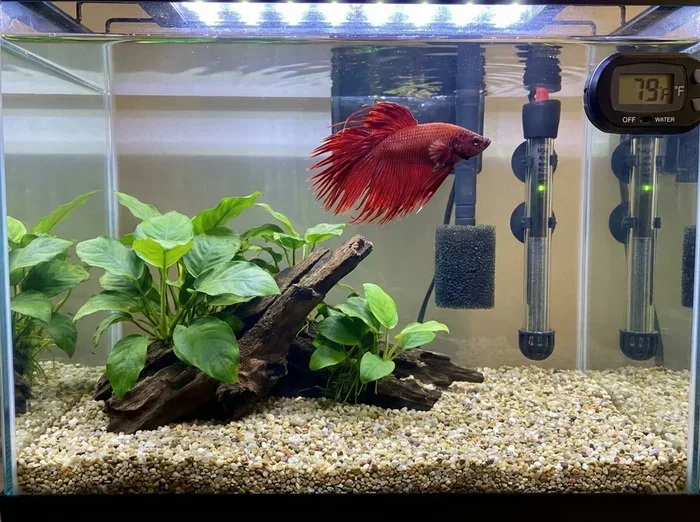
Is my betta fish overweight? Many fish owners don’t realize their bettas can carry extra weight. A healthy betta has a smooth, slightly rounded body, not a bloated or distorted shape. This guide covers the signs of an overweight betta, common causes, and practical steps to help your fish slim down and live a longer, happier life.
Have you ever stared at your betta fish and thought, is my betta fish overweight? It’s a question more owners ask than you might think. Bettas are small, colorful fish that bring joy to any room. But just like any pet, they can carry extra weight if their care isn’t spot-on.
A slightly rounded belly is normal for a betta. But when that roundness turns into something more, it’s time to pay attention. Betta fish obesity is a real issue that can lead to serious health problems. The good news? It’s almost always preventable and fixable with the right approach.
In this guide, we’ll walk through everything you need to know. From spotting the signs of an overweight betta to understanding what causes weight gain, you’ll find practical tips you can use today. We’ll also cover how to adjust your fish’s diet, create a better tank environment, and keep your betta at a healthy weight for years to come.
Key Takeaways
- Overweight bettas face real health risks: Excess weight can shorten your fish’s lifespan and lead to serious conditions.
- Look for visual clues: A round belly, difficulty swimming, and loss of color are common signs of an overweight betta.
- Overfeeding is the #1 cause: Feeding too much or too often is the most common reason bettas gain excess weight.
- Diet matters a lot: Switching to high-quality, varied food can make a big difference in your betta’s body condition.
- Exercise helps: Providing space and stimulation keeps your betta active and at a healthy weight.
- Small changes work: Adjusting feeding habits and tank setup can help your betta lose weight safely over time.
📑 Table of Contents
How to Tell If Your Betta Fish Is Overweight
It’s not always easy to tell if a betta fish is carrying extra weight. These fish are naturally plump, which makes it tricky to spot the difference between a healthy fish and an overweight one. But there are clear signs you can look for.
Check the Body Shape
A healthy betta has a smooth, slightly tapered body. When viewed from above, the body should narrow behind the head and fins. If your fish looks round like a marble or a ball, that’s a red flag. Betta fish body condition matters a lot. An overweight betta will look puffy all over, with no narrowing at the waist area.
Compare your fish to pictures of healthy bettas online. This gives you a baseline. If your fish looks noticeably rounder than what you see in those photos, it might be time to make changes.
Watch How Your Fish Swims
A healthy betta is an active swimmer. It moves gracefully through the water, exploring its tank and flaring its fins. If your fish is not active or struggles to swim, excess weight could be the cause.
Signs of a weight-related swimming problem include:
- Floating at the top of the tank without moving
- Sinking to the bottom and staying there
- Difficulty maintaining balance
- Drifting sideways or in circles
- Avoiding movement altogether
If you notice any of these behaviors, it’s worth investigating further. Why is my betta fish not active can have many causes, but obesity is one of the most common ones that owners overlook.
Look at the Color and Eyes
An overweight betta often shows changes in appearance beyond just body shape. The colors may fade or look dull. The eyes can appear slightly bulging due to fat deposits around the head area. If your fish is losing color and also looks rounder than usual, these two signs together point toward weight issues.
What Causes a Betta Fish to Gain Weight
Understanding the root causes of weight gain is the first step toward fixing the problem. Most of the time, the reasons are tied directly to how we care for our fish.
Overfeeding
This is the number one reason bettas get overweight. Bettas have tiny stomachs, about the size of their eye. Many owners don’t realize this and end up feeding too much. It’s easy to overdo it, especially when your fish begs for food with eager behavior.
Here’s what happens when you overfeed:
- Extra food sits in the tank and fouls the water
- The fish’s digestive system gets overloaded
- Fat builds up around the organs
- Weight gain happens slowly over weeks
A good rule of thumb is to feed your betta two to three small meals per day. Each meal should be no bigger than the fish’s eye. This keeps portions in check and mimics their natural eating patterns.
Low-Quality Food
Not all betta foods are created equal. Cheap flakes and pellets are often filled with fillers and fillers that offer little nutrition. Your fish eats more because it’s not getting the nutrients it needs. This leads to weight gain without proper nutrition, which is a double problem.
Look for high-quality betta pellets or frozen foods like bloodworms and brine shrimp. These are closer to what bettas eat in the wild and keep your fish at a healthy body weight.
Lack of Exercise
You might be surprised to learn that bettas need exercise too. In a small, bare tank with nothing to explore, a betta can become lazy. Without stimulation and space to swim, the fish burns very few calories. Over time, this sedentary lifestyle leads to weight gain.
Adding plants, caves, and open swimming areas to the tank encourages your betta to move around more. Even something as simple as a gentle filter current gives your fish a reason to swim against it.
Poor Water Conditions
Dirty water stresses fish out. Stressed bettas often eat more and move less. This combination quickly leads to weight gain. If your tank water is cloudy or the parameters are off, your fish’s overall health suffers, including its body condition.
Regular water changes and proper filtration keep the tank clean. Aim for a 25% water change every week. Test the water regularly for ammonia, nitrite, and nitrate levels.
Health Risks of an Overweight Betta Fish
Carrying extra weight isn’t just about looks. An overweight betta faces several serious health risks that can shorten its life significantly.
Swim Bladder Problems
The swim bladder controls your betta’s buoyancy. When a fish is overweight, fat deposits can press against the swim bladder. This leads to difficulty swimming, floating issues, and even the inability to stay upright. Why is my betta fish swimming sideways is a common search, and obesity is one of the top causes.
Organ Damage
Excess fat builds up around internal organs. Over time, this puts pressure on the liver, kidneys, and heart. A betta fish that is chronically overweight may develop organ failure, which is often fatal. This is why addressing weight issues early is so important.
Shortened Lifespan
A healthy betta can live three to five years, sometimes longer. An overweight betta often lives a shorter life. The strain on the body from excess weight wears down the immune system and makes the fish more vulnerable to disease.
If you’re worried your fish might be sick due to its weight, check out our guide on is my betta fish sick for more detailed information on spotting illness early.
Reduced Activity and Poor Quality of Life
An overweight betta simply doesn’t enjoy life as much. It becomes less curious, less playful, and less interactive. Part of what makes bettas such wonderful pets is their personality and energy. When weight drags that down, both you and your fish suffer.
How to Help Your Overweight Betta Lose Weight Safely
If you’ve confirmed that your fish is carrying extra weight, don’t panic. You can take steps right now to help your betta slim down safely. The key is to make gradual changes, not sudden ones.
Adjust the Feeding Schedule
Start by reducing the amount of food you give. Feed smaller portions, twice a day instead of three times. Skip one feeding day per week. This gives the digestive system a break and helps the body burn stored fat.
Many owners make the mistake of cutting food too drastically. This can stress your fish out. Aim for a slow, steady reduction over two to three weeks.
Switch to High-Quality Food
Upgrade your betta’s diet to a premium pellet food. Look for brands where fish protein is the first ingredient. Avoid fillers like corn and wheat. You can also add variety with frozen or live foods once or twice a week.
Here’s a simple weekly feeding plan:
- Monday: High-quality pellets, small portion
- Tuesday: Pellets and a few frozen bloodworms
- Wednesday: Small pellet portion only
- Thursday: Pellets and brine shrimp
- Friday: Small pellet portion only
- Saturday: Pellets with a treat of daphnia
- Sunday: No food (fasting day)
This rotation gives your betta balanced nutrition without excess calories. It also keeps mealtime interesting for your fish.
Increase Tank Enrichment
Make the tank more interesting so your betta moves around more. Add live plants, smooth rocks, and caves. These create natural obstacles and exploration opportunities. Your fish will swim more, which helps burn calories.
If your betta is hiding behind the filter and not moving much, that’s a sign it needs more stimulation. A well-decorated tank encourages natural behaviors and keeps your fish active.
Monitor Progress
Weighing a fish isn’t practical, but you can track progress visually. Take photos every week from the same angle. Over time, you should see the body shape become more streamlined. If your fish isn’t improving after two to three weeks, consider consulting a fish veterinarian.
Also, keep an eye on your fish’s appetite. If your betta is not eating during the weight loss plan, that’s a concern. A healthy weight loss plan should never cause your fish to stop eating entirely.
Common Mistakes That Lead to Overweight Bettas
Even experienced fish owners can make mistakes that lead to weight gain in their bettas. Being aware of these pitfalls helps you avoid them.
Feeding Too Many Treats
It’s tempting to give your betta extra treats like bloodworms or brine shrimp every day. These are high in fat and calories. Treats should make up no more than 10% of your fish’s diet. The rest should be a balanced staple food.
Using the Wrong Size Tank
Tiny tanks don’t give bettas enough room to swim. A fish that can barely move doesn’t burn calories. A 5-gallon tank is the minimum for a single betta. Larger tanks are even better for exercise and overall health.
Ignoring Feeding Schedules
Free-feeding, or leaving food in the tank all the time, is a recipe for disaster. Bettas will eat as long as food is available. Set specific feeding times and remove any uneaten food after five minutes.
Not Recognizing the Signs Early
Many owners don’t notice weight gain until it’s significant. Regular observation is key. Spend a few minutes each day watching your fish. Notice any changes in body shape, swimming patterns, or behavior. Early detection makes the weight loss process much easier.
Maintaining a Healthy Weight Long-Term
Helping your betta lose weight is only half the battle. Keeping it at a healthy weight requires ongoing effort and consistency.
Stick to a Routine
Feed at the same times every day. Use consistent portion sizes. Routine helps regulate your fish’s metabolism and prevents overeating.
Keep the Tank Clean
A clean tank supports a healthy metabolism. Regular water changes and proper filtration keep your betta feeling good and moving well. Poor water quality leads to stress, and stress leads to overeating.
Provide a Balanced Diet
Variety is key to good nutrition. Rotate between pellets, frozen foods, and occasional live foods. This ensures your betta gets all the vitamins and minerals it needs without excess calories.
If you’re ever unsure about your fish’s health, remember that why my betta fish is not moving can be a sign of multiple issues, including weight-related problems. Stay observant and act quickly when you notice changes.
A healthy betta is a happy betta. When your fish is at the right weight, you’ll see bright colors, active swimming, and a strong appetite. That’s the goal every betta owner should work toward.
When to Seek Professional Help
Sometimes, despite your best efforts, your betta’s weight issues might be caused by something deeper than overfeeding. If your fish isn’t improving after two weeks of diet and exercise changes, it’s time to seek help.
A fish veterinarian or experienced aquarist can examine your betta and rule out underlying conditions. Some health issues, like dropsy or tumors, can mimic the appearance of being overweight. Getting a proper diagnosis ensures you’re treating the right problem.
Also, if your betta shows signs of distress like labored breathing, visible lumps, or sudden behavior changes, don’t wait. Quick action can make all the difference in your fish’s recovery.
Remember, why my betta fish is looking at me often means your fish is hungry or curious, not necessarily asking for more food. Understanding your fish’s behavior helps you respond appropriately without overfeeding.
Frequently Asked Questions
How can I tell if my betta fish is overweight or just bloated?
Bloating is usually sudden and caused by constipation or illness. Overweight happens gradually over weeks and months. A bloated fish has a tight, distended belly, while an overweight fish looks round and soft all over. If your fish’s belly feels firm and swollen, it might be bloating. If it looks puffy and the fish is less active, it’s likely weight gain.
How often should I feed my betta fish to prevent weight gain?
Feed your betta two small meals per day, about 12 hours apart. Each meal should be no larger than the fish’s eye. Skipping one feeding day per week gives the digestive system a rest and helps prevent overeating. Consistency is more important than quantity.
Can exercise help my overweight betta fish?
Yes, exercise plays a big role in weight management. A well-decorated tank with plants, caves, and open swimming space encourages your betta to move more. Some owners even use mirror sessions briefly to get their fish swimming actively. Just don’t overdo mirror time, as it can cause stress.
What is the best diet for a betta fish trying to lose weight?
A high-quality betta pellet should form the base of the diet. Supplement with small amounts of frozen or live foods like bloodworms and brine shrimp. Avoid flakes as the main food since they are often low in nutrition and high in fillers. Fasting one day per week also supports weight loss.
Is it normal for a betta fish to have a round belly?
A slightly rounded belly is perfectly normal for a betta fish. Bettas are naturally plump fish. The key is whether the roundness looks smooth and proportional or if it’s extreme and accompanied by other symptoms like floating issues or loss of color. A healthy round belly is firm, not soft and puffy.
How long does it take for a betta fish to lose excess weight?
Safe weight loss takes time. Expect to see gradual changes over four to six weeks. Rapid weight loss can harm your fish. Stick to small portion sizes, maintain a clean tank, and be patient. Consistent, gentle changes lead to lasting results without stressing your betta.
=== CONCLUSION ===
Is my betta fish overweight? Now you have the tools to answer that question with confidence. From spotting the visual signs to understanding the causes and taking action, you’re equipped to help your fish thrive. The most important steps are adjusting the diet, increasing activity, and keeping the tank clean.
Remember that small, consistent changes work better than drastic ones. Your betta didn’t gain the weight overnight, and it won’t lose it overnight either. Be patient, stay observant, and celebrate the small wins along the way.
A healthy betta is a joy to watch. Bright colors, active swimming, and a curious personality are all signs that your fish is at its best. By keeping your betta at a proper weight, you’re giving it the best chance at a long, happy life. Your fish counts on you to make the right choices, and now you’re ready to do just that.