Why Won’t My Betta Fish Move

Betta fish that stay still are often signaling stress, illness, or unsuitable tank conditions. Check water parameters, temperature, and hiding spots, then address any health issues to encourage natural movement.
Key Takeaways
- Water quality matters: Poor ammonia, nitrite, or pH levels can make bettas lethargic.
- Temperature is critical: Betta’s ideal range is 76‑82°F (24‑28°C); anything lower can slow them down.
- Stress triggers hiding: Over‑crowding, bright lights, or aggressive tank mates cause inactivity.
- Health issues show up as reduced movement: Fin rot, swim bladder disease, or internal parasites often make bettas stay still.
- Proper diet and feeding routine: Over‑feeding or low‑quality food can lead to constipation and sluggishness.
- Enrichment helps: Plants, caves, and gentle water flow give bettas places to explore.
- Early detection saves lives: Spotting the first signs of immobility lets you act before a problem becomes fatal.
📑 Table of Contents
Introduction: When Your Betta Stops Moving
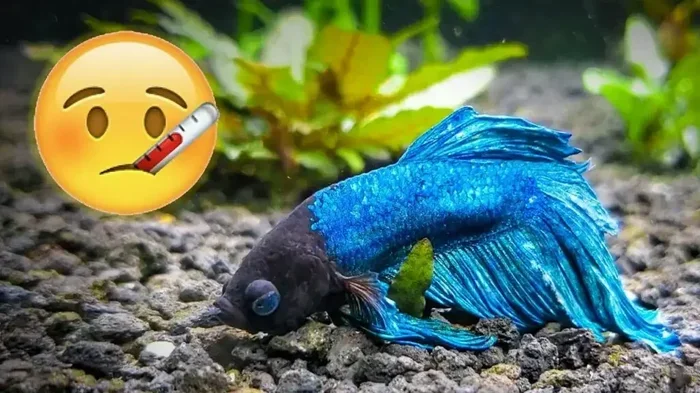
Imagine you come home after a long day, flip the tank lid, and your bright‑colored betta is just floating at the bottom, barely moving. It’s unsettling, right? Most betta owners expect these little “Siamese fighting fish” to flit around, flare their fins, and show off their personalities. When they stop, it’s a sign that something isn’t right.
In this article we’ll walk through the most common reasons a betta won’t move, how to diagnose the problem, and what you can do right now to help your fish feel better. The tone is friendly—think of it as a chat with a fellow hobbyist—so you’ll get clear steps without the jargon.
1. Water Quality Issues
Betta fish are very sensitive to the chemistry of their environment. Even a small shift in ammonia, nitrite, or pH can make them sluggish.
Ammonia and Nitrite Build‑Up
When a tank isn’t cycled properly, toxic ammonia (NH₃) and nitrite (NO₂⁻) accumulate. Betta’s gills struggle to extract oxygen, causing them to hover near the surface or sit motionless at the bottom.
- Test regularly: Use a liquid test kit weekly, especially after adding new fish or performing a water change.
- Partial water changes: Swap out 25‑30% of the water every few days to keep levels low.
pH and Hardness
Betas prefer a slightly acidic to neutral pH (6.5‑7.5). Sudden spikes can stress them, leading to reduced activity.
Tip: Add a few drops of pH‑stable conditioner and avoid using tap water that’s heavily chlorinated or has high mineral content.
Temperature Trouble
Temperature is the single biggest factor in a betta’s activity level. Below 76°F (24°C) they become lethargic; above 82°F (28°C) they may become hyperactive or develop fungal infections.
Use an aquarium heater with an automatic thermostat and a reliable thermometer. If the tank is too cold, you’ll notice the fish staying near the bottom, breathing shallowly.
Internal Link Example
For more on how water problems affect bettas, read our guide on why is my betta fish water cloudy and what it means for their health.
2. Stress From the Environment
Even with perfect water, a betta can become a “statue” if the tank setup makes it feel unsafe.
Lighting and Hiding Spots
Betas are naturally shy. Bright, direct light can make them freeze. Provide a dimmer or a floating plant that creates shade. A small cave or a piece of driftwood gives them a place to retreat.
Tank Size and Crowding
While many keep bettas in tiny bowls, a 2‑5 gallon tank with a gentle filter is ideal. Over‑crowding with aggressive tank mates—even other bettas—can cause a fish to hide and stop moving.
Check out our article on why can’t betta fish be with other fish for compatibility tips.
Water Flow
Strong currents from power filters can push a betta against the glass, making it look like it isn’t moving. Use a sponge filter or adjust the flow to a gentle stream.
3. Health Problems That Limit Movement
When a betta feels ill, the first symptom is often a lack of activity. Below are the most common health issues linked to immobility.
Swim Bladder Disorder
The swim bladder is a gas‑filled organ that helps the fish maintain buoyancy. If it’s damaged or infected, the betta may float upside‑down, stay at the bottom, or drift sideways.
- Cause: Over‑feeding, constipation, or bacterial infection.
- Solution: Fast the fish for 24‑48 hours, then feed a small amount of boiled peas (skin removed) to relieve constipation.
Fin Rot and Bacterial Infections
Fin rot starts as ragged edges on the fins and spreads, making the fish expend energy fighting infection instead of swimming.
Treat with a broad‑spectrum antibacterial medication (e.g., Maracyn) after confirming the diagnosis with a vet or experienced hobbyist.
Parasites and Internal Infections
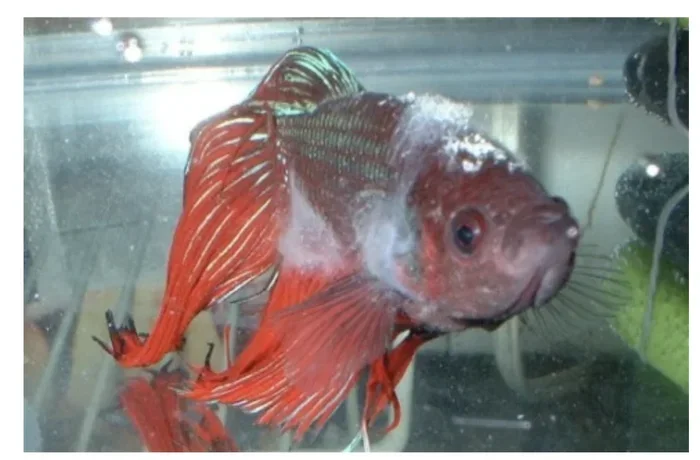
Protozoan parasites can cause lethargy, loss of appetite, and a “listless” appearance. Look for white spots or a cloudy abdomen.
Medication such as metronidazole or copper‑based treatments can be effective, but always follow dosage instructions.
Internal Link Example
If your betta is also refusing food, see our post on why did my betta fish stop eating for detailed feeding strategies.
4. Nutritional Factors
What you feed your betta influences its energy levels. Poor diet leads to constipation, which can mimic or worsen swim bladder issues.
Over‑Feeding
Betta pellets are designed to be given once or twice a day. Feeding more than 2‑3 pellets can fill the gut, causing bloating and reduced movement.
Low‑Quality Food
Cheap pellets may lack essential amino acids and vitamins. Opt for high‑protein, live or frozen foods like brine shrimp, daphnia, or bloodworms a few times a week.
Feeding Schedule
Stick to a regular schedule. A fasting period of 24‑48 hours once a week helps clear the digestive tract.
5. Recognizing When to Seek Professional Help
Sometimes home remedies aren’t enough. Knowing when to consult a veterinarian or a seasoned aquarist can save your fish.
Red Flag Symptoms
- Rapid color loss or “turning white” (see why is my betta fish turning white)
- Fins frayed or curling
- Constant floating at the surface or bottom without response to stimuli
- Visible ulcers, sores, or black spots
Finding a Vet
Look for a vet who specializes in fish or exotic pets. Bring a water sample and a photo of the fish for accurate diagnosis.
6. Practical Steps to Re‑Energize Your Betta
Now that we’ve covered the why, let’s focus on the what. Below is a quick‑action checklist you can follow today.
Step‑by‑Step Rescue Plan
- Test the water: Check ammonia, nitrite, nitrate, pH, and temperature.
- Perform a 25‑30% water change: Use conditioned water at the correct temperature.
- Adjust lighting: Dim the lights or add floating plants for shade.
- Check for signs of disease: Inspect fins, eyes, and body for discoloration.
- Fast the fish: If swim bladder is suspected, withhold food for 24‑48 hours.
- Offer a pea: After fasting, give a small boiled pea to relieve constipation.
- Observe: Within 24 hours, note any improvement in movement.
- Treat if needed: Use appropriate medication for fin rot, parasites, or bacterial infection.
Enrichment Ideas
- Add a live plant like Java moss for gentle cover.
- Place a smooth stone or small cave for the betta to explore.
- Use a gentle air stone to create soft bubbles (see why are there bubbles in my betta fish tank for safety tips).
Conclusion: Keep Your Betta Active and Happy
Betta fish that won’t move are often sending a clear SOS: water quality, temperature, stress, or health issues need attention. By regularly testing your water, providing a comfortable environment, feeding a balanced diet, and watching for early warning signs, you can keep your betta swimming confidently for years.
Remember, a little preventive care goes a long way. When you notice a change in behavior, act quickly—most problems are reversible if caught early. Your betta will thank you with vibrant colors, graceful fins, and the playful swims you love to watch.
Frequently Asked Questions
Why is my betta fish staying at the bottom of the tank?
It could be a sign of poor water quality, low temperature, or a health issue like swim bladder disease. Test the water and check the temperature first.
Can lighting affect my betta’s movement?
Yes. Bright, direct light can stress bettas and cause them to hide. Use dimmer lighting or add plants to create shaded areas.
How often should I change the water to keep my betta active?
A 25‑30% water change every week is ideal. If you notice ammonia or nitrite spikes, increase the frequency until the levels normalize.
My betta isn’t eating and won’t move—what should I do?
Fast the fish for 24‑48 hours, then offer a small boiled pea to relieve possible constipation. If there’s no improvement, check for signs of disease.
Is it normal for a betta to rest on the tank glass?
Occasional resting is normal, but prolonged inactivity can indicate stress or illness. Observe other behaviors like color, fin condition, and appetite.
When should I take my betta to a vet?
If you see rapid color loss, frayed fins, constant floating, or any sores, seek veterinary help promptly. Early treatment improves the chance of recovery.