How Big Tank for 2 Betta Fish
Choosing the right tank size for two betta fish is one of the most important decisions you will make as a fish owner. A how big tank for 2 betta fish guide will help you avoid common mistakes that lead to stress, aggression, and poor water quality. Most experts recommend at least a 10-gallon tank, but larger is always better when housing two bettas together.
So you want to keep two betta fish in one tank. That is exciting! Betta fish are beautiful, colorful creatures that bring life to any room. But before you add a second betta, you need to know exactly how big tank for 2 betta fish really needs to be. The wrong tank size can cause serious problems, including fighting, illness, and even death.
This guide covers everything you need to know about tank sizing, setup, and maintenance for two bettas. Whether you are a complete beginner or have some experience, you will find practical advice that makes the process easier. Let us dive right in and make sure your bettas have the best home possible.
Key Takeaways
- Minimum Tank Size: A 10-gallon tank is the smallest recommended size for two betta fish, but a 20-gallon tank gives them more room to thrive.
- Gender Matters: Two male bettas should never share a tank. One male and one female can work with careful setup, and two females are the most compatible pair.
- Filtration and Heating Are Essential: Both bettas need clean, warm water between 76-82°F, which requires a proper filter and heater.
- Tank Setup Reduces Aggression: Adding plants, caves, and visual barriers helps each betta claim their own territory and reduces stress.
- Regular Maintenance Keeps Fish Healthy: Weekly water changes and testing keep ammonia and nitrite levels at zero, which is critical for two fish in one tank.
📑 Table of Contents
- Why Tank Size Matters for Two Betta Fish
- How Big Should the Tank Be for Two Betta Fish?
- Setting Up the Tank for Two Betta Fish
- Can Two Betta Fish Live Together Peacefully?
- Maintaining Water Quality for Two Betta Fish
- Common Mistakes to Avoid When Housing Two Bettas
- Expert Tips for a Successful Two-Betta Tank
- Conclusion
Why Tank Size Matters for Two Betta Fish
Many people think betta fish are small, so they do not need much space. That is a big mistake. Betta fish may look delicate, but they are active swimmers that need room to move. When you put two bettas in a tank that is too small, things can go wrong fast.
A tiny tank means waste builds up quickly. Ammonia and nitrite levels spike, which stresses both fish. Stressed bettas become aggressive. They may flare at each other constantly, which wears them down physically and emotionally. A properly sized tank gives each fish enough space to establish its own territory without constant confrontation.
The Science Behind Tank Size and Betta Behavior
Betta fish are territorial by nature. In the wild, they claim small patches of shallow water. But in captivity, they need more room than you might think. When two bettas share a space that is too small, neither fish can escape the other. This leads to chronic stress, lost appetite, and weakened immune systems.
A larger tank dilutes waste and gives each fish room to retreat. It also makes it easier to maintain stable water parameters. Stable water means healthy fish. So the bigger the tank, the easier it is to keep both bettas happy and healthy.
How Big Should the Tank Be for Two Betta Fish?
The short answer is bigger is always better. But let us break down the numbers so you know exactly what to look for. The answer to how big tank for 2 betta fish depends on several factors, including gender, tank setup, and your experience level.
Minimum Tank Size Recommendations
Here is a quick breakdown of recommended tank sizes based on different situations:
- Two Female Bettas: Minimum 10 gallons. A 10-gallon tank gives two females enough space to coexist with proper hiding spots.
- One Male and One Female: Minimum 15-20 gallons. The male needs extra space to reduce breeding aggression and territorial behavior.
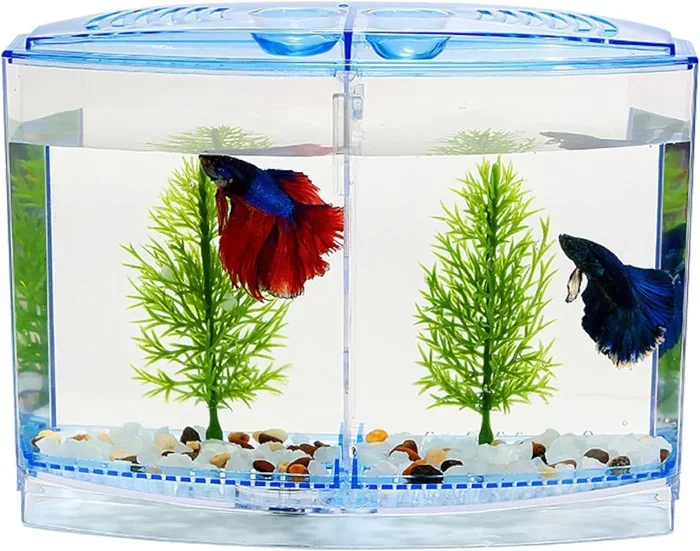
- Two Males: Not recommended in the same tank. Two males will almost always fight, even in a large tank. Use a divided tank or keep them separate.
If you are unsure about the gender, check with your fish store or look for physical differences. Males have longer fins and more vibrant colors. Females are smaller and have a white egg spot on their underside.
Why a 20-Gallon Tank Is the Sweet Spot
Many experienced betta keepers recommend a 20-gallon tank as the ideal size for two bettas. Here is why:
- It dilutes waste effectively, keeping water parameters stable.
- It gives each fish plenty of room to swim and claim territory.
- It allows space for plants, decorations, and hiding spots without feeling crowded.
- It is easier to maintain than smaller tanks because water changes have less impact on chemistry.
A 20-gallon tank also opens up more options for equipment. You can install a quality filter, a reliable heater, and still leave plenty of swimming space. If you are serious about keeping two bettas together, a 20-gallon tank is your best bet.
| Tank Size | Best For | Difficulty Level | Pros |
|---|---|---|---|
| 5 Gallons | One betta only | Easy | Small footprint, affordable |
| 10 Gallons | Two female bettas | Moderate | Good starter size for pairs |
| 15 Gallons | One male, one female | Moderate | More room for setup |
| 20 Gallons | Any pair with proper setup | Easy to Moderate | Stable water, lots of options |
| 30+ Gallons | Larger communities | Advanced | Maximum stability and space |
Setting Up the Tank for Two Betta Fish
Now that you know the right size, it is time to set up the tank properly. A good setup makes all the difference in whether two bettas can live together peacefully. Follow these steps to create a safe and comfortable environment.
Step 1: Choose the Right Location
Place your tank on a sturdy, level surface away from direct sunlight and drafty areas. Direct sunlight causes algae blooms and temperature swings. A quiet spot in your home works best because bettas can get stressed by constant vibration and noise.
Step 2: Install Filtration and Heating
Both bettas need warm, clean water. Set up a gentle filter that does not create too much current. Bettas are not strong swimmers, so a sponge filter works great. Install a heater and set it to 78°F, which is the sweet spot for betta health.
If you are new to aquarium keeping, check out our guide on How To Set Up A Fish Tank For Betta for a detailed walkthrough of the entire process.
Step 3: Add Plants and Decorations
Live plants are the best choice because they help filter the water and provide natural hiding spots. Java fern, anubias, and amazon sword plants all work well for betta tanks. Add caves, driftwood, and rocks so each fish can establish its own territory.
Visual barriers are key when keeping two bettas. Plants and decorations break up lines of sight, which reduces aggression. Each fish should feel like it has its own space without being constantly confronted by the other.
Step 4: Cycle the Tank Before Adding Fish
Never add two bettas to a new, uncycled tank. Cycling builds beneficial bacteria that break down toxic waste. This process takes 4-6 weeks. Use a liquid test kit to monitor ammonia, nitrite, and nitrate levels. Only add fish once ammonia and nitrite read zero.
For a complete cycling guide, visit our article on How To Cycle A Fish Tank For Betta.
Can Two Betta Fish Live Together Peacefully?
This is the question most people ask before setting up a shared tank. The honest answer is: it depends. Not all bettas can live together, and the wrong pairing will lead to problems.
Best Pairings for a Shared Tank
Not all combinations work equally well. Here is what you need to know about each pairing:
- Two Females: This is the most successful pairing. Female bettas can often live together peacefully, especially in a well-planted 10-gallon or larger tank. They tend to be less aggressive than males.
- One Male and One Female: This can work, but it requires careful monitoring. The male may show aggression, especially if the female is ready to breed. A larger tank with plenty of hiding spots is essential.
- Two Males: This is the worst pairing. Two males will almost always fight, and one or both fish can be seriously injured or killed. Do not attempt this unless you use a divided tank with no visual contact.
If you are considering two females, check out our article on Can 2 Female Betta Fish Live In The Same Tank for more detailed advice on female pairings.
Signs That Your Bettas Are Not Getting Along
Watch for these warning signs after introducing two bettas to the same tank:
- Constant flaring and chasing
- One fish hiding all the time
- Loss of appetite in either fish
- Clamped fins or faded colors
- Nipping at fins or physical injuries
If you notice any of these signs, separate the fish immediately. Not every pairing will work, and trying to force it can result in serious harm. Have a backup tank ready just in case.
Maintaining Water Quality for Two Betta Fish
Water quality is even more important when keeping two fish in one tank. More fish means more waste, which means you need to stay on top of maintenance. A dirty tank leads to disease, stress, and shortened lifespans.
Water Change Schedule
For a 10-20 gallon tank with two bettas, follow this maintenance routine:
- Perform a 25-30% water change every week.
- Use a gravel vacuum to remove debris from the substrate.
- Always treat new water with a water conditioner to remove chlorine and chloramine.
- Test water parameters weekly using a liquid test kit.
- Keep ammonia and nitrite at zero, and nitrate below 20 ppm.
For tips on preparing the right water for your bettas, see our guide on How To Prepare Water For A Betta Fish.
Best Water Parameters for Betta Fish
- Temperature: 76-82°F (ideal: 78°F)
- pH: 6.5-7.5
- Ammonia: 0 ppm
- Nitrite: 0 ppm
- Nitrate: Below 20 ppm
- Hardness: 3-5 dGH
Consistency is the key. Sudden changes in any parameter can shock your fish. Always match the temperature and pH of new water to the tank water during water changes.
Common Mistakes to Avoid When Housing Two Bettas
Even experienced fish keepers make mistakes. Here are the most common errors people make when setting up a tank for two bettas:
Starting With a Tank That Is Too Small
The biggest mistake is going too small. A 5-gallon tank is fine for one betta, but it is not enough for two. Starting with an undersized tank sets you up for failure. Invest in the right size from the beginning and save yourself a lot of headaches.
Skipping the Cycling Process
Adding fish to an uncycled tank is one of the fastest ways to kill your pets. Ammonia spikes in new tanks can be lethal. Always cycle your tank fully before introducing any fish. Patience here pays off in the long run.
Overcrowding the Tank With Decorations
While plants and decorations are important, too many of them make the tank feel cramped. Leave open swimming space. Each betta needs room to claim territory without constant contact with the other fish.
Ignoring Signs of Stress or Aggression
Some fish owners wait too long before intervening. If one fish is bullying the other, act immediately. The longer you wait, the worse the situation gets. Have a plan for separation before you even introduce the two fish.
Expert Tips for a Successful Two-Betta Tank
Here are some pro tips that make a real difference in keeping two bettas together:
- Feed separately: Use a divider or feed from opposite sides of the tank to prevent food competition.
- Observe daily: Spend a few minutes each day watching both fish for any signs of stress or aggression.
- Keep a backup tank ready: Always have a separate container ready in case you need to separate the fish quickly.
- Use dim lighting: Bright lights can increase stress and aggression. A soft, natural light schedule works best.
- Add floating plants: Floating plants like frogbit or duckweed provide shade and make the tank feel more natural, which calms bettas down.
If you are wondering about using a divided tank as an alternative, our article on Can Betta Fish Live Together In A Big Tank covers this topic in detail.
Conclusion
Finding the right how big tank for 2 betta fish setup takes a little planning, but the results are worth it. A 10-gallon tank is the minimum, but a 20-gallon tank gives your bettas the best chance at a happy, healthy life. Always match the tank size to the pairing, set up proper filtration and heating, and stay consistent with maintenance.
Remember that not every pair of bettas will get along. Be prepared to separate them if needed. Watch your fish closely, keep the water clean, and give each betta its own space to thrive. With the right tank and the right approach, two bettas can coexist beautifully and bring you years of enjoyment.
Start with the right size, set up the tank carefully, and enjoy watching your bettas swim together. A well-planned tank is the foundation of great betta care, and your fish will thank you for it.
Frequently Asked Questions
What is the minimum tank size for two betta fish?
The minimum tank size for two betta fish is 10 gallons. However, a 20-gallon tank is strongly recommended because it provides more stable water conditions and gives each fish enough space to establish its own territory without constant stress.
Can two male betta fish live in the same tank?
No, two male betta fish should never share a tank. Males are highly territorial and will fight aggressively, often causing serious injury or death. If you want to keep two males, use a divided tank where they cannot see each other.
How often should I do water changes in a two-betta tank?
Perform a 25-30% water change every week for a 10-20 gallon tank with two bettas. Regular water changes remove built-up waste and keep ammonia and nitrite levels at zero, which is essential for fish health.
What is the best tank setup for two female bettas?
The best setup for two female bettas includes a 10-gallon or larger tank with live plants, caves, and visual barriers. Add a gentle filter, a heater set to 78°F, and plenty of hiding spots so each fish can claim its own territory peacefully.
Do I need a divider in a two-betta tank?
A divider is not always necessary, but it can be helpful during the initial introduction period. If you notice persistent aggression, a temporary divider gives the fish space to adjust. For long-term housing, a well-planted tank with enough room usually works better than a permanent divider.
Can I add other fish to a tank with two bettas?
It is possible but risky. Bettas can be aggressive toward other fish, especially those with bright colors or long fins. If you want to add tank mates, choose peaceful, small species like corydoras or kuhli loaches, and ensure the tank is at least 20 gallons to reduce territorial behavior.