Is My Betta Fish Dying or Just Sick
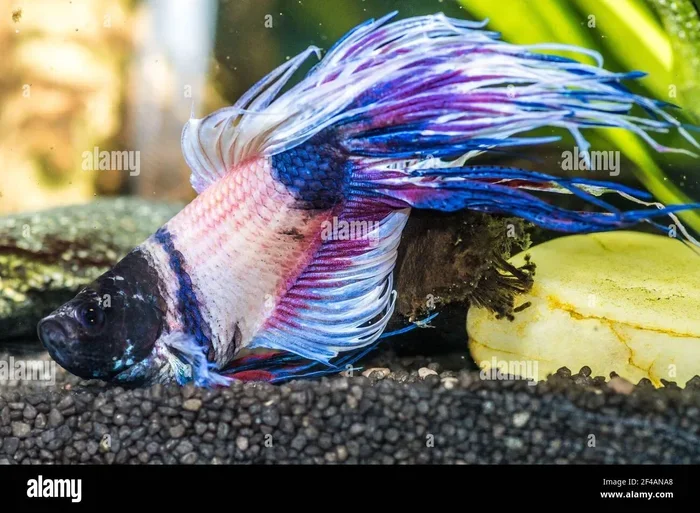
Figuring out if your betta fish is dying or just sick can be stressful, but knowing the warning signs makes a huge difference. A sick betta fish often shows treatable symptoms like clamped fins or loss of appetite, while a dying betta may display severe lethargy, discoloration, and labored breathing. This guide helps you spot the difference quickly and take action before it is too late.
Watching your betta fish behave differently can send your heart racing. One moment they are swimming happily, and the next they are barely moving at the bottom of the tank. You start Googling frantically and asking yourself, is my betta fish dying or just sick?
The truth is, the line between a sick betta fish and a dying one can be thin. But it is not impossible to tell the difference. With the right knowledge, you can spot the warning signs early and give your fish the best shot at recovery. This guide walks you through every sign, symptom, and step you need to take right now.
Whether your betta fish is lying still at the bottom, refusing food, or showing unusual color changes, understanding what is happening is the first step. Let us break it all down in simple terms so you can act fast and with confidence.
Key Takeaways
- Dying vs. Sick: A dying betta fish shows severe, irreversible symptoms, while a sick betta often responds to treatment and care.
- Early Detection Matters: Catching signs of illness early gives your fish the best chance of recovery.
- Water Quality Is Critical: Poor water parameters are the leading cause of betta fish illness and stress.
- Quick Action Saves Lives: Isolating your fish and adjusting tank conditions can prevent a minor sickness from turning fatal.
- Know When to Seek Help: Some conditions need professional intervention, especially if your betta fish is not moving or eating.
- Prevention Works: Regular tank maintenance and a healthy diet keep your betta fish happy and active for years.
📑 Table of Contents
- How to Tell if Your Betta Fish Is Dying or Just Sick
- Common Signs Your Betta Fish Is Dying
- Common Signs Your Betta Fish Is Just Sick
- What to Do Right Now if Your Betta Fish Is Sick
- Prevention: How to Keep Your Betta Fish Healthy Long-Term
- When to Seek Emergency Help for Your Betta Fish
- Common Mistakes Bettas Owners Make When Their Fish Gets Sick
- How to Monitor Your Betta Fish’s Health Every Day
- Final Thoughts on Is My Betta Fish Dying or Just Sick
How to Tell if Your Betta Fish Is Dying or Just Sick
The most important thing to understand is that sickness and dying are not the same thing. A sick betta fish is often fighting an illness that you can treat. A dying betta fish may be in the final stages of a condition that has gone too far. Recognizing the difference starts with observing your fish closely.
Think of it this way. If your betta fish is not eating but still responsive and swimming a little, that leans toward sick. If your betta fish is completely unresponsive, barely breathing, and losing color rapidly, that leans toward dying. Context matters a lot. How long has your fish been showing symptoms? Did anything change in the tank recently?
Here are the key factors that help you tell the difference:
- Responsiveness: A sick betta will still react to movement or food. A dying betta often does not react at all.
- Breathing rate: Rapid or labored breathing can signal both sickness and dying, but the severity differs.
- Color changes: Fading or whitening can happen with sickness, but sudden, dramatic color loss often points to dying.
- Timeframe: Symptoms that appeared suddenly and worsened fast are more alarming than gradual changes.
- Appetite: A sick betta may still nibble on food. A dying betta usually refuses everything.
If you are unsure, check out our article on how can I tell if my betta fish is sick for more detailed guidance on identifying early illness signs.
Common Signs Your Betta Fish Is Dying
When a betta fish is in its final stages, the symptoms tend to be severe and widespread. These are not subtle changes. You will likely notice several signs happening at once. The following are the most common indicators that your betta fish may be dying.
Severe Lethargy and Immobility
A dying betta fish often becomes completely still. They may lie at the bottom of the tank and not respond to anything around them. Some bettas float motionless at the top or sink to the bottom and stay there. This is very different from a betta that is just resting or sleeping. If your fish does not move at all for long periods and does not react to food or touch, this is a serious red flag.
Many owners search for answers when they see this and ask, why is my betta fish just sitting still. While sometimes a betta just needs rest, prolonged immobility combined with other symptoms is a strong sign of a critical condition.
Rapid Color Loss or Whitening
Healthy bettas are vibrant and colorful. When a betta fish is dying, their colors often fade dramatically. You might notice white patches, a pale body, or fins that look washed out. This happens because the fish’s body is shutting down and can no longer maintain normal pigmentation.
If you have noticed your betta turning white or losing color quickly, it is important to act immediately. Check out our guide on why my betta fish is turning white to understand possible causes.
Labored Breathing and Gasping
A dying betta fish often breathes with visible effort. Their gills may move rapidly, and you might see them gasping at the water surface. This usually means the oxygen levels in the tank are critically low or the fish’s organs are failing. Both situations are extremely serious and require urgent attention.
Refusal to Eat for Extended Periods
While skipping a meal occasionally is normal, a complete refusal to eat over several days is a bad sign. A dying betta fish loses all interest in food. If you offer their favorite treat and they ignore it completely, combined with other symptoms, this is a strong indicator that something is very wrong.
Common Signs Your Betta Fish Is Just Sick
The good news is that most betta fish illnesses are treatable if you catch them early. A sick betta fish still has a fighting chance, especially when you take quick action. Here are the most common signs that your fish is unwell but not necessarily dying.
Clamped Fins
When a betta fish keeps its fins tightly against its body instead of spreading them out, this is called clamped fins. It is one of the most common signs of stress or illness. Clamped fins can be caused by bacterial infections, poor water quality, or parasites. While it is a warning sign, it is often treatable with simple tank adjustments and medication.
Loss of Appetite (Short-Term)
A sick betta fish might skip a meal or two but usually still shows some interest in food when it is offered. If your betta is not eating but still swimming around and alert, they are likely just sick, not dying. Try offering different types of food like frozen bloodworms or brine shrimp to spark their appetite.
If your betta fish is not eating and not moving, this is more concerning. Visit our article on why is my betta fish not eating or moving for a deeper look at this specific issue.
Swimming Sideways or Erratically
A betta fish that swims in circles, tilts to one side, or swims upside down may be dealing with a swim bladder issue or a bacterial infection. These conditions are uncomfortable but often treatable. Swim bladder disease is one of the most common illnesses in bettas and does not have to be fatal if addressed quickly.
Faded Colors That Come and Go
Unlike the sudden, permanent color loss seen in dying fish, a sick betta might show faded colors that come and go. Stress stripes, which look like horizontal dark lines, are a common sign of temporary stress. Once you remove the stressor, the colors usually return.
Hiding or Staying in One Spot
Betta fish that are sick but not dying often hide behind decorations or stay near the heater. They are not completely unresponsive, though. If you tap the glass or offer food, a sick betta will usually react. A dying betta will not.
If you have noticed your betta hiding and staying still, our article on why is my betta fish just sitting still can help you understand what might be going on.
What to Do Right Now if Your Betta Fish Is Sick
Time is critical when your betta fish shows signs of illness. The faster you act, the better the outcome. Here is a step-by-step action plan you can follow immediately.
Step 1: Check Your Water Parameters
Poor water quality is the number one cause of betta fish sickness. Test your water for ammonia, nitrite, nitrate, and pH levels. Ammonia and nitrite should always be at zero. Nitrates should be below 20 ppm. If any of these are off, do a partial water change of 25 to 50 percent right away.
Step 2: Isolate Your Betta Fish
If you have other fish in the tank, move your betta to a quarantine tank. This prevents the spread of disease and reduces stress. A simple hospital tank with a heater and a sponge filter works perfectly. Keep the water temperature steady at around 78 to 80 degrees Fahrenheit.
Step 3: Observe and Document Symptoms
Write down what you see. Note the date symptoms started, any changes in behavior, and how your fish responds to food. This information is invaluable if you need to consult a vet or look up treatment options.
Step 4: Adjust Feeding
Stop feeding for 24 to 48 hours if your betta fish is not eating. This gives their digestive system a break. After that, offer small amounts of high-quality food like frozen or live bloodworms. Avoid overfeeding, which can cause bloating and worsen health issues.
Step 5: Treat with Appropriate Medication
Depending on the symptoms, you may need to treat for specific conditions. Common treatments include:
- Fin rot: Antibacterial medication and water changes
- Ich (white spot disease): Gradual temperature increase and ich-specific medication
- Swim bladder disease: Fasting and feeding peeled peas
- Bacterial infections: Broad-spectrum aquarium antibiotics
- Parasites: Anti-parasitic treatments like copper-based medications
Always follow dosage instructions carefully and remove carbon from your filter during treatment, as carbon can absorb medication and make it less effective.
Prevention: How to Keep Your Betta Fish Healthy Long-Term
The best way to deal with a sick or dying betta fish is to prevent the situation in the first place. A healthy tank environment goes a long way in keeping your betta vibrant and active for years.
Maintain Consistent Water Quality
Test your water at least once a week. Perform partial water changes of 20 to 25 percent every week or two. Use a water conditioner to remove chlorine and chloramine from tap water before adding it to the tank. Clean your filter media gently in old tank water, never tap water, to preserve beneficial bacteria.
Keep the Tank Warm and Stable
Betta fish are tropical and need warm water. A heater is essential, not optional. Keep the temperature between 78 and 80 degrees Fahrenheit. Sudden temperature drops can shock your fish and weaken their immune system. Avoid placing the tank near windows, drafts, or air conditioning vents.
Feed a Balanced Diet
A varied diet keeps your betta fish healthy and resilient. Offer a mix of high-quality betta pellets, frozen bloodworms, brine shrimp, and occasional treats like daphnia. Feed small amounts twice a day and remove any uneaten food after five minutes. Overfeeding is one of the most common mistakes betta owners make.
Provide a Stress-Free Environment
Keep the tank at least 5 gallons in size. Add gentle plants and hiding spots so your betta feels safe. Avoid aggressive tank mates. Keep the lighting on a consistent schedule, with 8 to 10 hours of light per day. A calm, stable environment supports a strong immune system.
When to Seek Emergency Help for Your Betta Fish
Sometimes home treatment is not enough. Knowing when to seek professional help can mean the difference between life and death for your betta fish.
You should consider emergency intervention if:
- Your betta fish has stopped breathing or is gasping at the surface continuously
- Your fish has visible sores, open wounds, or advanced fungal growth
- Your betta has been completely immobile for more than 24 hours
- Your fish shows multiple severe symptoms at the same time
- Home treatments have not improved the condition after 48 to 72 hours
If you are in a situation where your betta fish is clearly dying and you want to know what to do, our article on what do you do when your betta fish is dying provides compassionate and practical guidance for these difficult moments.
Some conditions, like advanced organ failure or severe internal infections, cannot be reversed at home. A veterinarian who specializes in fish can offer treatments that go beyond what is available over the counter. Do not feel guilty about seeking help. It shows that you care deeply about your fish.
Common Mistakes Bettas Owners Make When Their Fish Gets Sick
Even well-meaning owners can make mistakes that make things worse. Here are the most common errors to avoid.
Waiting Too Long to Act
Many owners hope the problem will go away on its own. It rarely does. The earlier you intervene, the better the chances of recovery. If you notice symptoms, start treatment within 24 to 48 hours.
Overmedicating the Tank
More medication is not better. Overdosing can harm your fish and kill beneficial bacteria in the tank. Always follow the recommended dosage and remove carbon from the filter before adding any treatment.
Ignoring Water Quality
Medication treats symptoms, but poor water quality causes the illness. If you do not fix the water, your betta fish will keep getting sick no matter what you do. Always address water parameters alongside any treatment.
Skipping Quarantine for New Fish
Adding new fish to an established tank without quarantine is one of the fastest ways to spread disease. Always quarantine new arrivals for at least two weeks before introducing them to your main tank.
How to Monitor Your Betta Fish’s Health Every Day
Making health checks a daily habit takes only a few minutes and can catch problems early. Here is a simple routine you can follow every time you feed your betta.
- Watch how they swim: Is your betta moving naturally or struggling? Look for erratic swimming, sinking, or floating at odd angles.
- Check their appetite: Does your fish come to the surface and eat eagerly? A sudden loss of interest in food is worth noting.
- Look at their fins and body: Are the fins spread open? Is the body smooth and free of spots, bumps, or swelling?
- Observe their color: Are the colors vibrant? Any fading, whitening, or darkening should be monitored closely.
- Check the water: Look for cloudiness, foam, or unusual debris. Clear, slightly warm water is a sign of a healthy tank.
By making these checks part of your daily routine, you will know your betta fish’s normal behavior. This makes it much easier to spot when something is off. The earlier you catch a problem, the easier it is to treat. If you ever wonder how do you know a betta fish is dying, the answer is that the combination of severe, multiple symptoms appearing together is the clearest indicator.
For a fun and interactive way to check on your betta’s well-being, try our is my betta fish happy quiz to gauge your fish’s overall mood and activity level.
Final Thoughts on Is My Betta Fish Dying or Just Sick
Worrying about your betta fish is completely normal. You love your fish, and seeing them unwell is hard. The most important thing to remember is that knowledge is power. When you understand the difference between a sick betta fish and a dying one, you can take the right action at the right time.
A sick betta fish often recovers fully with proper care, clean water, and prompt treatment. A dying betta fish needs immediate attention, and sometimes humane decisions must be made. Either way, you are not alone. There are resources, communities, and professionals ready to help you through it.
Trust your instincts. You know your fish better than anyone. If something feels wrong, it probably is. Do not wait. Check the water, observe the symptoms, and start treatment. Your quick action can give your betta fish the best possible chance at a long, healthy, and happy life.
Remember, every betta fish deserves a caring owner who pays attention. By reading this guide, you are already doing the right thing. Stay calm, stay informed, and keep doing your best for your finned friend.
Frequently Asked Questions
Can a sick betta fish recover on its own without treatment?
Mild cases of stress or minor infections sometimes resolve on their own if water quality is excellent. However, most illnesses in betta fish benefit from early treatment. Waiting too long can turn a treatable sickness into a life-threatening emergency. It is always better to act sooner rather than later.
How can I tell if my betta fish is dying or just sleeping?
A sleeping betta fish will still respond to food or gentle movement nearby. A dying betta fish will be completely unresponsive and may show pale color, labored breathing, or immobility for hours. If you are unsure, check for other symptoms like clamped fins, loss of appetite, or erratic swimming patterns.
What is the most common cause of betta fish death?
Poor water quality is the leading cause of betta fish death. Ammonia and nitrite buildup in the tank damages organs and weakens the immune system. Other common causes include untreated bacterial infections, swim bladder disease, and drastic temperature changes. Regular water changes and proper tank maintenance prevent most of these issues.
Should I euthanize my betta fish if it is dying?
This is a deeply personal decision and one that no guide can make for you. If your betta fish is in severe, irreversible suffering with no chance of recovery, humane euthanasia may be the kindest option. Consult a veterinarian who specializes in fish to discuss the most painless and peaceful method available.
Can stress alone make a betta fish appear sick?
Yes, stress can cause many symptoms that mimic illness, including clamped fins, loss of appetite, hiding, and faded colors. Common stressors include poor water quality, aggressive tank mates, sudden temperature changes, and loud noises near the tank. Removing the stressor often resolves the symptoms within a few days.
How long does it take for a sick betta fish to recover?
Recovery time depends on the illness and how quickly treatment begins. Minor infections may improve within a few days with proper care. More serious conditions like bacterial infections or swim bladder disease can take one to two weeks. Consistent water maintenance and a stress-free environment speed up the healing process significantly.