Is My Betta Fish Dying of Old Age
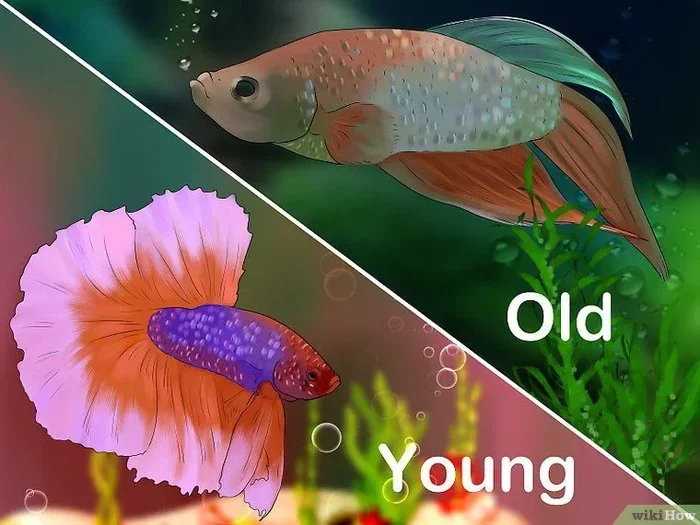
Yes, betta fish can die of old age, and knowing the signs helps you provide the best care during their final stage of life. Understanding betta fish lifespan, recognizing old age symptoms, and adjusting care routines can make a huge difference in your fish’s comfort and quality of life. This guide covers everything you need to know about aging bettas.
Watching your betta fish slow down can be heartbreaking. You wonder if they are just getting older or if something more serious is happening. Many betta owners face this question at some point. The truth is, betta fish can and do die of old age. Understanding what to look for helps you give your fish the best possible care in their final chapter.
In this article, we will walk through everything you need to know about aging bettas. We will cover the typical betta fish lifespan, the signs of old age, and how to tell the difference between natural aging and illness. You will also learn practical tips to keep your senior betta comfortable. Let us dive in.
Key Takeaways
- Betta fish typically live 3 to 5 years: With proper care, some bettas reach 5 years or slightly beyond.
- Signs of dying from old age include lethargy, color loss, and appetite changes: These are natural parts of the aging process.
- You can support a senior betta with simple care adjustments: Warm water, gentle feeding, and a stress-free environment go a long way.
- It is important to distinguish old age from illness: Some symptoms overlap, so observation and patience are key.
- End-of-life comfort matters: Creating a calm, clean tank helps your betta pass peacefully.
- Knowing when to seek help or let go is part of responsible fish ownership: Your betta’s comfort should always come first.
📑 Table of Contents
Can Betta Fish Die of Old Age?
The short answer is yes. Betta fish can die of old age, just like any other living creature. Betta fish, also called Siamese fighting fish, have a finite lifespan. When their bodies begin to shut down, it is a natural process. There is usually no single dramatic cause. Instead, it is a gradual decline over weeks or months.
Many people assume their betta died suddenly, but in most cases of old age, the decline is slow. Your fish may stop eating, become less active, or lose their vibrant colors. These changes happen over time. Recognizing this early helps you prepare emotionally and provide the right care.
It is also worth noting that bettas in the wild rarely live as long as pet bettas. In captivity, with clean water and proper food, bettas have a better chance of reaching their full lifespan. If you want to understand the full picture of how long bettas live, check out our guide on what is the lifespan of betta fish for detailed information.
What Is the Average Betta Fish Lifespan?
Most betta fish live between 3 and 5 years. Some may reach 6 years with excellent care. Factors like genetics, diet, and tank conditions play a big role. A betta kept in a small bowl with poor water quality may only live 1 to 2 years. A betta in a well-maintained tank with a balanced diet often thrives longer.
Here are the key factors that influence how long your betta lives:
- Tank size: A 5-gallon tank or larger gives your betta room to thrive.
- Water quality: Regular water changes and proper filtration reduce stress and disease.
- Diet: High-quality betta pellets and occasional treats support long-term health.
- Temperature: Keeping water between 76°F and 82°F mimics their natural habitat.
- Stress levels: A calm environment with no aggressive tankmates helps your betta live longer.
Signs Your Betta Fish Is Dying of Old Age
Recognizing the signs of old age in your betta is not always easy. Many symptoms overlap with illness. The key difference is the gradual pace. When your betta is aging naturally, changes happen slowly over weeks or months. If symptoms appear suddenly, illness may be the cause.
Here are the most common signs that your betta is entering their final stage of life:
- Loss of vibrant color: Your betta’s colors may fade or become dull. This is a natural part of aging.
- Lethargy and low energy: An old betta spends more time resting. They may stay near the bottom of the tank.
- Reduced appetite: Your betta may eat less or refuse food altogether.
- Curled or clamped fins: Fins may fold closer to the body as your betta weakens.
- Slow or labored breathing: You may notice your betta breathing more heavily or more slowly.
- Hunched or curved body: The spine may become more visible as the body weakens.
- Difficulty swimming: Your betta may struggle to stay upright or float at the surface.
If you notice these signs, do not panic right away. First, rule out illness. Sometimes what looks like old age is actually a treatable condition. Our article on how can I tell if my betta fish is dying goes deeper into identifying the exact cause.
How to Tell the Difference Between Aging and Illness
This is one of the most important questions betta owners ask. The answer comes down to timing and progression.
When a betta is aging naturally, the changes are gradual. Color fades slowly over weeks. Energy decreases bit by bit. Appetite drops over time. The fish still responds to you and shows some interest in food.
When a betta is sick, the changes tend to be sudden. A fish that was active yesterday may be lethargic today. White spots, red patches, or bloating can appear overnight. The fish may hide or breathe rapidly. These are red flags for illness, not old age.
Here is a quick comparison to help you tell the difference:
- Aging: Slow changes over weeks or months. Gradual color loss. Mild appetite reduction. Fish still responsive.
- Illness: Sudden changes over hours or days. Visible spots, swelling, or redness. Refusal to eat. Fish may hide or gasp at the surface.
If you are unsure, it is always better to check for illness first. Treating a disease early can save your betta’s life. But if your fish is clearly old and declining, focus on comfort care.
Common Old Age Symptoms in Betta Fish
Let us take a closer look at the most common symptoms of aging in bettas. Each one tells you something about what is happening inside your fish’s body.
Fading Colors
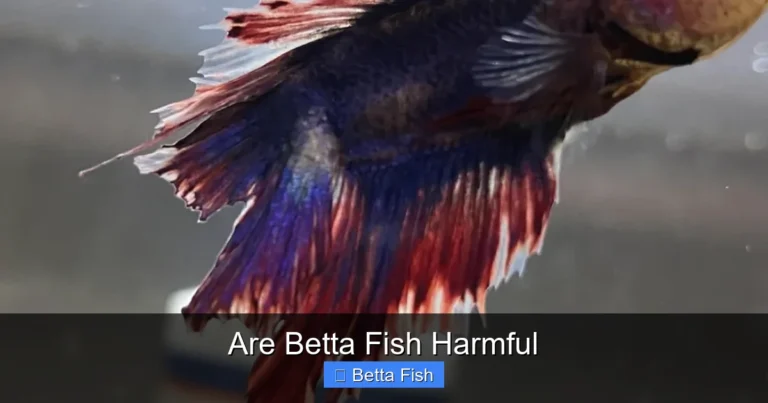
Betta fish are known for their brilliant colors. As they age, the pigment cells slow down. You may notice white patches or a general washed-out appearance. This is normal and not a cause for alarm. Some bettas develop a slightly paler look years before they pass. It is simply part of the natural aging process.
Increased Rest and Sleep
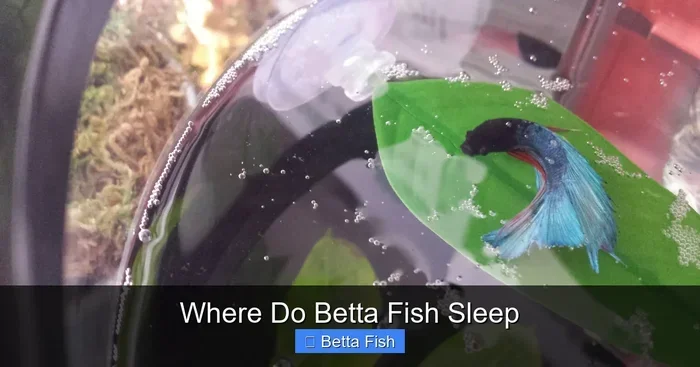
A young betta is curious and active. They explore their tank, build bubble nests, and respond to movement near the glass. An old betta sleeps more. They may rest on a leaf or hover near the bottom. This reduced activity is not a sign of suffering. It is simply their body conserving energy.
Loss of Appetite
Older bettas often eat less. Their metabolism slows down. They may not finish a full meal or skip meals entirely. This is normal as long as your fish still eats occasionally. If your betta completely refuses food for several days and shows other signs of decline, it may be time to focus on comfort rather than forcing meals.
Swimming Difficulties
Aging bettas may lose control of their swim bladder. This can cause floating issues or difficulty staying upright. Some old bettas tilt to one side or sink to the bottom. This happens because their muscles and organs are weakening. It is not painful, but it does mean your fish needs help staying comfortable.
How to Care for a Senior Betta Fish
Caring for an aging betta is about comfort, patience, and gentle attention. You cannot stop the aging process, but you can make your fish’s remaining time peaceful and stress-free.
Keep the Water Warm and Clean
Warm water helps an old betta stay comfortable. Maintain a steady temperature around 78°F to 80°F. Use a reliable heater and thermometer. Clean water is equally important. Perform small water changes (25%) every week to keep ammonia and nitrite levels at zero. Dirty water stresses an aging fish and can accelerate decline.
Adjust Their Diet
Senior bettas may have trouble eating dry pellets. Try soaking the food for a few minutes before feeding. This makes it softer and easier to consume. You can also offer frozen or live bloodworms as a treat. These are easier to eat and highly nutritious. Feed small amounts twice a day rather than one large meal.
Reduce Stress in the Tank
An old betta is more sensitive to stress. Avoid sudden changes in lighting or tank placement. Keep the tank in a quiet area of your home. Do not add new tankmates or rearrange decorations. A stable, predictable environment helps your betta feel safe and calm.
Watch for Signs of Pain or Distress
While old age is natural, you should watch for signs that your fish is suffering. Rapid breathing, constant hiding, complete refusal to eat for over a week, or visible injuries are warning signs. If these appear alongside other aging symptoms, your betta may be in discomfort. In these cases, focus on making them as comfortable as possible.
When to Consider Euthanasia
This is a difficult topic, but it is an important one. If your betta is in pain and there is no hope of recovery, humane euthanasia may be the kindest choice. Consult a veterinarian experienced with fish. They can guide you through the process. Making this decision is never easy, but sometimes it is the most compassionate thing you can do for your pet.
What to Expect in the Final Days
The final days of a betta’s life can be quiet and peaceful if you create the right environment. Your fish will likely sleep more and eat very little. They may stay near the surface or rest on the substrate. Some bettas become more still and stop responding to stimuli.
Here is what you can do to help:
- Keep the tank calm: Minimize noise and movement near the tank.
- Offer soft food: Soaked pellets or a small piece of bloodworm can encourage eating if your fish still has an appetite.
- Maintain water quality: Clean water prevents additional stress and infection.
- Give gentle attention: Some bettas enjoy gentle interaction. Sit near the tank and talk softly.
- Be present: Your betta may find comfort in your calm presence.
If your betta passes away, give yourself time to grieve. Losing a pet fish is a real loss. You built a bond with your betta, and that matters. Take a moment to remember the good times and the joy your fish brought into your life.
Preventing Premature Death in Betta Fish
While you cannot prevent old age, you can take steps to ensure your betta lives a full, healthy life. Prevention starts with proper care from day one.
- Provide a spacious tank: At least 5 gallons. Bigger is always better.
- Use a gentle filter: Strong filters create too much current for bettas. Choose a sponge filter or adjust the flow.
- Maintain stable water parameters: Keep ammonia and nitrite at zero. Nitrate should be below 20 ppm.
- Feed a balanced diet: High-quality pellets as the staple, with occasional treats like brine shrimp or daphnia.
- Avoid overfeeding: Excess food pollutes the water and causes health problems.
- Monitor for early signs of illness: Catching diseases early gives your betta the best chance of recovery.
By following these steps, you give your betta the best possible chance of living a long, healthy life. And if the time comes for old age to take its course, you will be prepared.
Final Thoughts
Losing a betta fish to old age is a natural part of being a fish owner. It is not easy, but it is something every betta keeper will face eventually. Understanding the signs of aging helps you provide the best care during your fish’s final days. From adjusting their diet to keeping their water clean and warm, every small effort makes a difference.
Remember that your betta’s comfort matters most. If you notice signs that worry you, do not hesitate to seek advice from experienced aquarists or a fish veterinarian. And if you want to learn more about the natural aging process and whether bettas truly die of old age, our article on can betta fish die of old age provides additional insights.
The bond you share with your betta is real. Cherish the time you have together, and give your fish the love and care they deserve. That is the greatest gift you can offer a pet that depends on you for everything.
Frequently Asked Questions
How do I know if my betta is dying of old age or illness?
Look at the pace of the changes. Gradual decline over weeks or months usually points to old age. Sudden symptoms like rapid breathing, white spots, or bloating suggest illness. If you are unsure, check for treatable conditions first by reviewing our guide on why is my betta fish dying to rule out common diseases.
Can a betta fish live to be 7 years old?
It is rare but possible. Most bettas live 3 to 5 years. With exceptional care, some reach 6 or 7 years. Genetics and tank conditions play a big role. If your betta is reaching that age, they are truly a senior fish deserving of extra attention and comfort.
What should I feed an old betta fish that won’t eat?
Try offering soft, easy-to-eat foods like soaked pellets or a tiny piece of frozen bloodworm. Warming the food slightly can release scent and encourage appetite. If your betta still refuses all food for several days, focus on keeping the water clean and the environment stress-free rather than forcing food.
Is it normal for a betta to stop moving before death?
Yes, in many cases. An aging betta will naturally become less active. They may rest on the bottom or stay near the surface. This gradual decrease in movement is a common part of the aging process. However, if the immobility comes on suddenly, it could signal a health issue that needs attention.
Should I separate a dying betta from other fish?
If your tank has other fish, yes. A weakened betta may become a target or experience stress from tankmates. A separate hospital or quarantine tank with gentle water flow gives your betta a peaceful space. This also makes it easier to monitor their condition and provide focused care.
How can I make my old betta more comfortable?
Keep the water warm and clean, reduce tank noise and movement, offer soft food, and avoid sudden changes in their environment. A calm, stable tank is the best thing you can do for a senior betta. For more tips on creating a stress-free home, read our article on what kind of water is best for betta fish to understand water quality needs.