How to Tell If My Betta Fish Is Blind
Figuring out how to tell if my betta fish is blind starts with watching for key behavioral and physical signs. Blind betta fish often bump into objects, fail to respond to movement, and show cloudy or swollen eyes. This guide walks you through the causes, symptoms, and simple care steps to help your blind betta thrive.
Watching your betta fish swim gracefully around the tank is one of the joys of fish keeping. But what happens when your colorful companion starts acting strangely? Maybe it keeps crashing into the glass or ignores food floating right in front of its face. These could be signs that something is wrong with your betta’s vision. If you have noticed changes in your fish’s behavior, you are probably wondering how to tell if my betta fish is blind.
Betta fish blindness is more common than most people think. It can happen suddenly due to an injury or develop slowly over time from infections or age. The good news is that blind bettas can still live happy, fulfilling lives with the right care. This guide will help you spot the signs early, understand what caused the problem, and take action to keep your fish comfortable and healthy.
Whether your betta is showing one subtle sign or several obvious ones, knowing what to look for makes all the difference. Let us dive into the world of betta fish eye problems and learn how to give your fish the best life possible, even without full vision.
Key Takeaways
- Cloudy or swollen eyes are one of the most visible signs of blindness in betta fish.
- Behavioral changes like bumping into decorations or not responding to movement often point to vision loss.
- Common causes include eye infections, injuries, poor water quality, and age-related degeneration.
- Early detection and proper treatment can sometimes restore your betta’s eyesight or prevent further damage.
- Caring for a blind betta is manageable with the right tank setup, feeding adjustments, and consistent maintenance.
- Prevention through clean water, safe tank decor, and a balanced diet goes a long way in protecting your betta’s eyes.
📑 Table of Contents
How to Tell If Your Betta Fish Is Blind
Detecting blindness in a betta fish requires careful observation. Bettas are naturally curious and alert fish. When their vision starts to fade, their behavior changes in noticeable ways. Here are the most reliable signs to watch for.
Bumping Into Objects and Tank Walls
A healthy betta navigates its environment with precision. It glides smoothly around plants, rocks, and decorations. If your betta starts crashing into the glass or tapping its nose on decorations repeatedly, this is a red flag. Blind bettas lose their spatial awareness and rely on other senses to get around. You may notice this bumping behavior happens more often in new or rearranged tanks.
Unresponsive to Movement or Food
Betta fish are visual hunters. They track sinking food pellets and react to movement outside the tank. A blind betta may ignore food that lands right in front of its mouth. Try wiggling your finger near the glass. A sighted betta will usually swim toward the movement. If your fish shows no reaction at all, vision loss could be the reason.
Cloudy or Swollen Eyes
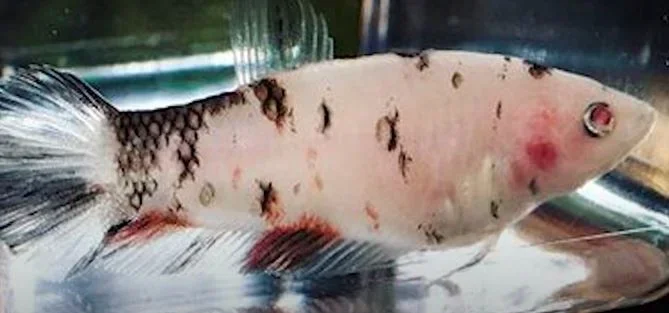
Physical changes in the eyes are among the clearest indicators. Cloudy betta fish eyes can signal infection, injury, or the beginning of blindness. Swelling around one or both eyes suggests inflammation or an underlying eye disease. Sometimes the eyes may appear bulging or sunken, depending on the cause.
Staying in One Spot or Hiding Excessively
Blind bettas often feel vulnerable and unsafe. They may hide behind plants or stay in one corner of the tank for long periods. This behavior differs from normal resting. A betta fish not responding to movement around its tank is a strong clue that something is off with its eyesight.
Abnormal Swimming Patterns
Watch how your betta moves through the water. A blind fish may swim in erratic patterns, swim into the current awkwardly, or float at odd angles. Some blind bettas lean heavily to one side or swim in tight circles. These patterns can also overlap with swim bladder issues, so observe carefully.
Common Causes of Blindness in Betta Fish
Understanding what caused your betta’s blindness helps you treat the problem and prevent it from worsening. Several factors can lead to betta fish losing eyesight, and some are entirely preventable.
Eye Infections
Bacterial and fungal infections are leading causes of betta eye problems. Poor water quality introduces harmful pathogens that attack the delicate eye tissue. Symptoms include redness, cloudiness, and discharge around the eye. If left untreated, infections can spread and cause permanent vision loss.
Physical Injuries
Betta fish are curious swimmers. They sometimes collide with sharp decorations, rough filter intakes, or hard tank edges. These injuries can damage the eye directly or cause internal swelling that presses on the optic nerve. Betta fish eye injury from sharp gravel or plastic plants is a common culprit.
Poor Water Quality
Dirty water stresses your betta and weakens its immune system. Ammonia and nitrite spikes are particularly dangerous. Over time, prolonged exposure to poor conditions can lead to eye degeneration. Cloudy tank water is not just ugly; it is a warning sign that your fish’s health is at risk.
Age-Related Vision Decline
Like all living creatures, bettas experience natural aging. Older bettas may develop cataracts or gradual eye clouding that leads to partial or full blindness. This process is slow and usually affects bettas that are two years old or older. You can learn more about how to tell your betta’s age to better understand if age-related changes are normal.
Genetic Factors and Breed Traits
Some betta breeds are more prone to eye problems than others. Fancy bettas with exaggerated features sometimes have naturally smaller or protruding eyes. White opal and light-colored bettas may show blindness more visibly because their eyes lack pigmentation. If you own a white opal betta, pay extra attention to eye clarity.
Signs and Symptoms of a Blind Betta Fish
Now that you know the causes, let us look at the full picture of signs of blindness in betta fish. Recognizing multiple symptoms together gives you a clearer diagnosis.
Behavioral Checklist
- Failure to track food when it drops into the tank
- Constant collisions with walls, plants, or decorations
- No reaction to hand movement outside the glass
- Reluctance to explore new areas of the tank
- Staying near the bottom or hiding in one spot
- Startling easily from vibrations rather than visual cues
- Loss of interest in flaring at reflections
Physical Symptoms to Monitor
- Cloudy or milky appearance on one or both eyes
- Swelling or bulging around the eye area
- Redness or inflammation near the eye
- White film covering the eye surface
- Sunken or recessed eyes indicating tissue damage
- Uneven pupil size between the two eyes
If you notice a combination of these behavioral and physical signs, it is time to take action. The sooner you address the issue, the better your betta’s chances of recovery or comfortable adjustment.
How to Care for a Blind Betta Fish
Caring for a blind betta fish requires some adjustments, but it is absolutely doable. These fish adapt remarkably well when their environment is consistent and safe.
Keep the Tank Layout Consistent
Blind bettas memorize their surroundings. Once they learn where every plant, rock, and corner is, moving things around causes confusion and stress. Keep your aquarium decorations for blind fish in fixed positions. Avoid rearranging the tank unless absolutely necessary.
Feed with Scent and Sound Cues
Since blind bettas cannot see food, you need to help them find it. Drop pellets near their favorite spot so they can use their sense of smell to locate meals. Some owners gently tap the water before feeding to create a vibration signal. This helps the betta associate the sound with mealtime. You can also learn more about proper feeding techniques in our guide on how to feed your betta fish.
Maintain Pristine Water Conditions
A blind betta relies more heavily on its other senses, which means water quality matters even more. Poor water irritates the remaining senses and can lead to secondary health problems. Test your water parameters weekly. Keep ammonia and nitrite at zero, and maintain a stable temperature between 78 and 80 degrees Fahrenheit.
Use Soft, Rounded Decorations
Remove any sharp or rough objects from the tank. Replace plastic plants with silk alternatives or live plants with soft leaves. Smooth gravel or a bare-bottom tank prevents injuries. A blind betta cannot see obstacles, so every surface it touches should be safe.
Consider Tank Mates Carefully
Blind bettas are more vulnerable in community tanks. They cannot dodge aggressive fish or compete for food effectively. A solo setup is often the safest choice. If you do keep tank mates, choose peaceful species that do not nip at fins or compete for the same food sources.
Monitor for Stress and Depression
Blindness can cause significant stress in bettas. Watch for signs of betta fish depression such as clamped fins, loss of color, or refusal to eat. If you notice these signs, consider adding gentle enrichment like soft currents from a sponge filter or quiet music near the tank to create a calming environment.
Can Blindness in Betta Fish Be Treated?
The answer depends on the cause and how quickly you act. Some forms of betta fish eye problems are reversible, while others require long-term management.
Treatable Causes
Eye infections caught early often respond well to medication. Antibacterial treatments and aquarium salt baths can clear up bacterial eye diseases. If the blindness stems from poor water quality, a series of water changes and improved filtration can halt the damage and sometimes restore partial vision.
Injuries that cause temporary swelling may heal with proper care. Remove any sharp objects from the tank and add aquarium salt to reduce inflammation. Keep the water immaculate to prevent secondary infections. You can find helpful advice on how to help a betta fish that is sick to support recovery.
Managing Permanent Blindness
If the optic nerve is damaged or the eye has suffered irreversible trauma, full vision recovery may not be possible. In these cases, focus on creating a safe, enriching environment. Many blind bettas live full lifespans of three to five years with proper care. They adapt surprisingly well and continue to show their vibrant personalities.
For broader health concerns that accompany vision loss, check our article on how to tell if your betta fish is sick for a comprehensive overview of common betta illnesses.
Preventing Eye Problems in Betta Fish
Prevention is always better than cure. Taking proactive steps protects your betta’s eyes and overall health.
Maintain Excellent Water Quality
Perform regular water changes of 25 to 30 percent every week. Use a gentle gravel vacuum to remove debris from the substrate. Test water parameters frequently. Clean water is the foundation of a healthy betta and the single most effective way to prevent eye infections.
Choose Safe Tank Decorations
Avoid sharp plastic plants, rough rocks, and open-filter intakes. Opt for silk plants, smooth stones, and sponge filters. Every item in your tank should be soft and betta-safe. This simple step prevents the betta fish eye injury that leads to blindness.
Feed a Balanced Diet
Proper nutrition supports eye health. Feed high-quality pellets as the staple diet and supplement with frozen or live foods like brine shrimp and bloodworms. A nutrient-rich diet boosts the immune system and helps your betta fight off infections that could threaten its eyes.
Watch for Early Warning Signs
Check your betta’s eyes during every feeding session. Look for cloudiness, swelling, or discoloration. Catching eye problems early gives you a much better chance of successful treatment. If you also notice your betta struggling to swim or showing other unusual behaviors, investigate immediately.
Keep Stress Levels Low
Stressed bettas are more susceptible to illness. Provide a tank of at least five gallons, keep the water temperature stable, and avoid loud noises or vibrations near the tank. A calm, stable environment strengthens your betta’s immune response and protects its eyes from stress-related damage.
When to See a Veterinarian
Some eye problems resolve with home care, but others need professional attention. If your betta shows severe swelling, pus-like discharge, or rapidly worsening cloudiness, consult a fish veterinarian. Persistent blindness that does not improve with water changes and medication may indicate a deeper health issue. A vet can prescribe targeted treatments that go beyond over-the-counter remedies.
Remember that how to tell if my betta fish is blind is just the first step. The real goal is taking action to help your fish live comfortably, whether that means treating an infection or adjusting its environment for permanent vision loss.
Conclusion
Learning how to tell if my betta fish is blind empowers you to become a better fish owner. You now know the key signs to watch for, the common causes behind vision loss, and the practical steps to care for a blind betta. From cloudy eyes and bumping behavior to infections and injuries, blindness in bettas is manageable with patience and knowledge.
Your betta fish depends on you for its well-being. By keeping the water clean, the tank safe, and the feeding routine consistent, you give your fish the best possible life. Whether your betta loses its sight temporarily or permanently, it can still thrive and bring joy to your home. Stay observant, act quickly, and never underestimate the resilience of these beautiful little fish.
If you found this guide helpful, share it with other betta keepers. And if you want to ensure your betta stays happy overall, read our article on how to know if your betta fish is happy for tips on spotting a content and healthy fish.
Frequently Asked Questions
Can a blind betta fish still eat on its own?
Yes, most blind bettas learn to find food using their sense of smell and water vibrations. Feeding near their favorite spot and using consistent feeding routines helps them locate meals easily. You can also use scent-rich foods like bloodworms to attract them to the food.
How long can a betta fish live if it is blind?
Blind bettas can live a full lifespan of three to five years with proper care. The blindness itself does not shorten their life. What matters most is maintaining clean water, a safe tank environment, and a consistent feeding schedule to keep them healthy and stress-free.
Is betta fish blindness contagious to other fish?
Blindness itself is not contagious. However, if the underlying cause is a bacterial or fungal infection, that infection could potentially spread to other fish in the tank. Quarantine affected fish and treat infections promptly to protect your entire tank community.
Can poor water quality cause a betta fish to go blind?
Yes, prolonged exposure to ammonia and nitrite spikes can damage a betta’s eyes and lead to blindness. Poor water quality also weakens the immune system, making the fish vulnerable to infections that attack eye tissue. Regular water changes and parameter testing are essential prevention steps.
What is the difference between a betta fish going blind and a betta fish dying?
Blindness affects only the fish’s vision, while a dying fish shows multiple symptoms like labored breathing, loss of color, and inability to swim. If your betta is bumping into things but still eating and swimming actively, it is likely experiencing vision loss rather than being at end of life. Check out our guide on how to tell if your betta fish is dying for clear distinguishing signs.
Are white betta fish more likely to go blind than other colors?
White and light-colored bettas do not go blind more often, but blindness is easier to spot in them because their eyes lack dark pigmentation. This makes any cloudiness or swelling more visible. If you own a white opal betta and notice eye changes, investigate immediately to catch problems early.