Is Krill Fish Oil Better
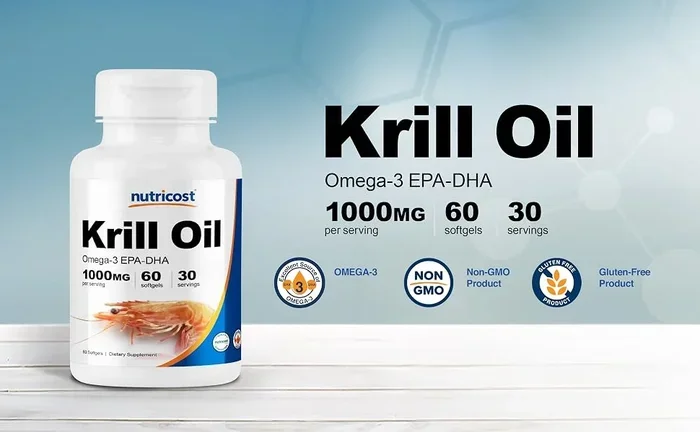
Krill fish oil offers superior absorption and fewer side effects compared to traditional fish oil. The phospholipid structure in krill oil helps your body use omega-3s more efficiently, making it a popular choice for heart and joint health. Both supplements deliver essential EPA and DHA, but krill oil wins on bioavailability and sustainability for many users.
Is krill fish oil really better than regular fish oil? This is a question that health enthusiasts and supplement users ask all the time. The short answer is: it depends on what you want from your omega-3 supplement. Krill oil has been gaining popularity fast, and for good reason. But fish oil still holds its ground as the most studied omega-3 source on the market.
In this article, we break down everything you need to know. We compare the two side by side, look at the science, and help you decide which one fits your needs best. Whether you are shopping for omega-3 supplements or just curious about the differences, this guide has you covered.
Key Takeaways
- Better Absorption: Krill oil delivers omega-3s in phospholipid form, which your body absorbs more easily than the triglyceride form in fish oil.
- Fewer Side Effects: Krill fish oil causes less fishy aftertaste and reflux compared to regular fish oil supplements.
- Joint and Heart Support: Both oils support joint health and cardiovascular function, but krill oil may offer stronger anti-inflammatory benefits.
- Sustainability Factor: Krill is a highly sustainable resource, making krill oil a more eco-friendly choice for conscious consumers.
- Price Difference: Krill oil typically costs more per serving than fish oil, but many users find the benefits worth the extra investment.
- Which One Should You Choose? Your health goals, budget, and tolerance will determine whether krill or fish oil is the better option for you.
📑 Table of Contents
What Is Krill Fish Oil and How Does It Work?
Krill fish oil comes from tiny shrimp-like creatures called krill. These small crustaceans live in cold ocean waters and are packed with omega-3 fatty acids. The key difference lies in how the omega-3s are structured inside krill oil.
In fish oil, omega-3s are stored as triglycerides. Your body has to break these down before it can use them. In krill oil, omega-3s are bound to phospholipids. This structure is similar to the walls of your own cells, which means your body can absorb them faster and more efficiently.
Krill oil also contains a powerful antioxidant called astaxanthin. This gives krill oil its red color and helps protect the omega-3s from oxidation. Fish oil does not contain astaxanthin naturally, though some brands add it as a preservative.
Key Nutrients in Krill Oil
- EPA and DHA: The two most important omega-3 fatty acids for heart, brain, and joint health.
- Phospholipids: Enhance absorption and cell membrane support.
- Astaxanthin: A potent antioxidant that fights oxidative stress.
- Choline: Supports brain function and liver health.
Krill Oil vs Fish Oil: The Great Comparison
When it comes to choosing between krill oil and fish oil, there are several factors to consider. Let us walk through the main differences so you can make an informed decision.
Absorption Rate
This is where krill oil really shines. Because the omega-3s in krill oil are in phospholipid form, they are absorbed more quickly by your body. Studies suggest that krill oil delivers higher levels of EPA and DHA into your bloodstream compared to an equivalent dose of fish oil.
What does this mean for you? You may need a smaller dose of krill oil to get the same benefits as fish oil. This is a big deal for people who do not like taking large capsules.
Fishy Aftertaste and Side Effects
One of the biggest complaints about fish oil is the fishy burps and aftertaste. Krill fish oil causes significantly fewer of these issues. The phospholipid structure helps prevent the oil from going rancid in your stomach, which is the main cause of fishy reflux.
If you have ever stopped taking fish oil because of the taste, krill oil might be the solution you have been looking for.
Pricing and Value
Let us talk numbers. Krill oil generally costs more per serving than fish oil. A month’s supply of quality fish oil might run you around $10 to $15, while krill oil can range from $20 to $35.
However, because krill oil is absorbed more efficiently, you may need fewer capsules. This can offset the higher price tag for many users. Think of it as paying a bit more upfront for better value per dose.
| Feature | Krill Oil | Fish Oil |
|---|---|---|
| Absorption | High (phospholipid form) | Moderate (triglyceride form) |
| Fishy Aftertaste | Low | Moderate to High |
| Price per Serving | Higher | Lower |
| Antioxidants | Yes (astaxanthin) | Usually no |
| Sustainability | Excellent | Varies by brand |
| Research Base | Growing | Extensive |
Health Benefits of Krill Fish Oil
Both krill oil and fish oil share many health benefits because they both provide EPA and DHA. But krill oil has some unique advantages worth highlighting.
Heart Health
Omega-3 fatty acids are well known for supporting heart health. They help reduce triglyceride levels, lower blood pressure, and decrease the risk of heart disease. Krill oil delivers these benefits effectively, and some studies suggest the phospholipid form may be even more effective at reducing LDL cholesterol.
If you are focused on cardiovascular health, you might want to check out our article on is krill oil better than fish oil for a deeper dive into the heart health comparison.
Joint Health and Inflammation
Chronic inflammation is at the root of many health problems, especially joint pain and arthritis. EPA and DHA are powerful natural anti-inflammatories. Krill oil’s superior absorption means it may deliver stronger anti-inflammatory effects at lower doses.
For those dealing with arthritis or joint stiffness, krill fish oil could be a game-changer. It helps reduce swelling, ease stiffness, and improve mobility over time.
Brain Health and Mood
Your brain is about 60% fat, and omega-3s are essential for keeping it healthy. DHA makes up a large part of your brain cell membranes. It supports memory, focus, and cognitive function.
There is also growing evidence that omega-3s help with mood regulation and may reduce symptoms of depression and anxiety. The phospholipid form in krill oil may cross the blood-brain barrier more efficiently, making it a strong choice for brain health.
Skin Health
Omega-3s nourish your skin from the inside out. They help maintain the skin barrier, reduce dryness, and protect against UV damage. The astaxanthin in krill oil adds an extra layer of protection by neutralizing free radicals that accelerate skin aging.
Is Fish Oil Still Worth Taking?
Absolutely. Fish oil has decades of research behind it, and it remains one of the most trusted omega-3 supplements available. If you are on a tight budget or just starting out with omega-3 supplementation, fish oil is a solid choice.
Fish oil is widely available, comes in various strengths, and is often recommended by doctors. Many high-quality fish oil brands undergo third-party testing for purity and potency, which gives you peace of mind.
If you want to learn more about the specific advantages of each, read our detailed comparison at which is better to take fish oil or krill oil.
When Fish Oil Makes More Sense
- You are looking for a budget-friendly omega-3 option.
- You need a high EPA-to-DHA ratio for specific health goals.
- You have been taking fish oil with no side effects.
- You want a product with a long track record of research.
How to Choose the Right Omega-3 Supplement
Choosing between krill oil and fish oil comes down to your personal needs and goals. Here are some practical tips to guide your decision.
Check the EPA and DHA Content
Not all supplements are created equal. Look at the label and check the actual milligrams of EPA and DHA per serving. This matters more than the total fish oil or krill oil amount. A higher concentration of EPA and DHA means you are getting more of what your body actually needs.
Look for Third-Party Testing
Choose brands that are third-party tested for purity. This ensures the product is free from heavy metals like mercury, PCBs, and other contaminants. Reputable brands will display certification logos from organizations like IFOS or NSF on their labels.
Consider Your Health Goals
- Heart health: Both oils work well, but krill oil may have a slight edge.
- Joint pain: Krill oil’s anti-inflammatory properties make it a strong contender.
- Brain function: The phospholipid form in krill oil may offer better brain absorption.
- General wellness: Either oil will serve you well if you maintain consistent daily intake.
Start with a Small Dose
Whichever you choose, start with a smaller dose and see how your body responds. This helps you avoid any digestive discomfort and lets you gauge effectiveness before committing to a full bottle.
Expert Insight: Many nutritionists recommend trying krill oil first if you have never taken an omega-3 supplement before. The better tolerance and absorption rate make it easier to stick with a daily routine.
Common Mistakes to Avoid
Here are some pitfalls that many people fall into when shopping for omega-3 supplements:
- Buying based on price alone: The cheapest option is not always the best. Quality matters more than cost.
- Ignoring the expiration date: Omega-3 oils can go rancid. Always check the expiration date and store your supplements properly.
- Taking too much too soon: Start with a moderate dose and increase gradually to avoid digestive issues.
- Skipping the label: Always read the supplement facts panel. Look for the EPA and DHA amounts, not just the total oil content.
- Not pairing with food: Taking omega-3 supplements with a meal that contains fat improves absorption and reduces the chance of fishy reflux.
Final Verdict: Is Krill Fish Oil Better?
So, is krill fish oil actually better? The answer depends on your priorities. If you want superior absorption, fewer side effects, and a more sustainable product, krill oil is the winner. If you are watching your budget or want a supplement with a long history of research, fish oil is hard to beat.
Both options deliver essential omega-3 fatty acids that your body needs. The best choice is the one you will take consistently every day. Consistency matters more than which specific product you pick.
For those interested in exploring more about the krill oil vs fish oil debate, check out our article on why krill oil is better than fish oil for additional insights and research-backed comparisons.
Whichever you choose, you are already taking a smart step for your health. Omega-3 supplementation is one of the simplest and most effective things you can do for your heart, brain, joints, and overall well-being.
Frequently Asked Questions
What is the main difference between krill oil and fish oil?
The main difference lies in how omega-3s are structured. Krill oil contains omega-3s in phospholipid form, which your body absorbs more easily. Fish oil contains omega-3s in triglyceride form, which requires more digestion before absorption.
Can I take both krill oil and fish oil together?
It is generally not necessary to take both. They provide the same core omega-3 fatty acids. Taking both could lead to exceeding recommended daily doses of EPA and DHA. Stick with one that fits your needs and budget.
Does krill oil have any side effects?
Krill oil is well tolerated by most people. Some users may experience mild digestive discomfort, especially when starting out. It is also important to note that krill is a shellfish, so those with shellfish allergies should consult a doctor before taking it.
How long does it take to see results from krill fish oil?
Most people start noticing benefits within 4 to 6 weeks of consistent daily use. Joint pain may improve sooner, while heart and brain benefits build up over time with regular supplementation.
Is krill oil more sustainable than fish oil?
Yes, krill is considered a highly sustainable resource. Krill populations are abundant, and harvesting is tightly regulated in the Southern Ocean. Fish oil sources vary widely in sustainability depending on the species and fishing practices used.
Which omega-3 supplement is best for beginners?
For beginners, krill fish oil is often recommended because of its better tolerance and absorption. The smaller capsules and lack of fishy aftertaste make it easier to stick with a daily routine compared to traditional fish oil.
=== CONCLUSION ===
Krill fish oil offers a compelling alternative to traditional fish oil. Its superior absorption, fewer side effects, and sustainable sourcing make it a top choice for many health-conscious individuals. That said, fish oil remains a reliable and well-researched option that delivers real omega-3 benefits at a lower price point.
The best omega-3 supplement is the one that matches your health goals, fits your budget, and works for your body. Consider trying krill oil if you have struggled with fish oil side effects or if you want a more efficient delivery system for your omega-3s.
Start with a quality product, take it consistently, and give your body time to respond. Your heart, brain, and joints will thank you for it.