How to Pick a Betta Fish at a Pet Store
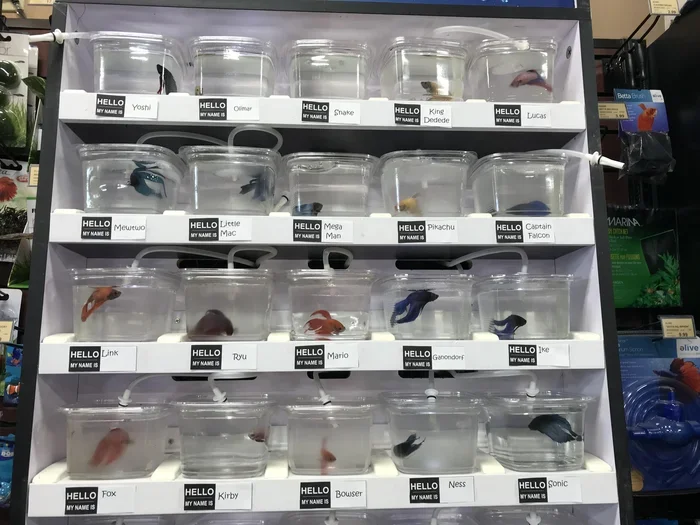
Knowing how to pick a betta fish at a pet store can make all the difference between a happy companion and a sickly fish. A healthy betta will have bright colors, flowing fins, and active behavior. This guide walks you through every step of selecting the right fish, from checking water conditions to understanding gender differences. You will also learn common red flags to avoid and how to prepare your tank before bringing your new pet home.
Walking into a pet store and staring at rows of betta fish can feel overwhelming. Colors, fins, and personalities all seem to compete for your attention. But picking the right one matters more than most people realize. A healthy betta fish can live five to seven years with proper care. A sickly one might barely make it through the week. That is why learning how to pick a betta fish at a pet store is such an important first step. This guide gives you everything you need to make a confident, informed choice.
Whether you are a complete beginner or someone who has owned bettas before, this betta fish buying guide will help you avoid common mistakes. You will learn what to look for in colors, fins, body shape, and behavior. You will also discover how store conditions affect fish health and what questions to ask before you buy. By the end, you will feel ready to bring home a happy, vibrant companion.
Key Takeaways
- Look for bright, vivid colors and intact fins: These are the first signs of a healthy betta fish that has been well cared for at the store.
- Check the store’s water conditions: Clean, properly heated water at the pet store tells you a lot about how the fish are being maintained.
- Watch the fish’s behavior: An active, curious betta is far more likely to thrive in your home than a lethargic or hiding one.
- Know the gender before you buy: Male and female bettas look and behave differently, and this affects tank setup and compatibility.
- Avoid fish showing signs of illness: White spots, clamped fins, or hollow eyes are clear warning signs you should not ignore.
- Prepare your tank in advance: Having a proper betta tank setup ready before purchase ensures a smooth transition for your new fish.
- Ask the store staff questions: Good pet stores welcome informed buyers and can share valuable details about each fish’s history.
📑 Table of Contents
- Why Choosing a Healthy Betta Fish Matters
- What to Look for When Picking a Betta Fish
- Understanding Betta Fish Gender and Age
- Red Flags to Watch Out For
- How Store Water Quality Affects Your Choice
- Practical Tips for Making the Final Decision
- Common Mistakes People Make When Picking a Betta Fish
- Expert Insights: What Experienced Fish Keepers Look For
- What to Do After You Bring Your Betta Home
- Conclusion
Why Choosing a Healthy Betta Fish Matters
Many people underestimate how much a fish’s early health affects its lifespan. A betta fish selection made in just a few minutes can determine whether your pet thrives or struggles. Sick fish need extra care, medication, and sometimes do not survive no matter what you do. On the other hand, a strong, healthy fish adapts quickly to a new home and shows off its full colors within days.
Pet stores vary widely in how they care for their fish. Some stores maintain excellent water quality and feed proper diets. Others cut corners, and the fish pay the price. This is exactly why knowing what to look for matters so much. You cannot always control store conditions, but you can control which fish you take home.
The Role of Store Conditions
Before you even look at individual fish, take a moment to observe the store environment. Are the tanks clean? Is the water clear or cloudy? Do the tanks have heaters? Bettas are tropical fish and need warm water between 76 and 82 degrees Fahrenheit. If the store keeps bettas in cold or room-temperature water, that is a major red flag.
Also look at how the fish are housed. Overcrowded tanks with aggressive fish nearby cause stress. Stressed fish are more prone to illness and have duller colors. A well-run store separates male bettas because they are territorial and will fight. If you see male bettas in shared tanks, that tells you the store does not follow proper betta fish care basics.
What to Look for When Picking a Betta Fish
Now let us get into the fun part. Here is exactly what you should examine when you stand in front of a tank full of bettas. Each of these points helps you judge whether a fish is truly healthy and ready for a new home.
Check the Colors First
Bettas come in stunning colors like royal blue, emerald green, deep red, and bright purple. A healthy betta will have vivid, saturated colors that look rich and vibrant. Avoid fish that look faded, pale, or washed out. Dull coloring often signals stress, poor nutrition, or illness.
Some bettas also display unique patterns like marble, butterfly, or koi coloring. These patterns should look defined and clean, not blurry or smeared. If a fish’s colors seem uneven or patchy, that could indicate a health problem or an improper diet at the store.
Examine the Fins Closely
The fins are one of the most beautiful features of a betta fish, and they also tell you a lot about its health. Look for fins that are full, flowing, and free of tears or ragged edges. A healthy male betta has long, elegant fins that trail gracefully behind the body.
Clamped fins are a warning sign. This is when a fish holds its fins close to its body instead of spreading them out. Clamped fins can indicate stress, poor water quality, or disease. Small tears might heal fine, but widespread fin damage suggests the fish has been living in bad conditions for a while.
Look at the Body Shape
A healthy betta should have a streamlined, slightly rounded body. The fish should swim upright and move with ease. Avoid any fish that looks bloated, thin, or curved to one side. A bloated belly can signal dropsy or digestive issues, while a thin, sunken body suggests malnutrition or internal parasites.
Gently watch the fish eat if the store allows it. A healthy betta will eagerly take food and swim to the surface with purpose. A fish that ignores food or struggles to eat needs a closer look before you consider bringing it home.
Observe Behavior and Energy Levels
Behavior tells you a lot about a betta’s overall well-being. An active betta fish will explore its tank, respond to movement outside the glass, and build bubble nests if it is a male. These are all positive signs that the fish is comfortable and healthy.
Watch out for fish that hang near the bottom of the tank, stay hidden behind decorations, or float motionlessly at the top. Some lethargy is normal if the store keeps the lights off, but a completely unresponsive fish is a concern. You want a fish that shows curiosity and energy, even in a busy pet store environment.
Understanding Betta Fish Gender and Age
Knowing the gender of your betta helps you plan the right tank setup and avoid unnecessary conflicts. Male and female bettas look quite different, and their care needs vary slightly. When you are learning how to pick a betta fish at a pet store, understanding these differences gives you an advantage.
Male vs. Female Betta Fish
Male bettas are the ones most commonly sold in pet stores. They have long, flowing fins, bright colors, and a distinctive egg-shaped spot called an ovipositor near their vent. Males are also the ones known for building bubble nests at the water surface.
Female bettas have shorter fins and a more streamlined body shape. They also have an ovipositor, but their coloring is usually less intense. Females can be kept in small groups called sororities under the right conditions, while males must always be housed alone. If you are unsure about gender, simply ask the store staff for help.
How Age Affects Your Selection
Younger bettas tend to adapt faster to new environments and often display more vibrant colors as they mature. Older fish may already show signs of aging like faded colors or slower movement. Both ages can make wonderful pets, but younger fish generally offer a longer companionship period. You can also learn how to tell the age of a female betta fish by observing color intensity and fin length over time.
Red Flags to Watch Out For
Not every fish in a pet store is a good candidate for your home. Some show clear warning signs that you should avoid. Here are the most important red flags to watch for when choosing your betta.
- White spots on the body or fins: This is a classic sign of ich, a common parasitic disease that spreads quickly. Learn more about how to treat ich on a betta fish if you ever encounter it later.
- Red or inflamed gills: This can indicate bacterial infection or poor water quality exposure.
- Eyes that appear cloudy or bulging: Cloudy eyes suggest serious health issues that may be difficult to treat.
- Open sores or missing scales: These indicate physical injury or advanced disease.
- Fish kept in dirty water: If the store does not maintain clean water, the fish will carry stress and illness into your home.
- Fish that gasp at the surface constantly: This often means low oxygen levels or ammonia buildup in the tank.
Remember, buying a sick fish does not just affect that individual fish. It can introduce diseases to your existing tank if you have one. Always be willing to walk away from a fish that does not look right. There will always be other healthy options available.
How Store Water Quality Affects Your Choice
Water quality is the foundation of betta health, and it starts at the pet store. If you want to understand how to properly care for your fish once you bring it home, learning about water preparation is essential. You can find detailed guidance on how to prepare water for a betta fish to ensure the best start for your new pet.
When you look at the betta tanks at the store, pay attention to a few key details. Is the water clear or murky? Are there debris or uneaten food floating around? Do the tanks have filters and heaters? Clean, warm, filtered water is a strong indicator that the store takes fish health seriously.
Also notice whether the store performs regular water changes. Tanks that look freshly maintained suggest the staff cares about the animals in their care. A store that neglects water quality is likely selling stressed, weakened fish that will struggle to adapt to your home.
If you want to understand more about maintaining proper water conditions at home, check out how to take care of a betta fish water. This knowledge will help you keep your new fish healthy from day one.
Practical Tips for Making the Final Decision
Once you have narrowed down your choices, here are a few final tips to help you make the best decision. These simple steps can save you from heartbreak and give your new fish the best possible start.
- Bring a clean container: Ask the store for a clean bag or bring your own small container with conditioned water. Never transport a betta in untreated tap water.
- Keep the journey short: Bettas are sensitive to temperature changes and stress. Get home quickly and acclimate your fish properly.
- Quarantine if possible: If you have other fish at home, keep your new betta in a separate tank for two to four weeks before introducing it to your main setup.
- Take your time: Do not rush the decision. Visit the store multiple times if needed and observe the same fish over a few days. A fish that looks great on Monday but sick on Wednesday is not a good choice.
- Ask questions: Good stores appreciate curious customers. Ask how long the fish has been in the store, what it has been fed, and whether any health issues have been noticed.
After you bring your betta home, the real journey begins. Setting up the right environment is crucial for long-term health. A proper betta tank setup includes a heater, a gentle filter, hiding spots, and enough space for your fish to swim comfortably. A tank of at least five gallons is recommended for a single betta.
Feeding plays a big role in keeping your fish vibrant and active. Learn how many pellets to feed a betta fish and how often to feed a betta fish to establish a healthy routine. Overfeeding is one of the most common mistakes new betta owners make, so portion control is key.
Common Mistakes People Make When Picking a Betta Fish
Even well-meaning pet owners make mistakes when selecting a betta fish. Here are the most common ones to avoid:
- Choosing the prettiest fish without checking health: A beautiful fish might be hiding illness behind its colors.
- Buying the first fish you see: Impulse decisions often lead to regret. Always compare multiple fish before choosing.
- Ignoring store conditions: If the store looks messy and the tanks look neglected, the fish are likely unhealthy too.
- Not planning the tank setup in advance: Bringing a betta home without a prepared tank causes unnecessary stress for both you and the fish.
- Assuming all bettas are the same: Each fish has its own personality and needs. What works for one betta may not work for another.
Avoiding these mistakes puts you ahead of most first-time betta owners. It shows that you care about giving your fish the best life possible, and that mindset makes all the difference.
Expert Insights: What Experienced Fish Keepers Look For
Experienced betta keepers know that the selection process is about more than just aesthetics. They look for a combination of physical health, behavioral cues, and environmental factors that beginners might overlook. Here is what the experts pay attention to when they are choosing a betta.
First, they check the water parameters in the store tanks. Temperature, pH, and ammonia levels all play a role in fish health. A betta raised in stable, clean water will be more resilient than one kept in fluctuating conditions. Second, experienced keepers watch how the fish interacts with its environment. A betta that explores every corner of the tank and responds to movement is mentally sharp and physically fit.
Finally, experts know the value of patience. They will pass on a fish that looks slightly imperfect but has strong fundamentals, knowing that a healthy foundation leads to a longer, happier life. This mindset is something every betta owner can adopt, whether you are a beginner or a seasoned hobbyist.
What to Do After You Bring Your Betta Home
The first 48 hours after bringing your betta home are critical. During this time, your fish is adjusting to a new environment, new water, and new surroundings. Here is how to make this transition as smooth as possible.
Start by floating the bag your fish came in on the surface of your tank for 15 to 20 minutes. This allows the water temperatures to equalize. Then, gradually add small amounts of your tank water to the bag over another 15 minutes. Finally, gently release the fish into your tank using a net. Avoid pouring the store water into your tank, as it may contain contaminants or pathogens.
Do not feed your fish for the first 12 hours after transport. This gives the digestive system time to settle. After that, offer a small amount of high-quality food and observe how your betta responds. A healthy fish will eat eagerly and swim normally within a day or two.
If you want to build a strong bond with your new companion over time, learning how to grow a bond with your betta fish can be incredibly rewarding. Simple actions like feeding at the same time each day and talking softly near the tank help your fish feel safe and comfortable.
Conclusion
Learning how to pick a betta fish at a pet store is a skill that pays off for years to come. A careful, informed selection leads to a happier, healthier fish that brings joy and color to your home. From checking colors and fins to observing behavior and store conditions, every detail matters.
Remember to avoid red flags, ask questions, and always have your tank ready before bringing a new fish home. The effort you put into choosing the right betta at the store sets the foundation for a rewarding companionship that can last half a decade or more. Trust your instincts, take your time, and enjoy the process of finding your perfect betta fish.
Frequently Asked Questions
How do I know if a betta fish is healthy at the pet store?
A healthy betta fish will have bright, vivid colors, flowing fins without tears, and active swimming behavior. Look for a fish that responds to movement, eagerly eats food, and explores its tank. Avoid fish with dull coloring, clamped fins, white spots, or lethargic behavior.
Can I buy a betta fish from a pet store if I have never owned one before?
Absolutely. Pet stores are a great place to start, as long as you know what to look for. Follow the tips in this guide to choose a healthy fish and ask the staff questions about care. With proper preparation and a well-settled tank, first-time owners can successfully keep bettas.
What should I bring with me when I go to pick out a betta fish?
Bring a clean container or bag with conditioned water for transporting your fish. Also bring a thermometer if possible, so you can check the temperature of the bag during the ride home. Having your tank already set up and running at home is the most important preparation you can make.
How long should I observe a betta fish before deciding to buy it?
Spend at least 10 to 15 minutes watching the fish before making a decision. Observe its movement, eating behavior if feeding is occurring, and interaction with its environment. If possible, visit the store on different days to see if the same fish remains consistently healthy and active.
Is it better to buy a male or female betta fish?
Male bettas are more commonly available and have longer, more colorful fins, making them popular choices. Female bettas are slightly hardier and can be kept in small groups. Your choice depends on your tank setup and personal preference. Both genders make wonderful pets when properly cared for.
What age betta fish should I look for at a pet store?
Younger bettas, typically around two to three months old, adapt well to new environments and have the potential to live five to seven years. Avoid fish that appear very old with faded colors and slow movement, but also avoid extremely young fry that may be too fragile for a first-time owner.