Why Is My Betta Fish Tail Down

Seeing your betta’s tail droop can be worrisome, but it’s often a sign of a treatable problem. This guide explains the most common reasons—stress, water quality, disease, and injury—and gives you clear steps to restore a bright, upright tail.
Key Takeaways
- Water quality matters: Poor parameters are the top cause of a low tail.
- Stress triggers drooping: Over‑crowding, bright lights, and sudden changes can make the tail sink.
- Infections are treatable: Fungal, bacterial, or parasitic illnesses often cause tail‑down posture.
- Physical injury needs prompt care: Torn fins or tail rot require quarantine and medication.
- Nutrition helps recovery: High‑protein foods and supplements boost fin health.
- Observe behavior: Pair tail position with swimming, eating, and breathing clues.
- Act quickly: Early intervention prevents permanent damage or loss of the tail.
📑 Table of Contents
- Introduction: When Your Betta’s Tail Looks Sad
- 1. Water Quality – The Hidden Culprit
- 2. Stress Factors – When the Environment Gets Too Loud
- 3. Disease and Infection – When the Tail Signals Illness
- 4. Physical Injury – Bumps, Scrapes, and Tail Rot
- 5. Nutrition – Feeding for Strong Fins
- 6. When to Seek Professional Help
- Putting It All Together – A Simple Checklist
- Conclusion: A Happy Tail Means a Happy Betta
Introduction: When Your Betta’s Tail Looks Sad
Imagine you’re watching your betta glide around its little palace, and suddenly its tail hangs low, almost touching the gravel. It’s a subtle change, but for any betta lover it feels like a red flag. “Why is my betta fish tail down?” you might wonder. The good news is that a drooping tail is usually a symptom, not a sentence. With a few simple checks you can often pinpoint the cause and turn that tail back up.
In this article we’ll walk through the most common reasons a betta’s tail points down, how to diagnose each one, and what you can do right now to help your fish feel better. We’ll keep the language friendly—think of us chatting over a cup of tea—so even beginners can follow along.
1. Water Quality – The Hidden Culprit
Why bad water makes the tail droop
Betta fish are surprisingly sensitive to the chemistry of their environment. High ammonia, nitrite spikes, or low dissolved oxygen can cause stress, which often shows up as a low‑lying tail. The fish may also try to conserve energy by keeping its fins close to the body.

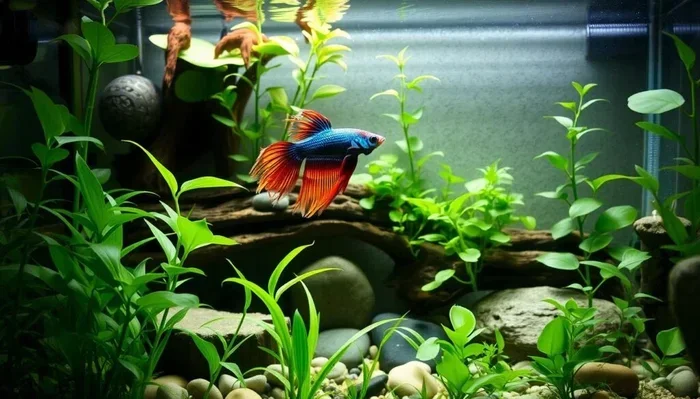
Visual guide about Why Is My Betta Fish Tail Down
Image source: cdn.iview.abc.net.au
How to test your water
- Use a liquid test kit or test strips to check ammonia, nitrite, nitrate, and pH.
- Measure temperature; bettas prefer 76‑82°F (24‑28°C).
- Check for dissolved oxygen; a gentle air stone can help.
Quick fixes
Do a partial water change (25‑30%) with conditioned water, and clean the substrate. If ammonia or nitrite is high, consider adding a bacterial supplement to boost bio‑filtration. Keep the tank covered to prevent rapid temperature swings.
2. Stress Factors – When the Environment Gets Too Loud
Common stressors that cause a tail‑down posture
- Bright, direct lighting for long periods.
- Frequent tapping on the glass or loud vibrations.
- Overcrowding or aggressive tank mates (even other bettas in a divider).
- Sudden changes in temperature or water parameters.
Reducing stress
Provide dimmable lighting, use a background to block outside view, and keep the tank in a quiet area. If you have a community tank, make sure the betta has plenty of hiding spots—plants, caves, or silk decorations.
3. Disease and Infection – When the Tail Signals Illness
Fungal, bacterial, and parasitic infections
Infections often cause the fin base to look swollen, discolored, or frayed, which can make the tail hang down. Look for white cotton‑like growth (fungus) or red streaks (bacterial infection). Parasites may cause tiny white spots along the fin.

Visual guide about Why Is My Betta Fish Tail Down
Image source: image.fmkorea.com
Treatment basics
- Isolate the sick betta in a quarantine tank.
- Use a broad‑spectrum antibacterial like Maracyn 2 for bacterial issues.
- For fungus, a dip in a dilute Melafix or formalin solution works well.
- Anti‑parasitic meds such as PraziPro are effective against Ich and velvet.
For more details on fin loss, see our article on why did my betta fish lose its tail. Understanding the disease process helps you act faster.
4. Physical Injury – Bumps, Scrapes, and Tail Rot
How injuries happen
Sharp décor, aggressive tank mates, or even a sudden crash into the glass can tear the delicate fin rays. If the wound gets infected, it can develop into tail rot, a serious condition that makes the tail sag and eventually disintegrate.
First‑aid steps
- Trim any ragged fin edges with sterilized scissors.
- Apply a short‑term antibacterial dip (e.g., API Melafix) for 30 seconds.
- Increase water changes to 50 % for the next few days.
- Monitor for signs of improvement; if the tail continues to deteriorate, consult a vet.
5. Nutrition – Feeding for Strong Fins
What a balanced diet looks like
Betta fish need high‑protein foods to maintain fin health. A diet of quality betta pellets, supplemented with frozen or live foods (brine shrimp, daphnia), provides essential amino acids.
Supplements that help
Vitamin C and biotin boosters can improve fin regeneration. Add a pinch of a commercial betta vitamin powder once a week.
6. When to Seek Professional Help
Red flags that mean “call a vet”
- Tail remains limp after 48 hours of water and diet correction.
- Swelling, discoloration, or foul odor around the tail base.
- Rapid weight loss, loss of appetite, or labored breathing.
For a broader view on serious health issues, read is my betta fish dying. A qualified aquatic vet can prescribe stronger antibiotics or recommend euthanasia if the fish’s quality of life is compromised.
Putting It All Together – A Simple Checklist
- Test water parameters and perform a partial change.
- Observe behavior: swimming, eating, breathing.
- Check the tail for signs of injury, fungus, or rot.
- Reduce stressors: lighting, noise, tank mates.
- Upgrade diet with high‑protein foods and vitamins.
- Isolate and treat if disease is suspected.
- Consult a vet if no improvement after 48‑72 hours.
Conclusion: A Happy Tail Means a Happy Betta
Seeing a drooping tail can feel alarming, but most of the time why is my betta fish tail down has a clear, fixable answer. By keeping water pristine, minimizing stress, feeding well, and acting quickly on signs of disease, you’ll likely see that tail perk up within a few days. Remember, a healthy betta is an active betta—watch for bright colors, vibrant fins, and confident swimming. If you ever feel stuck, don’t hesitate to check our other guides, such as why is my betta fish floating sideways, for more troubleshooting tips. With a little care, your betta will be showing off its glorious tail again in no time.
Frequently Asked Questions
Why is my betta fish tail hanging low?
Most often it’s a sign of stress, poor water quality, or an early infection. Checking the water and looking for other symptoms will point you to the cause.
Can a low tail indicate a serious disease?
Yes. Tail rot, fungal infections, and bacterial ulcers can make the tail droop. If you see discoloration, fraying, or a foul smell, treat immediately.
How long does it take for a tail to recover?
With proper care, many bettas show improvement in 2‑4 days. Full regeneration of torn fin rays may take 1‑2 weeks.
Should I change the water every day?
Daily full changes are unnecessary and can stress the fish. Perform a 25‑30 % change every 2‑3 days, and more often if parameters are off.
Is it safe to add a heater to fix a low tail?
If the water is below the ideal 76‑82°F range, a reliable heater can help. Keep the temperature steady and avoid sudden spikes.
Can diet alone fix a drooping tail?
Nutrition supports healing, but it won’t cure infections or water‑quality problems on its own. Combine a high‑protein diet with proper tank maintenance for best results.