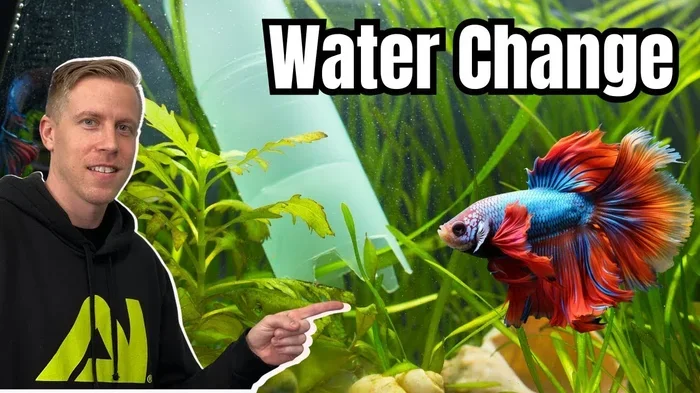
How Often Do I Clean a Betta Fish Tank

How often do I clean a betta fish tank? The answer depends on tank size, filtration, and stocking levels. Most betta tanks need a partial water change every one to two weeks and a full deep clean every four to six weeks. Following a consistent betta fish tank cleaning routine keeps your fish healthy, happy, and active.
Key Takeaways
- Partial water changes: Replace 25-30% of the water every 1-2 weeks to maintain clean water.
- Full deep cleans: Do a complete tank clean every 4-6 weeks, not more often.
- Watch for warning signs: Cloudy water, bad odor, and algae growth mean it is time to clean.
- Use the right tools: A gravel vacuum, water conditioner, and test kit make cleaning easier.
- Avoid over-cleaning: Cleaning too often can destroy beneficial bacteria and harm your betta.
- Feed wisely: Overfeeding creates waste that dirty the water faster.
- Match cleaning to your setup: Tanks with filters need less frequent cleaning than unfiltered bowls.
📑 Table of Contents
- Why Cleaning Your Betta Fish Tank Matters
- How Often Should You Clean a Betta Fish Tank?
- Signs That Your Betta Tank Needs Cleaning
- The Step-by-Step Tank Cleaning Process
- Common Mistakes That Harm Your Betta Tank
- Pro Tips for Keeping the Tank Sparkling Between Cleanings
- How Cleaning Frequency Compares by Tank Size
- Final Thoughts
Why Cleaning Your Betta Fish Tank Matters
A clean tank is not just about looks. It is about the health and lifespan of your betta fish. Dirty water causes stress, disease, and even death in bettas. When you understand how often do I clean a betta fish tank, you take the first step toward proper betta fish care.
Bettas produce waste just like every other fish. Their waste breaks down into ammonia. Ammonia is toxic even in small amounts. A good aquarium maintenance routine keeps ammonia, nitrite, and nitrate levels safe. This is especially important in small tanks where toxins build up fast.
Regular cleaning also removes uneaten food, algae, and debris. Without removal, these items rot and pollute the water. Your betta will thrive in a well-maintained environment. The key is consistency, not intensity.
How Often Should You Clean a Betta Fish Tank?
The short answer to how often do I clean a betta fish tank depends on several factors. Tank size, filter type, and stocking level all play a role. Let us break it down by scenario.
For Tanks With a Filter
If your betta lives in a filtered tank, you are in luck. Filters help cycle the water and grow beneficial bacteria. You should do a partial water change every 7 to 14 days. Replace about 25 to 30 percent of the water each time.
A full deep clean is only needed every 4 to 6 weeks. During a full clean, you rinse the filter media in old tank water. Never use tap water on your filter. Tap water kills the good bacteria your tank needs.
For Tanks Without a Filter
Unfiltered tanks need more frequent attention. You should do a partial water change every 3 to 5 days. Remove about 20 to 25 percent of the water each time. Without a filter, waste builds up much faster.
If you keep your betta in a bowl or vase, cleaning is even more frequent. Learn more about how often do I clean a betta fish bowl for specific guidance on bowl setups. Bowls lack filtration, so they require diligent maintenance.
For Larger Tanks (5 Gallons and Up)
Larger tanks are more stable. A 5-gallon tank or bigger can go longer between cleanings. A partial water change every 1 to 2 weeks works well. The larger water volume dilutes waste more effectively.
Many owners wonder about how long do betta fish live in a 5 gallon tank. The answer is closely tied to water quality. Clean water in a proper-sized tank can help your betta live 3 to 5 years or more.
Signs That Your Betta Tank Needs Cleaning
Do not wait for a calendar date to check your tank. Watch for these warning signs that tell you cleaning is overdue.
Cloudy or Discolored Water
Clear water should be the goal. If your water looks cloudy or yellowish, it is time for a change. Cloudiness often signals a buildup of bacteria or dissolved waste. This is one of the most obvious signs your betta tank cleaning schedule needs attention.
Bad Smell
A healthy betta tank should not smell bad. If you notice a rotten egg or ammonia smell, act fast. Bad odors mean harmful compounds are building up. This is dangerous for your fish.
Algae Overgrowth
Some algae is normal. Green coating on the glass or decorations means too much light or too many nutrients. Do a water change and reduce light exposure. Aim for 8 to 10 hours of light per day max.
Your Betta Acts Differently
Is your betta lethargic? Hiding more than usual? Not eating? These can be signs of poor water quality. Before assuming illness, check the water parameters first. Dirty water often mimics sickness symptoms.
The Step-by-Step Tank Cleaning Process
Now that you know how often do I clean a betta fish tank, let us walk through the actual cleaning process. Follow these steps for a safe and effective clean.
Step 1: Gather Your Supplies
Before you start, have everything ready. You will need:
- A gravel vacuum or siphon
- A clean bucket dedicated to fish use only
- Water conditioner to remove chlorine
- A fish net
- A soft sponge or algae scraper
- A thermometer to check water temperature
- A test kit for ammonia, nitrite, and nitrate
Having everything prepared prevents stress for both you and your betta. You can find a full list of recommended supplies in our guide on what all do I need for a betta fish tank.
Step 2: Remove Your Betta Safely
Gently scoop your betta into a clean container with some original tank water. Do not use soap or chemicals on anything that touches the water. Keep the container in a safe, stable spot away from direct light.
Step 3: Remove Debris from the Substrate
Use your gravel vacuum to suck up waste from the tank bottom. Focus on areas around decorations and corners. Remove about 25 to 30 percent of the total water volume.
Step 4: Clean the Glass and Decorations
Use an algae scraper or soft sponge on the tank walls. Do not use soap. Rinse decorations in the removed tank water, not tap water. Tap water contains chlorine that harms beneficial bacteria.
Step 5: Add Fresh Water
Fill the tank with dechlorinated water at the same temperature as the original water. Use your water conditioner to treat new water. Add it slowly to avoid disturbing your betta too much.
Step 6: Reintroduce Your Betta
Float the container with your betta in the tank for 15 to 20 minutes. This helps equalize the temperature. Then gently release your betta back into the clean water.
Common Mistakes That Harm Your Betta Tank
Many well-meaning owners make mistakes during cleaning. Avoid these common errors to keep your betta healthy.
Over-Cleaning the Tank
One of the biggest mistakes is cleaning too often or too thoroughly. Every time you clean, you remove beneficial bacteria. These bacteria are essential for the nitrogen cycle. Over-cleaning can cause ammonia spikes that endanger your fish.
Using Tap Water Without Conditioner
Tap water contains chlorine and chloramine. These chemicals kill fish and beneficial bacteria. Always use a water conditioner before adding new water to the tank. This is a non-negotiable step in any betta fish tank cleaning routine.
Replacing All the Water at Once
Never do a 100 percent water change unless absolutely necessary. Replacing all the water removes every beneficial bacterium. It also shocks your betta with sudden changes in pH and temperature. Stick to partial water changes.
Ignoring the Filter
If your tank has a filter, do not clean it with tap water. Rinse filter media in old tank water to preserve good bacteria. Replacing filter media too often also disrupts the cycle.
Overfeeding Your Betta
Extra food rots quickly and pollutes the water. Feed your betta small amounts 1 to 2 times per day. Remove any uneaten food within 5 minutes. Learn more about how often do I feed a betta fish to get the feeding schedule right.
Pro Tips for Keeping the Tank Sparkling Between Cleanings
Make your regular cleaning sessions easier with these expert tips. A little prevention goes a long way.
- Do small water changes weekly. Even a 10 to 15 percent change keeps waste levels low between big cleanings.
- Use a gravel vacuum regularly. This removes fish waste from the substrate before it breaks down into ammonia.
- Add live plants. Live plants absorb nitrates and help keep water clean naturally. They also make the tank look beautiful.
- Do not overcrowd the tank. Bettas do best alone or with very few tank mates. More fish means more waste.
- Use a water test kit weekly. Testing lets you catch problems before they become visible. Track ammonia, nitrite, and nitrate levels.
- Clean the glass weekly. A quick algae wipe takes two minutes and keeps the tank looking great.
- Match your cleaning to the tank size. Smaller tanks need more frequent attention than larger ones.
If you want to see a visual guide, check out our how to clean a betta fish tank youtube video for a step-by-step walkthrough.
How Cleaning Frequency Compares by Tank Size
The size of your tank directly affects how often you need to clean. Here is a quick comparison.
| Tank Size | Partial Water Change | Full Deep Clean |
|---|---|---|
| 1 Gallon | Every 3-5 days (25%) | Every 2 weeks |
| 2.5 Gallons | Every 5-7 days (25%) | Every 3 weeks |
| 5 Gallons | Every 7-14 days (25-30%) | Every 4-6 weeks |
| 10 Gallons | Every 10-14 days (20-25%) | Every 6-8 weeks |
Remember, these are general guidelines. Your specific setup may require more or less frequent cleaning. Always test the water before deciding if a clean is needed.
Final Thoughts
How often do I clean a betta fish tank does not have a one-size-fits-all answer. Your cleaning schedule depends on tank size, filtration, feeding habits, and stocking levels. The most important thing is to stay consistent and watch your tank closely.
A little regular maintenance beats a big deep clean every time. Your betta fish will thank you with bright colors, active swimming, and a long, healthy life. Start with the basics, build a routine, and adjust as you learn your specific tank’s needs.
Keep learning about betta fish care and aquarium maintenance. The more you know, the easier it gets. Your betta deserves a clean and safe home, and now you have everything you need to provide one.
Frequently Asked Questions
How often do I need to clean a betta fish tank?
For most filtered betta tanks, a partial water change every 1 to 2 weeks is enough. A full deep clean every 4 to 6 weeks keeps the tank in great shape. Unfiltered tanks or bowls need more frequent attention, often every 3 to 5 days.
Can I clean my betta fish tank too often?
Yes, over-cleaning is a real problem. It strips away beneficial bacteria that keep the water safe. Stick to partial water changes and avoid full cleans unless the water quality has seriously declined.
What happens if I do not clean my betta fish tank?
Waste builds up and raises ammonia levels. High ammonia causes stress, illness, and can be fatal. Regular cleaning prevents toxic buildup and keeps your betta healthy and active.
Do I need a gravel vacuum to clean a betta tank?
A gravel vacuum is highly recommended. It removes waste from the substrate without disturbing the tank too much. You can also use a turkey baster for small tanks as an alternative.
Should I remove my betta during tank cleaning?
Yes, it is best to gently move your betta to a clean container with some original tank water. This protects your fish from stress and prevents accidental injury during the cleaning process.
How do I know if my betta tank water is safe after cleaning?
Use a water test kit to check ammonia, nitrite, and nitrate levels. All should read zero or near zero. Also make sure the water temperature matches the tank before reintroducing your betta.