Are Betta Fish Durable

Betta fish are surprisingly resilient when given proper conditions, but they’re not indestructible. Understanding water quality, diet, and tank setup is key to maximizing their durability and enjoying a healthy, colorful companion.
Key Takeaways
- Durability depends on environment: Clean water, stable temperature, and proper tank size are essential.
- Nutrition matters: A balanced diet of high‑quality pellets and occasional treats boosts immunity.
- Stress is the biggest enemy: Overcrowding, aggressive tank mates, and sudden changes weaken bettas.
- Regular health checks: Spotting early signs of disease can extend a betta’s life dramatically.
- Genetics play a role: Some strains are hardier than others; research before buying.
- Proper maintenance: Weekly water changes and filter cleaning keep the habitat stable.
- Longevity is achievable: With optimal care, bettas often live 3–5 years, and sometimes longer.
📑 Table of Contents
- Introduction: Why the Question “Are Betta Fish Durable?” Matters
- Understanding Betta Biology: What Makes Them Unique?
- Key Factors That Influence Betta Durability
- Practical Tips to Boost Betta Durability
- Common Myths About Betta Durability
- Real‑World Examples: Betta Success Stories
- Answering the Core Question: Are Betta Fish Durable?
- Conclusion: Your Role in Betta Durability
- Further Reading
Introduction: Why the Question “Are Betta Fish Durable?” Matters
Anyone who’s ever watched a bright, flaring betta dance across the surface of a small bowl knows they’re eye‑catching. Yet many beginners wonder: are betta fish durable enough to survive the mistakes we sometimes make?
It’s a fair question. Betta fish (also called Siamese fighting fish) are tough in some ways—able to breathe air from the surface thanks to a special organ called the labyrinth—but they’re also delicate when it comes to water quality, temperature swings, and stress. In this article we’ll break down exactly what makes a betta durable, the common pitfalls that shorten their lives, and practical steps you can take to give your fish the best chance at a long, healthy existence.
Understanding Betta Biology: What Makes Them Unique?
Labyrinth Organ – A Built‑In Survival Tool
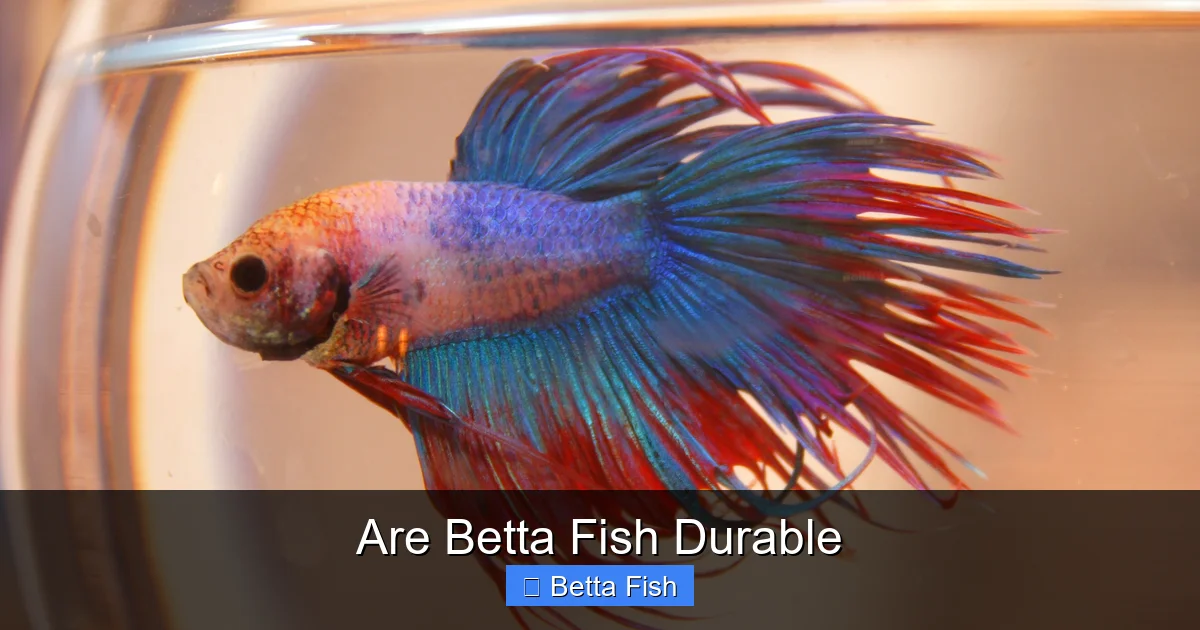
The labyrinth organ lets bettas gulp oxygen directly from the air. This adaptation means they can survive in low‑oxygen water that would quickly kill many other fish. That’s one reason why people think bettas are “hardy.” However, this organ does not protect them from poor water chemistry or disease.
Visual guide about Are Betta Fish Durable
Image source: fishkeepingadvice.com
Natural Habitat and Temperature Preferences
In the wild, bettas live in shallow rice paddies and slow‑moving streams of Thailand and Cambodia, where water temperatures stay between 76°F and 82°F (24°C‑28°C). Replicating that stable warmth in the home aquarium is crucial; sudden drops can stress the fish and weaken its immune system.
Genetics and Strain Variability
Selective breeding has produced a dazzling array of colors and fin types—veiltail, crown, halfmoon, and more. Some of these fancy strains are more prone to fin rot or swim‑bladder issues, which can affect durability. When you ask are betta fish durable, the answer can vary by strain as well as by care.
Key Factors That Influence Betta Durability
Water Quality: The Foundation of Health
Even the toughest betta will suffer if the water is dirty. Ammonia and nitrite spikes are lethal. Use a reliable test kit to monitor:
Visual guide about Are Betta Fish Durable
Image source: buildyouraquarium.com
- Ammonia: 0 ppm
- Nitrite: 0 ppm
- Nitrate: < 20 ppm (ideal), up to 40 ppm is acceptable
- pH: 6.5–7.5
Regular partial water changes (about 25 % weekly) keep these parameters in check and are one of the most important actions to answer “are betta fish durable.”
Tank Size and Setup
Despite the myth that bettas can live forever in a 2‑liter bowl, a minimum of 5 gallons (19 L) is recommended for a single male. Larger volume means more stable temperature and less waste buildup. Include a gentle filter (or a sponge filter) and a heater to maintain consistent warmth.
Diet: More Than Just Pellets
High‑quality betta pellets should make up about 80 % of the diet. Supplement with live or frozen foods such as daphnia, brine shrimp, or bloodworms a few times a week. This variety provides essential fatty acids and helps prevent boredom, which can lower stress levels.
Stress Triggers
Stress is the silent killer of bettas. Common stressors include:
- Rapid temperature changes
- Strong currents from over‑powerful filters
- Bright, flickering lights
- Incompatible tank mates (especially other males)
- Frequent handling or tapping on the glass
Minimizing these factors directly improves the answer to “are betta fish durable.”
Health Monitoring and Early Intervention
Regularly inspect your fish for signs of disease: faded colors, torn fins, clamped fins, white spots, or abnormal swimming. Early treatment with appropriate medication (e.g., anti‑fungal or antibacterial) can save a betta that might otherwise succumb.
Practical Tips to Boost Betta Durability
1. Set Up a Proper Tank From Day One
Start with a 5‑gallon tank, a reliable heater set to 78°F (25.5°C), and a gentle filter. Add a layer of fine gravel and a few live plants like Java fern or Anubias. Plants not only hide equipment but also help absorb nitrates.
Visual guide about Are Betta Fish Durable
Image source: aquariumfishonline.com.au
2. Master Water Changes
Use a siphon to remove debris and replace 25 % of the water weekly. Match the temperature of the new water to the tank’s temperature to avoid shock. This routine keeps ammonia low and supports a durable betta.
3. Feed Smart, Not Lots
Offer only what your betta can consume in 2–3 minutes, twice a day. Overfeeding leads to waste, higher nitrate, and cloudy water—all enemies of durability.
4. Provide Enrichment
Betta fish love to explore. Add smooth caves, plastic plants, or a floating log. Changing the layout occasionally stimulates natural behavior and reduces stress.
5. Monitor and Adjust Temperature
Invest in a digital aquarium thermometer. If the room temperature fluctuates, consider a thermostat or a heater with an automatic shut‑off. Stable temperature is a cornerstone of answering “are betta fish durable.”
6. Quarantine New Arrivals
If you add a new betta or any other fish, keep it in a separate quarantine tank for at least two weeks. This prevents hidden parasites from harming your resident betta.
Common Myths About Betta Durability
Myth 1: Betta Fish Can Live Forever in Tiny Bowls
While the labyrinth organ lets them survive low oxygen, it does not protect them from toxic waste buildup. Small bowls quickly become polluted, leading to disease and a short lifespan.
Myth 2: Male Betta Aggression Means They’re Tough
Male bettas are aggressive toward other males, but that aggression doesn’t translate to overall hardiness. In fact, constant fighting can wear them down and shorten their lives.
Myth 3: “No‑Filter” Setups Are Safer
Filters help maintain water quality, which is the most important factor for durability. If you choose a no‑filter setup, you must perform much more frequent water changes—often daily.
Real‑World Examples: Betta Success Stories
Emily, a first‑time fish keeper, started with a 2‑liter bowl and saw her betta fade after three months. After switching to a 5‑gallon tank with a heater and following a weekly water‑change schedule, her betta thrived for over four years, showcasing how proper care directly answers “are betta fish durable.”
Mark, an experienced hobbyist, keeps a half‑moon betta in a 10‑gallon planted tank with a sponge filter. He feeds a varied diet and monitors water parameters daily. His betta is now seven years old—well beyond the average lifespan—demonstrating that durability can be significantly extended with optimal conditions.
Answering the Core Question: Are Betta Fish Durable?
In short, betta fish are moderately durable when you provide the right environment, nutrition, and stress‑free conditions. They are more resilient than many tropical fish in low‑oxygen situations, but they are not invincible. Their durability is a balance of genetics, water quality, temperature stability, and attentive care.
If you give a betta a clean, warm, and stable home, you’ll often see them live 3–5 years, with some reaching 7 years or more. Neglect, poor water, or constant stress will dramatically shorten that timeline. So, while the answer to “are betta fish durable” is “yes, with proper care,” the responsibility lies with the keeper.
Conclusion: Your Role in Betta Durability
Betta fish can be a wonderful, low‑maintenance companion, but durability isn’t automatic. By focusing on water quality, temperature, diet, and stress reduction, you turn a delicate creature into a robust pet that brings color and personality to your home for years.
Remember: the key to a durable betta is consistency. Small, regular actions—weekly water changes, daily temperature checks, and mindful feeding—add up to a healthy, thriving fish. Treat your betta with the respect it deserves, and you’ll enjoy its vibrant display long into the future.
Further Reading
For more insights on betta care, explore these related articles:
Frequently Asked Questions
Do betta fish need a filter?
Yes. A gentle filter helps keep ammonia low and maintains water clarity, which supports durability. If you use a filter, choose a low‑flow sponge or hang‑on‑back model.
What temperature is ideal for a betta?
Betta fish thrive at 76‑82°F (24‑28°C). Consistent temperature prevents stress and boosts immune function.
How often should I change the water?
Change about 25 % of the water weekly. In smaller tanks, you may need to change 30‑50 % more frequently to keep parameters stable.
Can bettas live with other fish?
Male bettas are aggressive and should be kept alone or with very peaceful, non‑fin‑nipping species. Female bettas can sometimes be housed in a sorority if the tank is large enough (10 + gallons) and plenty of hiding places are provided.
What are signs that my betta is unhealthy?
Look for faded colors, torn or clamped fins, white spots, rapid breathing, or abnormal swimming patterns. Early detection leads to quicker treatment.
Do bettas need live plants?
Live plants improve water quality and provide natural enrichment. Species like Java fern, Anubias, and Marimo moss are low‑maintenance and safe for bettas.