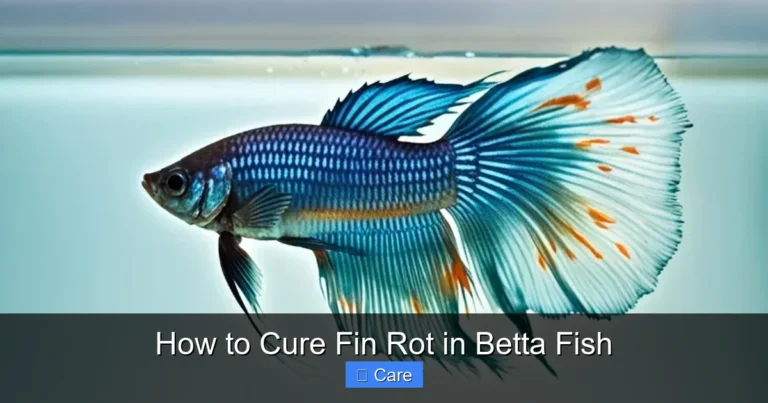
Do Betta Fish Like the Dark Complete Care Guidelines

Do betta fish like the dark? The answer is not a simple yes or no. Betta fish need a consistent light and dark cycle to thrive, just like humans need day and night. Keeping them in constant darkness can harm their health, while too much light causes stress. This guide explains the perfect balance for your pet.
Key Takeaways
- Natural Light Cycle: Betta fish need both light and dark periods to maintain healthy circadian rhythms.
- Sleep Habits: Bettas do not have eyelids, so they rest quietly in dim conditions rather than sleeping in total darkness.
- Stress Factors: Constant darkness or sudden changes in lighting can cause significant stress and health issues.
- Ideal Duration: Aim for 8 to 12 hours of light and 12 to 16 hours of darkness each day.
- Tank Placement: Avoid placing the tank in direct sunlight or areas with harsh artificial lights at night.
- Behavioral Signs: Watch for lethargy or loss of color as signs that lighting conditions are wrong.
- Consistency Matters: Using a timer for your tank light helps maintain a stable routine for your fish.
📑 Table of Contents
- Understanding Do Betta Fish Like the Dark
- The Natural Habitat of Betta Fish
- Do Betta Fish Sleep in the Dark?
- Lighting Requirements for a Healthy Tank
- Can Betta Fish See in Low Light?
- Stress Signs Related to Lighting
- Tank Placement and Ambient Light
- Common Mistakes Owners Make
- Expert Insights on Betta Care
- Conclusion
Understanding Do Betta Fish Like the Dark
Many new owners ask a common question. They wonder, do betta fish like the dark? It is a valid concern. Lighting plays a huge role in fish health. You want your vibrant pet to feel safe and comfortable. Understanding their needs helps you provide the best care.
Betta fish come from shallow waters in Southeast Asia. These waters experience natural day and night cycles. The sun rises and sets regularly. Your aquarium should mimic this natural environment. Constant light is bad for them. Constant darkness is also not ideal. They need a balance to stay healthy and active.
This article will explore everything about lighting. We will look at sleep habits and stress signs. You will learn how to set up the perfect environment. By the end, you will know exactly what your fish needs. Let us dive into the details of betta fish care.
The Natural Habitat of Betta Fish
To understand lighting needs, we must look at their origins. Betta splendens originate from rice paddies and slow-moving streams. These areas are not pitch black at night. There is usually some ambient light from the moon or stars. During the day, the sun provides plenty of light.
This natural cycle regulates their biological clock. It tells them when to hunt and when to rest. In the wild, they hide among plants during rest periods. They rely on changes in light to know the time of day. Replicating this in your tank is crucial for their well-being.
Why Mimic Nature?
Aquariums are closed systems. They do not have the same environmental cues as the wild. You become the regulator of their world. If you leave the light on 24/7, their clock gets confused. This can lead to fatigue and weakened immunity. On the other hand, total darkness for long periods can make them lethargic.
Think of it like your own sleep schedule. You need darkness to sleep well. But you also need light to wake up and function. Your betta fish feels the same way. Providing a consistent routine helps them feel secure.
Do Betta Fish Sleep in the Dark?
This is a very common question among owners. People often ask, do betta fish like the dark for sleeping? The answer involves understanding how fish rest. Betta fish do not have eyelids. They cannot close their eyes to sleep. Instead, they enter a state of rest where they become less active.
During this rest period, they often find a quiet spot. They might hover near the bottom or hide among plants. They need dim conditions to feel safe enough to rest. Total brightness can prevent them from settling down. However, they do not need pitch-black conditions to rest either.
Signs Your Betta Is Resting
How do you know if they are sleeping? You might see them lying on leaves or floating quietly. Their breathing will slow down. They will not respond quickly to movement outside the tank. This is normal behavior. It usually happens when the lights are off or dimmed.
If you see them lying on their side, do not panic. Sometimes they rest horizontally. However, if they are floating uncontrollably, that is a sign of illness. Check our article on do betta fish lay sideways to learn the difference. Understanding these signs helps you monitor their health better.
Lighting Requirements for a Healthy Tank
Setting up the right lighting is simple. You do not need expensive equipment. A standard aquarium light works well. The key is consistency. You should aim for a specific schedule every day.
Here is a simple breakdown of ideal lighting conditions:
- Daylight Hours: Provide 8 to 12 hours of light.
- Dark Hours: Ensure 12 to 16 hours of darkness.
- Intensity: Use moderate light. Too bright can stress them.
- Consistency: Use a timer to automate the schedule.
Using Timers for Consistency
Manual switching can lead to mistakes. You might forget to turn the light off. Or you might leave it on too long. A simple outlet timer solves this problem. It turns the light on and off at the same time daily. This creates a stable routine for your fish.
Consistency reduces stress. Fish thrive on predictability. When they know what to expect, they feel safer. This is especially important for bettas, who can be shy. A stable environment promotes better color and activity levels.
Can Betta Fish See in Low Light?
Another common query is about their vision. People wonder, can betta fish see in the dark? They have good vision for fish, but they are not nocturnal. They rely on light to find food and navigate. In complete darkness, their vision is limited.
They use their lateral line to sense movement in the dark. This helps them detect changes in water pressure. But they prefer some light to see their surroundings. If the tank is too dark, they might bump into things. They might also struggle to find food pellets.
Feeding in Dim Conditions
Feeding time is important. If the lights are off, they might not see the food. You might notice food sinking to the bottom. If you wonder do betta fish get food off the bottom, the answer is sometimes. They prefer to eat from the surface or mid-water. Ensure the lights are on during feeding so they can see their meal.
Some owners feed before turning off the lights. This works well. The fish can see the food and eat comfortably. Then they can rest afterwards without disturbance. This mimics their natural hunting and resting cycle.
Stress Signs Related to Lighting
Improper lighting can cause stress. Stress weakens their immune system. This makes them prone to diseases. You need to watch for behavioral changes. These changes often point to environmental issues.
Here are common signs of lighting stress:
- Faded Colors: Their vibrant hues may look dull.
- Hiding Constantly: They stay in caves or plants all day.
- Lethargy: They swim less and hover in one spot.
- Loss of Appetite: They refuse to eat during feeding time.
- Erratic Swimming: They dart around nervously.
Too Much Light vs. Too Little Light
Both extremes are harmful. Too much light keeps them awake. They never get proper rest. This leads to exhaustion. Too little light makes them inactive. They might not come out to eat. They could become depressed or bored.
Finding the balance is key. Observe your fish daily. If they seem active and colorful, the lighting is likely good. If they seem withdrawn, adjust the duration or intensity. Small changes can make a big difference.
Tank Placement and Ambient Light
Where you put the tank matters. Direct sunlight can overheat the water. It can also cause algae blooms. Algae makes the tank dirty and harms water quality. You want indirect natural light if possible.
Avoid placing the tank in a dark corner. A room that is always dark confuses the fish. They need to distinguish day from night. Even if the tank light is off, room light helps. A small lamp in the room during the day helps maintain the cycle.
Nighttime Considerations
At night, the room should be dim. Avoid bright overhead lights near the tank. TV screens or computer monitors can also disturb them. The glow from these devices might be too bright. Try to keep the room quiet and dark during their rest period.
If you need to check on them at night, use a dim red light. Fish are less sensitive to red wavelengths. This allows you to observe them without waking them fully. It is a handy trick for night-time checks.
Common Mistakes Owners Make
Even experienced owners make mistakes. Knowing these pitfalls helps you avoid them. Here are some common errors regarding lighting and care.
Leaving Lights On 24/7: This is the most common mistake. It disrupts sleep cycles. It causes stress and health issues. Always turn the light off at night.
Sudden Changes: Turning lights on abruptly can startle them. Use a dimmer switch if possible. Or turn on room lights before the tank light. This eases them into the day.
Ignoring Room Light: Some owners think tank light is enough. But room lighting matters too. If the room is dark during the day, the tank light might not be enough contrast. Ensure the room has some natural or artificial light.
Expert Insights on Betta Care
Experts agree on the importance of routine. Dr. Julia Whitfield, a fish behavior specialist, notes that consistency is key. She suggests observing your fish for a week. Note when they are most active. Adjust your lighting to match their natural peaks.
Another tip is to use live plants. Plants need light to grow. They also provide shade for the fish. This creates a more natural environment. The plants offer hiding spots during rest periods. This makes the fish feel more secure.
Water quality is also linked to light. Too much light promotes algae. Algae competes for nutrients. It can make the water toxic. Regular water changes help manage this. Keep the tank clean to support their health.
Creating a Safe Environment
Safety is a priority. Betta fish can be jumpers. Ensure the tank has a lid. This prevents them from escaping. It also keeps the light contained. A lid helps maintain stable water temperature too.
Decorations should be smooth. Sharp edges can injure them. Soft plants and smooth rocks are best. These decorations provide hiding spots. Hiding spots are essential for rest. They allow the fish to feel hidden even in a lit tank.
Conclusion
So, do betta fish like the dark? They need darkness to rest, but not total isolation from light. A balanced cycle is the best approach. Provide 8 to 12 hours of light. Ensure they have 12 to 16 hours of darkness. This mimics their natural habitat.
Pay attention to their behavior. Look for signs of stress or lethargy. Adjust your lighting schedule as needed. Use timers to keep things consistent. Place the tank in a suitable location. Avoid direct sunlight and harsh night lights.
By following these guidelines, you ensure a happy pet. A well-lit tank with proper rest periods leads to a vibrant fish. Your betta will show off its colors. It will be active and healthy. Take the time to set up the right environment. Your fish will thank you with its vitality.
Frequently Asked Questions
Do betta fish need complete darkness to sleep?
No, they do not need pitch-black conditions. They need dim conditions to rest safely. Total darkness might make them feel insecure or unable to navigate.
How many hours of light do betta fish need?
They typically need 8 to 12 hours of light per day. The rest of the time should be dark. This mimics the natural day and night cycle.
Can I leave my betta fish in the dark all day?
No, keeping them in the dark all day is harmful. They need light to regulate their biological clock. Constant darkness can lead to lethargy and health issues.
Do betta fish get scared of the dark?
They might feel insecure in sudden darkness. However, they are adapted to night cycles. Sudden changes in light are more scary than consistent dim conditions.
Should I turn off the tank light at night?
Yes, you should turn off the tank light at night. This allows them to rest properly. Leaving it on can cause stress and sleep deprivation.
Can betta fish see their food in the dark?
Their vision is limited in the dark. They rely on light to see food pellets. It is best to feed them when the lights are on.