Is a Dog or Fish Better Pet
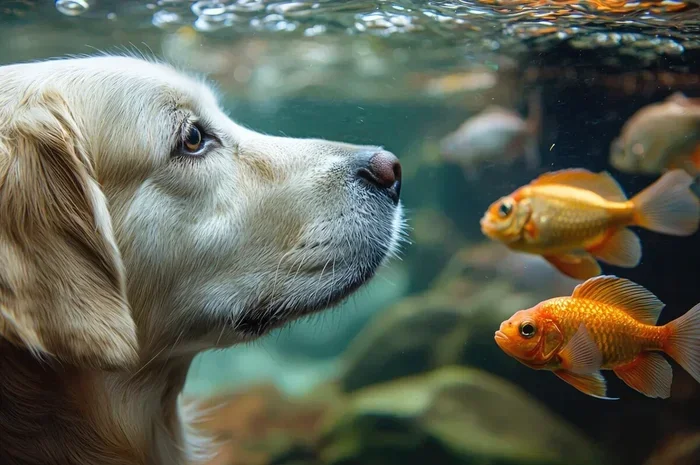
Choosing between a dog and a fish as a pet depends on your lifestyle, budget, and time. Dogs offer loyalty and active companionship, while fish provide calm, low-maintenance beauty. This guide breaks down every factor so you can pick the right pet for your home.
Deciding between a dog and a fish can feel like a tough choice. Both pets bring joy, but they fit very different lifestyles. If you want a loyal companion who shares your adventures, a dog might be your match. If you prefer a calm, beautiful presence that requires less hands-on care, a fish could be perfect.
This guide walks you through every important factor. We compare costs, care needs, space requirements, and emotional benefits. By the end, you will know exactly which pet suits your life best. Let us dive in and find out if a dog or fish better pet choice is right for you.
Key Takeaways
- Dogs need more time and exercise: They require daily walks, training, and attention.
- Fish are low maintenance: A fish tank setup is simpler and less demanding than dog care.
- Cost differs greatly: Dogs cost more in food, vet visits, and supplies over their lifetime.
- Companionship varies: Dogs bond deeply with owners, while fish offer a calming visual experience.
- Space matters: Dogs need more room, but fish tanks fit into smaller living spaces easily.
- Allergies play a role: Fish are a better option for people with pet allergies.
- Both pets offer unique benefits: The best choice depends on your personal situation and preferences.
📑 Table of Contents
Understanding What Makes a Great Pet
Every pet owner wants a happy, healthy companion. But what makes a pet great? It depends on your daily routine, living space, and personal preferences. Some people love the energy of a dog. Others enjoy the peaceful beauty of a betta fish gliding through a well-planted tank.
A great pet fits seamlessly into your life. It should match your activity level, budget, and the time you can dedicate each day. Dogs demand walks, playtime, and training. Fish need clean water, proper food, and a well-maintained tank. Neither option is inherently better. They simply serve different needs.
What Do Dogs Offer as Pets?
Dogs are known as man’s best friend for a reason. They form deep bonds with their owners. A dog greets you at the door, follows you around the house, and always seems happy to see you. This level of connection is hard to match.
Dogs also keep you active. Daily walks and outdoor play mean you get exercise too. Studies show that dog owners tend to be more active and less stressed. A dog or fish better pet comparison always comes back to how much interaction you want.
What Do Fish Offer as Pets?
Fish bring a unique kind of comfort. Watching a colorful fish swim through a decorated tank is incredibly relaxing. Many people find that aquariums lower stress and reduce anxiety. A fish tank can even improve your mood after a long day.
Fish are quiet, clean, and do not need walks. They work well for people who live in apartments or have busy schedules. If you are comparing a dog or fish better pet option for a small space, fish often win on practicality.
Dog or Fish Better Pet: The Cost Comparison
Money matters when choosing a pet. Both dogs and fish come with ongoing expenses. But the costs look very different depending on which animal you pick.
Initial Setup Costs
Getting a dog starts with adoption or purchase fees. You also need supplies like a leash, collar, bed, crate, and bowls. These costs can add up quickly. A fish tank setup requires an aquarium, filter, heater, lighting, gravel, and decorations. The upfront cost for a basic fish tank is usually lower than what you spend on a dog.
For example, a good-quality fish tank setup for a betta fish might cost $50 to $150. A dog’s initial supplies alone can easily reach $300 or more. If budget is a concern, fish often come out ahead in the dog or fish better pet debate.
Ongoing Monthly Costs
Dogs need food, vet checkups, grooming, toys, and treats every month. Depending on the breed, food alone can cost $30 to $80 per month. Vet visits add even more, especially if your dog needs vaccinations or preventive care.
Fish costs are much lower. A bag of fish food lasts weeks. Water conditioner and filter replacements are affordable. A betta fish owner might spend $10 to $25 per month on supplies. Over time, the savings with fish are significant.
| Expense | Dog (Monthly) | Fish (Monthly) |
|---|---|---|
| Food | $30 – $80 | $5 – $10 |
| Vet Care | $50 – $150 | $0 – $20 |
| Supplies | $20 – $40 | $5 – $15 |
| Total | $100 – $270 | $10 – $45 |
As you can see, the cost gap is clear. When weighing a dog or fish better pet decision, your wallet will thank you for choosing fish if budget is tight.
Time and Effort: Dogs vs Fish
Time is one of the biggest factors in pet ownership. Dogs and fish require very different levels of attention. Understanding these differences helps you make a realistic choice.
Daily Care for Dogs
A dog needs at least one to two hours of attention every day. This includes walks, feeding, grooming, and playtime. Some breeds need even more exercise. If you work long hours, a dog might feel lonely and develop behavioral problems.
Training is also essential. Puppies need housebreaking and basic commands. Even adult dogs benefit from regular training sessions. This takes time, patience, and consistency. A dog or fish better pet answer often depends on how much free time you truly have.
Daily Care for Fish
Fish care is much simpler. You feed them once or twice a day with small amounts. You check the water temperature and clean the tank weekly. A betta fish needs a clean tank and stable water conditions, but the routine is quick and straightforward.
Most fish owners spend 15 to 30 minutes per day on care. This makes fish ideal for busy professionals, students, or anyone with limited free time. If low maintenance is your priority, fish clearly have the edge.
Common Mistakes New Pet Owners Make
Many first-time pet owners underestimate the time commitment. They get a dog without realizing how much exercise and training it needs. Others buy a fish tank without learning about water cycling and filtration. Both mistakes lead to problems.
Do your research before bringing any pet home. Understand the daily routine and long-term commitment. This simple step prevents frustration and keeps your pet healthy and happy.
Companionship and Emotional Benefits
Pets improve our mental health in powerful ways. But the type of companionship they offer differs a lot between dogs and fish.
The Bond with a Dog
Dogs are social animals. They form strong emotional connections with their owners. A dog senses your mood and responds with comfort and loyalty. Many people describe their dogs as family members, not just pets.
This bond comes with responsibility. A dog needs your presence, attention, and care every day. If you want an interactive, emotionally deep relationship with a pet, a dog delivers that in abundance.
The Calm of a Fish
Fish offer a different kind of companionship. They do not cuddle or greet you at the door. Instead, they provide a peaceful, meditative presence. Watching fish swim is therapeutic and calming.
Studies have shown that watching an aquarium can lower blood pressure and reduce stress. A well-decorated tank with live plants creates a beautiful focal point in any room. If you seek a pet that brings tranquility, a fish tank might be exactly what you need.
Setting Up Your Home for a Dog or Fish
Your living space plays a big role in choosing the right pet. Dogs and fish have very different habitat needs.
Space Requirements for Dogs
Dogs need room to move around. Large breeds especially need space to stretch and play. Even small dogs benefit from access to a yard or nearby park. Apartment living with a dog is possible, but it requires extra effort for exercise and bathroom breaks.
You also need to dog-proof your home. This means securing cables, removing toxic plants, and blocking off dangerous areas. A dog or fish better pet comparison always highlights how much more space a dog demands.
Space Requirements for Fish
A fish tank fits almost anywhere. You can place it on a desk, a shelf, or a small stand. Even a 5-gallon tank for a betta fish takes up minimal floor space. Fish tanks work beautifully in apartments, dorm rooms, and small homes.
When setting up a fish tank, consider the which is better sand or gravel for a fish tank question. Both substrates have pros and cons. Sand looks natural and is gentle on fish, while gravel is easier to clean and supports beneficial bacteria. Choose based on your tank type and maintenance preference.
Which Pet Fits Your Lifestyle?
Think honestly about your living situation. Do you have a large home with a yard? A dog might thrive there. Do you live in a small apartment with limited space? A fish tank could be the perfect fit. Matching your pet to your environment is one of the most important steps in responsible pet ownership.
Which Pet Is Right for You?
Now that we have covered the key factors, let us bring it all together. Choosing between a dog and a fish comes down to your personal circumstances.
Choose a dog if you want an active, interactive companion. Dogs are perfect for people who enjoy outdoor activities, have flexible schedules, and want a loyal friend by their side every day. They reward your effort with unconditional love and endless fun.
Choose a fish if you prefer a low-maintenance, calming pet. Fish are ideal for busy people, small living spaces, and those who appreciate the beauty of an aquarium without the daily demands of a dog. A betta fish is a wonderful starter pet that brings color and life to any room.
Some people even keep both! A dog for companionship and a fish tank for relaxation can create a balanced pet experience. There is no wrong answer here. The best pet is the one that matches your life and makes you happy.
If you are still exploring options, consider learning more about which is better freshwater or saltwater fish before setting up your aquarium. Understanding the basics of fish types helps you build a thriving tank that brings you joy for years to come.
Remember, every pet deserves love and proper care. Whether you choose a dog or a fish, the most important thing is the commitment you make. A dog or fish better pet choice is never about one being superior. It is about finding the right match for you.
Take your time, do your research, and enjoy the journey of pet ownership. Your new companion will thank you for it.
Frequently Asked Questions
Is a dog or fish better pet for beginners?
Fish are generally easier for beginners. A betta fish or a simple community tank requires less daily effort than a dog. You do not need to walk a fish or train it. However, learning about water chemistry and tank maintenance is still important for fish health.
Can a fish really replace the companionship of a dog?
Fish offer a different kind of companionship. They do not interact with you the way a dog does. But watching fish swim is calming and enjoyable. Many fish owners feel a strong connection to their pets through the peaceful routine of tank care.
Which pet is cheaper in the long run?
Fish are significantly cheaper over time. A dog’s food, vet visits, grooming, and supplies add up quickly. Fish tanks have lower ongoing costs, especially for a single betta fish. However, larger aquariums with multiple fish can increase expenses.
Do dogs need more space than fish?
Yes, dogs need much more space. They require room to move, play, and exercise daily. Fish tanks can fit in small apartments and even on desks. If you live in a compact space, a fish tank is a more practical choice.
Are fish low-maintenance pets?
Fish are lower maintenance than dogs, but they are not zero-maintenance. You need to feed them, monitor water quality, and perform regular tank cleanings. A well-maintained tank keeps your fish healthy and your aquarium looking beautiful.
What should I consider before getting a dog or a fish?
Think about your lifestyle, budget, available space, and time. Dogs need daily exercise, training, and attention. Fish need a proper tank setup and regular maintenance. Choose the pet that fits your current life stage and future plans.