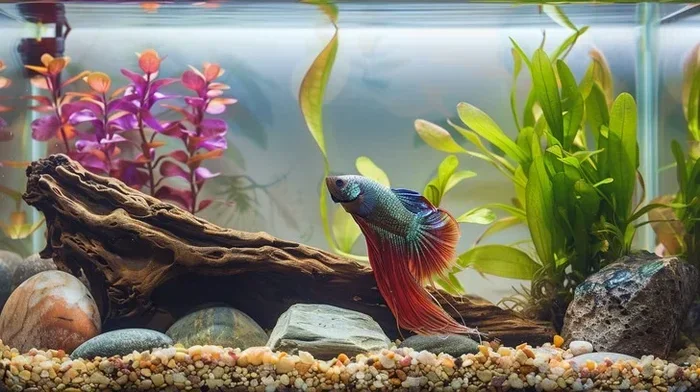
Is 84 Too Hot for Betta Fish

Is 84 too hot for betta fish? The answer is yes — 84°F is above the safe range and can cause serious stress, health problems, and even death. Betta fish thrive in water between 76°F and 82°F, and temperatures above 84°F push them into dangerous territory. In this guide, you will learn why 84 degrees is too hot, the warning signs to watch for, and exactly how to cool down your betta tank safely.
If you own a betta fish, you already know how beautiful and lively these little creatures can be. They flash their colorful fins, explore every corner of the tank, and interact with you in ways that make fishkeeping truly rewarding. But there is one thing that can ruin all of that in a hurry: wrong water temperature. Many betta owners ask the same question at some point. Is 84 too hot for betta fish? The short answer is yes. Water at 84°F sits above the safe range and can cause real harm to your fish if it stays there too long.
Temperature is one of the most important factors in betta fish care. Unlike some hardy pets, bettas are tropical fish with very specific needs. Their small tanks can heat up quickly, and even a few degrees above the safe zone can trigger stress, illness, and behavioral changes. Understanding what the right temperature looks like — and what happens when things get too warm — is essential for every betta owner.
In this article, we will break down everything you need to know about the 84°F question. You will learn the safe temperature range, the signs of an overheated tank, how to cool things down fast, and how to prevent temperature problems in the future. Whether you are a new betta owner or have been keeping fish for years, this guide will give you the knowledge you need to keep your fish safe and healthy.
Key Takeaways
- 84°F is too hot for betta fish: The safe range is 76°F to 82°F, and anything above 84°F causes stress and health risks.
- Overheating shortens betta lifespan: Hot water holds less oxygen and weakens your fish’s immune system, making it prone to disease.
- Watch for warning signs: Rapid breathing, lethargy, clamped fins, and gasping at the surface all signal that your tank is too warm.
- Quick fixes work fast: You can lower the temperature using fans, partial water changes, and turning off excess lights.
- Prevention is the best strategy: A good aquarium heater with a thermostat and proper tank placement keep temperatures stable year-round.
- Never make sudden temperature changes: Gradual adjustments are safer and less stressful for your betta fish.
📑 Table of Contents
What Is the Safe Temperature Range for Betta Fish?
Before we dive into whether 84°F is too hot, let us first establish what the safe range actually is. Knowing the baseline makes it much easier to understand when something goes wrong.
The Ideal Temperature for Betta Fish
The ideal temperature for betta fish falls between 76°F and 82°F. This range mimics the warm, slow-moving waters of their natural habitat in Southeast Asia. Within this zone, bettas are active, eat well, display vibrant colors, and maintain a strong immune system. The sweet spot for most betta keepers is around 78°F to 80°F. This is warm enough to keep your fish comfortable but not so hot that it causes problems.
If you are using a betta fish heater, setting it to 78°F or 79°F is a great starting point. Most aquarium heaters come with adjustable thermostats, which make it easy to dial in the perfect temperature. Just make sure you pair your heater with a reliable thermometer so you can monitor the water accurately.
Why Temperature Matters So Much
Temperature affects nearly every function in your betta’s body. When the water is in the right range, your fish digests food properly, fights off germs, and stays active. When the temperature drifts too far in either direction, those systems start to break down.
Warm water holds less dissolved oxygen than cool water. So when your tank gets too warm, your betta has to work harder to breathe. This alone can cause stress and fatigue. Over time, chronic heat exposure weakens the immune system and opens the door to bacterial infections, fungal diseases, and parasites. This is why keeping a steady, safe betta fish temperature is not just a nice-to-have — it is a must.
Is 84 Degrees Too Hot for Betta Fish?
Now let us get to the heart of the question. Is 84 degrees too hot for betta fish? Absolutely. At 84°F, the water is 2 to 8 degrees above the safe range. That might not sound like a lot, but even a small temperature spike can have a big impact on your fish.
Understanding 84°F in a Betta Tank
When water reaches 84°F, it holds significantly less oxygen than water at 78°F or 80°F. Your betta fish needs oxygen to survive, and warm water simply cannot hold as much. This means your fish is essentially breathing in a low-oxygen environment. Over time, this causes physical stress and can lead to serious health issues.
Another problem is that heat speeds up your fish’s metabolism. A faster metabolism means your betta burns energy quicker, needs more food, and produces more waste. All of this puts extra strain on the body. In a small tank, where water quality can change fast, this creates a dangerous cycle. The waste builds up, the oxygen drops, and the temperature keeps climbing if nothing is done.
If you have noticed that your tank has been running warm lately, it is important to act quickly. The longer your fish stays in water that is too hot for betta fish, the greater the risk of lasting damage.
How Long Can a Betta Survive at 84°F?
There is no single answer to this question because it depends on several factors. Tank size, water quality, oxygen levels, and the overall health of your fish all play a role. A healthy betta in a well-oxygenated 10-gallon tank might survive for a few days at 84°F without immediate problems. But a betta in a small bowl or vase at 84°F could show signs of distress within hours.
The real danger is not just the temperature itself — it is what the heat does over time. Low oxygen levels, increased ammonia toxicity, and a weakened immune system all combine to create a hostile environment. The longer the exposure, the harder it is for your fish to recover. This is why it is so important to address high temperatures as soon as you notice them.
Signs Your Betta Fish Is Too Hot
Betta fish are good at showing us when something is wrong. The key is knowing what to look for. If your tank temperature has risen to 84°F or above, watch for these warning signs.
Behavioral Changes to Watch For
One of the first things you will notice is changes in how your fish behaves. A betta that is too hot may become unusually lethargic. Instead of swimming around and exploring, it might hang near the surface or stay in one spot. Some bettas become restless and swim erratically, darting back and forth as if they cannot get comfortable.
You might also notice your fish gasping for air at the surface. This is a clear sign that the water does not have enough oxygen. Bettas naturally come up for air because they have a special organ called the labyrinth, but frequent or frantic gasping is not normal. If you see this happening often, check your temperature right away.
Another behavioral clue is loss of appetite. A stressed betta will often refuse food or eat much less than usual. If your fish turns its nose up at its favorite pellets, temperature could be the culprit.
Physical Symptoms of Overheating
Beyond behavior, there are physical signs that your betta is suffering from heat stress. Clamped fins — where the fish holds its fins close to its body instead of spreading them out — are a classic sign of discomfort. Faded colors are another indicator. A healthy betta should display bright, vivid hues. When the water is too warm, colors often dull or wash out.
In more serious cases, you might notice rapid breathing or visible gill movement. Your fish is working harder to extract oxygen from the warm, oxygen-poor water. Over time, prolonged heat exposure can lead to burns on the fins and body, especially if the water is also low in quality. These physical symptoms should never be ignored.
How to Cool Down an Overheated Betta Tank
If you have discovered that your tank is sitting at 84°F or higher, do not panic. There are several steps you can take right now to bring the temperature down safely. The most important rule is to make changes gradually. A sudden temperature drop can be just as harmful as high heat.
Quick Fixes for High Tank Temperatures
Here are some fast, effective ways to cool your tank down:
- Turn off the aquarium light: Lights generate heat, and leaving them on can raise the temperature even more. Switch them off until the water cools down.
- Use a fan: Point a small desk fan at the surface of the water. The evaporation will help lower the temperature. Just make sure the fan is not blowing directly into the tank with strong gusts.
- Do a partial water change: Replace 20 to 30 percent of the tank water with cooler, treated water. Make sure the new water is close to the target temperature so you do not shock your fish.
- Remove the heater: If your heater is still running, turn it off immediately. You do not want the temperature to climb any higher.
- Open the tank lid slightly: This allows heat to escape and improves air circulation at the surface, which boosts oxygen levels.
These quick fixes can bring the temperature down by a few degrees in a short time. After you apply them, monitor the thermometer closely and make adjustments as needed.
Long-Term Temperature Management
Quick fixes are great for emergencies, but you need a long-term plan to keep your tank stable. The best approach is to invest in a quality aquarium heater with a built-in thermostat. These heaters automatically turn on and off to maintain a steady temperature. Look for one that is adjustable and rated for your tank size.
Another long-term strategy is to pay attention to where you place your tank. Avoid spots near windows, heaters, radiators, or electronics that give off heat. A room with stable, moderate temperatures is ideal for a betta tank. If you live in a warm climate, consider using a small aquarium chiller during the summer months. These devices are designed to keep water temperatures in check even on the hottest days.
Regular monitoring is also key. Check your thermometer at least once a day, especially during seasonal changes. A few minutes of attention each day can save your fish from a lot of suffering.
Preventing Temperature Problems in Your Betta Tank
Prevention is always easier than treatment. Taking a few simple steps now can save you from dealing with overheating problems later.
Choosing the Right Heater
Not all aquarium heaters are created equal. For a betta tank, you want a heater that is the right size for your aquarium and has a reliable thermostat. A good rule of thumb is to choose a heater rated for 5 to 10 watts per gallon of water. For a 5-gallon tank, a 25-watt heater is usually sufficient. For larger tanks, you may need a more powerful model.
Look for heaters from reputable brands that come with a warranty. A heater that fails can be one of the biggest risks to your betta’s health. Some heaters have a preset temperature, while others allow you to adjust the setting. Adjustable heaters give you more control, which is especially helpful if you live in an area with fluctuating room temperatures.
Room Temperature and Tank Placement
Your tank’s temperature is influenced by the room it sits in. If the room is hot, the tank will be hot. If the room is cool, the tank will stay cooler. This is why placement matters so much. Keep your betta tank away from direct sunlight, drafty windows, and heat sources like lamps or electronics.
During the summer, rooms can heat up quickly, especially if they get afternoon sun. Consider moving the tank to a cooler part of the house if needed. In the winter, make sure the room does not drop below 65°F, as that can also be dangerous for your betta. Finding a balance is the goal.
Common Mistakes Bettafish Owners Make with Temperature
Even experienced fish keepers sometimes make mistakes when it comes to temperature. Here are a few common ones to avoid:
- Relying on room temperature alone: Room temperature is not always stable enough for a betta tank. You need a dedicated heater and thermometer.
- Ignoring temperature fluctuations: Even small daily swings can stress your fish. A good heater and thermometer combo keeps things steady.
- Using the wrong tank size: Small tanks heat up and cool down faster than larger ones. If you want more stable temperatures, consider a larger setup. You can read more about tank size and betta fish to find the right fit.
- Not checking the thermometer regularly: Thermometers can lose accuracy over time. Replace yours every year or so to make sure it is reading correctly.
- Using ice or frozen packs to cool the tank: This can cause a sudden temperature drop that shocks your fish. Always cool the tank gradually.
Avoiding these mistakes will help you maintain a healthy, stable environment for your betta. The more consistent the temperature, the happier and healthier your fish will be.
Final Thoughts
So, is 84 too hot for betta fish? Yes, without a doubt. Water at 84°F is above the safe range and can cause stress, low oxygen levels, weakened immunity, and even death if left unchecked. The good news is that with the right knowledge and a few simple tools, you can keep your betta tank at the perfect temperature all year round.
Remember that the safe range for bettas is 76°F to 82°F, with 78°F to 80°F being the ideal zone. Invest in a quality heater, use a reliable thermometer, and monitor your tank every day. If you ever notice the temperature climbing toward 84°F or above, take action right away using the quick fixes we covered.
Your betta fish depends on you for its environment. By staying attentive and proactive about temperature, you are giving your fish the best chance at a long, healthy, and happy life. Keep learning, keep watching, and keep your finned friend safe.
Frequently Asked Questions
Can a betta fish recover from being too hot?
Yes, a betta fish can often recover if the temperature is brought back to the safe range quickly. The key is to act fast and make gradual changes. Monitor your fish closely for any lingering symptoms after the temperature drops, and provide clean, well-oxygenated water to support its recovery.
What is the best way to measure betta tank temperature?
The best way is to use a dedicated aquarium thermometer. Stick-on thermometers are affordable and easy to read, but a digital thermometer with a probe gives you the most accurate readings. Place the thermometer away from the heater and near the middle of the tank for the most accurate measurement.
Will a fan cool down my betta tank fast enough?
A fan can help lower the temperature by a few degrees through evaporation, but it works best as a short-term solution. For long-term cooling, especially in very warm climates, consider investing in an aquarium chiller. A fan alone may not be enough to bring a tank from 84°F down to the safe range quickly.
Is 82°F too hot for betta fish?
No, 82°F is right at the top of the safe range and is generally fine for most bettas. However, if your fish shows signs of stress at this temperature, try lowering it a degree or two. Every fish is slightly different, so observe your betta’s behavior and adjust accordingly.
How often should I check my betta tank temperature?
You should check your betta tank temperature at least once a day. This takes just a few seconds and can catch problems before they become serious. Make it a habit, just like feeding your fish. During hot weather or seasonal changes, check more frequently to stay ahead of any temperature swings.
Can hot tap water cause a betta tank to overheat?
Yes, if you add hot tap water during a water change without letting it cool first, it can raise the tank temperature quickly. Always let tap water sit at room temperature or use a thermometer to check it before adding it to your tank. This simple step prevents accidental overheating and keeps your betta safe.