Is My Betta Fish Stressed or Happy
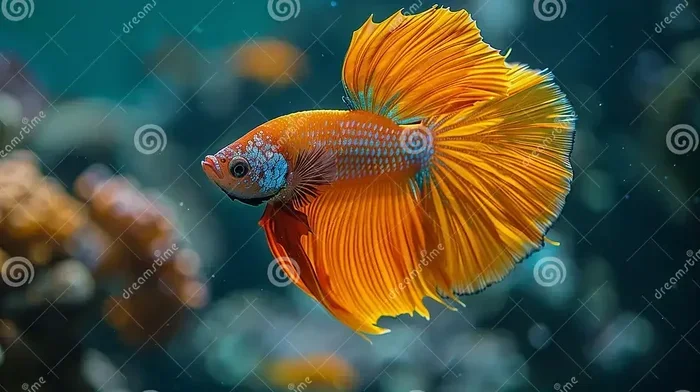
Figuring out if your betta fish is stressed or happy is easier than you think. By watching your betta’s behavior, appetite, color, and activity level, you can quickly tell how they are feeling. This guide covers the top signs of a happy betta, common stress symptoms, and simple steps to keep your fish thriving.
Is My Betta Fish Stressed or Happy?
You love your betta fish. You feed them. You clean their tank. But sometimes, you just wonder, are they actually happy? It is not always easy to tell. Bettas are small but they have big personalities. Some days they seem full of energy, and other days they just sit at the bottom of the tank. So how do you know if your betta fish is stressed or happy?
This guide will walk you through the clear signs of a happy betta and the warning signs of a stressed one. You will learn what to look for, what to fix, and how to make your fish feel safe. By the end, you will have the confidence to read your betta’s body language like a pro.
Understanding your betta’s behavior is the first step toward better fish care. A happy betta lives longer, looks more vibrant, and shows interesting natural behaviors. A stressed betta can get sick quickly and lose its beautiful colors. The good news is that most stress causes are easy to fix once you know what to look for.
Key Takeaways
- A happy betta fish shows bright colors, a good appetite, and active swimming.
- Stress signs include faded colors, clamped fins, hiding, and loss of appetite.
- Water quality and temperature play a huge role in your betta’s overall mood and health.
- Enrichment and tank setup can greatly improve your betta’s happiness.
- Regular observation helps you catch problems early before they become serious.
- Bubble nests are a great indicator that your betta feels safe and content.
- Knowing the difference between stress and illness helps you respond faster and more effectively.
📑 Table of Contents
- Signs Your Betta Fish Is Happy
- Signs Your Betta Fish Is Stressed
- Common Causes of Stress in Betta Fish
- How to Keep Your Betta Fish Happy and Healthy
- When to Be Concerned About Your Betta’s Behavior
- Comparison: Happy Betta vs. Stressed Betta
- Quick Tips for a Happier Betta
- Expert Insights
- Final Thoughts
Signs Your Betta Fish Is Happy
A happy betta fish is a joy to watch. They are active, colorful, and curious about their surroundings. When your betta feels safe and comfortable, they will show it in several clear ways. Here are the top signs that your betta is thriving.
Bright, Vibrant Colors
One of the easiest ways to tell if your betta is happy is by their colors. A healthy, content betta will display deep, rich colors. Reds will look bright. Blues will look vivid. Even white and yellow bettas will look clean and crisp. When a betta is stressed or sick, their colors start to fade. They may look washed out or pale. If your betta’s colors are popping, that is a great sign that they are feeling good.
Active Swimming and Exploration
Happy bettas love to explore. They swim around their tank, check out decorations, and glide through the water with ease. Your betta might follow your finger or watch movement outside the tank. This is a sign of curiosity and contentment. They are not hiding or staying still in one spot. A happy betta fish moves with purpose and energy. They may also build a bubble nest, which is a strong sign that they feel safe and ready to breed.
Healthy Appetite
When it is feeding time, a happy betta gets excited. They will come to the surface eagerly and eat with enthusiasm. Bettas are natural hunters, and they love their food. If your fish is eating well and finishing their meals, that means they are feeling good. A betta fish appetite that is consistent and strong is one of the best indicators of overall well-being.
Relaxed Fins and Body
Watch your betta’s fins closely. A happy betta holds their fins open and relaxed. They may even flare their fins now and then, which is totally normal. Their body looks smooth and streamlined. There is no curling, no clamping, and no unusual positions. A relaxed body means a relaxed mind.
Bubble Nest Building
Male bettas build bubble nests on the surface of the water. This is a natural behavior that shows they feel secure in their environment. If you see a cluster of tiny bubbles floating near the surface, your betta is saying, “I am happy here.” It is one of the most exciting signs of a content and healthy fish.
Signs Your Betta Fish Is Stressed
Now let us talk about the other side. A stressed betta fish will show clear warning signs. These signs can be subtle at first, but they get worse over time if you do not address the cause. Learning to spot these early can save your fish’s life.
Faded or Dull Colors
This is often the first thing you will notice. A stressed betta loses its vibrant color. A bright red betta might look pink or pale. A blue betta may look grey. Color loss happens because stress hormones affect the fish’s pigment cells. If you notice this change, it is time to investigate what is wrong.
Clamped Fins
When a betta holds its fins close to its body, this is called clamping. It is one of the most common betta fish stress signs. Clamped fins mean your fish feels uncomfortable or threatened. Healthy bettas keep their fins spread out and flowing. If you see tight fins, something in the tank is not right.
Hiding or Staying Still
Betta fish are not shy by nature. They are curious and active. If your betta is hiding behind the filter, staying in a corner, or just sitting at the bottom all day, something is off. A betta fish not active is often a betta that is stressed or not feeling well. Some hiding is normal, but constant hiding is a red flag.
Loss of Appetite
Remember how a happy betta gets excited at feeding time? A stressed betta will ignore food completely. They may swim past the pellets or spit them out. A betta fish not eating is a serious warning sign. While a missed meal once in a while is normal, a consistent refusal to eat means something needs to change.
Rapid Breathing or Gasping
If you notice your betta breathing fast or coming to the surface to gasp for air, this is a sign of stress or poor water conditions. Bettas are labyrinth fish, so they can breathe air, but constant gasping means the water quality is bad or the oxygen level is too low. Check your water parameters right away.
Erratic Swimming
A stressed betta may swim erratically. They might dart around the tank, crash into walls, or swim sideways. This kind of betta fish behavior is not normal. It can be caused by poor water quality, loud noises, or sudden changes in the tank environment.
Common Causes of Stress in Betta Fish
Understanding what causes stress is just as important as recognizing the signs. Once you know the triggers, you can fix them and keep your betta happy. Here are the most common reasons bettas become stressed.
Poor Water Quality
Dirty water is the number one enemy of betta fish. Ammonia and nitrite buildup in the tank can cause serious health problems. Even small amounts of these chemicals can stress your fish out. Regular water changes and proper filtration are essential. Test your water often and keep ammonia and nitrite levels at zero.
Wrong Temperature
Bettas are tropical fish and they need warm water. The ideal temperature is between 78 and 80 degrees Fahrenheit. If the water is too cold, your betta becomes sluggish and may get sick. If it is too hot, they become stressed and their oxygen levels drop. A reliable heater is a must for any betta tank.
Small or Bare Tanks
Many people keep bettas in tiny bowls, and while a betta can survive in a small space, they will not thrive. A tank that is too small causes stress because there is no room to swim and explore. A tank of at least 5 gallons is recommended. Adding plants and decorations gives your betta places to hide and explore, which makes them feel safer.
Aggressive Tank Mates
Bettas are known as fighting fish for a reason. They can be aggressive toward other fish, especially those with bright colors or long fins. If your betta is chasing or being chased, they are stressed. Choose tank mates carefully, or consider keeping your betta alone in a peaceful setup.
Sudden Changes in the Environment
Bettas are creatures of habit. Moving their tank, changing the lighting, or adding new decorations can all cause stress. Any big change should be done gradually. Give your betta time to adjust to new conditions. A stable environment helps them feel secure.
Overcrowding
Even if the water parameters are good, too many fish in one tank creates stress. Bettas need personal space. Overcrowding leads to territorial disputes and increased waste in the water. Keep the tank population low and let your betta have room to roam.
How to Keep Your Betta Fish Happy and Healthy
Preventing stress is much easier than treating it. Here are some simple steps you can take to keep your betta feeling great every day.
Maintain Clean Water
Do regular water changes, about 25 to 30 percent every week. Use a gravel vacuum to remove debris from the substrate. Always treat tap water with a conditioner before adding it to the tank. Clean water means a happy betta.
Keep the Temperature Stable
Invest in a good aquarium heater with a thermostat. Check the temperature daily. Sudden temperature drops are just as stressful as high temperatures. A stable environment helps your betta stay relaxed and healthy.
Provide Enrichment
Bettas get bored just like we do. Add plants, caves, and gentle decorations to give them things to explore. You can even place a mirror near the tank for short periods to let your betta exercise their natural flaring behavior. Just do not leave the mirror in for too long, or it will cause stress instead of stimulation.
Feed a Balanced Diet
Offer a variety of foods, including high-quality pellets, frozen bloodworms, and brine shrimp. Feed small amounts twice a day. Overfeeding can cause bloating and water quality issues. A varied diet keeps your betta healthy and interested in their food.
Observe Your Fish Daily
Spend a few minutes each day watching your betta. Notice any changes in behavior, color, or appetite. Early detection of stress or illness makes a huge difference. If you catch something early, you can fix it before it becomes a bigger problem. You can also try the Is My Betta Fish Happy Quiz to get a quick snapshot of how your fish is feeling.
When to Be Concerned About Your Betta’s Behavior
Sometimes, even with the best care, things go wrong. It is important to know when a behavior change is just a bad day and when it is a sign of something serious. A betta fish not eating for one day is usually nothing to worry about. But if it goes on for more than two days, you need to take action.
If your betta is showing multiple stress signs at once, that is a clear warning. Faded color, clamped fins, hiding, and not eating together point to a deeper problem. In these cases, check your water parameters first. Ammonia, nitrite, and nitrate levels should all be within safe ranges. If the water is fine, consider whether something in the environment has changed recently.
Sometimes stress is caused by illness. A betta fish body curved or a betta that is curled up at the bottom of the tank may be dealing with an infection or disease. In these situations, it is wise to consult a fish vet or experienced aquarist. Do not wait too long, because bettas can decline very fast when they are unwell.
If you are unsure whether your fish is stressed or sick, check out our guide on Is My Betta Fish Sick for more detailed symptoms and advice. Understanding the difference between stress and illness helps you choose the right treatment.
Comparison: Happy Betta vs. Stressed Betta
Here is a quick reference table to help you compare the signs at a glance.
| Sign | Happy Betta | Stressed Betta |
|---|---|---|
| Color | Bright, vivid, vibrant | Faded, dull, pale |
| Fins | Open, flowing, relaxed | Clamped, tight against body |
| Activity Level | Active, curious, exploring | Lethargic, hiding, still |
| Appetite | Eager eater, finishes meals | Uninterested, spits out food |
| Swimming | Smooth, graceful, steady | Erratic, darting, gasping |
| Bubble Nest | Present, regular building | Absent or ignored |
| Body Position | Straight, relaxed, horizontal | Curled, hunched, tilted |
Use this table as a quick daily check. If most of the signs point toward stressed, take action right away. Small changes can make a big difference.
Quick Tips for a Happier Betta
- Test your water parameters at least once a week.
- Keep the tank temperature between 78 and 80 degrees Fahrenheit.
- Add live or silk plants for a natural feel.
- Feed a varied diet in small portions twice a day.
- Avoid placing the tank near loud noises or direct sunlight.
- Do not tap on the glass or make sudden movements near the tank.
- Give your betta time to adjust after any tank changes.
- Use a gentle filter to avoid strong currents that tire your betta out.
Expert Insights
Experienced betta keepers agree that observation is the most powerful tool you have. You know your fish better than anyone. If something feels off, trust your instincts. Many common betta health issues start with subtle behavior changes that are easy to miss if you are not paying attention.
Another expert tip is to keep a simple log of your betta’s behavior. Note what they ate, how active they were, and any changes you noticed. Over time, this log becomes a valuable resource for spotting patterns and catching problems early. It also helps you share information with a vet if your fish ever gets sick.
Remember that every betta is different. Some are bold and outgoing, while others are shy and reserved. Learning your individual fish’s personality is part of the joy of keeping bettas. A shy betta that suddenly becomes active is a happy betta. An outgoing betta that suddenly hides is telling you something is wrong.
Final Thoughts
So, is my betta fish stressed or happy? Now you have the tools to answer that question with confidence. Watch for bright colors, active swimming, a good appetite, and relaxed fins. These are the hallmarks of a truly happy betta. On the other hand, faded colors, clamped fins, hiding, and a refusal to eat all point to stress.
The most important thing you can do is stay proactive. Keep the water clean, the temperature stable, and the environment enriching. Address problems early before they escalate. A little attention goes a long way in keeping your betta healthy and content.
If you ever feel stuck or unsure, come back to this guide. Bookmark it. Share it with other betta lovers. And most importantly, enjoy the journey of understanding your beautiful fish. A happy betta makes for a happy fish keeper.
Frequently Asked Questions
How can I tell if my betta fish is happy?
A happy betta shows bright colors, active swimming, a strong appetite, and relaxed fins. They may also build bubble nests and explore their tank with curiosity. These behaviors are clear signs that your fish feels safe and content in their environment.
What are the most common stress signs in betta fish?
The most common stress signs include faded colors, clamped fins, hiding, loss of appetite, rapid breathing, and erratic swimming. If you notice several of these signs together, it is important to check your water quality and tank conditions right away.
Can a betta fish be happy in a small tank?
A betta can survive in a small tank, but they will not thrive. A tank of at least 5 gallons gives your betta room to swim and explore, which is essential for their happiness and overall health. Larger tanks also make it easier to maintain stable water parameters.
How often should I test my betta’s water?
You should test your betta’s water at least once a week. Regular testing helps you catch ammonia, nitrite, or nitrate spikes before they stress your fish. Consistent water changes are just as important as testing.
Why is my betta fish not moving but still alive?
A betta that is not moving may be stressed, sick, or too cold. Check the water temperature first, as low temperatures cause lethargy. If the temperature is fine, look for other stress signs like faded color or clamped fins. Visit our guide on Why My Betta Fish Is Not Moving for more detailed information.
Do bubble nests mean my betta is happy?
Yes, bubble nests are a strong indicator that your male betta feels safe and content. Building a nest is a natural behavior that only happens when a betta is in a comfortable environment. However, not all happy bettas build nests, so use this sign alongside other indicators.
=== CONCLUSION ===
Understanding whether your betta fish is stressed or happy comes down to paying attention to the details. Watch their colors, their swimming, their eating habits, and their energy levels. A happy betta is active, colorful, and curious. A stressed betta shows clear warning signs that should not be ignored. By keeping the water clean, the temperature stable, and the tank enriched, you give your betta the best chance at a happy, healthy life. Use the tips and signs in this guide every day, and you will become a confident, caring betta owner in no time.