How Does a Betta Fish Get Fin Rot
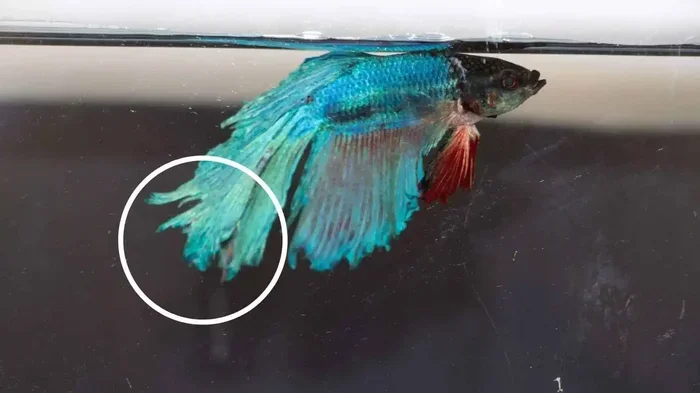
Betta fish get fin rot from bacterial or fungal infections that thrive in poor water conditions. Dirty tanks, high ammonia levels, and stress weaken your fish’s immune system, making them vulnerable to this common disease. Understanding the causes and early signs of fin rot is the first step toward keeping your betta healthy and happy.
Every betta fish owner wants their pet to look stunning. Those flowing fins and vibrant colors are what make bettas so special. But what happens when those beautiful fins start to look ragged, shredded, or discolored? This is a clear sign of fin rot, one of the most common diseases affecting betta fish. If you have noticed changes in your betta’s fins, you are probably wondering how this happens and what you can do about it.
Fin rot is not just a cosmetic problem. Left untreated, it can spread and cause serious health issues. The good news is that understanding how betta fish get fin rot gives you the power to prevent it. You will also learn how to spot it early and treat it effectively. This guide covers everything you need to know about fin rot causes, symptoms, treatment, and prevention.
Whether you are a new betta owner or have kept fish for years, fin rot can catch you off guard. It thrives in tanks with bad water quality, stressed fish, and improper care. By the end of this article, you will know exactly how to protect your betta and keep those fins healthy and beautiful.
Key Takeaways
- Poor water quality is the #1 cause of fin rot in betta fish. Ammonia and nitrite buildup damages fins and invites bacteria.
- Fin rot starts with frayed or ragged fins and can progress to redness, inflammation, and tissue loss if untreated.
- Bacterial and fungal infections are the two main culprits behind fin rot. Each requires a slightly different approach.
- Treatment works best when caught early. Water changes, aquarium salt, and proper medication can reverse mild cases quickly.
- Prevention is simple: regular water changes, stable parameters, and a stress-free environment keep fin rot away.
- Betta fish fins can grow back after fin rot heals, but the process takes time and patience.
- Overcrowded tanks and aggressive tank mates increase fin-nipping and stress, raising the risk of fin rot.
📑 Table of Contents
What Is Fin Rot in Betta Fish?
Fin rot is a disease that breaks down the tissue of a betta fish’s fins and tail. It is caused by bacteria or fungi that attack weakened or damaged fin tissue. Over time, the fins appear ragged, torn, and may even start to rot away entirely. The condition can affect fins at any point on the fish’s body, but it most commonly starts at the edges.
Many people confuse fin rot with fin nipping. Fin nipping happens when other fish bite your betta’s fins. Fin rot, on the other hand, comes from infection. The two can happen at the same time, which makes diagnosis tricky. Understanding the difference helps you choose the right treatment.
Types of Fin Rot
There are two main types of fin rot in betta fish. Each has different causes and requires different treatment approaches.
- Bacterial Fin Rot: This is the most common type. Bacteria like Aeromonas and Pseudomonas attack the fin tissue. The fins appear ragged with red or white edges. Bacterial fin rot can spread quickly if the water quality stays poor.
- Fungal Fin Rot: Fungi cause this type. It often looks like white, fuzzy patches on the fins. Fungal fin rot usually develops when the fish has already been weakened by injury or poor conditions.
Both types damage the fins, but bacterial fin rot eats away at the tissue, while fungal fin rot tends to grow on the surface. Knowing which type your betta has helps you pick the right fin rot treatment.
How Does a Betta Fish Get Fin Rot?
Understanding the root causes of fin rot is essential. Fin rot does not just appear out of nowhere. It develops when certain conditions in the tank make your betta vulnerable. Let us break down exactly how a betta fish gets fin rot.
Poor Water Quality
The number one reason betta fish get fin rot is poor water quality. When ammonia and nitrite levels rise in the tank, they burn the fish’s delicate fins and skin. This creates open wounds where bacteria and fungi can enter. Dirty water also weakens the fish’s immune system, making it harder to fight off infections.
Common water quality mistakes include:
- Skipping regular water changes
- Overfeeding, which creates excess waste
- Not cycling the tank before adding fish
- Using untreated tap water with chlorine
If you neglect water parameters, your betta’s tank becomes a breeding ground for harmful pathogens. Even a small spike in ammonia can trigger fin rot in a stressed or already weakened fish.
Stress and Weakened Immune System
Stress plays a huge role in how a betta fish gets fin rot. When a fish is stressed, its body produces cortisol, a hormone that suppresses the immune system. A weakened immune system cannot fight off the bacteria and fungi that cause fin rot.
Common stressors for betta fish include:
- Living in a tank that is too small
- Being kept with aggressive tank mates
- Sudden changes in water temperature
- Lack of hiding spots or enrichment
- Constant noise or vibrations near the tank
Stressed bettas are far more likely to develop fin rot. This is why creating a calm, stable environment is so important for betta fish health.
Physical Injuries and Fin Damage
Betta fins are delicate and can easily get damaged. Sharp decorations, rough gravel, or even aggressive filter outflows can tear fins. When the protective layer of the fin is damaged, bacteria move in and start the rotting process.
Fin nipping from other fish is another major cause. Even if your betta is the only fish in the tank, sharp plastic plants or decorations can cause micro-tears in the fins. These tiny wounds become entry points for infection.
Unhealthy Diet and Nutrition
What your betta eats matters more than you might think. A poor diet weakens the fish’s body and makes it more susceptible to disease. Feeding low-quality flakes or overfeeding can lead to bloating, constipation, and a weakened immune system.
On the other hand, a balanced betta diet supports strong fins and a healthy immune system. High-quality pellets, frozen bloodworms, and brine shrimp provide the nutrients your betta needs to stay resilient against infections.
Signs and Symptoms of Fin Rot
Catching fin rot early makes treatment much easier. The sooner you spot the signs, the better your betta’s chances of a full recovery. Here are the most common symptoms to watch for.
Early Stage Symptoms
In the beginning, fin rot looks subtle. You might notice:
- Fins looking slightly ragged or frayed at the edges
- A thin white or red line appearing along the fin edges
- Fins appearing slightly darker or discolored
- Your betta seems less active than usual
At this stage, the damage is still minor. Early intervention can stop fin rot from getting worse. Many owners miss these early signs because they are easy to overlook.
Advanced Stage Symptoms
If fin rot progresses, the symptoms become much more obvious:
- Large chunks of fin tissue missing or rotting away
- Bright red or bloody edges on the fins
- Fins appearing melted or completely shredded
- White fuzzy growth on the fins (fungal infection)
- Your betta stops eating or hides constantly
Advanced fin rot can be painful for your fish. At this stage, the infection may spread to the body, which is much harder to treat. This is why daily observation of your betta is so important.
How to Treat Fin Rot on a Betta Fish
The good news is that fin rot is treatable, especially when you catch it early. The treatment approach depends on the severity of the condition and whether it is bacterial or fungal.
Step 1: Improve Water Quality
The first and most important step is to fix the water. Do a 25-50% water change immediately. Use a gravel vacuum to remove waste from the substrate. Test the water for ammonia, nitrite, and nitrate levels. You want ammonia and nitrite at zero, and nitrates below 20 ppm.
Clean water alone can often reverse mild fin rot. Your betta’s immune system is strong enough to fight off the infection when the environment is healthy.
Step 2: Add Aquarium Salt
Many experienced betta owners use aquarium salt as a first line of defense. Salt helps heal fin tissue and creates a hostile environment for bacteria. Add one teaspoon of aquarium salt per gallon of water. Make sure to use pure aquarium salt, not table salt, which contains harmful additives.
Monitor your betta closely after adding salt. Some fish are sensitive to it, and you may need to adjust the dosage.
Step 3: Use Medication if Needed
If the fin rot does not improve after water changes and salt treatment, you may need medication. Antibacterial treatments work well for bacterial fin rot. Products containing melafix or pimafix are popular choices among betta keepers. For fungal infections, an antifungal medication is more effective.
Always follow the dosage instructions on the medication label. Overdosing can harm your betta more than the fin rot itself. If you are unsure, consult a fish veterinarian or experienced aquarist.
For more detailed treatment methods, check out our guide on how to cure fin rot on a betta fish. It covers step-by-step treatment plans that work.
Can Betta Fish Recover From Fin Rot?
Many betta owners worry whether their fish will survive fin rot. The answer is yes, in most cases. Betta fish can heal from fin rot if you act quickly and provide proper care. Mild cases often resolve within one to two weeks with improved water quality and salt treatment.
More severe cases take longer. The fins may look worse before they get better as the damaged tissue falls away and new growth begins. This is completely normal and not a sign that treatment is failing.
Do Betta Fish Fins Grow Back After Fin Rot?
Yes, betta fins do grow back after fin rot. The regrowth process can take several weeks to a few months. New fins may look slightly different in shape or color compared to the original fins. Some bettas regrow perfectly beautiful fins, while others may have slight differences.
The key is patience. Do not panic if your betta’s fins look strange during the healing process. As long as the infection is cleared and the water is clean, new fin tissue will gradually appear. For more details on fin regrowth, visit our article on do betta fish fins grow back after fin rot.
Preventing Fin Rot in Your Betta Fish
Prevention is always better than cure. The best way to deal with fin rot is to stop it from happening in the first place. A few simple habits can keep your betta healthy and fin rot-free.
Maintain Clean Water
Regular water changes are the foundation of good betta care. Change 20-30% of the water every week. This keeps ammonia and nitrite levels stable and removes waste before it builds up. Always use a water conditioner to remove chlorine and chloramine from tap water before adding it to the tank.
Test your water parameters regularly with a liquid test kit. Test strips are okay, but liquid kits give you more accurate readings. Keeping your water parameters in check is the single best thing you can do for your betta.
Provide the Right Tank Setup
Betta fish need adequate space to thrive. A tank of at least 5 gallons is recommended. Smaller tanks accumulate toxins faster and cause more stress. Add a gentle filter with a sponge pre-filter to prevent your betta’s long fins from getting sucked into the intake.
Keep the water temperature between 78 and 80 degrees Fahrenheit. Use a heater with a thermostat to maintain stable temperatures. Avoid sharp decorations and opt for smooth silk plants instead of rough plastic ones.
Reduce Stress
A stress-free betta is a healthy betta. Keep the tank in a quiet area away from loud noises and direct sunlight. Provide hiding spots like caves or driftwood where your betta can retreat. Avoid housing your betta with aggressive or fin-nipping fish.
For more information on creating the ideal setup, read our article on what kind of tank does a betta fish need.
Feed a Quality Diet
Offer your betta high-quality pellets designed for bettas. Supplement their diet with frozen or live foods like bloodworms and brine shrimp a few times a week. Feed small amounts twice a day and remove any uneaten food after five minutes. Overfeeding leads to poor water quality, which directly increases the risk of fin rot.
Common Mistakes That Cause Fin Rot
Even experienced fish keepers make mistakes. Here are the most common errors that lead to fin rot in betta fish.
- Skipping water changes: Dirty water is the number one cause of fin rot. Do not skip your weekly water changes.
- Overcrowding the tank: Too many fish creates excess waste and raises stress levels. Keep only appropriate tank mates for your betta.
- Using the wrong medications: Treating bacterial fin rot with antifungal medication will not work. Identify the type of infection first.
- Ignoring early symptoms: Waiting too long to act allows the infection to spread. Check your betta’s fins daily.
- Not quarantining new fish: New fish can introduce bacteria and parasites to your tank. Always quarantine new arrivals for two weeks.
Avoiding these mistakes puts you ahead of most betta owners. A little prevention goes a long way in keeping your fish healthy.
When to See a Vet
Most cases of fin rot can be treated at home. However, there are times when professional help is needed. If your betta’s fins are rapidly deteriorating, if the infection has spread to the body, or if your fish stops eating entirely, it is time to consult a fish veterinarian.
Signs that your betta needs professional care include:
- Open sores or ulcers on the body
- Swollen abdomen or bloating
- Labored breathing or gasping at the surface
- Complete loss of color and appetite
A vet can prescribe stronger medications and provide a proper diagnosis. Do not wait until it is too late. Early veterinary care can save your betta’s life.
Final Thoughts
Fin rot is a common but very treatable condition in betta fish. The root cause is almost always poor water quality, stress, or physical damage. By maintaining clean water, reducing stress, feeding a quality diet, and observing your fish daily, you can prevent fin rot from ever taking hold.
If your betta does develop fin rot, do not panic. Act quickly with water changes, aquarium salt, and appropriate medication. Most bettas recover fully and regrow their beautiful fins with proper care. Remember, a healthy tank environment is the best defense against fin rot and other fish diseases.
Keep learning about betta fish care and your fish will reward you with years of vibrant health and stunning beauty. Your betta depends on you for a clean, safe, and happy home. Give them that, and they will thrive.
Frequently Asked Questions
What causes fin rot in betta fish?
The main cause of fin rot is poor water quality. High levels of ammonia and nitrite in the tank damage the fins and weaken the fish’s immune system. Bacterial and fungal infections then take hold in the damaged tissue. Stress, physical injuries, and unhealthy diet also contribute to fin rot development.
How long does it take for fin rot to heal?
Mild fin rot can heal within one to two weeks with proper treatment and clean water. Severe cases may take three to four weeks or longer. The key is to act quickly and improve water conditions immediately. Patience is important as new fin tissue grows back slowly over time.
Can fin rot kill a betta fish?
Yes, if left untreated, fin rot can become fatal. The infection can spread from the fins to the body, causing systemic illness. This is why early detection and treatment are so critical. Catching fin rot in its early stages gives your betta the best chance of a full recovery.
Is fin rot contagious to other fish?
Fin rot itself is not directly contagious, but the bacteria and fungi that cause it can spread to other fish in the same tank. This is especially true if other fish are stressed or have weakened immune systems. Maintaining clean water and removing affected fish to a quarantine tank helps prevent spread.
Can I use aquarium salt for fin rot treatment?
Yes, aquarium salt is a safe and effective first step for treating mild fin rot. Use one teaspoon per gallon of tank water. Make sure the salt is pure aquarium salt without added minerals or iodide. Monitor your betta closely and reduce the salt if you notice any signs of distress.
How can I tell the difference between fin rot and fin nipping?
Fin nipping causes clean, sharp cuts on the fins, usually from another fish biting them. Fin rot causes ragged, frayed edges with red or white discoloration and gradual tissue breakdown. Fin nipping happens suddenly, while fin rot develops over time. Treating fin nipping involves removing the cause, while fin rot requires water treatment and medication.