How to Mate My Betta Fish
Mating your betta fish can be a rewarding experience when done right. This guide covers everything you need to know about betta fish mating, from preparing a breeding tank and conditioning your pair to recognizing courtship behavior and caring for fry. Follow these steps to give your bettas the best chance of successful spawning.
Mating betta fish is one of the most fascinating things you can do as a fish keeper. The process is beautiful to watch, but it does require preparation and patience. If you have been wondering how to mate my betta fish, this guide walks you through every step in simple terms.
Betta fish, also known as Siamese fighting fish, have a unique breeding process compared to many other freshwater fish. The male builds a bubble nest, the female releases eggs, and the male fertilizes and guards them until they hatch. Understanding this natural behavior is the first step toward successful betta fish breeding.
Before you start, make sure both your male and female bettas are healthy and mature. Brecing unhealthy fish can lead to problems, including failed spawning and sickly offspring. You should also set up a proper breeding tank with the right water conditions. Taking these preparatory steps seriously will save you time and stress later on.
Key Takeaways
- Proper tank setup is essential: A dedicated breeding tank with the right temperature and conditions makes all the difference.
- Condition both fish beforehand: Feeding high-quality live or frozen foods prepares male and female bettas for breeding.
- Watch for courtship signs: Bubble nests, flaring, and chasing are normal behaviors during betta fish mating.
- Remove the female after spawning: Male bettas can become aggressive and may harm the female after eggs are released.
- Fry care requires patience: Tiny betta fish fry need infusoria or special fry food for the first few weeks of life.
- Health checks matter: Always verify that both fish are healthy before introducing them for breeding.
- Know when to seek help: If complications arise, consult a vet or experienced breeder for guidance.
📑 Table of Contents
Preparing for Betta Fish Mating
Choosing the Right Pair
Not all betta fish are ready to mate. You need a healthy male and a healthy female that are at least 4 to 6 months old. Look for fish with vibrant colors, flowing fins, and active behavior. Avoid fish that show signs of illness, such as dull coloring, clamped fins, or loss of appetite.
If you are unsure whether your fish are ready, you can learn more about how to tell if your betta fish is sick before attempting breeding. Healthy parent fish produce healthier fry.
Setting Up the Breeding Tank
A separate breeding tank is a must. You do not want to breed your bettas in a community tank. Other fish can stress the breeding pair, and the male may become territorial. A 10-gallon tank works well for most breeders.
Keep the water temperature between 78 and 80 degrees Fahrenheit. This warmth encourages spawning behavior. Use a sponge filter for gentle water flow, and add floating plants or a spawning mop where the male can build his bubble nest.
If you need help with tank setup, check out our guide on how to set up a fish tank for betta fish. A well-planned environment reduces stress and increases the chances of successful mating.
Conditioning the Fish
Conditioning means feeding both fish high-quality, nutritious foods for one to two weeks before introducing them. This prepares their bodies for the energy demands of breeding.
Great conditioning foods include:
- Live brine shrimp
- Bloodworms
- Daphnia
- High-quality betta pellets
- Frozen foods thawed to room temperature
Feed small amounts twice a day. You want the fish to be well-fed but not overweight. Overfeeding can lead to bloating, which makes spawning difficult.
Understanding Betta Fish Courtship Behavior
Once your pair is conditioned and the breeding tank is ready, it is time to introduce them. But first, you need to understand what normal betta fish courtship looks like. This knowledge helps you know when things are going well and when to step in.
Bubble Nest Building
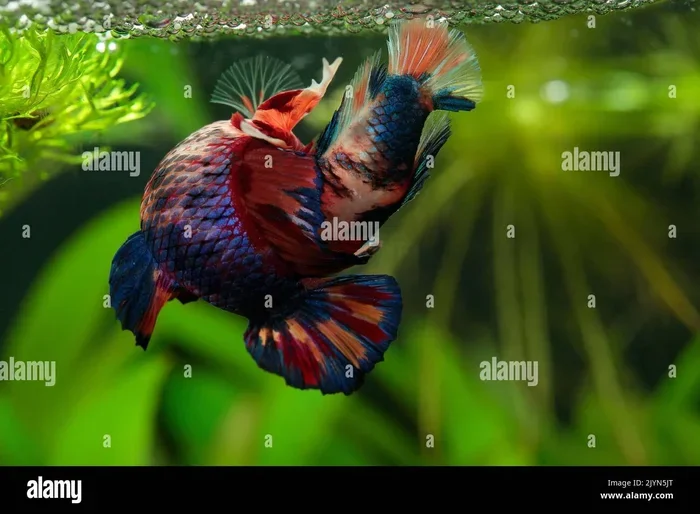
The male betta will start building a bubble nest at the surface of the water. He blows tiny bubbles that stick together, creating a floating nest. This is one of the clearest signs that he is ready to mate. A healthy bubble nest looks like a cluster of foam on the water surface.
If your male is not building a nest, check the water temperature and flow. Some males build better in warmer, stiller water. You can also learn how to make your betta fish tank warmer if needed to encourage nesting behavior.
Flaring and Chasing
When you first introduce the pair, the male will flare his gills and spread his fins. He may chase the female around the tank. This is normal courtship behavior. The male is showing off and trying to impress the female.
However, watch closely. If the male becomes too aggressive and starts biting the female’s fins or tail, you need to separate them. A little chasing is fine, but sustained violence can injure the female. Using a clear divider between the tanks for a few days can help them get used to each other before full introduction.
Embracing and Spawning
The actual mating process is called embracing. The male wraps his body around the female, and she releases eggs. He fertilizes them immediately. This process may repeat several times over a few hours. The female will appear slightly pale or tired afterward, which is normal.
After spawning, the male collects the eggs in his mouth and places them in the bubble nest. The female should be removed at this point because the male may become aggressive toward her. He will guard the nest and the eggs alone.
Caring for Betta Fish Eggs and Fry
Egg Development
Betta fish eggs are tiny and white or yellowish. They will hatch within 24 to 48 hours. During this time, the male tends to the nest, repairing it and retrieving any eggs that fall. He will not eat during this period, so do not be alarmed if he refuses food.
Keep the tank lights dim during this phase. Bright lights can stress the male and cause him to abandon the nest. Stable water conditions are critical. Perform small water changes if needed, but be very gentle to avoid disturbing the nest.
Fry Care in the First Week
Once the eggs hatch, you have tiny fry that are too small to eat regular food. For the first two to three days, they live off their yolk sac. After that, you need to start feeding them.
The best first foods for betta fry include:
- Infusoria (live cultures available at pet stores)
- Baby brine shrimp (hatched from eggs)
- Crushed betta pellets soaked in water
- Specialty fry food designed for small fish
Feed the fry several times a day in very small amounts. Overfeeding can foul the water quickly, which is dangerous for such tiny creatures. A turkey baster works well for removing uneaten food and waste.
Moving the Male and Growing Out the Fry
After about three to four days, the fry will be free-swimming and the male can be removed. By this point, he has done his job and may start eating the fry if left too long. Gently transfer him back to his original tank.
As the fry grow, you can gradually introduce larger foods. By the time they are two weeks old, they can eat newly hatched brine shrimp and finely crushed flakes. Keep them in a separate grow-out tank until they are large enough to be placed in a community setup.
For more information on raising young bettas, read our article on how to raise a betta fish. It covers growth stages and feeding schedules in detail.
Common Mistakes to Avoid When Mating Betta Fish
Even experienced fish keepers make mistakes during breeding. Here are the most common errors to watch out for:
- Skipping the conditioning phase. Unconditioned fish may not spawn successfully, or the eggs may not be viable.
- Using too small a breeding tank. A cramped space increases stress and aggression. A 10-gallon tank is the minimum.
- Leaving the female in too long. The male can become seriously aggressive after spawning. Remove the female once eggs are released.
- Disturbing the bubble nest. Avoid sudden water changes or strong filter currents that can destroy the nest.
- Feeding fry inappropriate food. Adult betta food is too large for newborn fry. Start with infusoria or baby brine shrimp.
- Breeding too young or unhealthy fish. Fish under four months old should not be bred. They are still growing themselves.
When to Get Professional Help
If you notice that the female is being seriously injured during courtship, or if the male abandons the nest repeatedly, it may be time to seek advice. You can learn about taking your betta to a professional in our article on can I take my betta fish to the vet Petco. Sometimes expert guidance makes all the difference.
Tips for Successful Betta Fish Mating
Here are some expert-backed tips to improve your chances of successful breeding:
- Match the sizes. The male and female should be roughly the same size. A very large male and a small female can lead to injury during embracing.
- Use a breeding trap or divider. This allows the pair to see each other without direct contact at first, reducing initial aggression.
- Maintain clean water. Perform small water changes regularly. Clean water prevents fungal infections that can destroy eggs.
- Be patient. Not every introduction leads to immediate spawning. It may take several attempts before the pair successfully mates.
- Keep records. Note the dates of introduction, spawning, and hatching. This helps you track what works and what does not for future breeding attempts.
Remember that betta fish mating is a natural process, but it still requires your attention and care. The more prepared you are, the smoother the experience will be for both you and your fish.
Conclusion
Learning how to mate my betta fish is a journey that rewards patience and careful attention to detail. From setting up the right breeding tank and conditioning your pair, to recognizing courtship behavior and caring for fry, every step matters. Follow the guidelines in this article, and you will give your bettas the best possible chance of successful spawning.
Start with healthy fish, prepare a clean and warm breeding environment, and watch the natural process unfold. Whether you are a beginner or an experienced hobbyist, successful betta fish breeding is absolutely achievable with the right approach. Enjoy the process, and happy breeding!
Frequently Asked Questions
How long does betta fish mating take?
The entire mating process from introduction to spawning usually takes a few hours to a couple of days. Courtship behavior like bubble nest building and chasing can start within hours of introducing the pair. Actual egg release and fertilization may happen over several sessions spanning one to two days.
Can I mate two male betta fish?
No, two male bettas cannot mate together. Breeding requires one healthy male and one healthy female. Two males will fight aggressively and can injure or kill each other. Always ensure you have a proper male-female pair before attempting breeding.
How many eggs does a betta fish lay at once?
A female betta fish can lay anywhere from 10 to 50 eggs per spawning session, sometimes even more. The number depends on her age, health, and size. Not all eggs will be fertile, and the male will typically eat any unfertilized or damaged eggs.
What should I feed betta fry?
In the first few days, fry survive on their yolk sac. After that, offer infusoria, baby brine shrimp, or specialty fry food. As they grow, you can gradually introduce crushed pellets and larger foods. Feed small amounts multiple times a day for the best results.
Why did my male betta abandon the bubble nest?
Several factors can cause a male to abandon the nest, including stress, poor water quality, loud noises, or sudden temperature changes. Make sure the tank is in a quiet location with stable conditions. If the nest is destroyed, he may rebuild it if conditions improve.
Is breeding betta fish profitable?
Breeding bettas can be profitable if you produce high-quality fish with desirable colors and fin types. However, it requires investment in proper tanks, food, and time for fry care. Most hobbyists breed for the enjoyment of the process rather than profit, but successful breeders can sell quality fry to local fish stores or other enthusiasts.