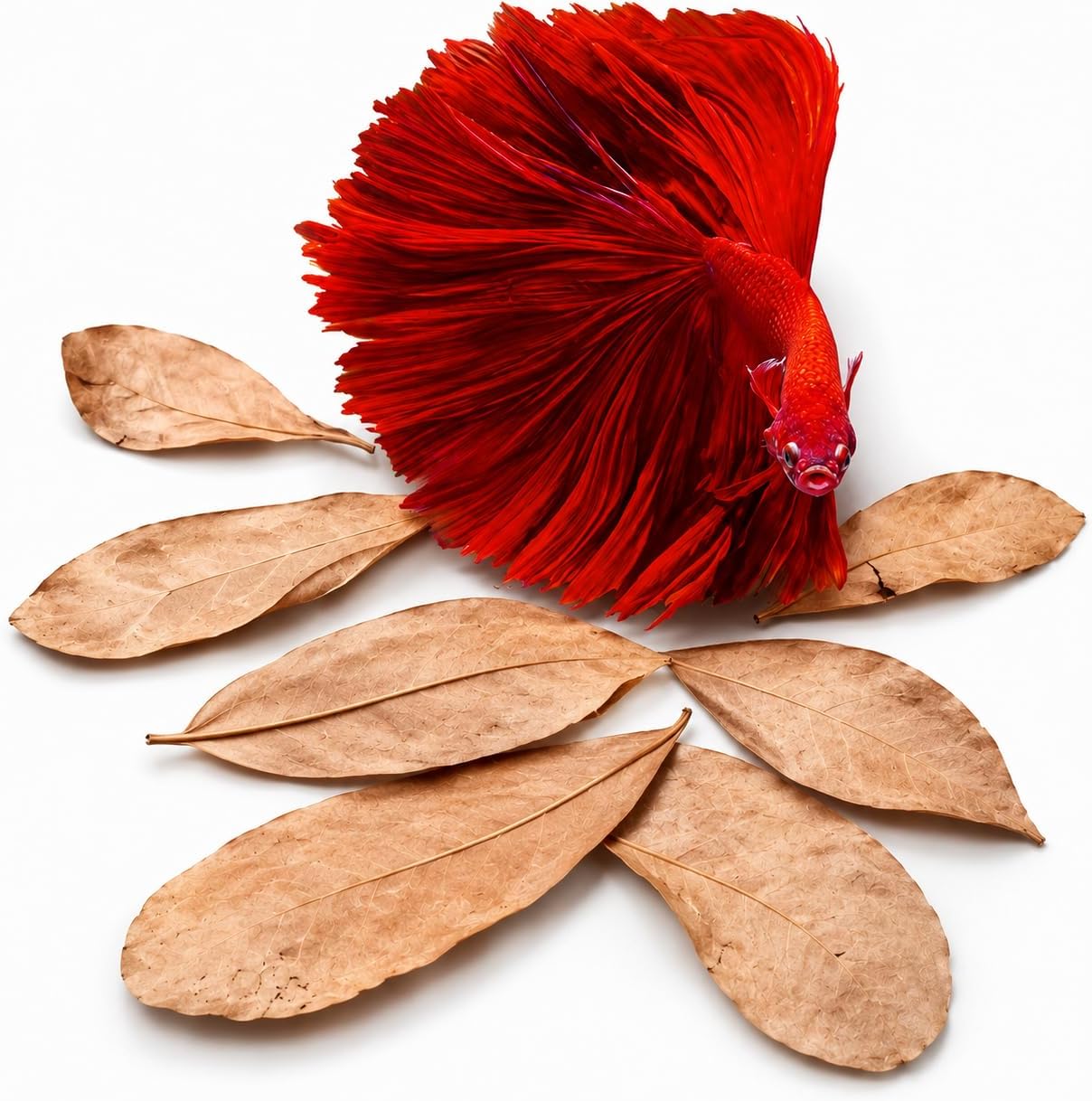
Why Is My Betta Fish Top Fin Down
Seeing your betta’s top fin droop can be alarming, but it’s often a sign of a solvable problem. This guide explains the main reasons—stress, water issues, disease, and injury—and offers practical steps to restore your fin’s lift. Act quickly, and your betta will be swimming proudly again.
Key Takeaways
- Water quality matters: Poor parameters are the top cause of a down‑flared top fin.
- Stress triggers fin droop: Overcrowding, aggressive tank mates, and sudden changes can weaken the fin.
- Infections are common: Bacterial, fungal, or parasitic infections often start with a limp fin.
- Injury isn’t always obvious: Small tears or nips can cause the fin to sag without visible damage.
- Nutrition helps recovery: High‑quality protein and vitamin‑rich foods support fin regeneration.
- Prompt treatment works: Early intervention with water changes and medication can save the fin.
- Regular monitoring prevents relapse: Keep an eye on behavior, water, and tank setup to avoid future issues.
📑 Table of Contents
- Introduction: When the Top Fin Looks Sad
- 1. Water Quality – The Silent Culprit
- 2. Stress – When the Tank Feels Like a Crowded Party
- 3. Disease – Infections That Start at the Fin
- 4. Physical Injury – Nips, Scratches, and Tank Accidents
- 5. Nutrition – Feeding the Fin Back to Strength
- 6. When to Seek Professional Help
- Conclusion: Bringing the Fin Back to Its Proud Position
Introduction: When the Top Fin Looks Sad
Betta fish are famous for their bright colors and flowing fins. So when you notice the top fin hanging low, it can feel like a tiny tragedy. You might wonder, “why is my betta fish top fin down?” The answer is rarely a single mystery; it’s usually a mix of environment, health, and behavior.
In this article we’ll walk through the most common reasons a betta’s top fin droops, show you how to spot early warning signs, and give you step‑by‑step fixes that any hobbyist can try. Think of it as a friendly chat over a cup of tea, with lots of practical tips you can start using tonight.
1. Water Quality – The Silent Culprit
Why bad water makes fins sag
Betta fish are especially sensitive to ammonia, nitrite, and pH swings. When the water isn’t clean, the fish’s immune system weakens, and the delicate fin rays can lose their rigidity. A drooping top fin is often the first visible sign that something is off in the tank.
Visual guide about Why Is My Betta Fish Top Fin Down
Image source: shanaiho-navi.jp
How to test and fix water problems
- Test weekly: Use a liquid test kit to check ammonia, nitrite, nitrate, and pH. Aim for 0 ppm ammonia, 0 ppm nitrite, <10 ppm nitrate, and a pH between 6.5‑7.5.
- Partial water changes: Replace 25‑30 % of the water every 2‑3 days until parameters are stable.
- Condition the water: Add a water conditioner that removes chlorine and chloramine.
- Maintain a proper filter: Even a small sponge filter can keep biological waste under control.
Keeping water pristine not only lifts the fin but also prevents many other issues like why is my betta fish turning white or cloudy water.
2. Stress – When the Tank Feels Like a Crowded Party
Common stressors for bettas
Stress is a hidden enemy. It can be caused by:

Visual guide about Why Is My Betta Fish Top Fin Down
Image source: 1.bp.blogspot.com
- Too many tank mates or the wrong species.
- Frequent temperature fluctuations.
- Loud vibrations or bright, flashing lights.
- Constant tapping on the glass.
When a betta is stressed, it releases cortisol, which can cause the top fin to lose its “pomp”.
Ways to reduce stress quickly
- Provide hiding spots: Add live plants, silk plants, or caves.
- Stabilize temperature: Keep the tank at 78‑80 °F (25‑27 °C) with a reliable heater.
- Limit disturbances: Place the tank in a quiet area away from windows and speakers.
- Solo housing: If you keep more than one male, consider a separate tank or a divided tank.
3. Disease – Infections That Start at the Fin
Bacterial and fungal infections
Infections often begin with a small tear or a weak spot on the fin. Bacteria like Aeromonas or fungi such as Ichthyophthirius thrive in stressed or dirty water, causing the fin to become limp, discolored, or ragged.

Visual guide about Why Is My Betta Fish Top Fin Down
Image source: n.sinaimg.cn
Recognizing infection symptoms
- White or gray patches on the fin.
- Red streaks or swelling.
- Frayed edges that don’t regrow.
Treatment plan
1. **Isolate** the fish in a hospital tank with clean, filtered water.
2. **Medicate** with a broad‑spectrum antibiotic (e.g., Maracyn) or antifungal (e.g., Mardel) according to the label.
3. **Increase temperature** to 82 °F (28 °C) for 5‑7 days to speed healing (ensure the species can tolerate the rise).
4. **Boost immunity** with vitamin‑C enriched foods or a dedicated betta supplement.
For more on fin health, see why are my betta fish fins curling.
4. Physical Injury – Nips, Scratches, and Tank Accidents
How injuries happen
Even a gentle splash from a tank mate or a sharp décor piece can cause a tiny tear. Because betta fins are thin, a small nick can make the whole top fin sag.
First‑aid steps
- Remove sharp objects: Replace plastic plants with silk or smooth driftwood.
- Quarantine: Move the betta to a bare‑bottom tank with a heater.
- Apply a salt dip: Dissolve 1 gram of aquarium salt in 1 liter of water and dip the fish for 30 seconds daily for 3 days.
- Monitor regrowth: New fin rays should appear within a week if the injury isn’t infected.
5. Nutrition – Feeding the Fin Back to Strength
Why diet matters for fin health
Fin tissue is made of collagen and protein. A diet lacking in high‑quality protein or essential fatty acids can slow regeneration, leaving the top fin limp.
Best foods for fin repair
- Live or frozen foods: Bloodworms, brine shrimp, and daphnia are rich in protein.
- High‑quality pellets: Choose betta‑specific pellets with at least 40 % protein.
- Supplemental treats: Small amounts of boiled egg yolk or finely chopped spinach add vitamins.
- Vitamin boosters: A few drops of liquid vitamin‑C or a betta‑specific multivitamin once a week.
6. When to Seek Professional Help
Red flags that indicate a deeper problem
If the fin remains down after 2 weeks of water changes, stress reduction, and proper feeding, it may be a sign of a chronic condition or internal disease. Other warning signs include loss of appetite, rapid breathing, or cloudy eyes.
Finding help
- Contact a local aquarium store or a vet who specializes in fish.
- Send clear photos of the fin to online forums for community diagnosis.
- Consider a full tank test for heavy metals or hidden toxins.
For a broader view on fish health, explore is my betta fish dying.
Conclusion: Bringing the Fin Back to Its Proud Position
Finding the top fin drooping can be unsettling, but most causes are fixable with a little attention to water, stress, health, and diet. By testing your water regularly, reducing stressors, treating infections promptly, and feeding a balanced diet, you give your betta the best chance to raise that beautiful fin high again. Keep a close eye on any other changes, and you’ll soon have a confident, fin‑flaring companion swimming proudly at the surface.
Frequently Asked Questions
Why is my betta’s top fin hanging low?
Usually it’s a sign of poor water quality, stress, infection, injury, or inadequate nutrition. Checking each of these areas will help you pinpoint the cause.
Can a temporary water change fix a down fin?
Yes, a 25‑30 % water change can quickly improve water parameters and often lifts the fin if the issue is solely water‑related.
How long does it take for a fin to regrow?
With proper care, new fin rays can start appearing in 5‑7 days and may be fully regrown within 2‑3 weeks.
Should I use medication if I see white spots on the fin?
White spots often indicate a fungal or bacterial infection. A short course of a broad‑spectrum betta medication is recommended, but always isolate the fish first.
Is it normal for a betta to keep its top fin down when it’s breeding?
No. During breeding, bettas usually display full, vibrant fins. A down fin during this time suggests stress or illness, not normal breeding behavior.
Can I prevent fin problems by changing the tank décor?
Yes. Replacing sharp plastic plants with smooth silk ones and adding soft hiding spots can reduce the chance of fin injuries.